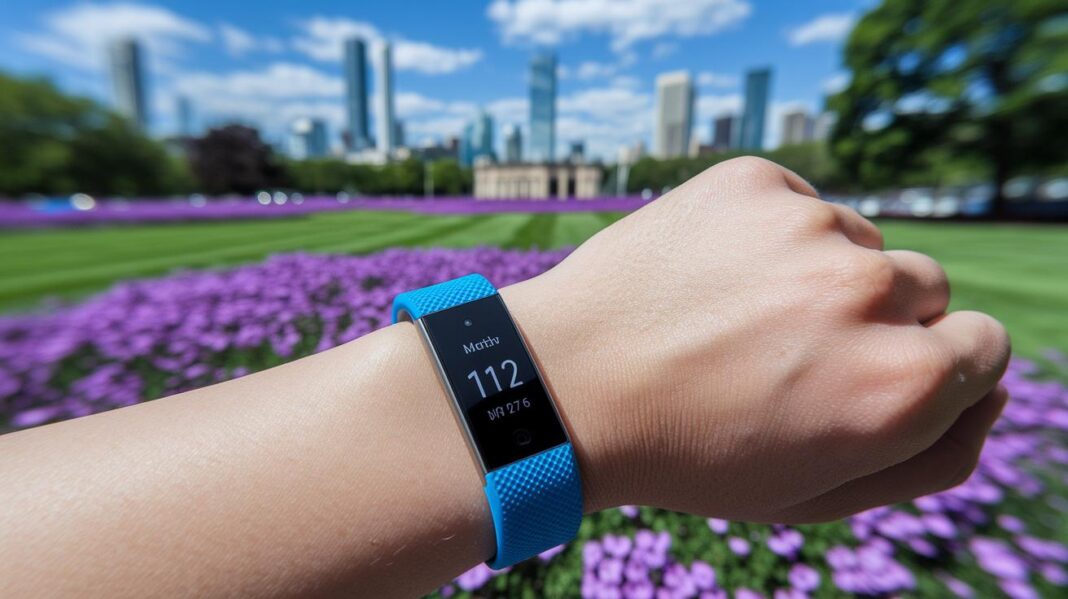
Ever wonder how a simple wristband might change your whole approach to fitness? A fitness tracker takes your everyday movements and turns them into easy-to-understand health insights that help you push your limits. It counts your steps, checks your heart rate (that's the number of times your heart beats in a minute), and even keeps an eye on your sleep habits.
In this guide, you'll see why picking the right tracker matters, whether you enjoy a quiet walk or train like a pro. You'll learn how a good sensor, long battery life, and a comfortable fit can really boost your active lifestyle.
Comprehensive Fitness Tracking Wristband Purchase Guide

Many people use a fitness wristband for different everyday goals. It can help you count your steps on a walk, keep track of your performance in various sports, or even monitor sleep and heart rate. Some folks like extra features such as around-the-clock heart rate checks or tips on recovering after tough workouts. For example, if you're starting a simple step challenge, a basic tracker might do the job. But if you’re more serious about your training, you might need one that supports multiple sports and gives detailed insights.
When choosing a tracker, pay attention to sensor accuracy, battery life, how comfortably it fits, and the price. A snug fit is key for accurate heart rate readings. Many trackers without a display can run on a single charge for 7 to 18 days, models like the Amazfit Band 7 show this well. Basic models usually cost under $50, mid-range ones fall between $50 and $150, and premium devices go beyond $150. Reliable sensor data, steady step counts, and clear sleep tracking are crucial factors to consider.
Think about your goals and budget when picking your perfect wristband. If you just need to count your daily steps, a simple model could be all you need. But if you want detailed insights for multiple sports or to monitor your workout recovery closely, a high-end tracker might be a better fit. And don’t forget to match your device with your phone’s system for a smoother, more connected experience.
Sensor Capabilities in Fitness Tracking Wristbands
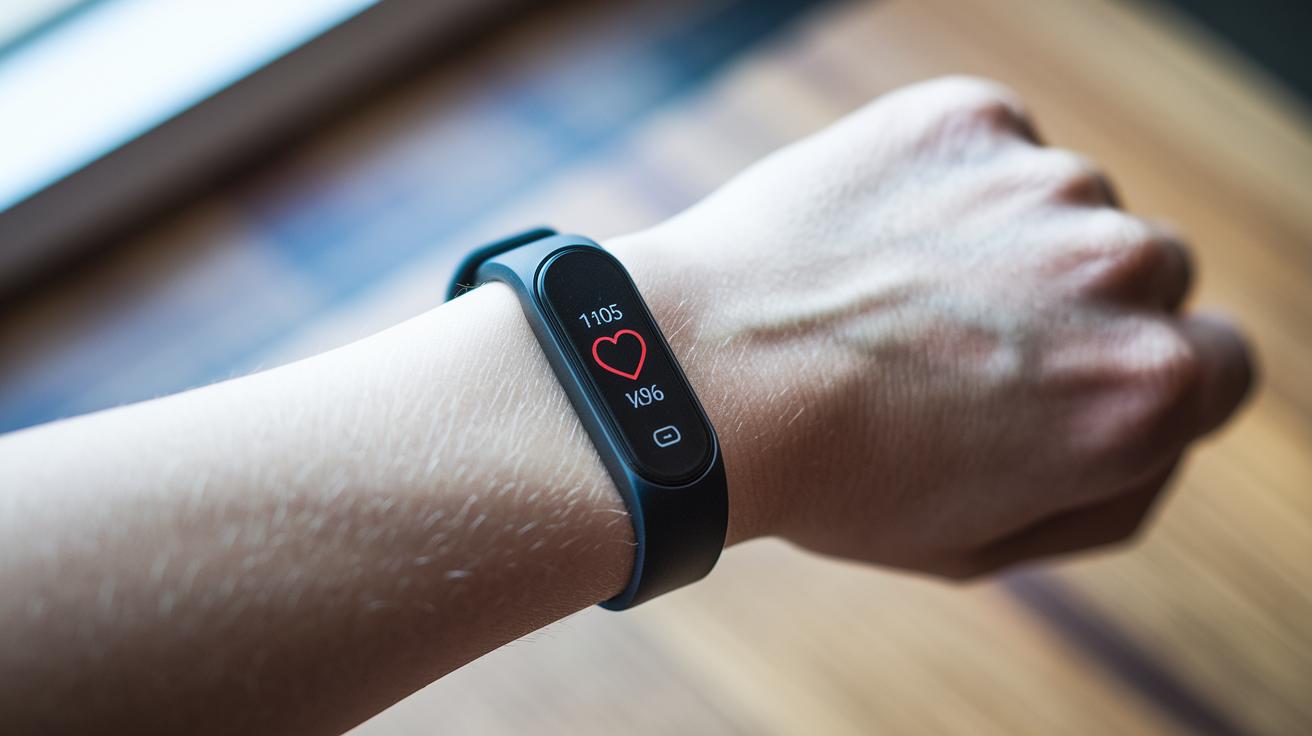
Fitness tracking wristbands are packed with sensors that turn your daily movements into useful health insights. They use a method called photoplethysmography (PPG) like a sleek heart monitor to measure your heart rate and even the tiny shifts between beats (heart rate variability shows how much your heartbeat fluctuates). These wristbands also have small accelerometers that count your steps and track the time you’re active. When worn snugly, the bio-sensing features work hard to give you accurate numbers for calories burned and sleep quality.
Below is an overview of key sensor types you might find in these devices. The table explains each sensor, what it tracks, and offers a note on accuracy based on how well the band fits.
| Sensor | Metric | Accuracy Note |
|---|---|---|
| PPG heart rate | Resting/active BPM | Requires firm skin contact |
| 3-axis accelerometer | Step count, active minutes | ±5% under normal gait |
| SpO2 optical sensor | Blood-oxygen saturation | ±2–3% with minimal motion |
| Built-in GPS | Distance, pace | High power draw, rare in wristbands |
Some wristbands also include SpO2 sensors that check your blood-oxygen levels, and a few models even offer built-in GPS for more detailed distance tracking. In fact, many devices combine motion data with heart rate details to give you a clear picture of your sleep, whether it’s light, deep, or REM.
Design and Comfort Factors for Fitness Tracking Wristbands

Fitness tracking wristbands are built with your comfort in mind. They use soft, flexible materials like silicone or TPU that feel gentle on your skin. With adjustable notches, you can set the perfect fit so that the sensor stays in place for accurate readings. A well-fitted silicone band feels light, making it easy to wear all day without discomfort.
Manufacturers also work to reduce bulk by using flat sensor modules that lie smoothly against your skin. The band is usually about 10 to 12 mm thick and weighs under 30 g for models without a display. This slim design means fewer pressure points, so you hardly notice it even during long workouts.
Some models let you wear your device in clever ways beyond the wrist. For example, the Fitbit Inspire 3 clips onto clothing, while the Xiaomi Smart Band 9 offers a shoe clip or a necklace option called “Pebble Mode” (keep in mind that heart rate tracking is turned off in that mode). Plus, many brands offer a range of colors and patterns so you can easily match your fitness tracker with your everyday style.
Battery Life and Water Resistance of Fitness Tracking Wristbands
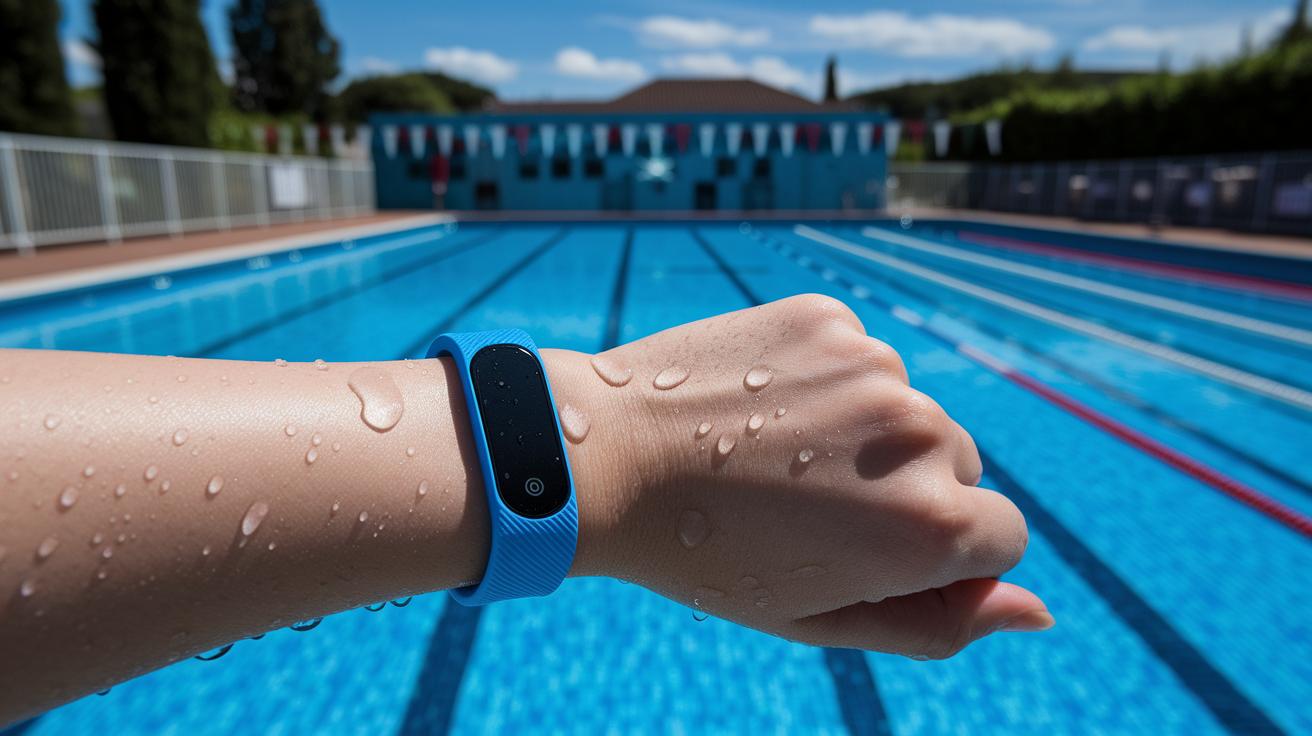
Most basic fitness bands run for at least a week on a single charge. Some models go even further, like the Amazfit Band 7, which can last up to 18 days, and the Whoop MG, which runs for about 14 days. That means you can keep an eye on your health without worrying about constant recharging.
Many of these devices also come with a 5 ATM water-resistance rating, so they can handle water exposure up to 50 meters. A few even have an IP68 rating, which helps keep out dust and water. Plus, their sweatproof design makes sure that trying activities or a little weather surprise doesn’t mess with the device.
In everyday life, a long-lasting battery lets you track all your activities, whether you're walking, running, or even taking a dip. Imagine playing sports, then jumping into the pool or getting caught in the rain, and your tracker still keeps up with your active day. Its robust water resistance and sweatproof build mean your data stays safe and accurate, giving you real insights into your progress every day.
Connectivity and App Ecosystem for Fitness Tracking Wristbands

Fitness tracking wristbands connect to your phone using Bluetooth Low Energy, making setup a breeze on both iPhones and Android devices. They sync wirelessly so your health data is updated in real time. No matter what mobile system you use, you stay connected.
These devices work with simple companion apps that show you friendly dashboards, interactive charts, and your full activity history. For instance, the Fitbit app gives you easy-to-read visuals and fun challenges to spark a bit of friendly competition, while Garmin Connect dives deeper with detailed analytics and even lets you upload extra data from other apps. Most free tracking apps help you keep track of everything from your daily steps to your sleep quality, putting a whole world of wellness right at your fingertips.
Keeping your data safe is a top priority. The makers use strong encryption to shield your personal health details, and many apps let you export your data whenever you need it. Regular firmware updates make sure everything stays secure and works smoothly, so you can trust your fitness tracking experience is always getting better.
Top-rated Fitness Tracking Wristbands: Models and Pricing
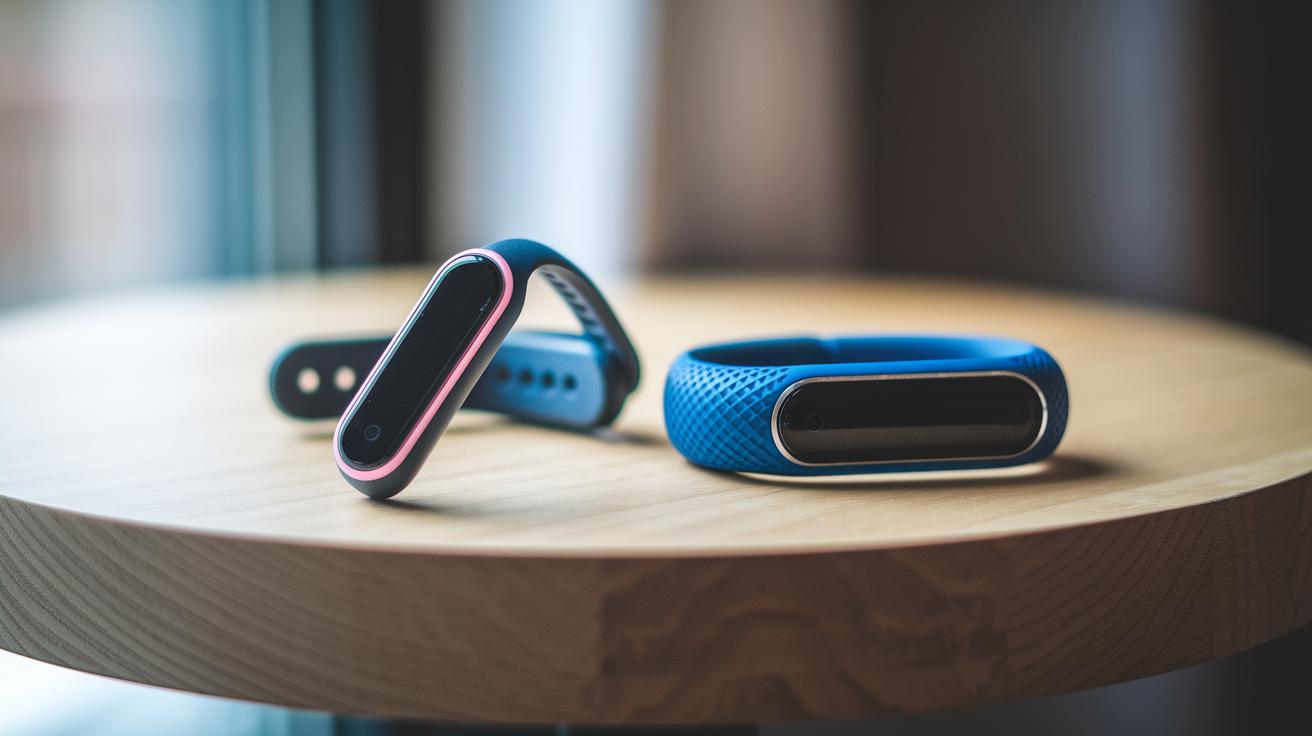
Xiaomi Smart Band 9 review: key specs and price
The Xiaomi Smart Band 9 is a great option if you want solid health tracking without spending a lot. It comes with a PPG heart rate sensor (which helps monitor your heartbeat), an accelerometer to track your movement, and a SpO2 sensor to check your blood oxygen levels. Plus, its battery lasts about 14 days so you won't have to worry about frequent recharges. Its simple and user-friendly design makes it a favorite for anyone looking to keep an eye on their steps, heart rate, and oxygen level, all for around $40.
Fitbit Inspire 3 review: sensor suite and value
If you’re after a tracker that offers a good mix of style and performance, the Fitbit Inspire 3 is worth a look. Priced at roughly $100, this device gives you continuous heart rate monitoring and even breaks down your sleep into clear stages. Its sensor suite catches small changes in your activity, and you can wear it in different ways thanks to its clip option. Although its battery lasts about 10 days, the Inspire 3 packs advanced features that help you keep track of your daily wellness with ease.
Amazfit Band 7 review: display, modes, endurance
For those with an active lifestyle, the Amazfit Band 7 might just be the perfect match. With a bright OLED display and over 120 sports modes, it’s built for versatility. The band offers a remarkable 18-day battery life and can handle water up to 5 ATM, making it suitable for both indoor and outdoor activities. At around $50, it brings together strong performance and durability, earning it a top spot among fitness enthusiasts.
| Model | Price | Battery | Key Feature |
|---|---|---|---|
| Xiaomi Smart Band 9 | $40 | 14 days | PPG heart rate sensor, accelerometer, SpO2 sensor |
| Fitbit Inspire 3 | $100 | 10 days | Continuous heart rate monitoring, sleep stage analysis, clip option |
| Amazfit Band 7 | $50 | 18 days | OLED display, 120+ sports modes, 5 ATM water-resistance |
Personalized Tips for Choosing a Fitness Tracking Wristband
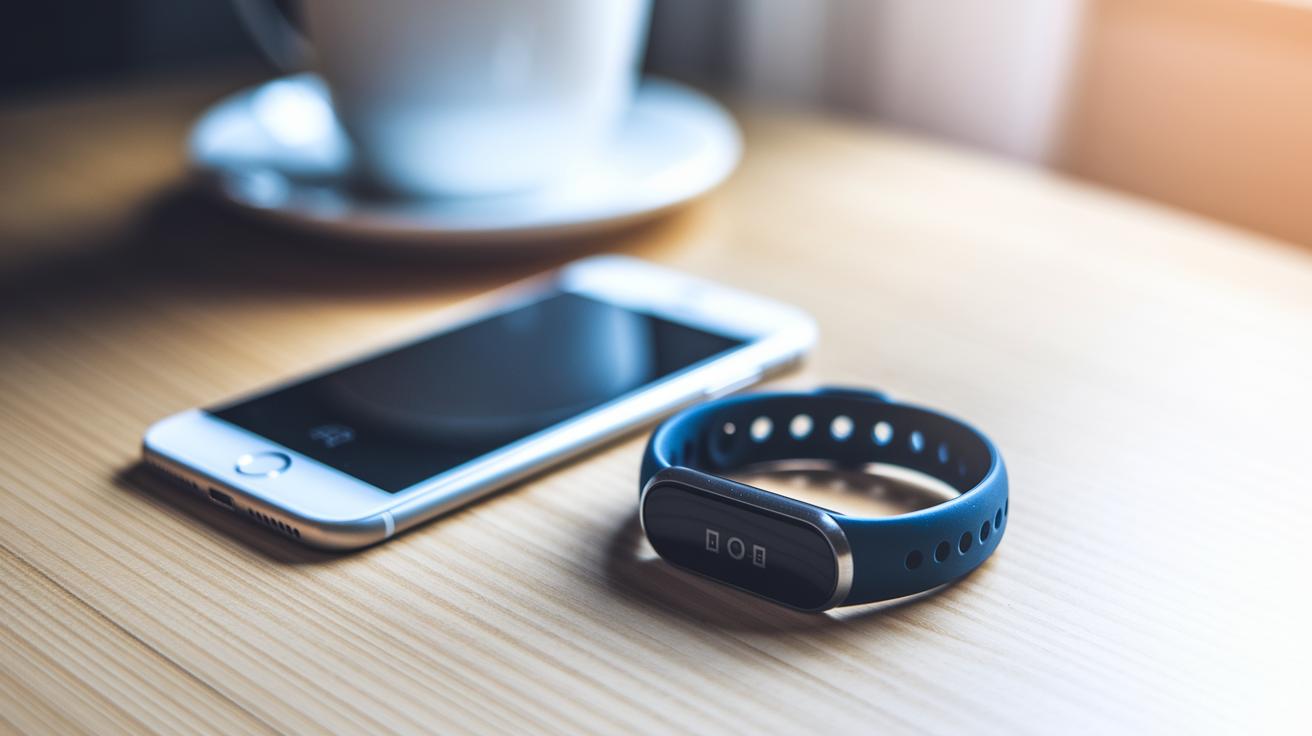
When you're picking a wristband, start by thinking about what matters most to you. If you're focused on counting your steps, choose one with a basic movement sensor that lasts all day. But if you're into different sports or training hard, go for a wristband with built-in GPS and a heart rate sensor that uses light to check your blood flow in real time. And if sleep is your main concern, look for features that track how your heart behaves at night. Swimmers should make sure the tracker is water-friendly, usually needing a rating of at least 5 ATM.
If you're watching your budget, you might prefer a simple model that covers the basics without extra frills like fancy displays or complicated apps. On the other hand, more advanced trackers come with extra sensors that offer deeper insights about your workouts. Weigh the price against the extra features so you only spend on what really fits your lifestyle and activity level.
Before you settle on a wristband, try to find one that offers a trial period or a flexible return policy. Testing it out in your everyday life helps you see if it’s comfortable, stays in place, and works well with its app. This little trial run is a great way to be sure the device fits perfectly with your personal health goals.
Final Words
In the action, we quickly explored how to pick the right fitness tracking wristband, covering everything from sensor details to style and battery life.
We broke down key factors like sensor accuracy, snug design, and app ease, while reviewing top-rated models and advising on personalized tips.
Keep these points in mind as you compare devices, whether you need a basic or advanced tool for health tracking.
With this guide, choosing your next fitness tracking wristband feels smoother, and that’s a win for better everyday health!
FAQ
What are some top-rated, minimalist fitness tracking wristbands?
The reviews show that top-rated fitness tracking wristbands combine accurate data, comfort, and style. Buyers often favor minimalist designs that balance essential features with a low‐profile look for everyday wear.
What does the WHOOP fitness tracker offer?
The WHOOP fitness tracker offers in-depth health monitoring with continuous performance and recovery insights. This system is popular with dedicated users looking for detailed, athlete-focused feedback on their fitness.
How can I buy a fitness tracking wristband on Amazon?
The availability on Amazon means you can choose from many wristbands that meet different budgets and needs. Customer reviews and competitive pricing help ensure you pick a device that fits your lifestyle.
What is a fitness tracker bracelet with no screen and its benefits?
Fitness tracker bracelets with no screens focus on core metrics such as steps and heart rate. This design boosts battery life and offers a discreet, lightweight option for tracking basic activity.
What distinguishes women’s fitness tracking wristbands?
Women’s fitness tracking wristbands offer design and fit options that cater to female users. They provide accurate activity data with styling and adjustability that blend seamlessly into everyday wear.
Is there a fitness tracker that isn’t designed like a watch?
Fitness trackers exist in formats beyond traditional watches, including clip-on and bracelet styles. These alternatives deliver focused tracking while offering a different aesthetic and wearability option for users.
Are wrist fitness trackers accurate?
Wrist fitness trackers can be accurate when sensors maintain proper skin contact. They reliably track heart rate, steps, and sleep patterns, making them useful when worn and used as instructed.
Is it worth wearing a fitness tracker?
Wearing a fitness tracker provides insights into your daily activity and sleep patterns, which can motivate healthier habits and lifestyle adjustments. Many users find them valuable tools for self-care.
Do doctors recommend fitness trackers?
Some doctors recommend fitness trackers to help monitor activity levels and sleep quality as part of a broader approach to well-being. They serve as useful adjuncts to a balanced health plan.

