
Have you ever thought your food choices might boost your game? Many top athletes track everything they eat, almost like crafting a winning game plan. When you log your calories and nutrients, you can quickly spot which foods help you train harder and recover faster. Studies even suggest that athletes who watch their meals tend to see improvements sooner. And with plenty of easy-to-use apps available, keeping an eye on your nutrition is a breeze. Let's take a closer look at how smart tracking can power your success on the field.
Essential Tools and Techniques for Athlete Nutrition Tracking

Tracking your calories and breaking them down into carbs, proteins, and fats is key to fueling your workouts and helping your body recover. When you log your meals, like writing "Breakfast: 400 calories (45g carbs, 20g protein, 10g fat)", you can see patterns that guide you to better performance. Studies even show that detailed tracking can speed up recovery and boost your training results.
Digital tools make this process easier than ever. Nutrition apps not only keep an eye on your calorie and nutrient intake but also help you monitor your hydration and even suggest meal ideas. Many of these apps can sync with wearable devices to give real-time insights on how your food choices impact your energy. For example, a reminder like "Log your post-workout meal now" can keep you on track, and research has found that athletes using these tools tend to be more consistent with their nutrition goals.
At the same time, old-school methods like paper logs or simple spreadsheets still hold value, especially when you want full control or don’t have internet access. Jotting down a quick note like "Lunch: turkey sandwich, fruit, and water" can give you a personal snapshot that helps with long-term planning and making adjustments. Whether you choose digital or manual tracking, keeping a careful record is a smart way to support your training every day.
Nutrition Tracking for Athletes: Fuel Your Victory

Today’s athletes have a bunch of handy apps that make keeping track of nutrition feel like second nature. These tools let you quickly log your calorie intake, break down your daily macros, and even check your hydration levels with ease. And the best part? Many of these apps connect with your wearable devices, so your workout data and food log work together for a full picture of your training routine.
Take MyFitnessPal, for example. It offers an enormous food database of over 5 million items, all for free, which makes checking what you eat super simple. Then there’s Cronometer, perfect if you want to dig a little deeper into your vitamins and minerals. And if you’re a cyclist or a fan of tailored advice, FoodCoach offers specialized recovery and fueling plans to help you get back on track in no time. Choosing the right app can really power up your workouts and help you perform at your best.
| App Name | Key Features | Pricing |
|---|---|---|
| MyFitnessPal | Extensive food database (over 5 million items) and calorie tracking | Free |
| Cronometer | Detailed micronutrient insights and a user-friendly interface | Free |
| FoodCoach | Specialized recovery and fueling plans for cyclists | $5–25/month or $35–200 one-time purchase |
- Accuracy in food databases
- Easy tracking of macros and micronutrients
- Syncs with wearable devices
- Monitors hydration levels
- Offers AI-driven meal ideas
Optimizing Macronutrient Planning with Performance Nutrition Logs

For athletes, finding the right mix of carbohydrates, proteins, and fats is crucial for peak performance. Endurance athletes may need plenty of carbs for long sessions, while proteins are there to help fix your muscles, and fats add a steady zing of energy. Depending on your sport, your ideal balance might change. Think about a cyclist; they need extra carbohydrates for those long rides. Or a weightlifter, who might aim for more protein to build muscle. Using performance nutrition logs along with tips from guides like the Complete Guide to Balanced Diet can transform these numbers into simple, everyday choices that keep your energy level stable and muscles ready for action.
Tracking your nutrition isn’t tricky. Many apps let you set personal goals for each meal. You could note something like, "Lunch: 50g carbs, 30g protein, 15g fat." And as your training changes, you update these logs depending on how you feel. Over time, these records turn into a handy tool that helps fine-tune your meals, stop energy crashes, and speed up muscle recovery. It’s about turning abstract numbers into clear steps that keep you feeling your best every day.
Hydration Tracking Techniques for Athlete Recovery

Staying hydrated isn’t just about drinking water, it’s about keeping your body’s electrolytes in check. Minerals like sodium, potassium, and magnesium help your muscles work and recover. When you balance these minerals with the right amount of water, you can lower the risk of muscle cramps and fatigue. Plus, watching this balance supports your recovery nutrition and helps you replace fluids lost in tough workouts.
Modern nutrition apps make tracking your hydration simple. They send you friendly reminders and even help you figure out your sweat loss during exercise. This way, you know how much water and electrolytes to drink. By setting clear fluid goals after your workout and using in-app tools like sweat-rate calculations, you can keep your muscles recovering well and boost your overall performance.
Synchronizing Nutrition Tracking with Athletic Training Data
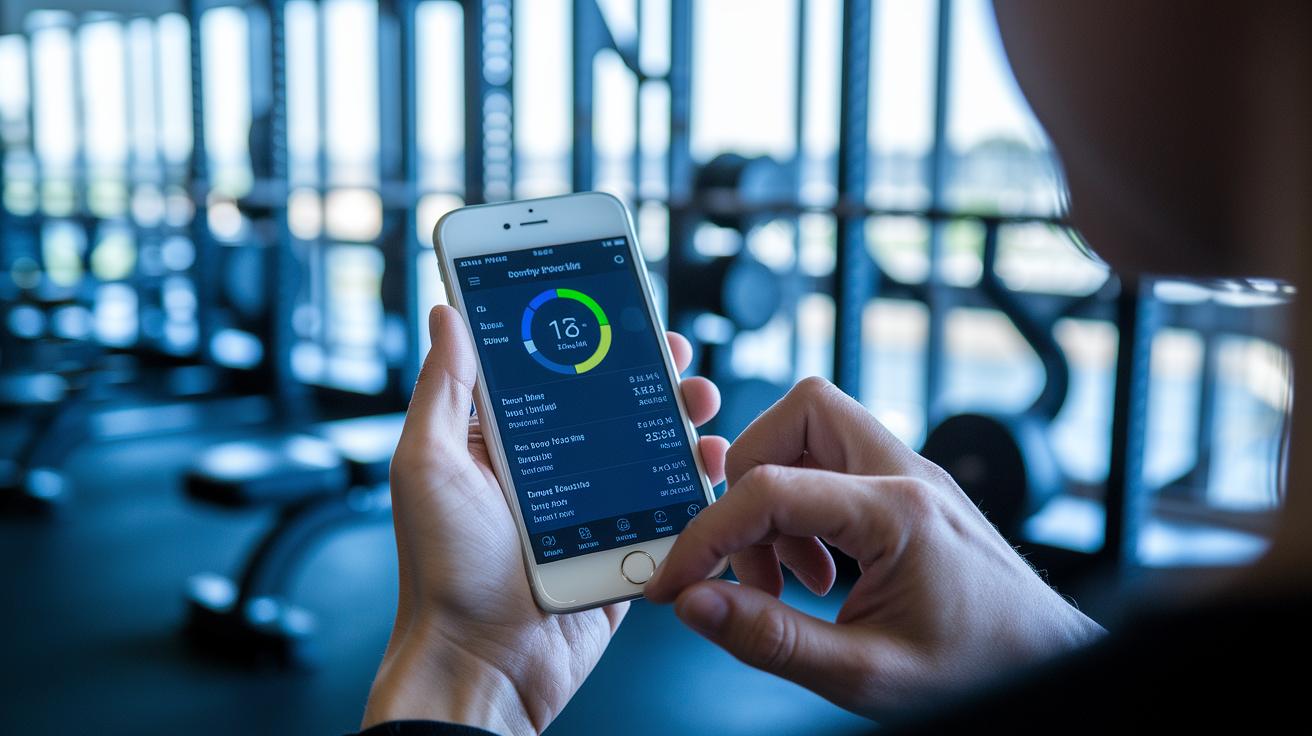
Today’s wearable devices do more than just count your beats or burned calories. They now capture real-time details like how well you slept, your daily steps, and even your recovery levels. Some apps go a step further by mixing in your food log. For instance, one app reported that a night of poor sleep along with a low-protein breakfast led an athlete to start their morning workout a bit slower.
Modern dashboards are making it easy to see how what you eat links up with how hard you train. They show interesting details, like how adding more carbs on power training days might boost your energy. In fact, one study noticed that a 10% increase in carb intake on heavy workout days went hand in hand with better endurance.
More and more, athletes are using these insights to adjust their nutrition. Detailed dashboards help spot trends that suggest meal tweaks, like choosing slow-digesting carbs before a long run. Imagine your dashboard nudging you: “Swap that quick snack for a protein-rich recovery meal to help your muscles bounce back.”
Case Studies of Performance Improvement through Nutrition Tracking

Cyclists who ride long distances have found that keeping a simple food diary really helps them bounce back faster after a ride. They record what they eat, including snacks after training with just the right mix of carbs and protein, and even track their water intake. One cyclist mentioned, "I started logging my post-training electrolytes and carbs, and my recovery improved noticeably." It shows that even a little attention to food details can make a big difference in feeling less tired and sore.
Weightlifters and strength athletes also see benefits when they keep track of their meals. They write down all the proteins, fats, and carbs they eat so they can adjust their food plan to help their muscles repair and gain strength. One weightlifter said, "I tweaked my meal plan to include more lean protein and healthy fats, which translated directly into better performance during intense training sessions." This careful tracking makes it easier for them to see progress and avoid setbacks.
Even players from team sports have experienced improvements by carefully noting what they eat and drink. They keep a close record of meals, snacks, and hydration, which helps them build a balanced plan that matches their training sessions. By paying attention to every detail, they notice that a good mix of nutrients boosts their energy on the field and cuts down on minor injuries over the season.
Final Words
In the action, we reviewed smart ways to record dietary details and enhance workouts through nutrition tracking for athletes. We explored quick calorie counts, handy digital tools, and even classic methods like logs and spreadsheets.
We also connected food details with workout data and looked at real-life examples showing better performance and recovery. All these tips promise to make health tracking simpler and more useful. Keep these steps in mind as you work toward smarter, data-informed training!
FAQ
What are the best free nutrition tracking apps for athletes?
Free nutrition tracking apps like MyFitnessPal and Cronometer offer calorie counting, food logging, and macronutrient breakdown, making it simple for athletes to monitor their food intake and support training goals.
What is the best nutrition tracking app for athletes and runners?
Top nutrition tracking apps for athletes and runners synchronize with wearables, offer extensive food databases, and provide personalized meal recommendations, ensuring smooth tracking of energy, recovery, and overall health.
What does The Athletes FoodCoach app offer to athletes?
The Athletes FoodCoach app provides tailored recovery and fueling plans by suggesting meal ideas and tracking nutrition details, which helps athletes optimize performance and support post-workout recovery.
What is the 4 2 1 rule for athletes?
The 4 2 1 rule for athletes refers to a guideline where athletes adjust their nutrient proportions—focusing on a balance of carbohydrates, proteins, and fats—to support training, performance, and recovery.
Is MyFitnessPal good for athletes?
MyFitnessPal is favored by many athletes for its extensive food database, ease of logging meals, and useful calorie and nutrient tracking features, which help manage and adjust nutritional intake effectively.
What is the best nutrition plan and tracker for athletes?
The best nutrition plans and trackers combine easy food logging, detailed macro and micronutrient analysis, and integration with training data, empowering athletes to fine-tune their diets for enhanced performance.

