
Ever think about how what you eat might shape your energy? Even a small snack can pack a punch when you keep track of it. Research tells us that writing down every bite in a simple food diary can turn everyday eating into a boost for your day. Here, we offer easy tips to make tracking food feel less like a chore and more like a step toward a brighter, more energetic day. Ready to try a tiny change that could spark big energy?
Tips for Effective Nutrition Tracking: Energize Your Day

Be honest with yourself by writing down every bite you take, even the little snacks, drinks, and that extra spoon of yogurt. Studies show that keeping a food log can help you lose weight over time, sometimes even up to 15% of your body weight. Instead of just writing "sandwich," try noting down "sandwich with turkey, lettuce, tomato on whole grain, and water" to catch details about your eating habits.
In the beginning, spend about 3–5 days simply recording what you eat without worrying about calories. Think of these first few days as a learning period. For example, someone might say, "Before I really cared about nutrition, I noted every bite and later saw how little snacks added up to hundreds of extra calories." This way, you take off the pressure to be perfect and focus on being honest with your logging.
Set clear, easy-to-follow goals while you track your meals. Write down things like, "I’ll log every meal right after I eat," or "I want to see patterns in my snacking." Having specific targets can help you stay mindful and improve your food tracking.
When eating out, try not to worry too much about small mistakes. Research shows that many restaurant meals can exceed suggested calories, so it’s okay if your estimates aren’t exact. A simple trick is to quickly note down your portion sizes, keeping you on track without stressing out.
Every detail matters. By writing down what you eat, you gain a clearer picture of your eating habits, and that can lead to a more energetic day ahead.
Leveraging Technology for Streamlined Nutrition Tracking
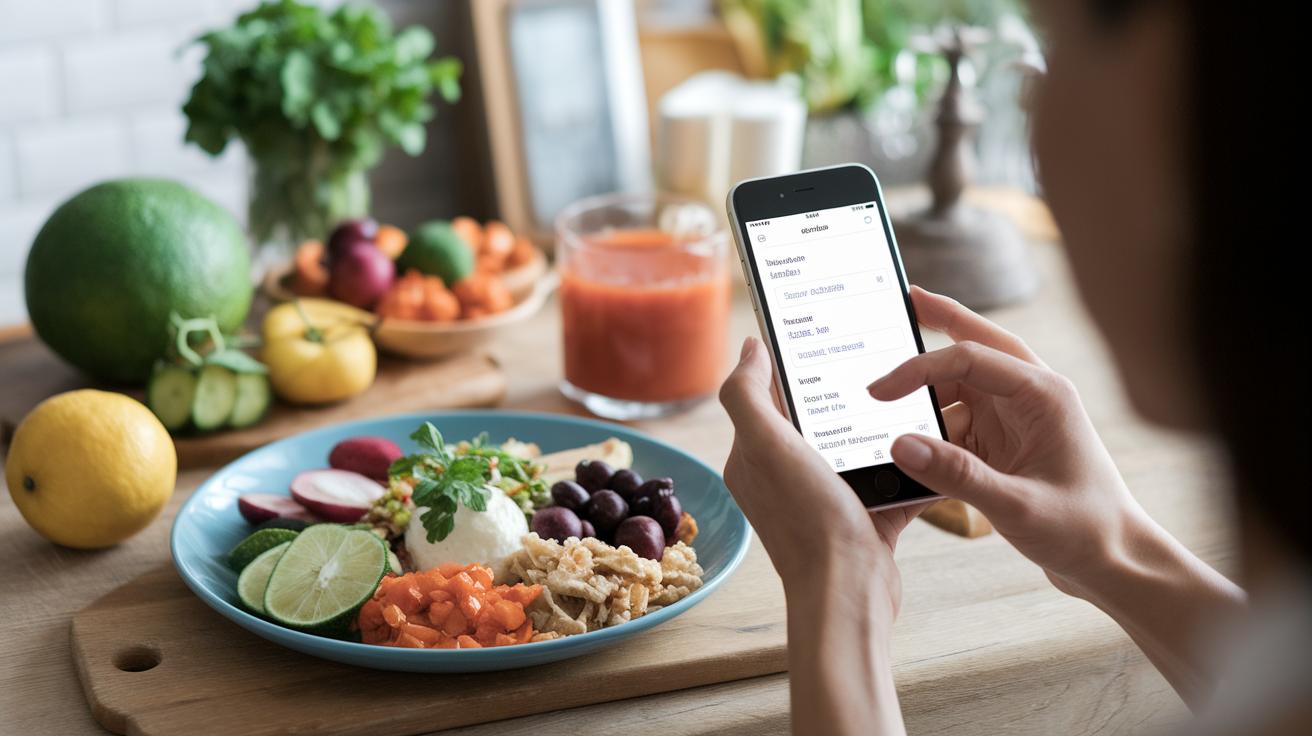
Smartphone apps let you log every meal as it happens, showing you clear visuals of portion sizes. These apps make recording what you eat a breeze by instantly saving your entries and sending friendly reminders to keep you on track each day. In one study, 145 women who used both a fitness tracker and a meal logging app over eight weeks saw improvements in their body mass index, body fat, and lean mass, proof that smart tech can really boost your overall health.
Pre-planning your meals with a pre-logging feature gives you extra freedom on hectic days. You can log your breakfast before you even leave home and still add in any surprise snacks later on. Many of these apps also break down your nutrient intake automatically, making it easy to understand how much of each vitamin, mineral, and macronutrient you’re getting. For a clear explanation, check out Explain Nutrient Density.
Using a digital meal diary that combines smart software with wearable devices makes it easier to keep a detailed and steady record of what you eat. With tech speeding up the logging process and improving accuracy, tracking your nutrition becomes a simple part of your daily routine, giving you quick insights into your eating habits and empowering you to make healthier choices.
Building Consistent Habits in Nutrition Tracking

Timing matters. Right after you eat, or at a regular time each day, quickly write down your meal details so you don't forget even the tiniest bite. For example, you might note, "After lunch at 12:30, I had a small apple and a handful of almonds." This short note makes sure every detail is captured and nothing is missed.
Set gentle phone reminders that nudge you instead of startling you with loud alarms. A friendly message, like "Time to log your meal!" can be enough to keep your diary up to date without any stress.
Start small by focusing on one or two habits rather than changing everything at once. You could begin with tracking every snack or maybe jotting down how you feel after meals. Imagine recording, "I had a morning snack and felt more energetic later." Little, steady changes like these really add up.
Even when you can’t cook at home, you can still stay on track by using pre-logged packaged foods like single-serve yogurt or a small pack of nuts. Be sure to include details such as portion sizes, ingredients, and even a bit of context. Over time, these notes help you see patterns and learn what works best for you, leading to healthier choices and more energy throughout the day.
Advanced Analysis of Nutrient Intake for a Balanced Diet

Keeping a detailed food log might seem like extra work, but it really helps you see exactly what you’re eating. When you write down complete details, say, "sandwich with peanut butter, banana on a whole-grain bagel, water" instead of just "peanut butter sandwich", you get a clear picture of your protein, carb, and fat ratios. This extra information can guide you to make smarter, healthier choices.
Tracking micronutrients is important too. Jot down your sugar, fiber, vitamins, and minerals so you can spot any gaps or overindulgences in your diet. For instance, if you notice you’re low on fiber, try shifting 5–10% of your calories to fiber-rich foods. A friendly note could be, "Today’s smoothie got an extra tablespoon of chia seeds for more fiber." This little tweak might make a big difference in how full you feel and how your blood sugar stays in check.
You can also use simple frequency tools to review your eating habits over the week. After each week, ask yourself if those extra snacks, sauces, or condiments nudged your calorie count higher than expected. You might even create a little table in your journal to break down your nutrient intake:
| Nutrient | Meal Example |
|---|---|
| Protein | Chicken salad with almonds |
| Carbs | Whole-grain bread and fruit |
| Fats | Avocado dressing |
Making small adjustments based on your food log can steer your diet toward your weight goals. For more hands-on guidance with nutrient-focused tweaks, check out Balanced Diet for Weight Management. In truth, this hands-on approach turns everyday logs into actionable insights, helping you build a balanced, healthier lifestyle.
Strategies to Overcome Challenges in Nutrition Tracking

Adopt a forgiving mindset that builds your resilience. Remember, small slip-ups are completely normal, they can even reveal useful insights about your habits. Every entry is a piece of your bigger picture, so a missed day isn't a failure.
Consider these refreshed strategies:
-
Try using visual aids like portion images or a photo log to gauge your servings better. For example, snap a quick meal photo so you can easily recall the portion details later, even if you're not exactly sure about the amount.
-
Set gentle phone reminders that nudge you without creating extra pressure. Many find that soft prompts feel more natural than strict alarms, making meal logging kinder and stress-free.
-
Look at little tracking mistakes as learning opportunities rather than setbacks. Studies show that forgiving small lapses can lower stress and actually strengthen your tracking habits over time.
When you miss a day, just get back to logging without stressing over lost details.
Final Words
In the action, you learned basic steps to log meals, use smart tools, and build habits that stick. We explored ways to track everything, from clear recordkeeping to analyzing nutrient intake, and even tackled everyday challenges. These tips for effective nutrition tracking show that simple, honest entries can boost your health. Each step helps make your daily routine a bit easier and more informed. Enjoy mixing tech and practical advice to keep improving your well-being every day.
FAQ
What are the benefits of tracking food?
Tracking food helps reveal your eating habits by showing portions and nutrient intake. It makes it easier to make balanced choices and adjust your diet for better health.
Can I find a free 7-day food diary example or food tracking journal?
A free 7-day food diary example provides a simple template to log meals, snacks, and portions. Free food diary PDFs and journals offer clear layouts that assist you in maintaining consistency in nutrition tracking.
What is the best free food tracking app?
The best free food tracking app offers features like real-time logging, portion visuals, and nutrient breakdowns. It simplifies recording meals and helps you stay informed about your daily intake.
What does the 40 30 30 rule for nutrition mean?
The 40 30 30 rule means that 40% of your calories come from carbohydrates, 30% from proteins, and 30% from fats. It helps create balanced meals that support overall health.
How do I properly track nutrition?
Proper nutrition tracking involves recording every meal, snack, and condiment right after eating. This approach builds awareness of your habits and highlights areas for improvement in your daily diet.
What is the 3 3 3 rule for weight loss?
The 3 3 3 rule for weight loss typically encourages having three balanced meals, three measured snacks, and focusing on three main macronutrients. It offers a structured way to manage intake and energy.
What is the 10 10 5 rule for nutrition?
The 10 10 5 rule for nutrition sets a guideline by suggesting balanced proportions within meals. It usually involves careful attention to portions of protein, healthy fats, and fiber to stabilize your energy throughout the day.

