
Have you ever thought about writing down everything you eat? It might seem simple, but even quick notes can offer big insights into your daily fuel. When you keep track of your meals, you start to see how many calories (the energy you need to stay active) and nutrients you’re getting. This little habit can help you better manage your portions and choose healthier foods. In short, turning your meals into easy-to-read notes can be a fun, small step toward a fitter, more confident you.
How Nutrition Tracking Boosts Diet Quality and Fitness

Keeping track of what you eat is one of the best ways to help lose weight. Research from the Journal of Obesity shows that writing down every little detail, from sauces to how your food is cooked, creates a clear picture of your daily eating habits. This simple habit shows you the calories and nutrients in your meals, making it easier to reach dietary goals and lower your risk of health problems.
When you consistently record your meals, you become more aware of what you eat. It helps you adjust your portion sizes and choose healthier ingredients. This mindful approach builds a sense of accountability and guides you to make better choices over time. It also reveals if there are any important nutrients missing from your diet that you might need to work on.
Every time you log your meals, you create useful data for long-term success. By turning your everyday eating into clear insights, you can gradually steer your diet toward a more balanced, healthier way of living. These small steps add up to real, measurable results, encouraging you to stick with a nutrient-rich eating plan every day.
- Improved calorie and nutrient awareness.
- Better portion control and mindful eating.
- Greater accountability for daily choices.
- Identification of hidden calories in condiments.
- Reduced risk of chronic conditions through informed diet decisions.
Key Advantages of a Nutrition Tracking Diary

Using a diary lets you see eating habits in a whole new way. You might try noting the time of your meals or jotting down how you felt during each one. For example, you could write, "I skipped my usual 3 pm snack because I felt satisfied after lunch," which helps you spot patterns over time.
Digital tools can work out nutrition details automatically, but sometimes a paper journal gives a more personal feel. An app might show a quick summary of your nutrients, while writing in a notebook encourages reflection. One user shared, "Recording my meals on an app helped me see I was eating too many sugary snacks at night."
Benefits include:
| Benefit | Description |
|---|---|
| Detailed tracking | Keep close records of portions and ingredients |
| Flexible options | Choose between digital analysis or hands-on journaling |
| Time-stamped notes | Identify habits by noting the timing of your meals |
| Personal insights | Reflect on your feelings to make smarter choices |
| Weight control aid | Gain insights that support better weight management |
Really, this diary can change how you view your eating habits, making it easier to take charge of your health every day.
Using Nutrition Tracking to Monitor Macronutrients and Micronutrients

Tracking your meals can be a fun way to learn about the food you eat while keeping your diet balanced. When you jot down what you eat, you get a clear look at the big nutrients like protein, carbs, and fats, and you also keep an eye on smaller ones such as vitamins and minerals. This habit helps you notice if you’re missing anything so you can tweak your meals to cover all your daily needs.
When you monitor your meals, you also discover what’s called nutrient density, a simple way to see how many good nutrients are in each bite. Ever wonder what that means exactly? Check it out here: explain nutrient density. This insight makes it easier to choose foods that really work for you, whether you’re after more protein for muscle or extra fiber to help digestion.
By writing everything down, you turn complex data into easy, bite-sized insights. You learn not only about the amounts of protein, carbs, and fats but also about those essential vitamins and minerals that help your body do its best. This method can boost your meal planning, improve your overall diet, and even give you a little extra pep in your step.
| Nutrient Type | Main Function | Recommended Daily Intake |
|---|---|---|
| Protein | Builds and repairs muscles | 46-56g |
| Fiber | Supports digestion | 25g |
| Vitamin C | Boosts immunity | 75-90mg |
This hands-on way of keeping track of your meals paves the path to a clearer, balanced eating plan that supports both your fitness goals and overall health.
Setting SMART Goals with Nutrition Tracking
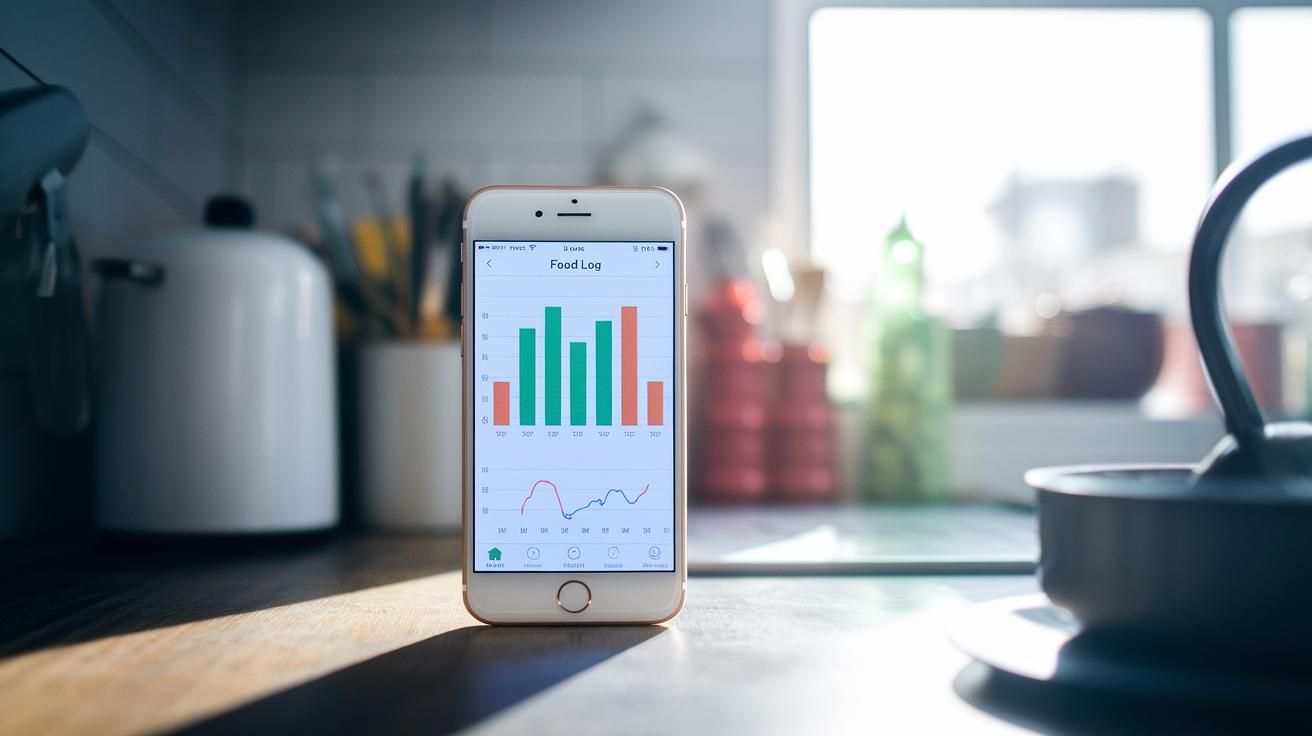
After a week of tracking your meals, your food log gives you a clear look at your eating habits. You might spot patterns, like too many sugary snacks or meals that lack enough protein. Perhaps you find yourself saying, "I always reach for sweets after dinner." That little note tells you a change might be needed. This honest review is your first step toward a healthier diet.
Now, turning this raw data into real change means setting SMART goals. SMART stands for Specific, Measurable, Achievable, Relevant, and Time-based. For example, you might decide to cut down added sugars by 10% over the next two weeks. This clear target helps you stay focused and makes it easier to see your progress. It turns everyday observations into simple, actionable steps that boost your nutrition and overall well-being.
Digital Tools for Efficient Nutrition Tracking

Digital nutrition tracking makes it super easy to log your meals. These apps let you scan barcodes, snap meal photos, and use large food databases to help you record what you eat without any hassle. They instantly grab all your meal details, which cuts down on mistakes. Plus, they automatically add up nutrients so you always have accurate records, even when life gets busy. Some even show you trend charts and send gentle reminders, so you can stick with your plan and notice any patterns day by day. This smart automation gives you clear insights into your daily calorie and nutrient intake, much like getting balanced diet facts in a friendly way.
Case Study: MyFitnessPal’s Role in Personalized Nutrition Tracking
MyFitnessPal is a great example of how tech can make meal tracking fun and simple. With its huge food database and easy-to-customize tracking, you can record meals quickly without worrying about the details. It sets daily nutrient targets, which takes the guesswork out of what to eat while showing you how you're doing. You can adjust the settings to match your personal health goals, making it perfect for anyone who wants to cut back on manual work. This example shows that digital tracking can change a sometimes boring task into a neat and efficient part of your healthy lifestyle.
Ensuring Long-Term Success with Nutrition Tracking

Keeping a food diary is more than just counting calories. Research shows that eating logs can build strong habits, boost self-control, and ease worries about what to eat. Plus, handy app features like mood tracking and progress charts give you extra insights. One user, for example, shared that after a few weeks of regular logging, she felt more energetic and more confident about managing her nutrients.
Taking a few minutes each week to look over your records can show small changes in your habits. This simple review helps you see what’s working well and what might need a tweak. In turn, these insights strengthen a routine that benefits both your body and your mood.
Final Words
In the action, we explored how tracking your nutrition can boost diet quality and engagement with healthy eating. We talked about setting SMART goals, using digital tools, and examining key nutrients to build a strong eating routine. Each section showed that consistently recording what you eat gives you clear insights into your nutrient intake and eating habits. By putting these tips into practice, you'll likely experience the benefits of nutrition tracking and find a positive boost in your overall wellness.
FAQ
- What is a food tracking app?
- A food tracking app lets you quickly log meals and snacks using reliable databases, making it easier to see what you eat and adjust your diet for better health.
<dt>Is tracking food healthy?</dt>
<dd>Tracking food is healthy because it provides clear insights into your eating habits, helping you spot trends and make small, effective changes to boost overall wellness.</dd>

<dt>What are the disadvantages of a food diary?</dt>
<dd>The disadvantages of a food diary include the time it takes to record every meal and potential inaccuracies in estimating portion sizes, which might lead to occasional errors in tracking.</dd>

<dt>What forms do food diaries come in, such as PDFs, journals, or online versions?</dt>
<dd>Food diaries come in various forms like printable PDFs, handwritten journals, online tools, and free apps, allowing you to choose the method that fits your lifestyle best.</dd>

<dt>What is an example of a food intake record?</dt>
<dd>A food intake record example details meals with columns for breakfast, lunch, dinner, and snacks, including portion sizes, which makes it easier to monitor and improve your nutrient balance.</dd>

<dt>Why is it important to track your nutrition and what benefits does it offer?</dt>
<dd>Tracking your nutrition reveals what you eat, supports weight management, ensures balanced nutrient intakes, and informs healthier food choices, leading to improved daily wellness and long-term habits.</dd>

<dt>What are the benefits of using nutrition labels?</dt>
<dd>Using nutrition labels helps you quickly understand a product’s nutrient details, making it easier to compare items and opt for choices that suit your personal eating needs.</dd>

