
Have you ever thought that a simple test might help you avoid a big health problem? TB risk assessment is a screening that shows who might be at risk for TB. It gives clear advice for doctors and public health teams to act early.
Experts start with a basic test and then do more focused checks. This way, they can catch any hidden risks before they turn into serious issues.
In this blog, you'll learn how these tests work and why catching TB early is so important. We'll share practical steps that help protect our communities. Get ready for honest, evidence-based insights that empower both you and health professionals.
Comprehensive Overview of Tuberculosis Risk Assessment
Tuberculosis risk assessment looks at a person’s possible exposure and personal factors that could lead to a TB infection. It starts with a simple screening procedure followed by targeted tests to find both hidden (latent) and active TB. Doctors then review the findings and decide on the best treatment for each individual. Patient education works closely with public health teams so that any potential risk is spotted early and managed right away.
A team of experts, known as the TB Workgroup, updates and maintains the guidelines used for this process. These rules combine trusted medical practices with public health priorities so that both healthcare workers and community planners know exactly what to do. The approach covers every step, from the first screening to patient education, and makes sure that theory is matched with real, on-the-ground action when an outbreak might happen.
Key Risk Factors and Exposure Evaluation for Tuberculosis
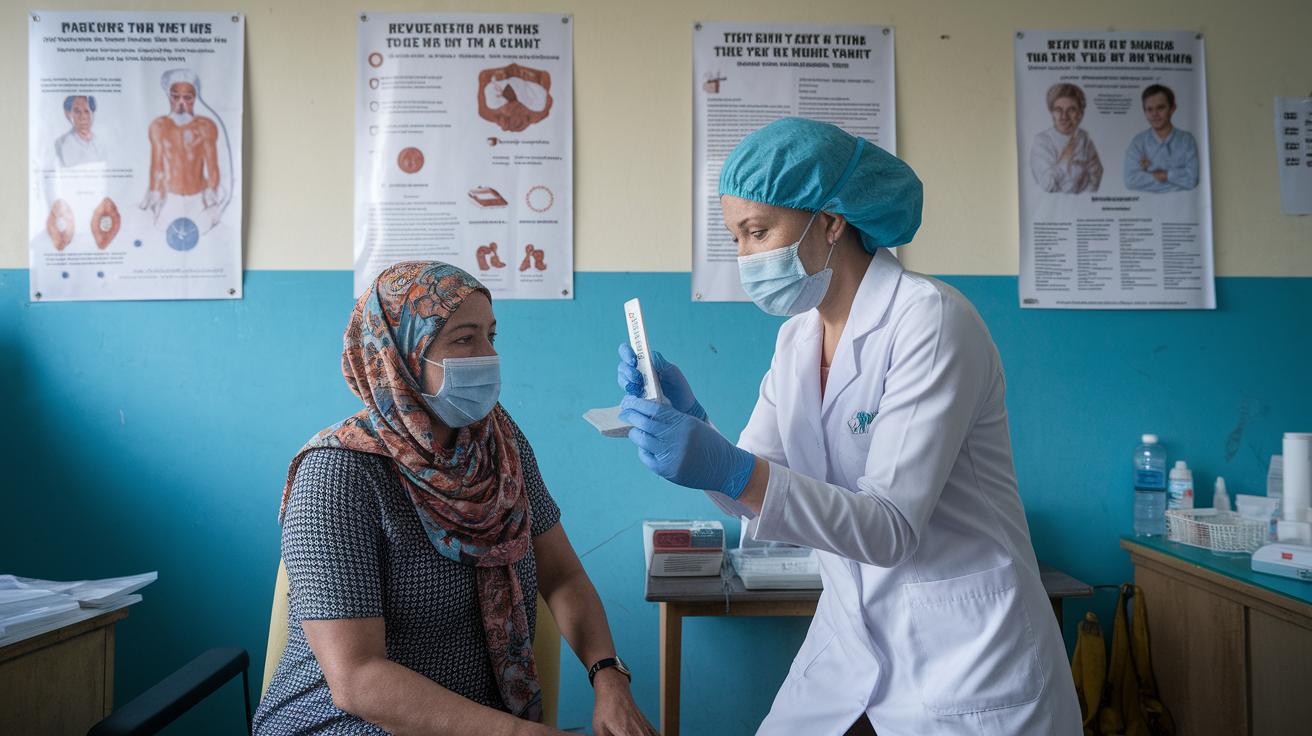
Looking into what might put someone at risk for TB is really important. It helps doctors figure out who could catch the infection by looking at a person’s health history and daily life. This lets them focus on testing and helping those who need it most. In this way, early treatment can stop the spread of TB and make communities healthier.
- Close contact with people who have active TB
- Conditions like HIV or other issues that weaken the immune system
- Diabetes, which can lessen the body’s natural defenses
- Malnutrition that leaves the body more vulnerable
- Very young kids or older adults who have a weaker body system
- Recent travels to places where TB is common
- Living in crowded places such as prisons or shelters
- Working in healthcare settings where exposure might happen
Gathering details about someone’s exposure usually means doing interviews, filling out questionnaires, and checking their medical records. Simple questions about their travel, living situation, and job help paint a full picture of their risk. Also, talking about any known encounters with TB cases makes sure every possible risk is looked into. This careful way of collecting and studying exposure details is a key step in protecting both individuals and neighborhoods from future outbreaks.
Implementing TB Screening Protocols and Evaluation Tools
TB screening protocols are really important for catching possible TB infections early. The process starts with a short questionnaire that asks about a person’s health and travel history. Next, a decision is made between using the tuberculin skin test (TST) or the interferon-gamma release assay (IGRA). The TST involves a small skin injection to see if there is a reaction, while the IGRA is a blood test that checks how the body’s immune system responds to the TB bacterium. After these tests, a chest X-ray helps spot any small changes in the lungs, and a careful review of symptoms completes the overall check-up.
Every part of this method works together to help clinics and workplaces get better results. New digital tools like online screening platforms and easy-to-use worksheets now help organize the steps, reduce mistakes, and make the whole process smoother.
| Screening Method | Advantages | Limitations |
|---|---|---|
| TST | Cost-effective; widely available | May yield false positives in people vaccinated with BCG |
| IGRA | More specific for TB infection | Higher cost and less accessible in some areas |
| Chest X-Ray | Quickly shows lung changes | Does not confirm latent TB infection |
Digital tools now make it easier by automating data collection and tracking tests. These systems connect with electronic health records so that every step, from the first questionnaire to checking symptoms, is logged properly. This smart integration helps reduce manual errors and lets health professionals quickly focus on the cases that matter most.
Utilizing TB Risk Assessment Questionnaires and Checklists

TB risk assessment tools now work hand in hand with our TB screening steps, making sure we don’t cover the same ground twice. They’re built to capture important bits about someone’s health history and possible TB exposure, all in a neat, easy-to-read format. These tools really stand out because their clear layout makes it simple to follow the evaluation process during a routine screening.
We use both basic TB screening questionnaires and in-depth risk assessment checklists. For instance, a simple questionnaire might ask, “Have you lived or worked in an area with high TB rates?” to quickly spot a risk. On the other hand, a detailed checklist breaks things down even further. Think of it like a daily planner divided into sections, one part might ask about a long cough or sudden weight loss, while another asks if the person has been close to someone with TB.
Expert teams take a close look at these forms and update them regularly. They check the questions and scoring methods to make sure everything fits local health needs. This way, the quick screening forms stay easy to use, while the full checklists give a clearer picture of someone’s exposure and symptoms.
Advanced Risk Prediction Models and Digital Assessment Tools for Tuberculosis
New digital tools are changing how we check for TB risk in a way that’s simple and friendly. Online TB self-assessment apps and web calculators take your health details and turn them into clear, everyday insights. Imagine answering a few easy questions on your phone and getting a quick look at your TB risk, it's like having a mini health check right at your fingertips. These digital methods not only simplify things for you but also provide timely and personal results that help you and your doctor decide on the next steps.
On the go solutions are catching on too. Printed TB screening tools and mobile TB screening units bring testing right to your community. With these devices now linked to electronic health records, doctors can quickly collect and review data to match current testing standards. This smart mix of modern technology and trusted methods makes it easier for everyone to understand complex risk data and turn it into simple actions that improve community health.
Clinical Benchmarks and Diagnostic Criteria in Tuberculosis Risk Evaluation
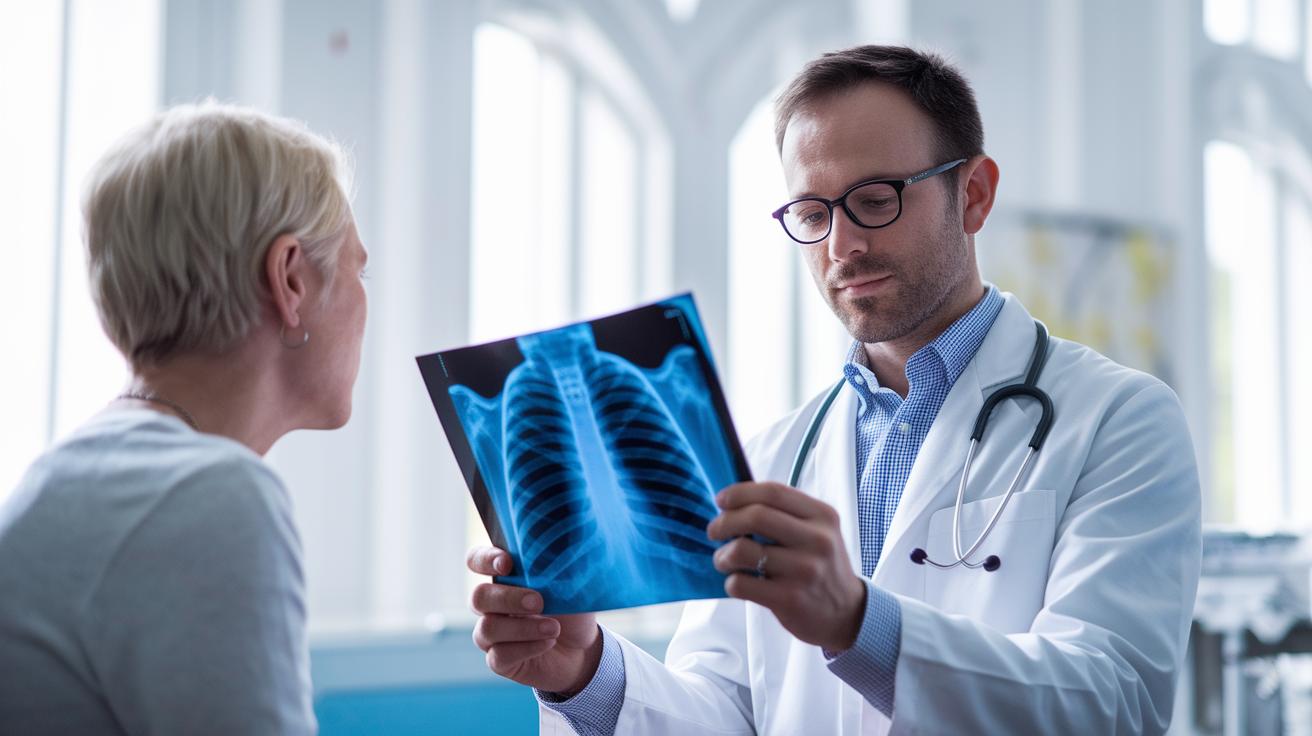
Lab tests play a big role in checking for TB risk. Common tests include sputum smear microscopy, where a sample is examined to spot TB bacteria, and culture tests that grow the bacteria to confirm an infection. There’s also the NAAT, a quick test that finds TB DNA. These tests help doctors figure out the next best steps if TB is a possibility.
Imaging is another important piece of the puzzle. Chest X-rays look for signs in the lungs, like small spots or unusual areas that might point to TB. More advanced scans, like CT scans, offer a closer look at lung tissues and catch details that might slip past a regular X-ray. These clear images give clinicians a better idea of what’s going on inside the lungs.
Talking about symptoms is just as crucial. Patients are often asked if they’ve had a cough that lasts for weeks, unexpected weight loss, or episodes of fever. When these signs are considered alongside lab and imaging results, doctors get a clearer picture of whether TB is the issue. This full view helps them decide if more tests are needed.
Figuring out the difference between latent and active TB needs careful checking. Active TB usually shows up with positive lab tests, odd chest images, and clear symptoms such as a long-lasting cough or fever. In contrast, latent TB might have a positive lab result but won’t show clear signs on an X-ray or obvious symptoms. This careful look helps ensure that everyone gets the treatment that best fits their condition.
Implementing TB Risk Management Strategies and Public Health Guidelines
In clinics and hospitals, tackling TB starts with preventing infections that are not yet causing symptoms. Doctors and nurses work hard to spot these hidden infections early. They schedule regular checkups and send simple reminders to help patients stick to their treatment. This quick action not only stops TB from spreading but also keeps a clear record of each person’s health.
Offices and community centers play an important role too. They run screening programs that ask about symptoms and monitor for warning signs of TB. These places also improve ventilation and use strategies like separating people with symptoms to lower the risk of spreading germs. On-site tests for those at high risk add an extra layer of safety, making everyone feel secure day by day.
Health experts are always updating guidelines based on the latest advice from the CDC and other trusted groups. They mix TB prevention strategies into larger community health programs. For example, many local efforts use community health intervention practices as a model for solid public health planning. By combining care in clinics, regular checks at work, and community outreach, everyone builds a network of support that cuts down TB risks and earns trust among patients and the public.
Final Words
In the action, this article broke down key steps for TB risk assessment. It showed us how structured screening, digital tools, and checklists help clarify exposure risks. We explored methods to evaluate risk factors, use questionnaires, and apply clinical benchmarks for better decision making.
By framing each step with clear explanations and everyday insights, the article leaves you confident about managing health needs. Moving forward, these insights make it easier to integrate a thorough tuberculosis risk assessment into daily health practices.

