
Ever think a small gadget on your wrist could change your workout? A fitness tracker works like a little coach you carry around. It shows you your steps, your heart rate (that means your beats per minute), and even how well you sleep.
In this article, we look at the main features that help you keep an eye on your daily moves and boost your exercise routine. Clear, easy-to-read data makes it simple to check your progress and stay connected to your health.
Essential Features and Benefits of a Fitness Tracker
Fitness trackers are handy little gadgets that help you keep track of your daily activities and overall health. They use built-in sensors, like optical sensors that measure your pulses and accelerometers that catch every movement, to count steps, monitor heart rate, track your sleep cycles, estimate calorie burn, and even gauge VO2 max (a measure of how well your body uses oxygen). These devices are popular because they make it easy for anyone to watch their health status over time.
Think of a fitness tracker as your personal, pocket-sized coach. It gives you real-time insights into how active you are and even helps check your heart rate during workouts or monitor sleep patterns at night. It’s designed for both casual users and serious athletes, ensuring that important health details are always right at your fingertips.
- Counts your steps and logs daily activities
- Uses optical sensors to keep an eye on your heart rate
- Tracks sleep by breaking it down into different stages
- Estimates calories burned and measures how intense your activity is
- Syncs with smartphone apps so you get timely notifications
- Often includes extra sensors like GPS, SpO₂ (which measures blood oxygen), and even stress monitoring
When picking out a fitness tracker, it’s a good idea to look for one with accurate sensors, this is important for getting reliable heart rate and sleep data. Battery life is another key factor, too. Some devices need to be charged every day, while others can last for several days. Also, think about whether it works with your smartphone, fits your budget, and has good user reviews. Keeping these points in mind will help you find a tracker that matches your fitness goals and slips effortlessly into your daily routine.
Comparing Top Fitness Tracker Models for 2025
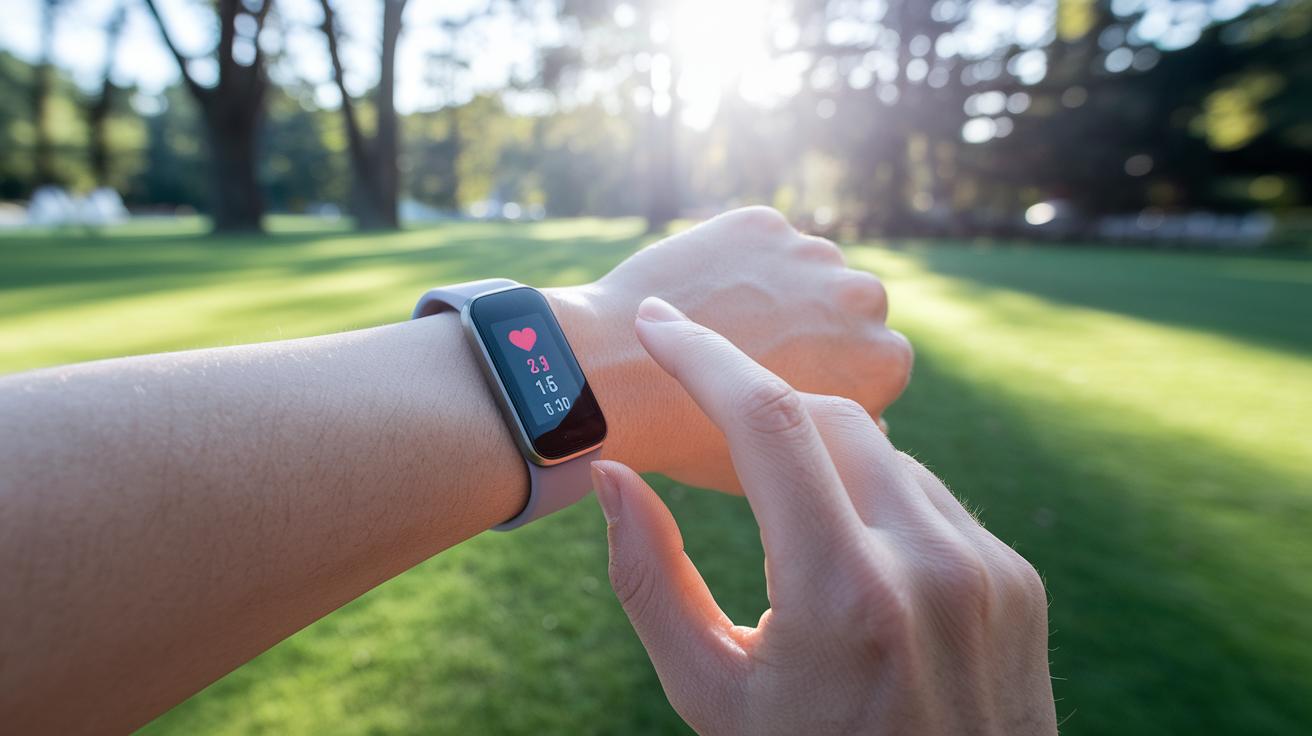
In 2025, fitness trackers are here to suit everyone’s lifestyle. Whether you’re just counting your daily steps or pushing your limits at high-intensity workouts, there’s a device made for you. These trackers combine smart workout tips with a sturdy design, so you never miss a beat. They offer handy features like built-in GPS, sensors that check your health (like monitoring your heart rate variability, which is the natural difference between heartbeats), and long battery life to keep up with your busy day.
| Model | Price | Battery Life | Stand-out Feature |
|---|---|---|---|
| Fitbit Charge 6 | $159.95 | 7 days | Google Maps & Pay |
| Garmin Fenix 7S Pro | $699 | 11–37 days | Solar GNSS |
| Samsung Galaxy Watch Ultra | $399.99 | 100 hours | 32 GB Music Storage |
| Oura Ring 4 | $349 | 7 days | Advanced Sleep Metrics |
| Amazfit Active 2 | $129.99 | 10 days | OLED Touchscreen |
Choosing the right fitness tracker is about matching its strengths with your own health and activity goals. If you love cool extras like built-in payment systems and a variety of sports modes, the Fitbit Charge 6 is a fantastic pick that won’t hurt your budget. For those who need a tracker that can last through long outdoor adventures, the Garmin Fenix 7S Pro is a solid choice. If you like smart tech mixed with multimedia features, the Samsung Galaxy Watch Ultra might be right up your alley. On the other hand, if you prefer something simpler that focuses on tracking your sleep and recovery, give the Oura Ring 4 a look. And for everyday inspiration with a bright, responsive screen, the Amazfit Active 2 stands out as a budget-friendly option. Matching your unique fitness needs with these key features can help boost your workout routine and let you celebrate every little success.
Accuracy and Reliability of Fitness Tracker Sensors
Fitness trackers are clever devices that keep an eye on your health by using tiny, sensitive sensors. They usually include optical sensors (which shine light on your skin to check your heart rate) and accelerometers (that help count your steps and measure your movements). These sensors work like little detectives, watching your heart pulse, how well you sleep, the calories you burn, and each step you take. The numbers they give you can change depending on which model you have and what kind of activity you do. Many of these trackers stick to lab standards, so you can trust them during your workouts.
Some of the fancier trackers take accuracy to the next level. For example, the Fitbit Charge 6 gives heart rate readings that come close to clinical precision. In comparison, devices like the Xiaomi Smart Band 9 might be off by about 3 to 5 beats per minute. The Oura Ring 4 uses updated algorithms, which means its sleep stage errors are usually under 5%. Garmin devices estimate VO2 Max (a measure of how efficiently your body uses oxygen) with only about a 3% difference from lab tests, and they count steps very closely, around ±2% accuracy indoors and roughly ±5% when you’re out on different terrains.
Remember, factors like how well your tracker fits, recent firmware updates, and even skin tone can affect the readings. Even a small change in how you wear your tracker might make a difference, so it’s good to keep an eye on these details.
Battery Life and Charging Insights for Fitness Trackers
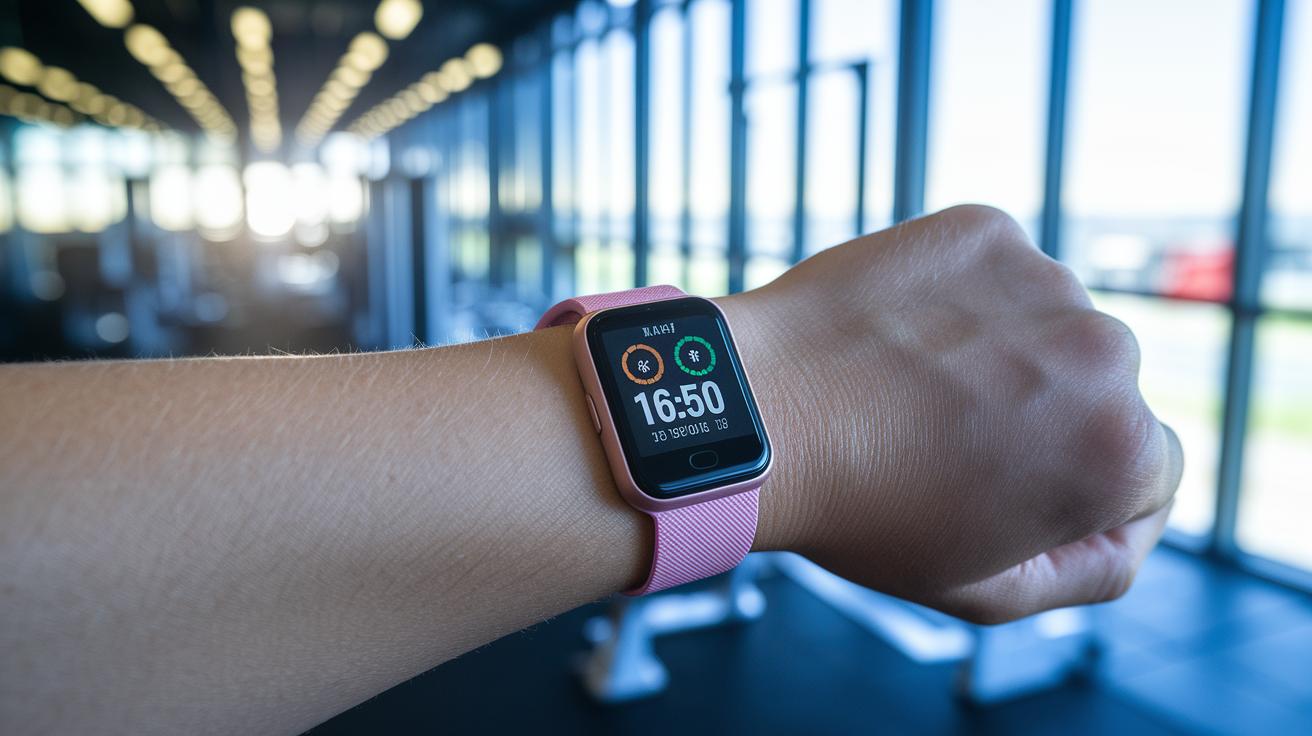
Battery life is super important for any fitness tracker. Your device works like a personal health buddy, tracking every step and heartbeat so you never miss out on important insights. With a battery that lasts, you can enjoy non-stop tracking all day long.
Some devices, like the Apple Watch Series 10, need a daily charge if you’re using them for around 18 hours. This is perfect if you love all the cool features and the crystal-clear display. But if you’d rather not plug in so often, check out options like the Amazfit Band 7, which can go up to 18 days on one charge, or even the Withings ScanWatch Light that lasts an amazing 39 days. They’re great if you want to skip the hassle of charging all the time.
A few models even let you recharge quickly. For example, some Garmin smartwatches add an extra day’s power with just five minutes of charging. And if you choose a ring design like the Oura Ring 4, just make sure you use its special charger to keep it running smoothly every day.
fitness tracker: Boost Your Workout Game
When you pick a fitness tracker, it's smart to think about your smartphone’s operating system and the apps you love. For example, the Apple Watch Series 10 works only with iOS and gives you cool extras like 32 GB of music storage and apps to help manage your health. On the other hand, models like the Fitbit Inspire 3 and Samsung Galaxy Fit3 work smoothly with both Android and iOS, keeping your health data and notifications right where you need them. This way, whether you’re using voice commands, tracking workouts, or sharing on social apps, everything clicks together easily.
There are also plenty of design choices to fit your style. Most people like a wristband because it shows your stats clearly whether you’re exercising or relaxing. If you’d rather keep things low-key, a smart ring like the Oura Ring 4 gives you great sleep insights without feeling too flashy. And clip-on options let you track activity without much fuss. No matter which design you choose, your tracker becomes a handy buddy that keeps an eye on your well-being while matching your everyday look.
Budget is another big factor. Trackers can start as low as $25 and go up to around $429 for high-end models like the Apple Watch Series 10. If you’re watching your spending, the Fitbit Inspire 3 offers essential tracking under $100, while the Garmin Lily 2, designed with women's health and style in mind, sits at about $249.99. This range means you can find a tracker that fits your budget and still packs the smart features you need to up your workout game.
Tips for Maximizing Your Fitness Tracker's Performance
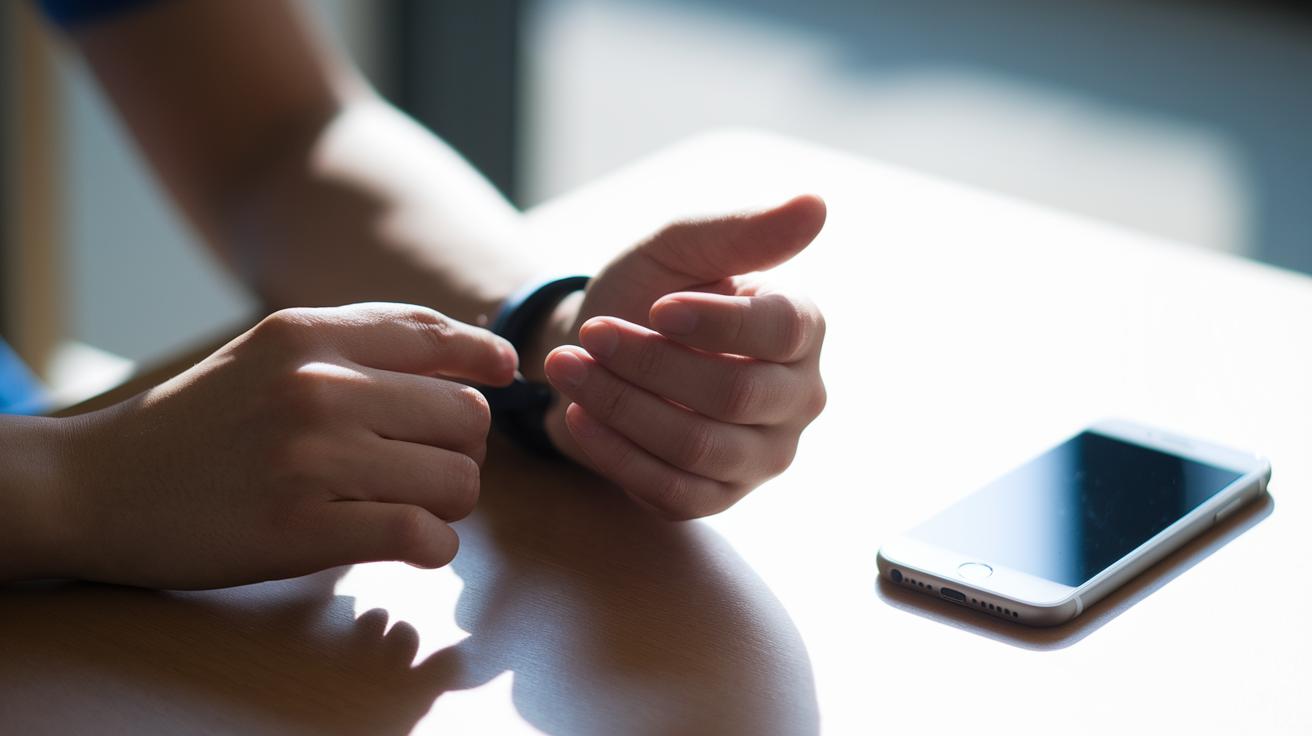
Getting your fitness tracker set up right and keeping it updated is a game changer for your daily exercise insights. When it’s correctly fitted and refreshed with the latest updates, you'll see clearer, more accurate data about your progress.
To start, make sure your tracker fits snugly with just enough wiggle room for two fingers. This proper fit helps the optical sensors catch your pulse perfectly. Don’t forget to sync it every day so you don’t miss any important information.
It also helps to tweak a few settings, like turning off the always-on screen to save battery life, by up to 20%! Regular firmware updates often introduce new features, like insights on strain or recovery, giving you a more complete picture of your workout performance.
Paying attention to small details, such as screen brightness and sleep settings, can really boost your tracker's overall efficiency. Keeping your device clean and charging it at the right times ensures smooth operation and lasting performance.
For some extra insights, pair your tracker with a health app like App for HIIT Workouts. And why not join community challenges or keep a progress journal? These simple steps can make your fitness journey more engaging and keep you motivated every day.
Final Words
In the action, we've explored how a fitness tracker not only counts your steps and monitors your heart rate but also helps you tailor daily habits based on clear data. We broke down key features like sleep tracking, battery life, and design specifics while comparing top models that suit different lifestyles. Each section offered practical tips to get the most out of your device. By using this data smartly, you can boost your well-being and feel great about each new day.
FAQ
What is a fitness tracker app?
The fitness tracker app helps you track daily activity like steps, heart rate, and sleep. It syncs data with your smartphone, making it easy to monitor your progress and overall wellness.
What is a fitness tracker watch?
The fitness tracker watch merges timekeeping and health monitoring. It records steps, heart rate, and more while often delivering notifications and syncing with your smartphone for a complete health overview.
What is a fitness tracker bracelet?
The fitness tracker bracelet offers a subtle way to monitor your daily activity. It tracks steps, sleep, and heart rate, giving you a straightforward view of your health throughout the day.
What do Garmin fitness trackers offer?
The Garmin fitness tracker provides detailed activity insights with features like GPS tracking, heart rate monitoring, and multiple sport modes. It delivers robust data for users seeking comprehensive workout analysis.
What does the WHOOP fitness tracker offer?
The WHOOP fitness tracker focuses on recovery and performance by measuring strain and sleep quality. It helps you understand how your body responds to workouts, supporting better training decisions.
Which wearable fitness tracker is most accurate and the best to buy?
The question of accuracy and quality highlights that many models now offer precise step counting, heart rate, and sleep tracking. The best tracker for you depends on your specific needs and preferences for health insights.
What is a fitness tracker ring?
The fitness tracker ring provides a discreet, finger-worn option for monitoring health metrics. It offers advanced sensors for tracking sleep stages, heart rate, and daily activity, fitting comfortably into your routine.
Are fitness trackers really worth it?
The opinion on fitness trackers is that they’re a worthwhile tool for tracking your daily health benchmarks. They help make sense of activity trends, sleep quality, and heart rate changes to guide healthier habits.
Is there a fitness tracker without a subscription?
The fitness tracker without a subscription allows you to monitor key health metrics without ongoing fees. These devices come with built-in tracking and analysis features that work right out of the box.

