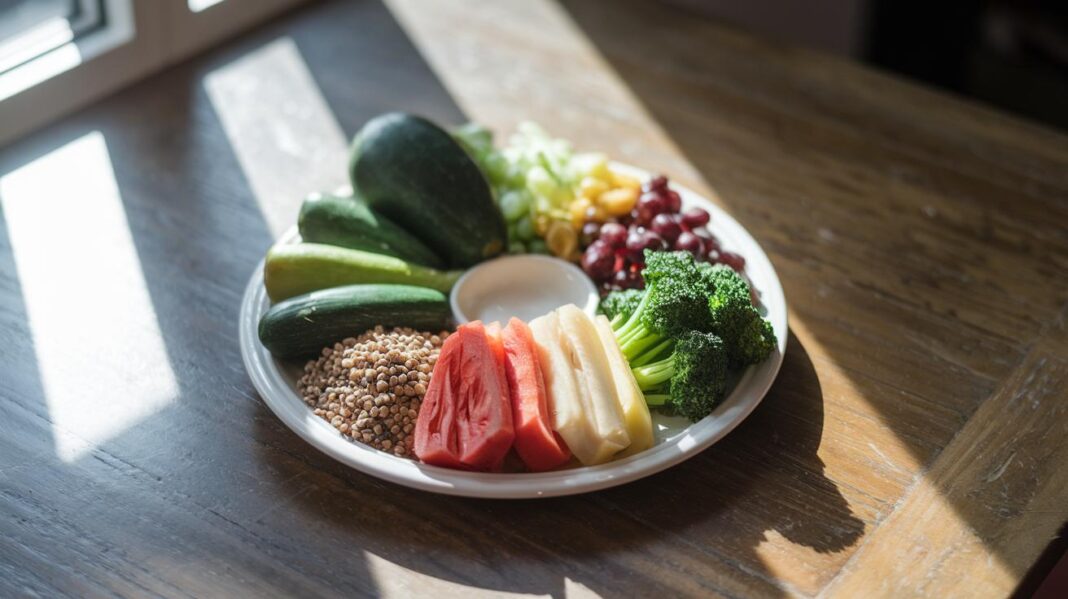
Ever notice how your meals might do more than just satisfy your hunger? Not every dish gives your body the boost it needs. Fresh fruits, lean proteins, and whole grains can be the secret to clearer thinking, steady energy, and a body that feels great.
Every bite plays a part in how you move through your day. When you make mindful food choices, you're setting up a simple but powerful plan for lasting wellness and a truly vibrant life.
Daily nutrition: Radiant wellness through mindful meals
Eating a balanced diet means feeding your body the right mix of good stuff every day so you have the energy to move, think, and even just breathe easily. It’s best to fill your plate with foods like fresh fruits, vegetables, lean proteins, and whole grains because these nutrient-rich choices not only spark energy but also help keep infections and fatigue at bay. When you stick to healthy eating guidelines, you support your body’s natural functions and set up a strong base for everyday wellness. For instance, a colorful meal full of variety can give you a boost of vitamins and minerals that help you feel great.
Every person has different calorie needs based on age, body size, and activity level. Paying attention to these needs is a smart way to maintain steady energy throughout the day. Meeting your nutritional requirements helps you stay active and sharp, while also keeping illnesses away. By choosing nutrient-dense foods for every meal, you create a lifestyle that supports overall health and vibrant living. Little decisions at mealtime can add up to a clear path toward feeling radiant and well.
Balancing Macronutrients for Daily Nutrition

Carbohydrates give us the energy we need to tackle the day. When you plan your meals, choosing whole grains like brown rice, quinoa, and whole wheat bread is a smart move because they pack more fiber and essential nutrients. Think of these whole grains as quality fuel for your body that keeps you powered up throughout the day. Adjusting your carb portions based on how active you are can help maintain steady energy, much like filling your car with good gas for the long haul.
Protein is like the building block for your body. It helps repair tissues, supports muscle strength, and even aids in healing. Whether you enjoy lean meats or plant favorites like beans, nuts, or soy, each offers important protein along with a mix of amino acids, the tiny parts that help keep you strong and full of energy. So, next time you plan a meal, think of protein as a critical piece in the puzzle of staying healthy.
Fats and oils are also important in keeping cells healthy and providing extra energy. But remember, a little goes a long way, too much can add extra calories. Healthy fats from sources such as olive oil, avocados, or fish support key body functions while helping balance your overall energy intake. And since everyone's needs differ based on age, size, and activity level, it's all about finding the right mix for you.
Essential Vitamins and Minerals in Daily Nutrition
Vegetables and fruits are real powerhouses loaded with vitamins, minerals, and antioxidants that help your body run smoothly. When you see a mix of colors on your plate, it means you're getting a range of nutrients. Each color gives you a little boost, whether it’s for a stronger immune system or clearer vision.
Dairy products, like milk and cheese, are great for supplying the calcium your bones and teeth need. Choosing low-fat versions can help you keep an eye on your overall fat intake. And don’t forget about iron from foods like meats and beans, it helps carry oxygen all around your body. Together, these foods create a balanced mix that fuels your day and keeps you feeling energized.
Your daily vitamin and mineral needs can vary based on your age, size, and lifestyle. Sometimes a quick chat with a health professional can help you figure out the right choices for you. When each meal is picked with care, it builds a steady, healthy foundation that supports your overall well-being.
Daily Nutrition Sample Meal Plans

Picture a meal plan that brings both flavor and balance into your day. Using the Healthy Eating Plate model is like following a simple guide: fill half your plate with a mix of colorful fruits and veggies, reserve a quarter for whole grains loaded with nutrition, and set aside the remaining quarter for lean proteins. Whether you’re aiming for about 2,000 calories or closer to 2,500, these examples show you how to enjoy a perfect blend of energy, vitamins, and minerals without stressing over strict serving sizes.
Imagine sitting at a table where each meal is thoughtfully designed, a smart breakfast to boost your morning, a hearty lunch to carry you through the day, light and refreshing snacks, and a dinner that really satisfies. Each dish is planned to give your body the fuel it needs while treating your taste buds to a variety of textures and flavors. And if you need to, you can easily swap items to match your lifestyle or nutrition goals. Even small changes, like adding one more serving of fruit at breakfast or switching between whole and lean proteins at dinner, can power up your energy and overall well-being.
| Meal | Example Foods | Portion Info | Key Nutrients |
|---|---|---|---|
| Breakfast | Oatmeal with berries and a side of Greek yogurt | Smart choice to kickstart your day | Whole grains, protein, antioxidants |
| Lunch | Grilled chicken salad with mixed greens and quinoa | A balanced mix of protein and whole grains | Vitamins, fiber, lean protein |
| Snack | Apple slices with almond butter | A light, nutrient-packed option | Healthy fats, vitamins, quick energy |
| Dinner | Salmon, steamed broccoli, brown rice | Portions following Healthy Eating Plate guidelines | Omega-3s, fiber, complex carbohydrates |
Sustaining Healthy Eating Habits for Daily Nutrition
Mindful eating can really transform the way you enjoy your meals. Try taking it slow so you can savor every bite and notice when you’re truly hungry. This simple change helps manage your portions without feeling stuffed. And remember, water is your best friend, it’s like fuel for your body. It aids digestion, moves nutrients around, and gives you a natural, steady boost day after day. For more tips, explore ideas on balanced meals and staying well-hydrated.
Building lasting healthy eating habits is all about planning your meals, keeping an eye on what you eat, and sometimes even talking to a dietitian. Reviewing your choices helps you tweak your portions to fit your daily energy and lifestyle needs. By focusing on whole, nutrient-rich foods, you’re setting up a routine that supports your overall wellbeing. Small, thoughtful tweaks at mealtime can make every bite count, paving the way for a healthier, more vibrant you.
Final Words
In the action, you discovered how daily nutrition supports a healthier lifestyle. The post broke down essential nutrient guidelines, balanced meal ideas, and smart eating habits while showing how mixing carbohydrates, proteins, and fats can keep you energized. It also highlighted ways to include key vitamins and minerals for overall vitality.
The tips provided empower you to make informed, enjoyable changes. Keep experimenting with balanced meals and hydration to feel more energetic every day.
FAQ
What does a daily nutritional requirements chart or PDF usually include?
A daily nutritional requirements chart shows how much of each nutrient you need for a balanced diet. It breaks down calories and nutrient percentages and is often available as a downloadable PDF.
How do daily nutritional requirements differ by age and gender?
Daily nutrition guidelines vary based on age and gender. Women, men, and children need different amounts of calories and nutrients, and online calculators can help tailor these recommendations.
What should my daily nutrition include?
Daily nutrition should include fruits, vegetables, whole grains, lean proteins, and healthy fats. This mix provides the energy and key nutrients needed to support everyday bodily functions.
What are the 7 daily nutrients?
The 7 daily nutrients refer to the key components our bodies require: carbohydrates, proteins, fats, vitamins, minerals, water, and fiber. These elements support energy, growth, and overall health.
What is the 5 20 rule?
The 5 20 rule is a guideline suggesting that your daily diet be balanced in five main food groups, with around 20 percent of your calories coming from each group to support sustained energy levels.

