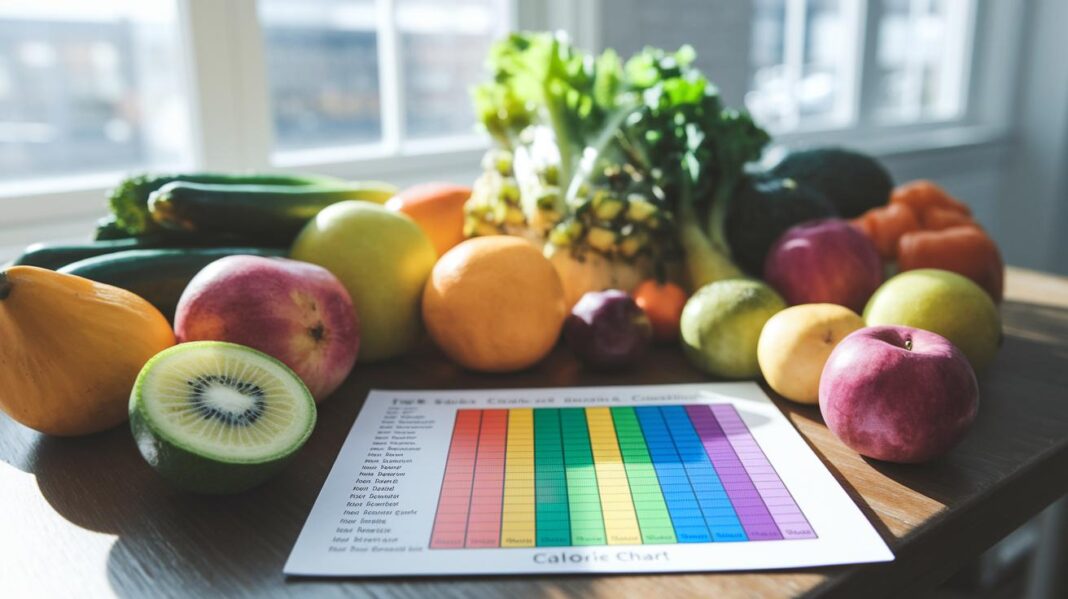
Ever wonder if you're really giving your body the fuel it needs? A calorie chart is a handy tool that shows you how much energy is in common foods. In just a glance, it helps you plan meals that match your daily energy needs. This simple guide makes it easier to watch what you eat and keep your energy up throughout the day. Keep reading to see how knowing these numbers can help you make more mindful, effective food choices every day.
Comprehensive Calorie Chart for Common Foods
Most women need around 1,600 to 2,400 calories a day, and most men require about 2,000 to 3,000 calories daily. But remember, everyone burns calories differently. Your body uses about 60% of its daily calories just for basic functions like breathing and digesting food (this is called your basal metabolic rate). This chart helps you see how the calories in different foods fit into your day.
A simple calorie chart like this one can guide you when planning balanced meals. It shows you how much energy each food item gives so you can adjust your meals to meet your goals, whether you're keeping your weight steady or trying to lose a few pounds.
| Food Item | Serving Size | Calories |
|---|---|---|
| Apple | 1 medium | 95 |
| Banana | 1 medium | 105 |
| White Rice | 1 cup cooked | 205 |
| Broccoli | 1 cup chopped | 55 |
| Grilled Chicken Breast | 3 oz | 140 |
| Whole Wheat Bread | 1 slice | 80 |
| Almonds | 1 oz | 160 |
| Eggs | 1 large | 70 |
| Greek Yogurt | 1 cup | 130 |
| Carrots | 1 cup sliced | 50 |
Use this guide to set your portion sizes and tweak your meal plans to match your daily calorie goals. Compare your food intake with the chart, and plan your breakfast, lunch, dinner, and snacks in a way that helps you feel balanced all day long.
Using a Calorie Chart to Plan Your Daily Intake
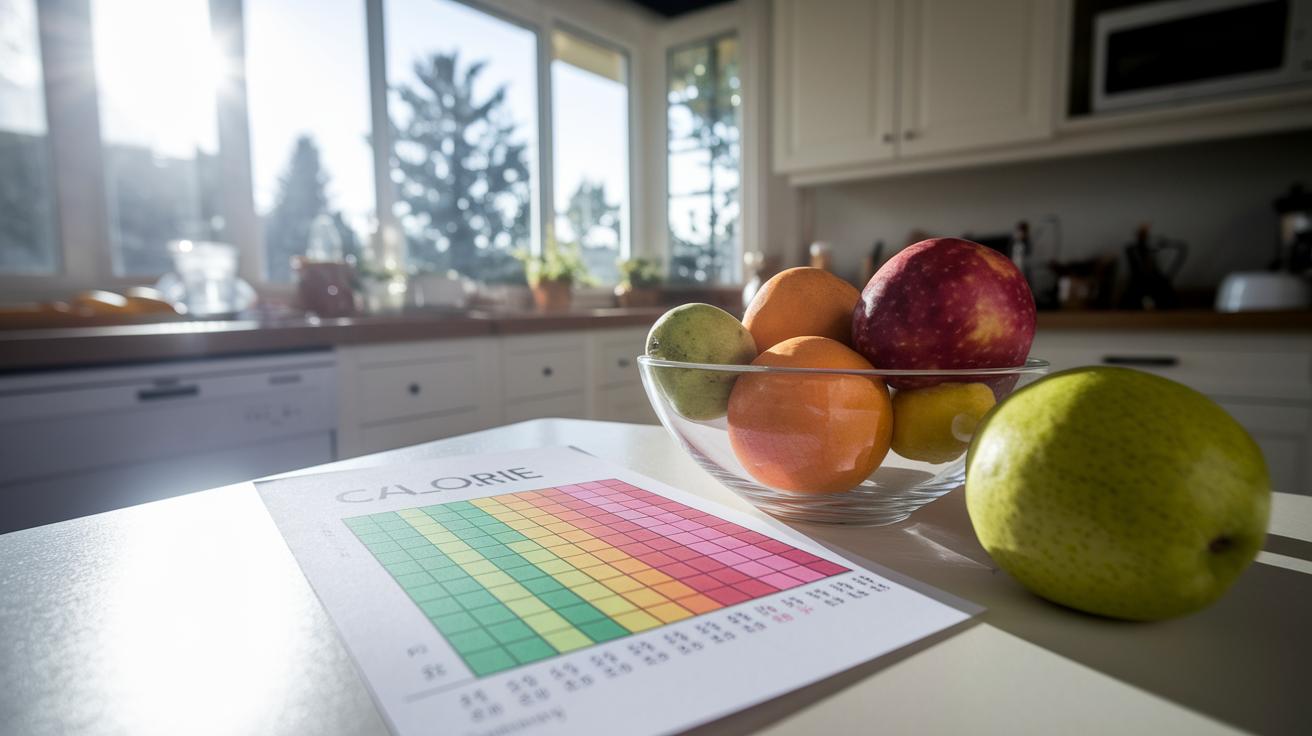
A calorie chart is a handy tool that lets you line up your daily food choices with what your body really needs. It breaks down a 2000-calorie plan, or any other target you choose, into simple, visual steps. Paired with advice from a balanced diet for weight management, it shows you how your meals add up and where small tweaks can lead to big improvements.
To set up your personal calorie plan, try these steps:
- First, work out your Total Daily Energy Expenditure (TDEE). This number shows how many calories your body burns in a day.
- Next, choose your target calorie amount by referring to advice like that from a balanced diet for weight management.
- Then, divvy up your calories across each meal using the chart.
- Keep track of every bite you take.
- Finally, fine-tune your plan as you go along by watching your progress.
By keeping an eye on your numbers and making small changes, you turn your calorie chart into a practical guide that helps your food choices match your body's needs.
Custom Calorie Charts for Specific Dietary Goals

When you tailor your calorie chart, you're setting up a plan that fits exactly what your body needs. Everyone's metabolism, activity level, and body type are different, so one chart doesn't work for everyone. By adjusting your chart, you can pick foods and portion sizes that match your lifestyle, whether you're into plant-based meals, need a steady blood sugar level, or have dietary changes because of age or gender.
Vegan Calorie Blueprint
If you're sticking with a plant-based diet, try including hearty foods like beans, tofu, quinoa, and plenty of fresh vegetables. Adjust your servings so you're fueling your body without skimping on energy. For example, you might say, "I swapped my usual protein for a big serving of lentils, and it kept me going through the afternoon." These small switches help you maintain a balanced mix of protein, fats, and carbs.
Diabetic Calorie Protocol
For those keeping an eye on blood sugar, focus on foods that digest slowly and help balance sugar levels. Think of choosing whole grains instead of refined options and pairing fruits with a bit of protein to slow down sugar spikes. For instance, switching from white bread to whole grain can help keep your energy steady during the morning.
Gender and Age-Specific Guidelines
Calorie needs can change a lot based on gender and age. Younger folks might need more energy, while older adults may benefit from fewer calories to avoid extra weight gain. Adjust your serving sizes and food choices to match what your body really needs. And don't forget to chat with a health professional to fine-tune your plan for the best results.
Interpreting Calorie Chart Data with BMR and TDEE

BMR stands for basal metabolic rate. It’s the number of calories your body burns just by being alive, keeping your heart beating and helping you breathe, even when you’re not moving. In fact, your BMR accounts for around 60% of the calories you use each day. Think of it like your body quietly running on its own power while you sleep.
TDEE means total daily energy expenditure. It takes your BMR and adds the calories you burn from activities like walking your dog or doing chores. This number shows the full picture of how much energy you use in a day, which makes it easier to plan your meals and manage your weight.
When you add these values to your calorie chart, start by calculating your BMR using a standard formula. For example, a 30-year-old woman might have a BMR of about 1,400 calories. If she burns another 300 calories through everyday activities, her TDEE is roughly 1,700 calories. Similarly, a 40-year-old man could have a BMR near 1,600 calories, and with an extra 500 calories from daily activity, his TDEE would be around 2,100 calories.
Calorie Chart: Energize Your Eating Plan
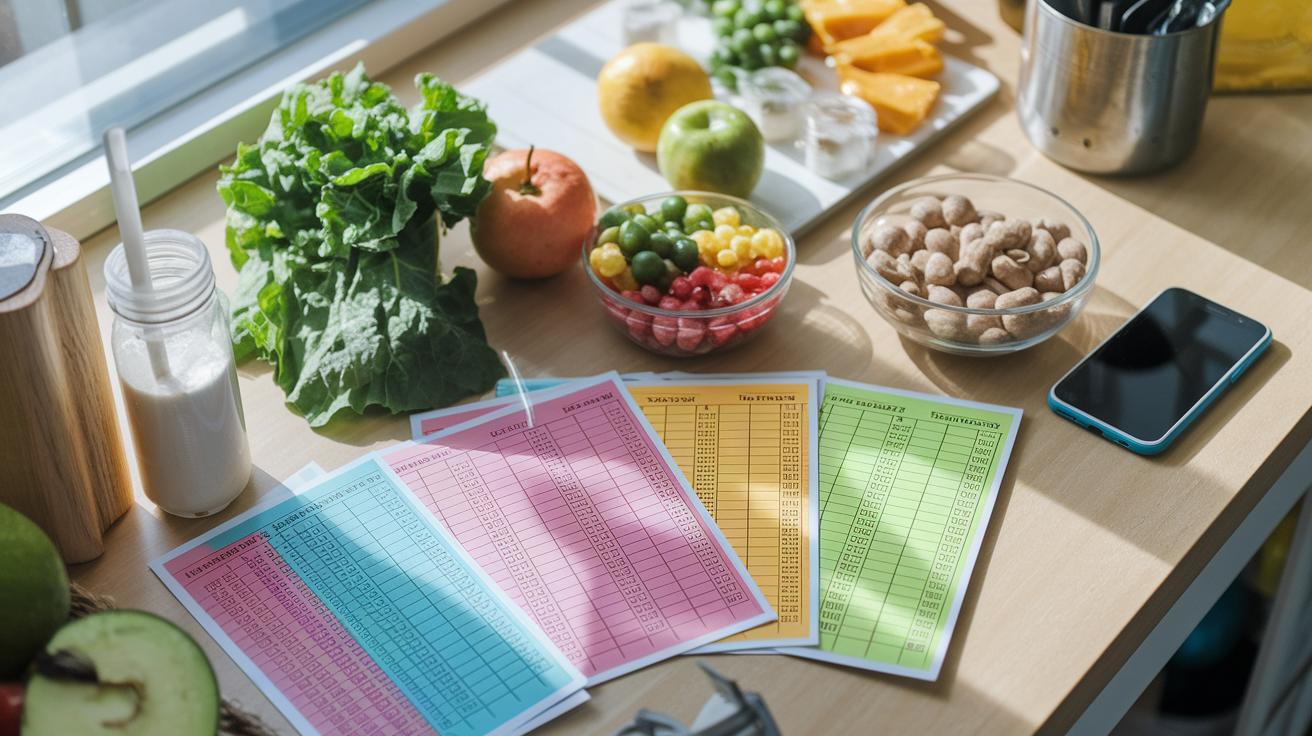
PDF guides are a quick and handy tool to see your calorie intake at a glance. These printable charts come in sizes you can customize to fit right into your kitchen space. They’re made to help you plan meals easily and control portions with clear, readable text, so you can keep track of your energy needs without a fuss.
Spreadsheet templates are dynamic helpers for following your daily intake over time. With easy-to-use, filterable categories, they let you organize your meal prep just like creating a balanced meal plan. These free downloads update with your changing habits, making it a breeze to keep everything in check.
Laminated sheets offer a long-lasting, wipe-clean option perfect for busy days at home. Keeping one on your fridge gives you a quick look at your calorie goals while you plan your meals. It's an at-a-glance reminder that makes healthy eating feel almost effortless.
Top Calorie Chart Tools and Apps for Everyday Tracking

Calorie tracking apps make it easy to keep an eye on what you eat. They come with handy features like digital dashboards and interactive calorie calculators that update in real time so you can see how your meal choices match up with your daily energy burn. Many of these apps even link with your activity data, showing exactly how your workouts change your calorie balance. This clear feedback helps you adjust your food choices to keep your energy levels just right.
- CalTrack: This app shines with its quick barcode scanning that gives you nutritional details at a glance.
- NutriSync: It offers a live macronutrient breakdown (that means proteins, fats, and carbs) so you can get a better grasp of your meals.
- FitFuel: With its interactive calorie calculator, you can play around with different meal plans easily.
- MealMaster: It combines a simple, mobile tracking experience with an easy-to-use interface to help you stay on top of your daily intake.
When picking the best tool for you, think about your daily routine and the way you like to see your data. Look for an app that automatically syncs with your activities and provides clear, easy-to-read reports so you can plan your meals with confidence. Try out a few options to find the one that best fits your lifestyle and keeps your eating plan energized.
Final Words
In the action, this article reviewed daily calorie needs along with how BMR and TDEE influence our energy levels. It explained the simple steps for using a detailed food guide and practical tools, including printable and digital resources that help track intake easily.
The calorie chart makes planning balanced meals straightforward and helps tailor your daily routine. Enjoy using these insights to make informed choices and celebrate every small win on your path to better health.
FAQ
What does a calorie chart for weight loss provide?
The calorie chart for weight loss provides a list of common foods with their calorie counts to help you choose portions that support gradual weight loss through balanced daily intake.
What is a Food Calorie Chart PDF Download?
The food calorie chart PDF download offers a ready-to-use guide with calorie values for various foods that you can download and print, making it easy to reference on the go.
What is a calorie chart for weight gain?
The calorie chart for weight gain lists foods with higher calorie counts, helping you increase your daily intake steadily if your goal is to gain weight in a healthy way.
What does an Indian Food Calorie Chart PDF include?
The Indian food calorie chart PDF includes calorie counts for popular Indian dishes along with serving sizes, making it simple to manage dietary choices in an Indian cuisine context.
What is a printable food calorie chart?
The printable food calorie chart allows you to have at-a-glance calorie information for everyday foods on paper, aiding in portion control and meal planning at home or on the move.
What is a free calorie chart?
The free calorie chart is an online resource that provides calorie details for numerous foods without any cost, making it accessible for anyone looking to monitor their daily calorie intake.
What does a protein per calorie chart show?
The protein per calorie chart displays the amount of protein contained in foods relative to their calories, helping you select meals that offer higher protein density within your calorie limits.
What is a Calories Chart PDF?
The calories chart PDF is a downloadable document summarizing the calorie content of many food items, which you can use as a quick reference to plan balanced meals.
How many calories should I eat for my age and size?
Your calorie needs depend on your age, size, activity level, and metabolism; generally, women require roughly 1,600–2,400 calories and men about 2,000–3,000 calories per day for maintenance.
What does the 4 4 9 method refer to?
The 4 4 9 method refers to using the standard calorie counts—4 calories per gram for proteins and carbohydrates and 9 calories per gram for fats—as a guide for estimating the energy provided by different nutrients.
Is 1500 calories a day enough for a female?
The adequacy of 1500 calories a day for a female can vary based on activity level and metabolic rate; it may work for some, but it’s best to adjust according to individual energy needs.
How many calories should I eat for weight loss?
For weight loss, you typically need fewer calories than for maintenance; many aim to reduce daily intake by about 500 to 750 calories to lose 1–2 pounds per week while accounting for personal activity levels.

