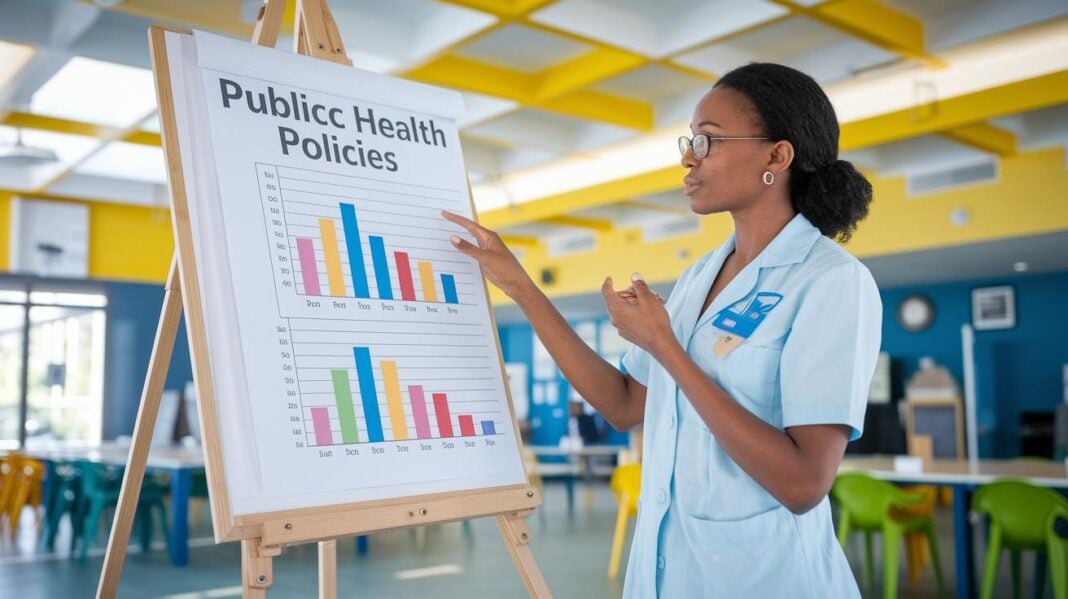
Have you ever wondered if a smart policy could save more lives than the latest high-tech solution? Public health policies take solid research and turn it into simple steps that keep us safe every day. They give communities clear plans to stop diseases before they spread too far. Think about a vaccination program that not only protects you but also builds good habits and cuts down on hospital visits. This article shows how strong policies use real data to guide fast, effective actions that really make a difference in our communities and economies. So let’s dive in and see how these smart policies spark progress and help protect us all.
How Public Health Policies Prevent Disease Outbreaks
Public health policies are all about turning research into real actions that help our communities stay healthy. They set clear plans to stop diseases before they can cause widespread harm. For instance, think about a vaccination program that not only gives people routine shots but also explains easy ways to stay healthy. Did you know that even simple vaccines can boost life expectancy and cut down on serious hospital visits?
Global groups like the WHO and CDC create easy-to-follow guidelines that many countries use. They help build systems that focus on stopping disease right away, catching it early through screenings, and managing it well to help people live better lives. This kind of approach saves lives and helps keep our economies stable. In fact, strong health policies can reduce global losses by up to 15% each year!
Policies built on solid data really make a difference. When governments use clear, real numbers, they can make smart choices that protect everyone. It’s one thing to have a plan on paper, but another to see it making a real impact in your community. By following well-researched steps, public health efforts ensure that every action is backed by trustworthy information.
Regulatory Frameworks and Mandates in Public Health Policies
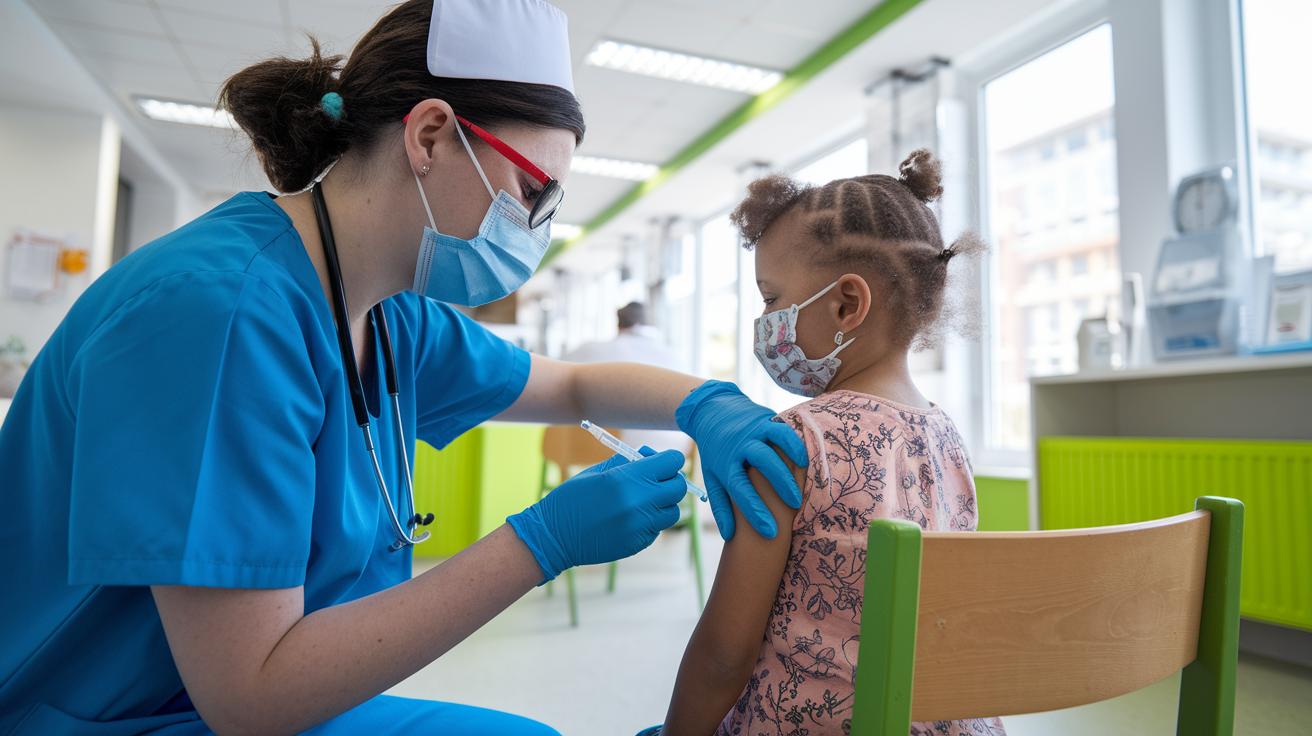
Regulations keep our communities safe by setting clear rules that help stop illnesses. They require vaccinations for diseases like measles, polio, and COVID-19, and make sure food labels show accurate information about calories, fats, sugars, and vitamins. One local clinic even ran a small vaccine program before a big push, and soon over 90% of the community was immunized in just a few weeks.
Vaccination Policy Directives
Vaccine mandates are managed by expert groups and backed by the law. This approach makes sure vaccines are given in a consistent and safe way, building a stronger, healthier community.
Nutrition and Labeling Regulations
Food labels must clearly list key nutritional information so you can make informed choices. Strict checks ensure that companies stick to these guidelines, making it easier for everyone to understand what they’re eating.
Environmental Health Standards
Environmental health rules cover important areas like water quality, air cleanliness, and proper sanitation. These regulations help ensure that everyone has access to clean water and fresh air, which cuts down the chances of disease from environmental issues.
| Policy Type | Description | Objective |
|---|---|---|
| Vaccination Mandates | Rules that require vaccines for diseases like measles, polio, and COVID-19 | Boost community immunity and safety |
| Food Labeling Regulations | Standards ensuring nutritional info is clear on food packages | Help people make informed food choices |
| Environmental Health Standards | Guidelines focusing on clean water, air, and sanitation | Reduce disease risks from environmental issues |
Evidence-Based Research Driving Disease Prevention Policies
Research in medicine is crucial for shaping the way we care for our communities. Experts gather real-world numbers and everyday details from people and regions to guide how health programs are built. It’s a bit like putting together a puzzle, each piece of data helps show which health actions work best.
For instance, a study might show that getting vaccinated can reduce hospital visits, or that early cancer screening leads to better outcomes. When researchers share these clear results, trusted advisors can update policies to ensure everyone gets the best care possible. This science-first approach helps governments and health organizations use proven solutions to keep us all safer.
Evidence-based actions include:
- Immunization programs that fight off infectious diseases
- Guidelines for early detection through cancer screenings
- Initiatives to help people quit smoking
- Community programs that promote good nutrition and active lifestyles
- Harm reduction services, such as needle exchange programs
This method makes sure that every public health decision is backed by solid data and real-life results, guiding plans that keep our communities healthier.
Community Engagement and Collaboration in Public Health Policies

Local communities add real strength to public health policies when they join in and share responsibilities. By creating community-based wellness programs, individuals get the chance to learn about health through education, local immunization events, and improved access to nutritious food. Working side by side, community members and organizations can shape policies that lower health differences. Town halls, online outreach, and stakeholder meetings open the door for honest conversations and give everyone a chance to help design programs that meet their unique needs.
Role of Local Health Departments
Local health departments are at the heart of community health work. They bring important resources right into neighborhoods. For example, these agencies set up town hall meetings so residents can talk about their most urgent needs and challenges. They also run local immunization events and offer hands-on health workshops that provide everyday solutions. Their direct involvement makes sure public health efforts are both reachable and suited to local conditions. In short, their work builds a network of support that tackles health issues right at the neighborhood level.
Cross-Sector Partnerships
Teams made up of government bodies, private companies, schools, and NGOs are key to addressing big issues like housing, education, and food security. These partnerships mix different types of know-how and shared resources to create well-rounded wellness plans. They host stakeholder meetings and use digital outreach tools, like simple online health communication methods, to share ideas and keep track of progress. By joining hands on public health policies, these groups make sure that efforts are multi-layered, ethical, and geared toward making communities tougher against illness.
Surveillance and Emergency Response Protocols in Disease Prevention
Advanced biosurveillance systems are changing how health officials spot new threats. They use things like electronic health records and mobile reports to catch unusual patterns early, often before an outbreak spreads much. For example, when a small clinic saw a sudden rise in flu-like symptoms, quick data analysis led to a citywide alert. It’s fascinating that electronic monitoring can uncover public health shifts just a few hours before many show symptoms.
Emergency response protocols then jump in to keep everyone safe. They call for careful case investigations, contact tracing (checking who might have been around sick people), and fast quarantine measures to stop the spread. In one case, health workers tracked down people who had been in contact with just a few patients and created isolation zones. This swift action stopped a small cluster from turning into a full-blown crisis.
Local, state, and federal teams work closely together through centralized oversight, sharing data in real time. This means that as soon as any warning sign pops up, every level of government gets the information and is ready to act. New technologies and simple, smart tools help speed up this process and make it more accurate, giving responders a big boost in protecting our communities.
These smart monitoring networks and rapid response strategies are vital for making sure that health threats are met with quick, coordinated, and effective action.
Evaluating and Adapting Public Health Policies for Future Threats

Policy impact assessments help shape the ways we protect our communities. Health officials check on things like how often a disease happens, how many people get vaccinated, and even how much money is saved in healthcare. For instance, if a flu outbreak causes a drop in vaccination rates, officials can quickly spot the problem and step in to fix it.
But it’s not all about numbers. These checks are really about making life better over time. Officials look at both economic and social factors, similar to studies on the Affordable Care Act, to see how prevention efforts have cut healthcare costs and improved access to care. They even share this data through resources like the impact of preventive care on healthcare outcomes to help guide future decisions.
Adaptive policy design is also a key part of this process. Real-time data from surveillance systems and feedback from community groups come together to form a clear view of new issues. When a new health threat appears or old guidelines need a refresh, experts use this feedback to update policies fast. Think of it like tweaking your favorite recipe, a little change can make a big difference in how well everything turns out.
Local clinics, hospitals, and community leaders all share their insights so that policies can keep getting better. Governments adjust their strategies based on up-to-date trends, ensuring that policies remain effective against new risks. This ongoing review and adjustment mean we’re always ready to tackle the next health challenge.
Final Words
in the action, we explored how legal rules work with up-to-date research to keep communities safe. We touched on vaccine mandates, nutrition rules, and clear guidelines on water, air, and sanitation. We also saw how solid research and local collaborations build a strong response when health threats emerge. All these parts help shape public health policies for disease prevention. When we blend data with hands-on community work, we create a path for a healthier and brighter tomorrow.

