
Have you ever wondered if we could stop diseases before they ever start? Research shows that taking early action, like getting vaccinated and choosing healthy habits, can actually save lives. Even small improvements in community health can help people work better and ease the strain on our healthcare systems.
In this post, we explore how careful research drives strategies that lower the risk of illness and build stronger, healthier communities. Let’s dive in and see how these proven methods can make a real difference in our everyday lives.
Core Principles of Evidence-Based Disease Prevention Methods
Evidence-based disease prevention uses research-backed plans to help keep us healthy. These methods help shape public health policies that guide actions from neighborhood clinics to global projects. Big organizations like the World Health Organization and agencies like the CDC work hand in hand with local leaders, using study results to fight against both fast-spreading infections and long-term illnesses.
Intervening early and maintaining healthy habits are at the core of these strategies. Research shows that stopping diseases before they start not only saves lives but also boosts how well our economy works. When poor health holds people back, global productivity can drop by as much as 15% each year. In short, investing in prevention pays off. Did you know that just a 10% improvement in community health can drive productivity gains that surpass healthcare costs?
Studies on preventive care also guide the creation of new health policies. By mixing findings from large clinical studies with local research, health agencies can tailor their programs for new risks. This research-driven approach makes sure that measures, from vaccination programs to wellness education, are based on solid evidence. It empowers communities to act early, lowering the chance of sickness and easing the load on our healthcare systems. In doing so, these methods help keep people safe and support a strong economy.
For more details on how prevention boosts our economy and work output, check out “Impact of preventive care on healthcare outcomes” at https://medsfax.com?p=858
Primary, Secondary and Tertiary Prevention in Evidence-Based Disease Prevention Methods

Primary prevention is all about stopping a disease before it even starts. It includes simple steps like getting vaccinated and learning about healthy habits. For example, taking your flu or measles shot can help keep infections away from you and your community.
Secondary prevention focuses on finding health issues early. Regular checkups and screening tests help spot problems when they’re just beginning. This early detection means doctors can act quickly and stop diseases from getting worse. It’s like catching a small leak before it becomes a big problem.
Tertiary prevention deals with managing long-term conditions such as diabetes or heart disease. With ongoing care plans and regular monitoring, patients receive personalized treatment to help them live better lives. Clear guidelines and research-backed protocols ensure that healthcare providers give consistent and effective care.
Together, these three levels form a complete approach to keeping us healthy by using proven methods and data-driven steps.
Lifestyle Adjustment Interventions for Evidence-Based Disease Prevention Methods
Lifestyle adjustment interventions give you simple, research-backed tips to lower the risk of chronic diseases. Regular activities, like a planned exercise routine, can lift your mood and help keep your heart healthy. For example, adopting a habit of walking or cycling can greatly reduce your chance of heart problems, much like the advice shared in “Prevention of cardiovascular disease.”
Eating right is just as important. A balanced diet full of fruits, vegetables, and whole grains helps keep your energy steady and your weight in check. Getting tips from dietary counseling makes it easier to choose foods that can lower blood pressure and boost overall well-being. Think of it as choosing your daily superfoods, similar to the ideas in “Foods that help lower blood pressure.” Weight management programs also encourage mindful eating and proper portion control, which helps support a vibrant, active lifestyle.
Quitting smoking plays a key role too. By cutting out tobacco, you reduce your exposure to harmful substances, which lowers the chance of many long-term health issues. Community-based wellness services, such as local support programs and counseling sessions, are there to guide you through these changes, making it easier to stick with your personal health plan.
When you add up these lifestyle changes, regular exercise, better nutrition, and a smoke-free life, the positive effects multiply. They boost your energy, lift your mood, and improve your long-term health. These everyday shifts not only lessen the strain of chronic diseases but also build a stronger, more vibrant community.
Secondary Prevention and Early Detection Tactics in Evidence-Based Disease Prevention Methods
Catching health issues early plays a huge role in keeping us well. Regular checkups and screenings for things like breast, cervical, and colorectal cancer help spot problems before they get worse. For example, one screening found an early tumor, showing how a timely test can completely change a patient’s life.
Using the same steps in every test means that everyone gets the same careful attention. Think of it like following your favorite recipe where every ingredient is measured just right to ensure a consistent and reliable outcome.
Doctors and healthcare teams look at the screening results to see if things need to change. They might decide to adjust how often tests are done or concentrate checks on certain groups. Sometimes, the data will show that a particular age group should be tested on a different schedule to keep the results effective.
- Tests done the same way in every care setting
- Better accuracy thanks to a clear, uniform process
- Adjustments to screening schedules based on real data
- A complete, easy-to-follow approach to early detection and prevention
Immunization Effectiveness and Vaccine Outcome Analysis in Evidence-Based Disease Prevention Methods
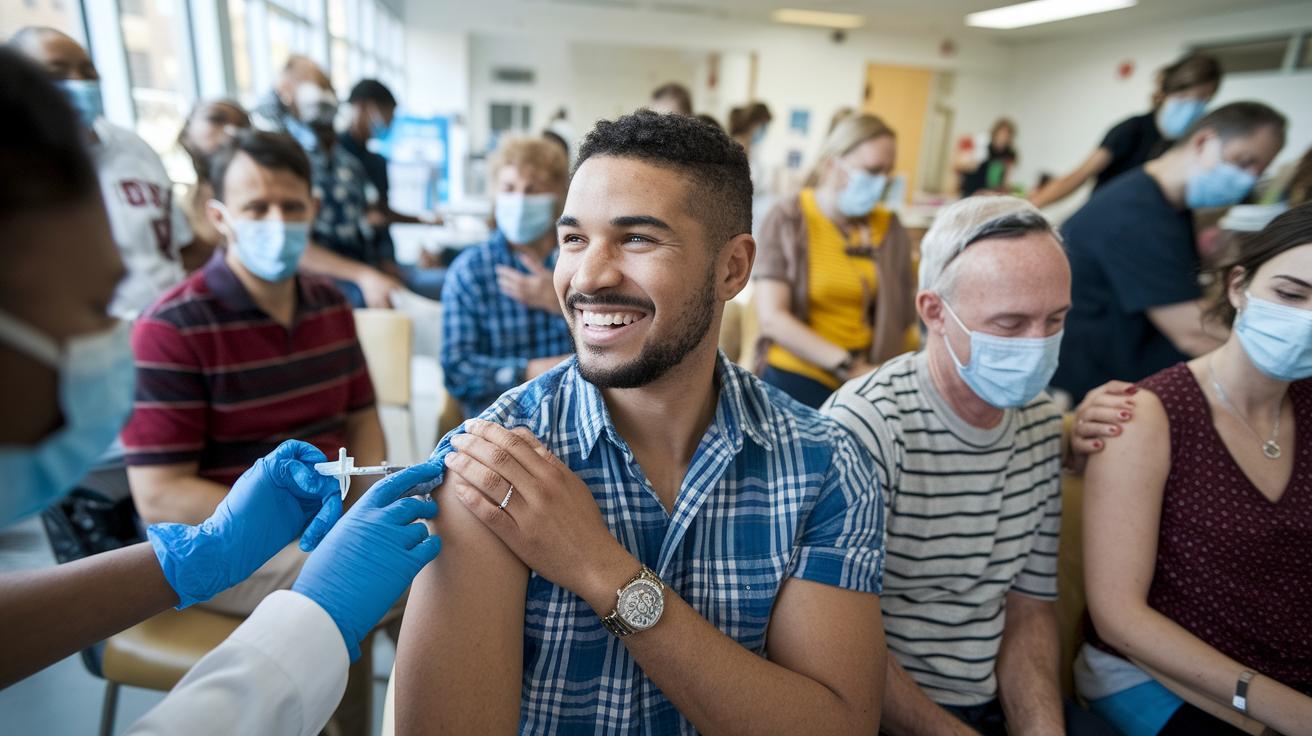
Vaccine programs are key to stopping outbreaks of illnesses like the flu, measles, and COVID-19. They help protect entire communities by giving everyone a dose of what we call herd immunity. Imagine your neighbors coming together at a local flu shot event, each person not only protects themselves but also builds a shield for everyone around them. Many studies have shown that vaccines work well and are safe for people of all ages.
All around the world, prevention efforts are teaching us more about the power of vaccines. Big health organizations team up with local groups to keep track of how well these vaccines do their job. They collect clear, simple data that shows how vaccines cut down the spread of diseases. Health experts use this information to make sure vaccines are working just as they should.
Keeping an eye on vaccine results is really important. It tells us how much immunizations can lower the chances of getting sick. The data has even shown that quick and focused community vaccination drives can drop infection rates significantly. This knowledge helps us adjust our plans whenever new health challenges come up.
When all this data comes together, it really highlights the value of working together, both globally and right here at home. The strong evidence helps support ongoing vaccine efforts that protect lives and keep our communities healthy and strong.
Public Health Safeguard Policies in Evidence-Based Disease Prevention Methods

When communities use clear and coordinated health policies, they set the stage to prevent disease before it starts. These policies make sure everyone can get healthy food, enjoy safe places to exercise, and feel prepared for emergencies. Think of a small town that turns an unused lot into a colorful community garden with safe walking paths. It’s a simple change that brings big benefits.
Community wellness programs play a big role too. They educate people about nutrition and exercise and use everyday data to see what works best in each neighborhood. This real-time information helps local leaders adjust their programs, much like setting up a regular health fair with free screenings and fitness classes.
- Programs that teach residents about nutrition and staying active
- Systems that track local emergency responses and trends in outbreaks
- Government steps aimed at creating safe public spaces and better local food options
By keeping a close eye on data and fine-tuning their approaches, officials can cut down the spread of diseases. Regular updates and quick responses ensure that public health policies always stay current with the latest research and community needs. This mix of top-down planning and local efforts builds a strong, healthy community for everyone.
Data-Driven Digital Monitoring Systems and Intervention Plans in Evidence-Based Disease Prevention Methods
Digital tools are now a key part of keeping our communities healthy. Mobile apps and telehealth services let us check our health in real time, and they even send personalized alerts when something seems off. Imagine your smartwatch letting you know your heart rate or sleep pattern has changed, it's like having a friendly nudge that something might need attention. This approach helps both you and your doctor jump into action quickly.
Health experts back up these systems with real research. Electronic health records and wearables work together to spot early signs of risk. Picture this: your regular readings could hint at rising blood pressure, prompting you to get checked before a worse issue develops.
Studies show that blending digital tools into our routine helps people stick to their treatment plans and catch problems early. With mobile apps offering tips and reminders about staying active, it's almost like having a personal coach in your pocket.
These technologies encourage you to take charge of your health. They pair smart data with action plans that boost early risk detection and disease prevention. In short, digital health tools make it easier to act on health insights, keeping care practical and effective.
Final Words
In the action, our post outlined core principles of evidence-based disease prevention methods, from primary, secondary, and tertiary strategies to immunization effectiveness and digital monitoring systems. We discussed how lifestyle adjustments and early detection tactics work hand in hand with public health policies to improve overall well-being.
This overview inspires practical steps that empower healthier routines. It shows that using research-backed insights can lead to smarter, more proactive health decisions. Keep moving forward with confidence and clear, actionable data at your side.
FAQ
Q: What is primordial prevention?
A: The concept of primordial prevention refers to initiatives that stop risk factors from developing, addressing social and environmental conditions that could lead to health issues.
Q: What is secondary prevention?
A: The term secondary prevention involves early detection strategies like screenings and routine checks, which help identify diseases in their early stages and allow for prompt intervention.
Q: What is tertiary prevention?
A: Tertiary prevention means managing chronic conditions to reduce complications. It focuses on treatment and rehabilitation efforts that help maintain quality of life after a disease has developed.
Q: What are the levels of disease prevention?
A: The levels of disease prevention include primary prevention to reduce new cases, secondary prevention to catch problems early, and tertiary prevention to manage and lessen the impact of chronic diseases.
Q: What are examples of primary, secondary, and tertiary prevention?
A: Examples include vaccination programs for primary prevention, health screenings and regular checkups as secondary prevention, and chronic disease management programs as tertiary prevention.
Q: What are secondary prevention examples in nursing?
A: In nursing, secondary prevention may involve conducting routine patient screenings, early diagnostics, and health checks aimed at detecting conditions early to ensure timely care.
Q: What are evidence-based prevention strategies?
A: Evidence-based prevention strategies use research and data to support measures like vaccination programs, early screenings, and community education, enhancing public health decision-making.
Q: What are the four types of disease prevention?
A: The four types of disease prevention include primordial, primary, secondary, and tertiary prevention, each addressing a different stage from avoiding risk factors to managing existing disease.
Q: What are evidence-based preventive measures?
A: Evidence-based preventive measures consist of practices and policies that have been proven by research to effectively lower disease risk, guiding both clinical care and public health policies.
Q: What are five strategies for preventing disease?
A: Five strategies include enhancing lifestyle habits, implementing vaccinations, performing routine screenings, applying strong public health policies, and using digital tools for early detection.

