
Have you ever wondered if you can eat healthier without turning your whole routine upside down? You really can. Start small by swapping one processed food for a fresh option. It's a bit like opening a door to more energy and better health. With easy, small steps, you'll soon feel more confident and notice improvements naturally. Let's check out a simple guide that shows how tiny changes can build into lasting, healthy habits.
A Stepwise Guide to How to Transition to a Balanced Diet
A balanced diet is simply a way of eating that gives you all the nutrients your body needs, think fresh fruits, veggies, whole grains, lean proteins, and healthy fats. If you're curious for a deeper dive, check out What is a balanced diet. Rather than changing everything overnight, start with small tweaks. This way, your taste buds slowly get used to new flavors, making it easier to stick with healthy choices over the long run.
When you update your food habits gradually, you're giving yourself room to build lasting routines. Instead of jumping into a strict diet, imagine setting a friendly goal for better health and letting the details unfold naturally. Many of us have tried drastic changes only to find ourselves overwhelmed, so easing in allows you to adjust without too much drama.
- Look at what you usually eat and set goals that feel doable.
- Each week, try swapping one processed food for something whole and fresh.
- Slowly add more fruits, veggies, and whole grains to your meals.
- Use smaller plates and eat mindfully to help control portion sizes.
- Check in with yourself every week or two and tweak your plan as needed.
Following these steps gives you a clear path to adopting a balanced diet that fits your lifestyle. Each small change builds on the one before, helping you notice your eating habits and gently adjust them. By focusing on those little improvements, you move away from quick fixes and start forming habits that stay with you. This friendly, gradual approach respects your pace and makes the journey toward a healthier diet feel both confident and natural.
Constructing Balanced Plates: Portion Control and Food Group Equilibrium

One easy trick to build a balanced meal is the half-plate rule. Fill half your plate with bright fruits and vegetables. This simple change boosts your intake of vitamins, minerals, and fiber. Picture crunchy carrots, fresh greens, and sweet berries, all working together to pack your meal with good nutrients.
Next, add whole grains and lean proteins. Swap out foods like white rice or refined bread for whole wheat, quinoa, or oats to get more fiber and nutrients. Use one quarter of your plate for lean proteins such as chicken, fish, or beans, and include a small amount of healthy fats like avocado or nuts. This mix helps keep you satisfied and energized all day.
Finally, pay attention to portion sizes with mindful eating. Using a smaller plate can trick your mind into feeling like you have more food, making it easier to enjoy each bite slowly. Seeing your plate filled with a balanced mix of foods can remind you to focus on quality rather than quantity. Remember, mindful eating can even help improve your digestion.
Smart Grocery Selection for Incorporating Fresh Ingredients and Healthy Substitutions
Start every grocery trip with a list. Planning in advance means you’re not wandering the aisles when hunger hits, which often leads to impulse buys. I always write down what I need before leaving home so I stick to the essentials and avoid those tempting, less healthy options. This way, you keep your focus on ingredients that make balanced meals possible.
Next, try making small swaps one at a time. For example, choose fresh snacks like fruits, nuts, yogurt, or cut veggies with a dip instead of pre-packaged treats. You can even switch white bread for whole-grain bread and opt for sparkling water or herbal tea over sugary drinks. Imagine replacing a soda with a cool, refreshing glass of sparkling water that keeps your energy steady.
Finally, take a moment to really read labels. Look out for hidden sugars and unhealthy fats that sneak into packaged foods. Experiment with substitutes like using Greek yogurt in place of sour cream or choosing to bake instead of fry. This thoughtful approach turns every grocery run into a smart step toward better health.
Effective Meal Planning and Preparation Tactics for How to Transition to a Balanced Diet

Begin by drawing up a meal plan for the week. This simple step helps you create balanced menus and avoids the stress of last-minute decisions. Write down ideas for dinners, lunches, and snacks so you’re never left wondering what to eat.
Get your family or meal buddies involved in the planning and cooking. Working together not only holds everyone accountable but also makes the whole process more fun. Picture everyone in the kitchen, each person pitching in with a dish, it turns mealtime into a lovely, shared experience.
Choose healthier cooking methods like baking or roasting instead of frying. These techniques keep more nutrients in your food and cut down on extra, unhealthy fats. For example, try roasting vegetables with a drizzle of olive oil and your favorite herbs to enjoy their natural taste without all the extra grease.
Keep your meals fresh by experimenting with one new healthy recipe each week. This not only adds variety to your nutrient intake but also makes every meal exciting. It’s a great way to stick with your plan while gradually weaving healthier habits into your life.
Overcoming Common Dietary Obstacles with Gradual Food Plan Updates
Changing your diet doesn't mean you have to change everything all at once. Instead, try updating little parts of your plan that fit how your body feels. Notice what happens when you add more fiber or change your portion sizes, and use that feeling to adjust your eating habits without starting from scratch.
- Difficulty managing cravings – When you’re tempted by sugary snacks, swap them for a mix of protein and whole grains. For example, enjoy a small bowl of yogurt with a bit of oats instead of reaching for a candy bar.
- Abrupt changes in meal routines – Instead of overhauling all your meals at once, adjust just one meal at a time. Start by moving breakfast 15 minutes earlier each day until your body gets used to it.
- Unclear progress – Rather than doing a general check-in each week, focus on one clear, measurable sign. Track how you feel after adding a vegetable-rich dinner and see if your digestion or energy improves.
- Feeling discouraged after setbacks – Remember that a small change can make a big difference over time. For instance, try adding an extra cup of water with lunch for a week and notice if you feel less sluggish in the afternoon.
Each small, steady improvement that fits your body’s natural signals can make your balanced diet even better, without redoing everything you already know works.
Sample 3-Day Meal Plan and Nutrient-Rich Cooking Ideas for a Complete Nutrition Makeover
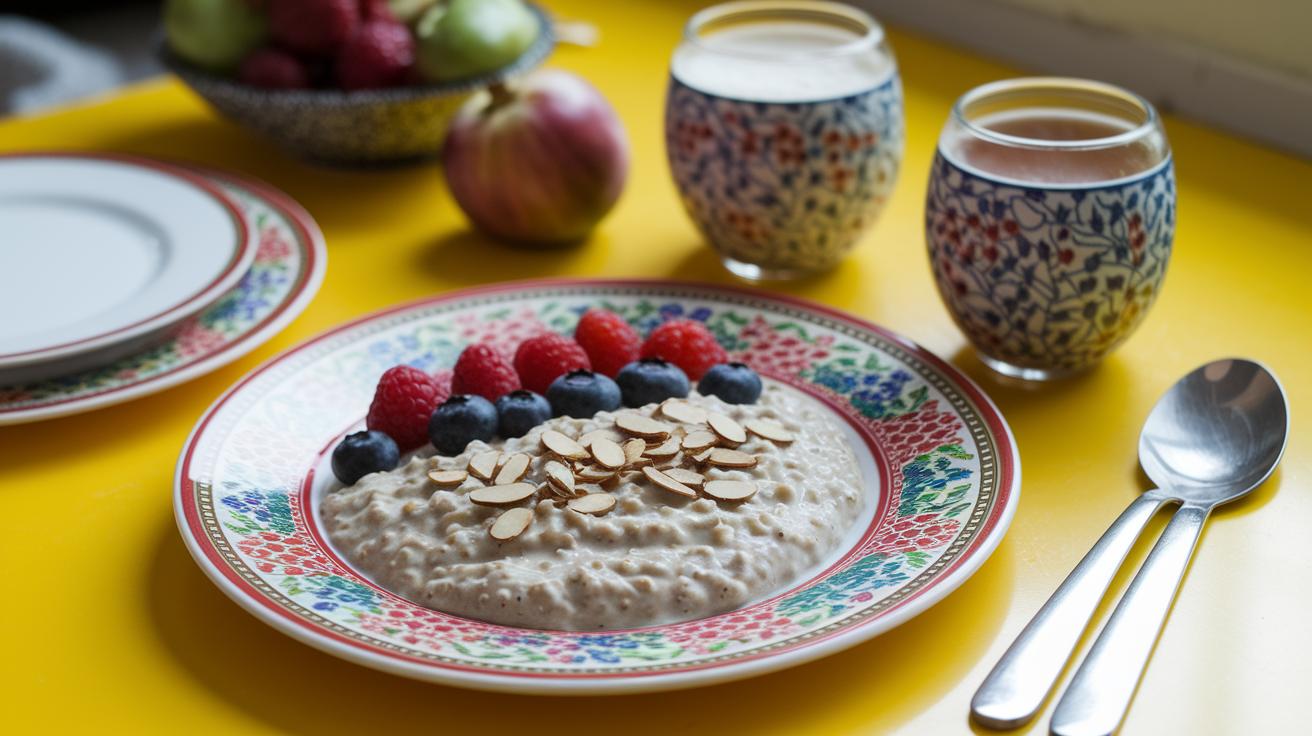
Start your morning with easy meals that pack a punch of nutrients. Fill your plate with fresh fruits and veggies, lean proteins, and whole grains. This plan offers a mix of tasty ideas like creative snacks and gut-friendly fermented foods such as kefir and sauerkraut. Plus, it uses simple cooking methods like baking, roasting, and steaming to keep flavors locked in without extra fats.
| Day | Breakfast | Lunch | Dinner | Snack |
|---|---|---|---|---|
| Day 1 | Overnight oats with berries and almond slivers | Mixed greens salad with grilled chicken and quinoa | Baked salmon with steamed broccoli and a baked sweet potato | Veggie sticks with hummus |
| Day 2 | Greek yogurt with mixed berries and a drizzle of honey | Whole-grain wrap with lean turkey, spinach, and avocado | Stir-fried tofu with seasonal vegetables and brown rice | Air-popped popcorn sprinkled lightly |
| Day 3 | Smoothie made with kefir, banana, and spinach | Lentil soup paired with whole-wheat bread | Roasted chicken with a crisp garden salad and quinoa | Mixed nuts with fresh grapes |
Feel free to tweak serving sizes and swap out ingredients to match your own taste. Trying a new herb or rotating seasonal produce can make your meals even fresher and more cost-effective. Little changes here and there help create a nutrition makeover that feels satisfying and truly yours.
Final Words
In the action, the blog laid out simple steps, from starting with small shifts in your diet to tweaking portion sizes and smart grocery choices. It showed clear, everyday strategies to help you steadily update your food plan and beat common dietary obstacles. The guide also shared meal planning tips and a sample 3-day plan that brings fresh ideas right to your kitchen. Embrace these tips as you explore how to transition to a balanced diet, keeping each change light and fun. Enjoy the benefits of these manageable steps toward lasting wellness!
FAQ
How to transition to a balanced diet for beginners, at home, or using a PDF guide?
The process of transitioning to a balanced diet starts with small, gradual changes. It involves assessing current eating habits, swapping processed foods with whole alternatives, and using step-by-step guides for clear direction.
How to eat healthy food every day and follow a healthy diet plan?
Eating healthy each day means planning meals, picking fresh produce, lean proteins, and whole grains. A set meal routine and easy recipes help maintain a balanced diet consistently.
What is included in a balanced diet food list and a 7-day healthy eating plan?
A balanced diet food list covers fruits, vegetables, whole grains, and lean proteins. In a 7-day plan, these items are distributed into well-rounded meals and snacks to support overall nutrition.
What are 10 ways to improve your diet?
Improving your diet can include swapping processed foods, adjusting portion sizes, adding fresh produce, planning weekly meals, reading labels carefully, choosing lean proteins, and gradually incorporating smart grocery selections.

