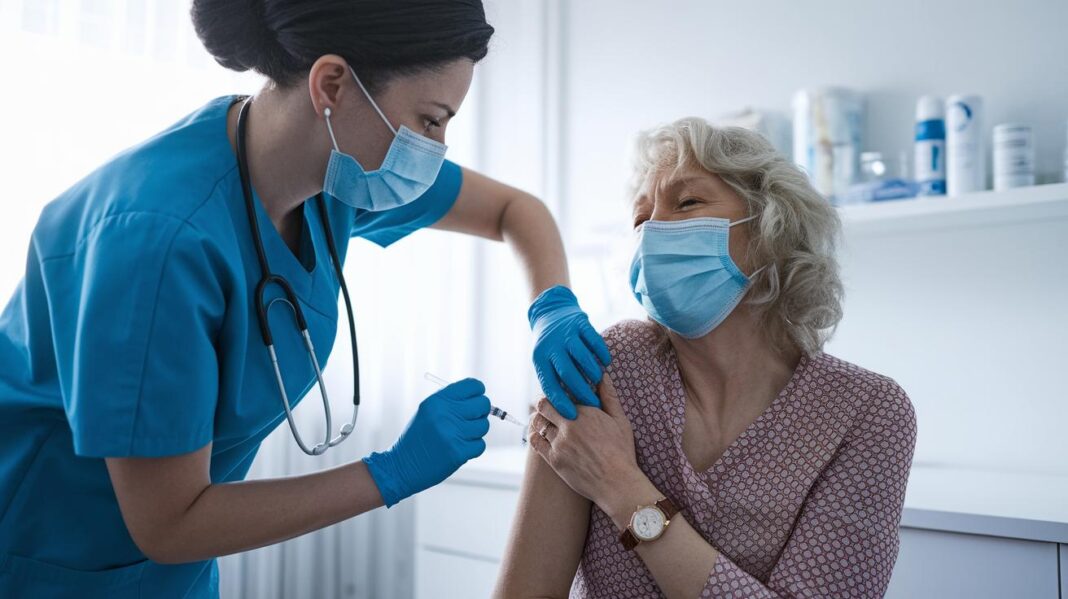
Ever wonder how one vaccine shot can keep you from getting really sick?
It works like a practice run for your body's defense team. A tiny, safe dose teaches your body to fight off harmful germs by preparing little defenders ready for action.
When you get vaccinated, you're not only protecting yourself, but you’re also helping keep your community safe. This simple choice lays the groundwork for a healthier future and shows how one small decision can really make a big difference.
How Vaccination Activates Immune Defenses for Disease Prevention
Imagine your body getting a friendly rehearsal before facing a real threat. Vaccines do just that by showing your immune system a tiny taste of a virus or bacterium without causing illness. They might use germs that are no longer active or weaken them so much they can't cause harm. With mRNA vaccines, for example, your cells get a simple set of instructions to build a harmless part of the invader, like the spike protein, so your body learns its shape.
When your body sees this safe preview, it starts making antibodies. Think of these antibodies as little defenders that remember exactly what the enemy looks like. Along with them, other immune cells like macrophages, B-lymphocytes, and T-lymphocytes jump into action. This teamwork means that if the real virus or bacterium shows up, your body is ready to fight immediately.
This process also builds something called immunological memory. It works like a stored playbook that helps your body react quickly and strongly on future encounters. Booster shots can be used to refresh this memory because, over time, antibody levels might drop a bit. Each booster helps fine-tune your defenses, adding an extra layer of safety.
In the end, even a small boost from vaccination can make a big difference in protecting your health and keeping your community safer.
Evaluating Vaccine Efficacy and Safety in Disease Prevention

Studies over many years show that vaccines work well to keep us from getting really sick. For example, research on COVID-19 mRNA vaccines found they were over 90% effective in Phase III trials. When clinical trial data showed this high rate of protection, it made it clear that even new vaccine methods can keep communities safe.
Vaccine safety is also well-checked. Experts track any side effects closely, and serious reactions are very rare, happening in less than 0.01% of cases. In simple terms, even if there are small side effects, the benefits of getting vaccinated are much greater.
Risk management is a big part of how vaccines are used. Health professionals keep reviewing safety data and booster programs to stay on top of things. Booster shots not only refresh how our immune system works but also remind us that these vaccines are given safely and carefully.
Ongoing studies keep confirming that vaccines are effective. Every trial adds more proof that vaccines lower the chances of catching an illness, help stop outbreaks, and save lives. Simply put, vaccines are a trusted, safe, and powerful tool to keep our families and communities healthier.
Immunization Schedules and Guidelines for Effective Disease Prevention
The U.S. immunization schedule is here to help everyone stay safe from diseases that we can prevent. Babies from birth to 6 years old get a series of shots that help build up their body’s defenses right from the start. Parents can even look at easy-to-read guides, available in both English and Spanish, to know which vaccines their child needs and when to get them.
For kids between 7 and 18 years old, the schedule changes a bit. This age group might need booster shots or catch-up doses to keep them well-protected during these important growing years. Adults, meaning anyone 19 years and older, also have a schedule that shows which shots can help guard them against illnesses that might appear later in life.
Boosters are key to keeping your immunity strong. For instance, a tetanus booster is needed every 10 years, and COVID-19 boosters are suggested every 6 to 12 months. Health experts update these guidelines every few months following CDC advice.
- Infants: Birth–6 years
- Preteens/Teens: 7–18 years
- Adults: 19+ years
Sticking to these timing suggestions can lead to a healthier future for you and for the whole community.
Vaccination and Disease Prevention: Healthier Future
Vaccinations protect not just one person but the whole community. When nearly everyone gets a vaccine, it’s like building a strong shield that stops illnesses from spreading. Imagine how a neighborhood watch works, where every member looks out for each other.
Reaching herd immunity means that a high percentage, like about 95% for measles, is protected. When almost everyone is vaccinated, the disease struggles to jump from person to person. In the United States, measles cases dropped from 55,000 in 1989 to less than 1,000 a year by 2000, showing vaccination really works.
Lowering the number of cases also means fewer trips to the doctor or hospital. With fewer outbreaks, we save money and reduce strain on our healthcare systems. Even when more people travel across borders, widespread vaccination helps keep dangerous infections under control.
Vaccines also help protect those who can’t get vaccinated, like infants or people with weak immune systems. This extra layer of defense is like having a caring friend watch your back when you need it most.
- High coverage decreases disease incidence and healthcare utilization (Impact of Preventive Care on Healthcare Outcomes).
When we all do our part by getting vaccinated, we build a healthier future for everyone.
Key Vaccine-Preventable Diseases in Vaccination and Disease Prevention
Vaccines help protect us from several illnesses that can seriously affect our health. For example, Hepatitis A spreads through contaminated food or water. It can cause symptoms like dark urine and light-colored stools. Vaccination makes it much harder for outbreaks to start and keeps any symptoms milder.
Hepatitis B is another major concern. It spreads through blood and other body fluids. This virus can lead to long-lasting liver infections and even increase the risk of serious liver issues like cirrhosis or liver cancer. That’s why getting vaccinated against Hepatitis B is so important.
Measles is one of the most contagious diseases, with symptoms typically showing up 7 to 14 days after exposure. About one in ten children may suffer complications such as ear infections, pneumonia, or a serious brain infection called encephalitis. Vaccines greatly reduce those risks and help keep children safe.
Mumps has a 2- to 4-week incubation period and usually causes only mild symptoms. Still, it can sometimes lead to orchitis, which is inflammation in the testicles for boys and young men. Thanks to safe vaccines, the chances of this happening are much lower.
Rotavirus acts fast, with symptoms starting in about 2 days. This virus can make infants very dehydrated, which could lead to a dangerous situation like shock. Vaccines help cut the severity and duration of a rotavirus infection, making recovery easier for little ones.
Rubella might seem mild, causing symptoms like a slightly pink, watery eye, but it’s a serious risk during pregnancy. Infection during pregnancy can lead to major problems in a newborn, such as heart defects or issues with hearing and vision. Plus, many vaccination programs now also focus on preventing other diseases like tuberculosis, showing how vaccines work to create a healthier future for everyone.
Addressing Vaccine Hesitancy and Misinformation in Disease Prevention

Many people still believe myths like vaccines causing other, unrelated illnesses. This makes them hesitant about getting vaccinated, which can put communities at risk. Experts are tackling these fears with clear and culturally aware messages that break down false claims. For example, public service announcements and easy-to-understand guides for parents explain how vaccines work, showing that they are a safe, proven way to fight disease.
A mix of educational tools is helping ease these worries. Podcasts, surveys, and live Q&A sessions give folks a chance to ask questions and share concerns. Even information on rare side effects is shared openly, which helps people see that any risks from vaccines are very, very low compared to the benefits they offer.
Efforts to boost understanding about vaccination also include materials in different languages and community meetings where trusted health professionals talk things through. This approach builds trust by directly addressing the reasons behind vaccine hesitancy and clearing up common misunderstandings.
- Clear, fact-based talks help ease worries.
- Culturally aware materials connect with more people.
- Good info about vaccines turns fear into confidence.
Learn more about effective health communication strategies at Health communication strategies.
Global Immunization Initiatives and Collaborative Disease Prevention Efforts
Around the world, efforts are in full swing to make sure life-saving vaccines reach every corner of our communities. Since 1974, the WHO’s Expanded Programme on Immunization has steadily raised the number of infants receiving vaccines, now covering about 85% globally. Local health services and international teams work hand-in-hand to bring vaccination campaigns to even the most remote areas.
Gavi – The Vaccine Alliance is another key player, raising nearly $8 billion to support immunization projects in low-income countries. This funding helps communities build stronger healthcare systems. Plus, COVAX managed to deliver 1.5 billion COVID-19 vaccine doses by the end of 2021, proving how global cooperation can meet urgent health challenges.
It’s not just about money, though. Keeping vaccines at the right temperature, usually between 2°C and 8°C, is essential so that they work properly. And sometimes, health teams go door-to-door, especially in rural areas, boosting vaccination rates from 60% to 90% by making it easy for people to get vaccinated.
Here’s a quick look at the main strategies:
| Strategy | What It Involves |
|---|---|
| Coordinated Funding | Sharing resources and money to support vaccination projects |
| Cold-Chain Logistics | Keeping vaccines cool from the factory to your neighborhood |
| Community Delivery | Taking vaccines directly to people through door-to-door campaigns |
These combined efforts, global ideas and grassroots actions, are paving the way to a healthier future by stopping the spread of diseases and boosting health outcomes for everyone.
Innovations and Future Trends in Vaccination and Disease Prevention
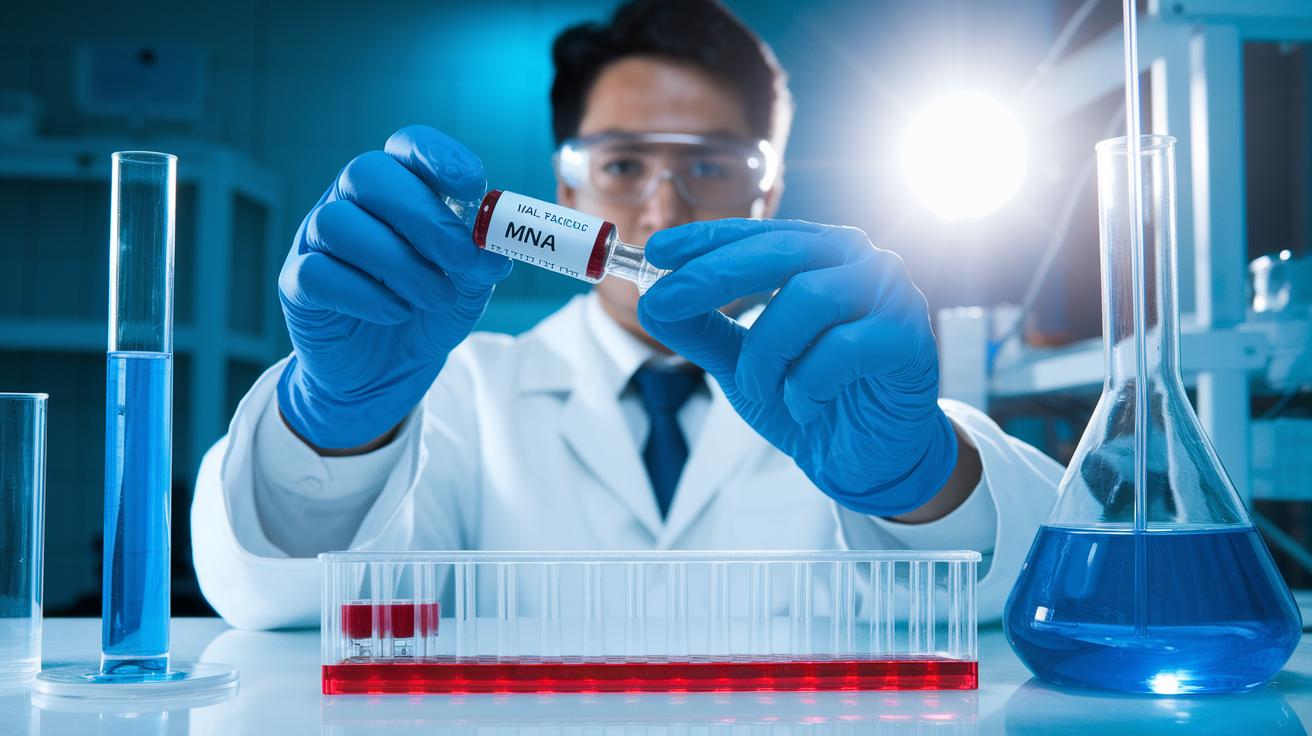
Vaccine technology is taking a fresh turn. Scientists are now using the mRNA platform – you might remember it from COVID-19 – to help fight off the flu and RSV too. Imagine a vaccine that gives your cells a little lesson with a snippet of genetic code so they know how to tackle viruses that keep changing. For instance, researchers are testing mRNA vaccines that could work on different flu strains, which might make seasonal flu outbreaks much milder.
New helper ingredients, called adjuvants, are another exciting development. They can boost your immune system by about 30%, giving your body a quicker, stronger response. Think of it as a little shot of energy for your immune defenses.
There’s also progress with how vaccines are given. Needle-free jet injectors are becoming common, with around 95% of people liking them. Imagine getting a vaccine that feels like a gentle burst of air – a relief for anyone who’s not a fan of needles.
On top of that, researchers are busy testing universal flu vaccines, with some already in Phase II trials. These vaccines aim to cover a wide range of flu viruses, which could mean fewer annual shots. Meanwhile, new formulations that stay potent even without perfect storage conditions are being developed, making vaccines more accessible in remote areas.
All these innovations show just how far we’ve come in preventing diseases. Each breakthrough brings us closer to a future where keeping healthy is easier and more effective for everyone.
Final Words
In the action, this post explored how vaccines work to prime the immune system and build strong defenses against illnesses. We looked at vaccine efficacy, safety measures, and immunization schedules that help keep communities healthy. We also touched on how clear facts can counteract hesitancy and misinformation. Every step supports vaccination and disease prevention efforts that empower us to make smart choices about our health. Here's to taking small steps that add up to a brighter, healthier future.
FAQ
FAQ
How do vaccines help in preventing diseases?
Vaccines help in preventing diseases by mimicking parts of harmful germs, which trains the immune system to create antibodies.
This prepares the body to respond quickly and stop infections when exposed.
What is the importance and role of immunization and vaccination?
Immunization protects people and communities by reducing the spread, severity, and complications of illnesses.
It builds a defense system that lowers overall health risks and eases the burden on healthcare resources.
What diseases do vaccines prevent and where can I find a chart?
Vaccines prevent diseases such as measles, hepatitis, mumps, rotavirus, and COVID-19.
You can find detailed charts and PDFs listing these illnesses and their corresponding vaccines to better understand immunization schedules.
Was the vaccine effective in preventing the disease?
Vaccines have proven effective by significantly reducing infection rates and lessening disease severity.
Clinical data from trials and ongoing monitoring show that vaccines trigger strong immune responses that help keep serious complications at bay.

