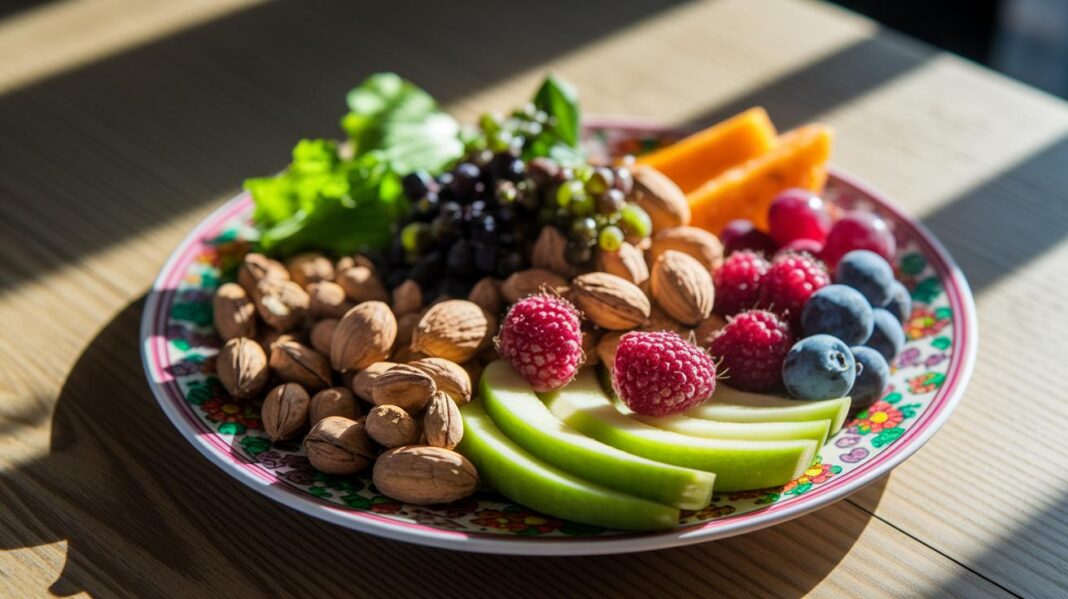
Ever thought about how your meals could boost your brain? A balanced diet means giving your brain the nutrients it needs to stay sharp. Research tells us that eating plenty of fruits, vegetables, lean proteins, and whole grains keeps your mind in top shape. It's like putting premium gas in your car, you get smoother performance and more mileage. Keep reading to see how small changes in your diet can lead to clearer thoughts and a quicker mind.
How Balanced Diets Support Brain Health
A balanced diet is like a perfect fuel mix for your brain. Eating foods rich in the right nutrients helps you think clearly and keeps your brain strong over time. For example, Mediterranean-style diets full of fruits, vegetables, beans, nuts, fish, and extra-virgin olive oil are known to slow down cognitive decline. If you’re curious about what a balanced diet means, it simply means having plenty of fruits, veggies, whole grains, healthy fats, and lean proteins in every meal.
The MIND diet is another smart way to eat well for your brain. It mixes ideas from the Mediterranean and DASH diets to lower stress and inflammation in your body, which benefits your brain. Studies since 2015 have shown that regularly enjoying foods rich in vitamins and antioxidants can boost your memory and sharpen your thinking. Think of it like giving your brain a steady dose of fuel from whole grains, which slowly release glucose, your brain’s main energy source.
Lean proteins from fish and legumes help repair and build brain cells, while nuts and seeds add healthy fats and fiber that are great for your brain’s wiring. This simple, everyday diet plan can keep you alert and ready to take on whatever comes next.
Essential Nutrients and Brain Nutrition Insights

Leafy greens are packed with B vitamins and antioxidants that help your nerves send signals and protect brain cells. For instance, try adding a cup of spinach to your omelet and watch as those B vitamins boost energy conversion at the very cell level.
Beans and legumes give you the amino acids needed to make neurotransmitters, those helpful chemicals that let brain cells communicate. Their fiber also keeps your blood sugar steady, acting like a reliable fuel supply for your brain. Why not mix half a cup of black beans into a colorful salad to stay energized all day?
Whole and ancient grains release glucose slowly, making sure your brain gets a constant supply of energy to help with memory retention. They also provide folate, a nutrient that supports new cell growth and repairs brain tissues. Switching refined grains for brown rice or quinoa might just be the boost your brain needs.
| Nutrient Source | How It Helps Your Brain | Example Tip |
|---|---|---|
| Leafy Greens | Boosts nerve signaling with B vitamins and protects cells | Add a cup of spinach to your meal |
| Beans & Legumes | Provides amino acids for neurotransmitters and steadies blood sugar | Mix half a cup into salads or soups |
| Whole & Ancient Grains | Releases glucose slowly and supplies folate for cell repair | Swap refined grains for brown rice or quinoa |
Planning meals with these foods can be a fun way to take care of your brain. Mix beans, whole grains, and leafy greens together to create a nourishing bowl that supports clear thinking all day long.
Superfoods and Memory-Boosting Foods for Cognitive Enhancement
Berries pack a powerful punch. Blueberries, for example, are bursting with anthocyanins, special antioxidants that help keep your brain cells safe from damage. Tossing a handful into your cereal isn’t just tasty; it’s a simple way to support clear, sharp thinking.
Beets and other nitrate-rich root veggies work wonders too. Their natural nitrates help open up your blood vessels, letting more oxygen flow to your brain. Imagine enjoying a crisp beet salad that not only delights your taste buds but also boosts your mind’s performance.
Fatty fish like salmon or trout offer essential omega-3 fatty acids. These fats, known as EPA and DHA, help keep the connections in your brain strong and steady. Picture a delicious salmon dinner paired with your favorite veggies, nourishing food that feels good inside and out.
Nuts and seeds also play a part in keeping your mind alert. Almonds, sunflower seeds, and pistachios supply healthy fats and fiber to help balance your blood sugar and support brain cells. A small bowl of mixed nuts in the afternoon might be just the snack you need to keep your energy up.
Cocoa is more than just a treat, it brings its own set of benefits. Cocoa seeds are rich in flavonoids, which, along with arginine, support better blood flow to your brain. Whether you savor a square of dark chocolate or a refreshing cocoa smoothie, you’re adding a little extra care for your brain.
Anti-Inflammatory and Antioxidant Meals in a Cognitive Nutrition Guide
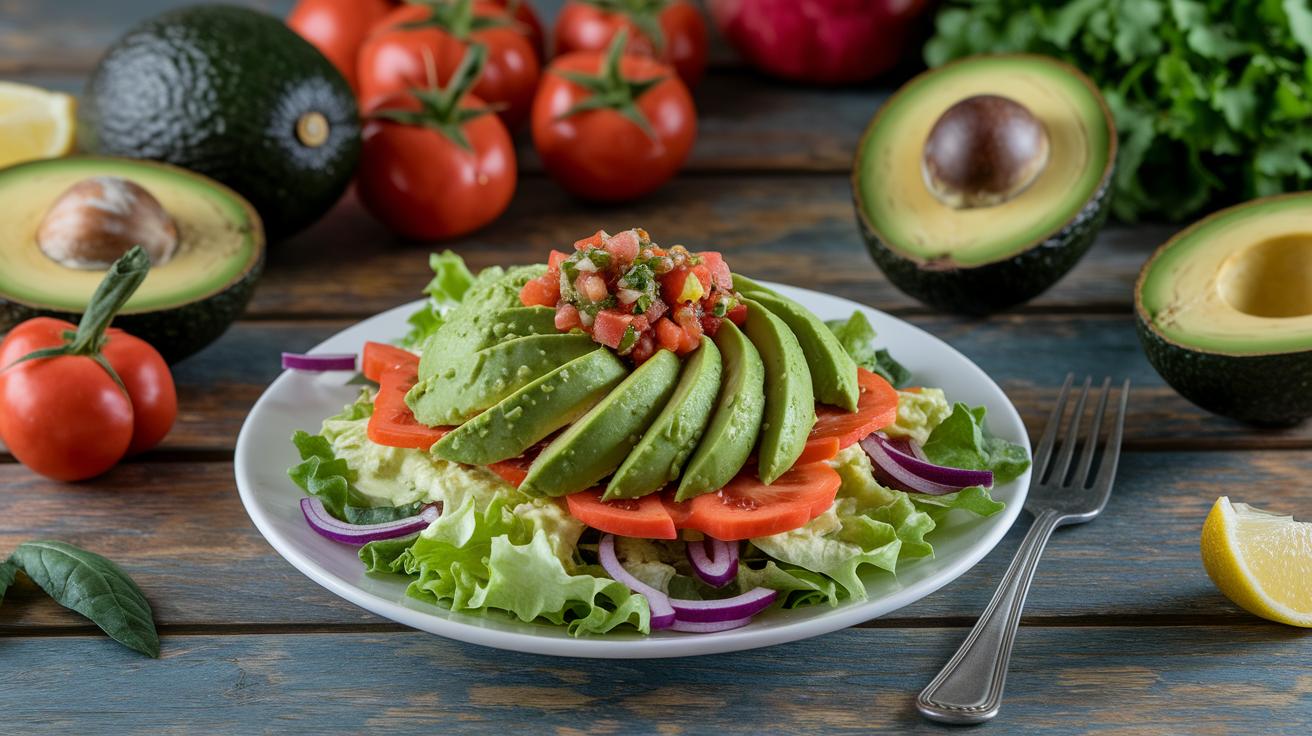
Every day, try adding two tablespoons of extra-virgin olive oil to boost your brain power. Drizzle it over warm bread, roasted veggies, or a fresh salad. This oil is full of healthy fats and polyphenol antioxidants, these are natural compounds that lower inflammation and support brain function. Fun fact: a simple drizzle can turn your meal into a brain-boosting delight.
Avocado and salsa aren’t just for flavor. They bring healthy fats and extra veggies to each bite. Imagine a bowl of salad spiced up with creamy avocado pieces and a spoonful of tangy salsa; it transforms an ordinary dish into a vibrant, nutritious meal.
Meatless dishes like ratatouille or a vegetable-bean casserole, sprinkled with a little cheese, pack a powerful nutritional punch. Traditional Mediterranean diets even include about a pound of vegetables each day to ensure variety and freshness. Filling your plate with veggies means more fiber and plant proteins, which are key for keeping your brain in top shape.
Adding a pinch of turmeric to soups or sauces is another smart move. This bright spice is known for its curcumin, a component that might help ease inflammation in your brain. So, stir a dash of turmeric into your next vegetable stew and enjoy a burst of warm color and subtle flavor while giving your brain the extra support it needs.
Meal Planning Strategies: Mediterranean and MIND Diet Approaches for Brain Efficiency
Planning your meals around the Mediterranean and MIND diets can really help boost your brain power. These diets focus on feeding your brain the nutrients it needs for a strong memory and clear thinking. For example, here’s an idea for a week of MIND diet breakfasts:
- Monday: Greek yogurt with raspberries and sliced almonds
- Tuesday: Whole wheat toast with almond butter and scrambled eggs
- Wednesday: Steel-cut oatmeal with strawberries and a hard-boiled egg
- Thursday: Greek yogurt with peanut butter and banana
- Friday: Whole wheat toast with avocado and a pepper-onion omelet
- Saturday: Overnight oats with strawberries and almond butter
- Sunday: Spinach frittata with apple slices and peanut butter
Each of these breakfasts gives you a mix of protein, healthy fats, and fiber to start your day with steady energy. They help reduce inflammation and keep your brain alert, which is why the MIND diet is all about boosting brain efficiency.
You can also tweak these ideas to match your favorite flavors. Imagine adding a Latin twist with corn dishes, a Middle Eastern vibe with hummus and lentils, or even a Southern touch with collard greens, black-eyed peas, and cornbread. Healthy eating for brain power can be fun and flexible, so make it your own!
By focusing on whole, nutritious foods each meal, you’re not just treating your taste buds, you’re fueling your mind for the day ahead.
Practical Tips and Mindful Eating Strategies for Enhanced Cognitive Function

Here’s a handy checklist of mindful eating ideas to help boost your brain power:
- Keep a food journal. Jot down what you eat and look for extra brain-boosting ingredients. Fun fact: Marie Curie once carried test tubes with radioactive material in her pockets before her scientific fame, showing how small habits can lead to big changes.
- If you’re having a meal that isn’t very healthy, add a side of leafy greens to pack in more nutrients.
- Pour two tablespoons of extra-virgin olive oil over your salads or vegetables each day to get a dose of healthy fats.
- Mix in avocado and salsa with your snacks or meals to add an extra nutrient punch.
- Include a half-cup of beans or legumes at least once daily to keep your energy levels steady.
- Enjoy three servings of whole grains like whole wheat, brown rice, or quinoa to keep your diet well-balanced.
- Finish off your meal with fresh fruits for dessert, which helps keep the diet less processed and your thinking clear.
Final Words
In the action, the article broke down how our food choices support mental clarity. We saw simple meal planning tips that bring in essentials like extra-virgin olive oil, leafy greens, and omega-3 rich foods. Clear examples showed how superfoods work together to boost mood and memory. Following a balanced diet for brain health can give you better energy and better cognitive function each day. Small changes on your plate today set you on a brighter, healthier path tomorrow.
FAQ
What are effective brain foods for studying, recovery, memory, and exams?
The best brain foods for studying, recovery, memory, and exams include nutrient-rich items like leafy greens, berries, fatty fish, and whole grains that provide essential vitamins and omega-3s to support cognitive function.
What are the five worst foods for memory?
The five worst foods for memory tend to be processed items high in sugars and saturated fats, refined carbohydrates, and artificial additives that can interfere with brain function and memory retention.
What is the MIND diet?
The MIND diet combines Mediterranean and DASH diet principles by emphasizing fruits, vegetables, whole grains, and fish to help reduce oxidative stress and support memory and overall cognitive health.
What is the healthiest diet for your brain?
The healthiest brain diet features a balanced mix of fruits, vegetables, lean proteins, whole grains, and healthy fats, offering vital nutrients that boost neural function and slow cognitive decline.
What is the brain balance diet?
The brain balance diet is an eating plan that prioritizes nutrient-dense foods like leafy greens, berries, and fatty fish while limiting processed items, supporting effective cognitive performance and memory retention.
What are the three foods for brain health?
Three key brain health foods include berries, which offer antioxidants; fatty fish, rich in omega-3 fatty acids; and leafy greens, providing vitamins and minerals that protect against cognitive decline.

