
Ever feel overwhelmed by endless grocery choices? It all starts with a little planning. Checking your pantry, mapping out meals, and writing a clear shopping list can help you save money and cut down on waste.
Smart Food Picks gives you simple tips to choose fresh, seasonal options that keep your meals healthy. It even makes your shopping trips a breeze. Ready to make grocery shopping a smart, health-boosting routine?
Actionable Shopping Steps for a Balanced Diet
Every healthy plan starts with a bit of planning. Set aside a little time each week to map out your meals, breakfast, lunch, dinner, and even snacks. It’s simple and keeps you on track. You can even use a meal planner tool (https://healthlystats.com?p=28) to make things a whole lot easier.
Before you head out to buy anything, write a grocery list that matches your weekly menu. Take a quick look at your fridge and pantry first so you don’t pick up items you already have.
Here's a simple guide to get you started:
| Step | Action |
|---|---|
| 1 | Pick a specific time each week to plan your meals and check what you need. |
| 2 | Build your grocery list based on your menu. Use helpful tools like the grocery list for healthy eating (https://healthlystats.com?p=207) so you only get what you really need. |
| 3 | Take a quick look in your fridge and pantry first to avoid buying duplicates. |
| 4 | Buy in bulk for everyday items, but only what you’ll use before it goes bad. |
| 5 | Organize new items using a first in, first out approach to help cut waste. |
| 6 | Tailor your list to suit your tastes or your family’s needs. |
Following these steps not only stops you from overbuying but also makes shopping smoother. By planning ahead, you save money, reduce waste, and enjoy a balanced mix of nutrients. It’s a friendly, simple way to build healthier habits and make each trip to the store work for you.
Selecting Budget-Friendly Superfoods and Seasonal Produce

Shopping for seasonal produce is a simple, smart way to enjoy fresh flavors and keep your grocery costs low. When fruits and vegetables are in season, they offer their best taste and nutrition, plus, they’re usually more affordable. Mixing a rainbow of fruits and veggies into your meals not only adds vitamins and minerals but also brings fun variety to the table. And if you want an extra boost, try adding budget-friendly superfoods like kale, spinach, oats, and beans.
| Produce Item | Season | Estimated Price Range |
|---|---|---|
| Apples | Fall | $1 – $2 per lb |
| Strawberries | Summer | $2 – $3 per lb |
| Kale | Winter | $1 – $2 per bunch |
| Spinach | Spring | $1.50 – $2.50 per bunch |
| Beans | Year-Round | $1 – $2 per pack |
Choosing seasonal produce means you get food that's richer in flavor and nutrients, and it even helps lower your environmental footprint. Plus, local farmers markets often have great deals and unique varieties that you just can’t find in a big store. This way, making delicious, healthy meals is as easy on your body as it is on your wallet.
Prioritizing Lean and Plant-Based Protein Options
When planning your meals, picking good proteins is really important. Mixing lean animal proteins with plant-based choices helps build strong muscles and keeps your body healthy without adding too much extra fat. Choosing wisely makes each meal both healthy and tasty.
For example, lean options like skinless chicken, ground turkey, or 90% lean ground beef give you high-quality protein while keeping bad fats low. Eggs, or even egg substitutes, are affordable, flexible, and work well in many recipes. On the plant side, tofu, beans, lentils, and other legumes not only offer a variety of amino acids but also pack in extra fiber that’s good for your digestion. Dairy alternatives such as almond milk or plant-based yogurts serve as a lighter option if you’re trying to cut back on saturated fats. This balance gives your meals a mix of flavors and benefits that suit both your taste and your health goals.
When shopping, keep these handy tips in mind:
- Check nutritional labels to see the protein and fat amounts.
- Choose lean cuts of meat and switch up your protein sources.
- Look for bulk deals on plant-based proteins.
- Experiment with different dairy alternatives to match your taste and dietary needs.
Evaluating Whole Grains and High-Fiber Choices
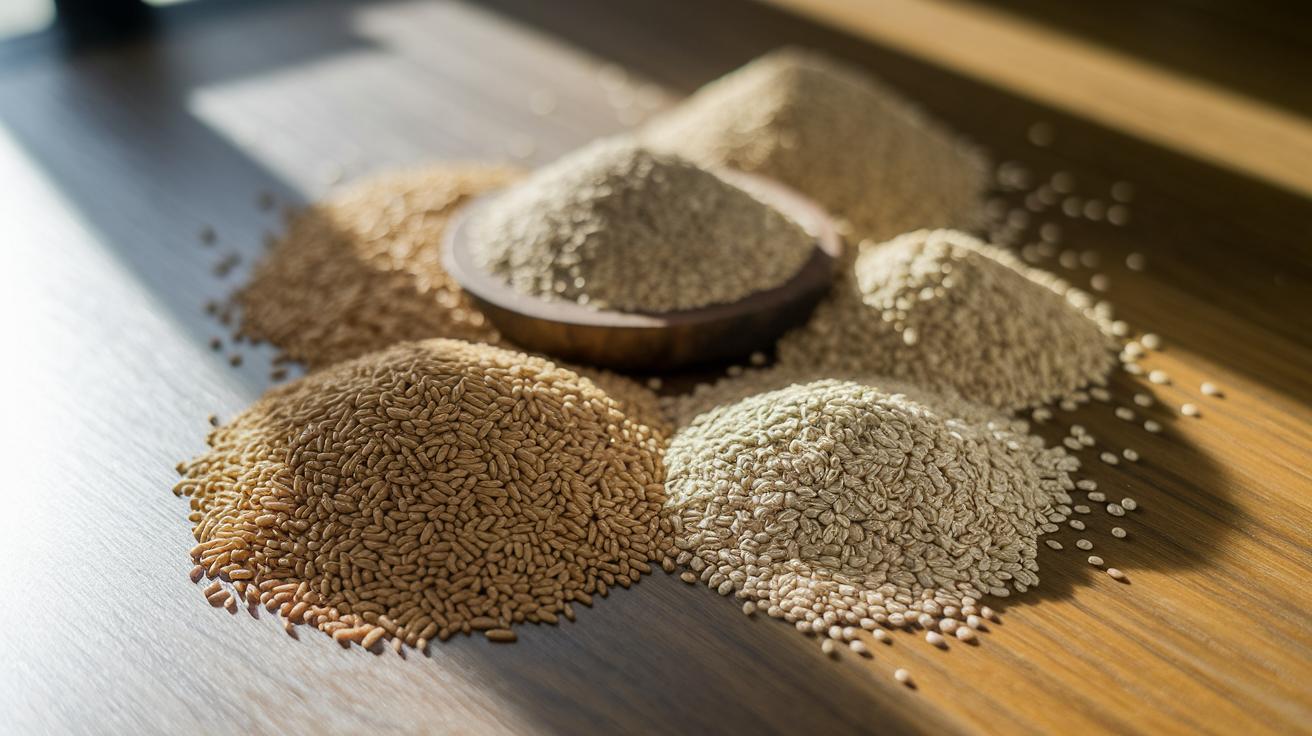
Whole grains are a helpful part of a balanced diet. They pack a lot of fiber, vitamins, and energy that lasts, while helping your digestion do its job. You can find these grains in both dry and frozen forms, which helps you keep food fresh and full of nutrients. They also help keep your blood sugar steady and can make you feel full, which might even help with weight management.
Here are some tasty examples:
- Brown rice: Gives you a steady boost of energy and works well in lots of meals.
- Quinoa: Acts like a complete protein, giving you all the essential building blocks your body needs.
- Oats: Hold soluble fiber that supports a healthy heart.
- Barley: Comes with a mix of vitamins and helps keep your digestion on track.
- Whole wheat bread or pasta: Brings solid nutrients and a slow release of energy.
Choosing whole grains is a simple way to up your fiber intake and help your body absorb nutrients better. Plus, they make your meals both nutritious and delicious, so you can feel good and satisfied with every bite.
Decoding Nutritional Labels for Low-Sugar and Low-Sodium Picks
Nutritional labels break down the basics like protein, carbs, and fats per serving. They even show total calories, so you can easily track your diet with a handy meal planning app.
When checking out a food product, take a moment to look at its sugar and sodium amounts. Aim for items with less than 5 grams of added sugar and under 140 milligrams of sodium per serving. These simple numbers help you pick foods that support a balanced meal plan.
Also, keep an eye on the fiber content, try for at least 3 grams per serving. A short, clear ingredient list is a bonus too. Even healthy foods can add extra calories if the serving size is large, so it pays to double-check.
Next time you're shopping, compare items using these clear details. Spotting products that meet these nutrient levels helps you build balanced meals. Tracking your macros can show if a food gives you enough protein without too much fat. It’s all about counting on practical portion checks and serving size comparisons rather than getting caught up in flashy marketing. With these tips, making informed food choices becomes a breeze, keeping your sugar and sodium in check while you enjoy the essential nutrients.
Managing Portions with Practical Control Techniques
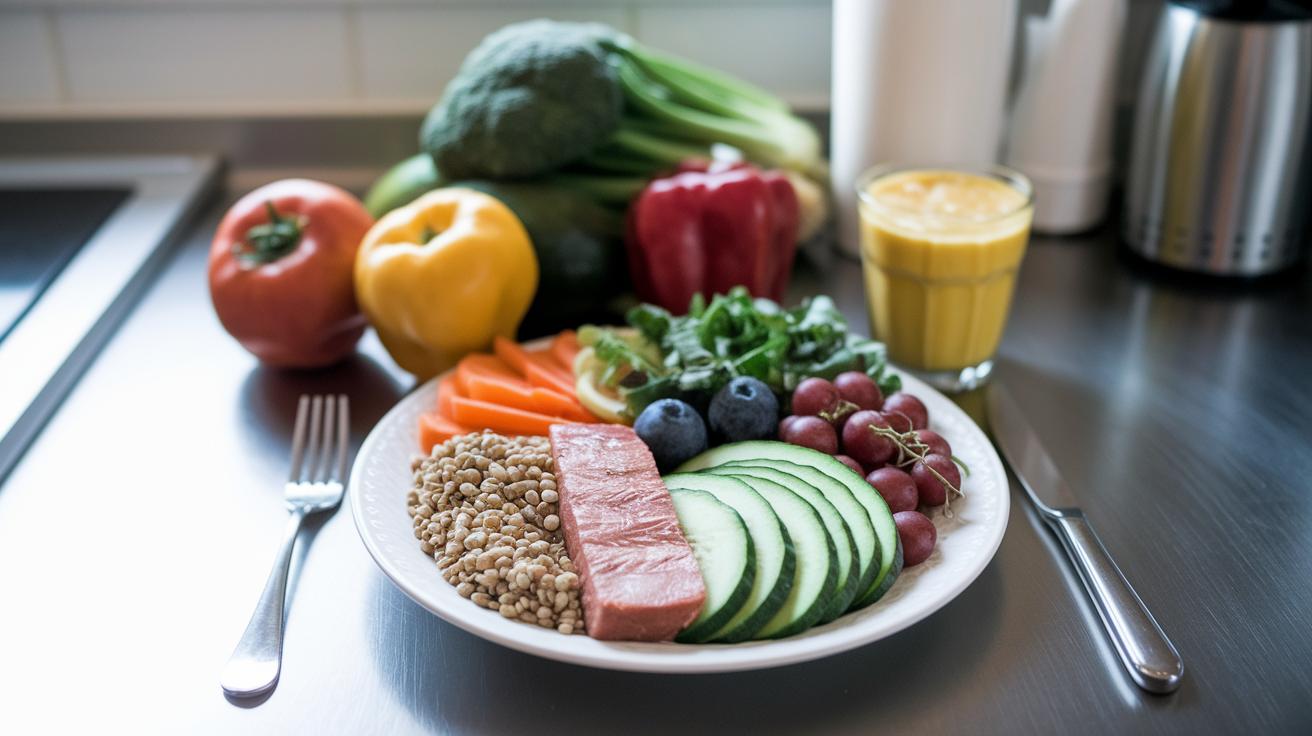
Portion control is a simple way to keep your meals balanced and avoid overeating. When you plan your servings ahead of time, you know exactly how much of each food group to enjoy. Using smaller plates or dividing up your snacks into little containers helps set clear limits and guides you to make healthier choices every time you eat.
You can also design your eating space to support these habits. Try arranging your plate in easy-to-follow sections to remind you to mix up your food groups. This approach not only makes your meal look more attractive, but it also keeps your nutrition on track all day long.
Imagine a 7-day meal plan that totals 1,300 calories each day. In it, you’d fill half your plate with vegetables, use one quarter for protein, and save the last quarter for grains. This clear setup makes it easier to plan meals that meet your nutritional goals.
Remember, simple habits like chewing slowly and taking a pause between bites can help you notice when you're full. These mindful eating tips are key to preventing you from eating more than your body really needs.
Streamlining Your Shopping with Efficient Meal Prep and Checklists
Efficient meal prepping and organized checklists can truly make shopping feel effortless. When you plan your meals ahead of time, you build smart eating habits that save both time and money. This approach means you won’t have to make those last-minute trips to the store and you'll always have what you need for the week.
A master grocery list is a key part of keeping your shopping streamlined. Begin by putting all your regular items on one list. Imagine using a mobile app that pulls the ingredients from your weekly meals into one neat list. This gives you a clear picture of what to buy, cutting down on both duplicate purchases and stressed-out last-minute rushes.
Before you leave home, take a minute to check your pantry. Seeing what you already have can help you avoid buying things you don’t need while freeing up space for new items. Try a "first in, first out" system by placing older items at the front so they get used first. It’s a simple way to keep your food fresh and your budget in check.
Batch-cooking proteins and pre-washing produce are handy ways to save time on busy days. These steps let you quickly piece together meals when life gets hectic. With a master list and an organized kitchen, you set yourself up for stress-free shopping and delicious, ready-to-eat meals.
Smart Strategies for Cost-Effective Grocery Shopping

Plan your trips around weekly sales and digital coupons, so you can get the best deal every time. Checking the weekly flyer and using those online discounts can really cut down your spending on everyday items. Stick to a grocery list to avoid those surprise picks at checkout, you’ll only buy what you truly need.
Focus on shopping along the store’s edges. That’s where you’ll find fresh fruits, veggies, and lean proteins. Local markets and bulk bins are great too, they offer herbs, grains, and legumes at lower prices and help reduce extra packaging. This way, you dodge the tempting, pricier center aisles and make healthier meal choices.
By turning these simple shopping habits into a routine, you’re not just saving money today, you’re building a pattern of smart, sustainable habits for the long run. Stick to your plan, and you might even find that eating well on a budget makes life a bit easier and a lot more satisfying.
Final Words
In the action, this article breaks down key steps for a balanced diet shopping guide. We’ve covered how to plan meals, check your pantry first, and use a smart grocery list to cut down on waste and costs.
By putting these simple tips into practice, you can feel more in control of your daily health routines. Enjoy the process and savor the benefits of a well-planned shopping strategy for a healthier, happier life.
FAQ
What does a balanced diet shopping guide printable or PDF offer?
A balanced diet shopping guide printable or PDF provides a ready-to-use list for planning meals throughout the week, ensuring you include a variety of foods that support healthy weight management and overall nutrition.
What is a healthy grocery list for weight loss and budgeting?
A healthy grocery list for weight loss and budgeting outlines affordable, nutrient-rich foods, covering all food groups to help manage portions, reduce waste, and keep meals balanced without overspending.
What does the 5 4 3 2 1 shopping method mean?
The 5 4 3 2 1 shopping method uses a specific count of food groups to guide purchases, encouraging a balanced mix that covers necessary nutrients while making shopping both efficient and thoughtful.
How do you grocery shop for a balanced diet?
Grocery shopping for a balanced diet involves planning meals ahead, creating a food group-specific list, checking what you already have, and selecting colorful, nutrient-dense items to support overall health.
What are the 7 things you need in a balanced diet?
A balanced diet should include fruits, vegetables, grains, protein foods, dairy or alternatives, healthy fats, and fiber sources, ensuring you get a wide range of vitamins and minerals for sustained energy.

