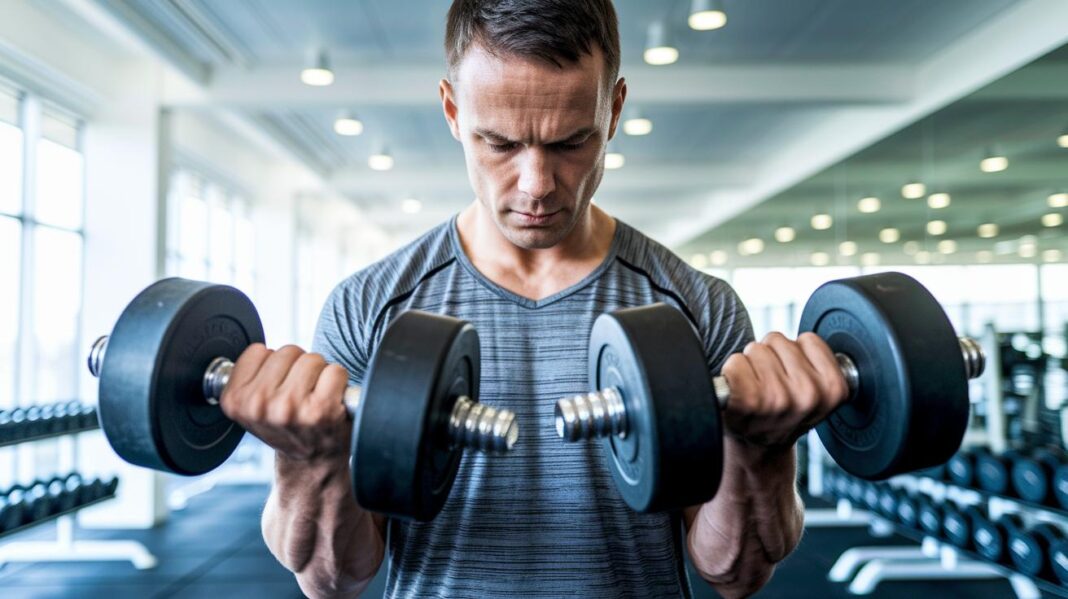
Have you ever thought your cardio routine might need a little boost? Adding weights to your workout could be just the trick you need.
When you use dumbbells, vests, or other gear during cardio, you bump up your heart rate while building strength and endurance. This means you burn more calories while working out and even after you're done.
In this post, we'll show you how mixing weights with cardio can take your routine to the next level and help you reach new fitness goals.
High-Intensity Cardio Workouts with Weights for Maximum Calorie Burn
Mixing weights and cardio gives your workout a serious boost. Adding things like adjustable dumbbells (8–20 lb), weighted vests, or limb straps to a set of ten different exercises can really get your heart racing. You can try quick intervals like 1 minute of work with a 5-second break or use 20-second bursts followed by a 10-second rest, like in Tabata. These sessions usually last about 20 to 35 minutes and can be repeated 2 or 3 times so your body keeps burning calories long after you're done.
One idea is a 20-minute dumbbell circuit that goes through ten moves. Imagine shifting from goblet squats to renegade rows. Each exercise runs for a minute with a short 5-second pause. This routine builds strength and pushes your endurance, making every second count.
Another great option is a 4-round Tabata setup with exercises like farmer's walks and burpees. The farmer's walk steadies you while the burpees add bursts of energy. With each move done in 20-second segments with a 10-second rest in between, you'll engage lots of muscles while keeping your heart rate high.
Or, try a 35-minute full-body HIIT session using medium to heavy dumbbells. This workout targets both your upper and lower body with moves such as lateral raises and dumbbell lunges. Short rests help maintain your heart rate so your fat keeps burning even during recovery.
This variety-packed routine is a smart use of time. It works many muscles at once, building strength and boosting fat burn. Adding weighted circuits to your cardio routine not only mixes things up but also gives you continuous energy, helping you feel healthier and fitter.
Essential Equipment and Weight Options for Cardio–Resistance Intervals

Need the right gear to boost your workout? Adjustable dumbbells weighing 8–20 lb let you change weights quickly, helping you keep your heart rate up. Kettlebells around 15–35 lb invite you to try lively, dynamic moves that build both strength and balance. Weighted vests add about 10–20% of your body weight to your routine so you feel the full-body challenge. Resistance bands give extra pull without extra bulk, making your movements controlled and full of burn. And ankle or wrist weights focus on smaller muscles while helping you burn more calories. Just grab some sturdy shoes and find a little open space, you’re all set.
| Equipment | Weight Range | Best Use |
|---|---|---|
| Dumbbells | 8–20 lb | Great for strength and cardio mixes |
| Kettlebells | 15–35 lb | Ideal for dynamic moves and balance |
| Weighted Vest | 10–20% body weight | Boosts full-body resistance |
| Resistance Bands | Varies | Adds extra tension in drills |
| Ankle/Wrist Weights | 1–5 lb (light) | Helps isolate specific muscle groups |
Proper Form and Safety Tips for Cardio Workouts with Weights
Getting your form right is super important when you mix cardio with weights. Using the correct technique not only helps your muscles work better but also cuts down on the chance of getting hurt. For instance, keeping a straight and neutral spine during squats and deadlifts makes your workout safer and more effective.
Taking a mindful approach to your workout can really help avoid overtraining and strain. Start with some dynamic warm-ups to get your body moving and finish off with a cool-down to ease your muscles. It’s all about quality over quantity so you can move through each exercise safely.
When it comes to lower-body and compound lifts like lunges and farmers walks, proper form is a big deal. You want to keep your core engaged, maintain a steady torso, and stand with your feet about hip-width apart so you don’t lean too much. Also, remember to breathe evenly throughout each movement and give yourself some time to recover between sets.
For upper-body moves and exercises that focus on one muscle at a time, things like bicep curls and lateral raises, it's key to keep your elbows close and your torso steady to stop any unnecessary swinging. Stay in control, check your intensity, and take short breaks between sets. Always listen to your body and give it the care it deserves.
Top Weighted Cardio Exercises with Weights to Boost Heart Rate and Strength
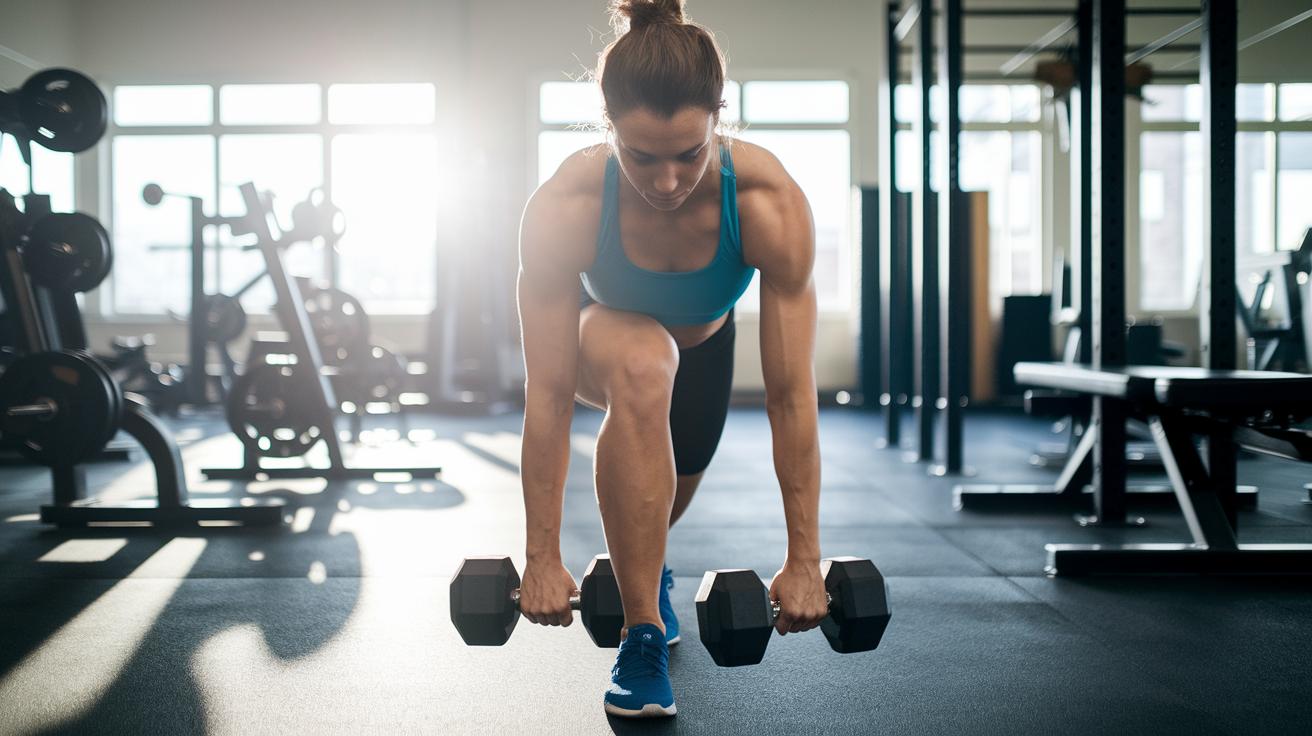
Mixing strength and cardio with weights works multiple muscle groups while keeping your heart beating strong. Here are nine moves that blend essential strength work with quick bursts of intensity. Try following the suggested rep counts or timed intervals to get the best results.
Goblet Squat
This move works your legs, glutes, and core. Hold the dumbbell close to your chest and keep your chest lifted. Aim for 12 to 15 smooth, controlled reps.
Bicep Curl
This exercise targets your biceps. Stand up straight, keep your elbows fixed, and avoid swinging the weights. Do 12 to 15 careful reps to really feel the burn.
Renegade Row
This move strengthens your back, core, and arms. Get into a plank position and row one dumbbell at a time. Try doing 10 to 12 reps on each side for balanced muscle work.
Lateral Raise
This exercise builds up your shoulders and traps. Stand tall and lift the weights out to the side, keeping a slight bend in your elbows. Aim for 12 to 15 steady reps to gain control.
Dumbbell Lunge
This targets your quads, hamstrings, and glutes. Step forward with care, keeping your knee over your ankle and your back straight. Work up to 12 to 15 reps per leg at a controlled pace.
Walking Lunge
This move boosts leg strength and improves balance. Keep an upright posture as you take continuous steps forward. Try lunging for 1 minute to build endurance.
Dumbbell Lunge with Curl
This exercise mixes a lunge with an arm curl for extra activation. Step forward into a lunge and add a smooth curl simultaneously. Aim for 12 reps on each side, keeping the movement fluid.
Romanian Deadlift
This one focuses on your hamstrings, glutes, and lower back. With your back straight, hinge at the hips to lower the weights slowly. Do 12 to 15 reps to build stability and strength.
Farmers Walk
This move works your grip, core, and legs. Hold dumbbells at your sides and walk steadily. Try walking for 1 minute per set to feel the difference.
You can turn these exercises into a circuit by moving quickly from one to the next with little rest. This keeps your heart rate high, giving you a great mix of strength and cardio that burns calories during your workout and even afterward.
Building Progressive Cardio–Strength Routines Over Time
If you're looking to boost your cardio-strength workouts, progressive load training can make a big difference. As you build strength and endurance, slowly increasing your challenge helps you step out of your comfort zone. Start with lighter weights and fewer circuits so you can get the hang of each move before you push further. This way, your workout stays fun and effective, working both your muscles and your fat-burning process.
To make your workout more challenging, try adding another circuit round when you feel ready. Begin with two rounds and gradually move to three. As you grow stronger, increase your dumbbell weight slowly, maybe starting at 8 pounds and working up to 20 pounds or more. Adjusting these parts of your routine not only pushes your muscles to work harder but also keeps your sessions fresh and exciting.
Cut your rest breaks from about 30 seconds to 15 seconds to keep the intensity up. And if you’re up for it, throw in some quick Tabata segments, short bursts of hard work that really ramp up your heart rate. These tweaks help you keep a steady pace and build stamina over time.
Keep track of your progress by writing down the rounds you complete and noting how quickly your heart rate recovers after each session. A simple log like this helps you set realistic goals and make small adjustments along the way. Every small win leads you closer to lasting fitness, improved well-being, and a boost in confidence.
cardio workouts with weights: Elevate Fitness Now
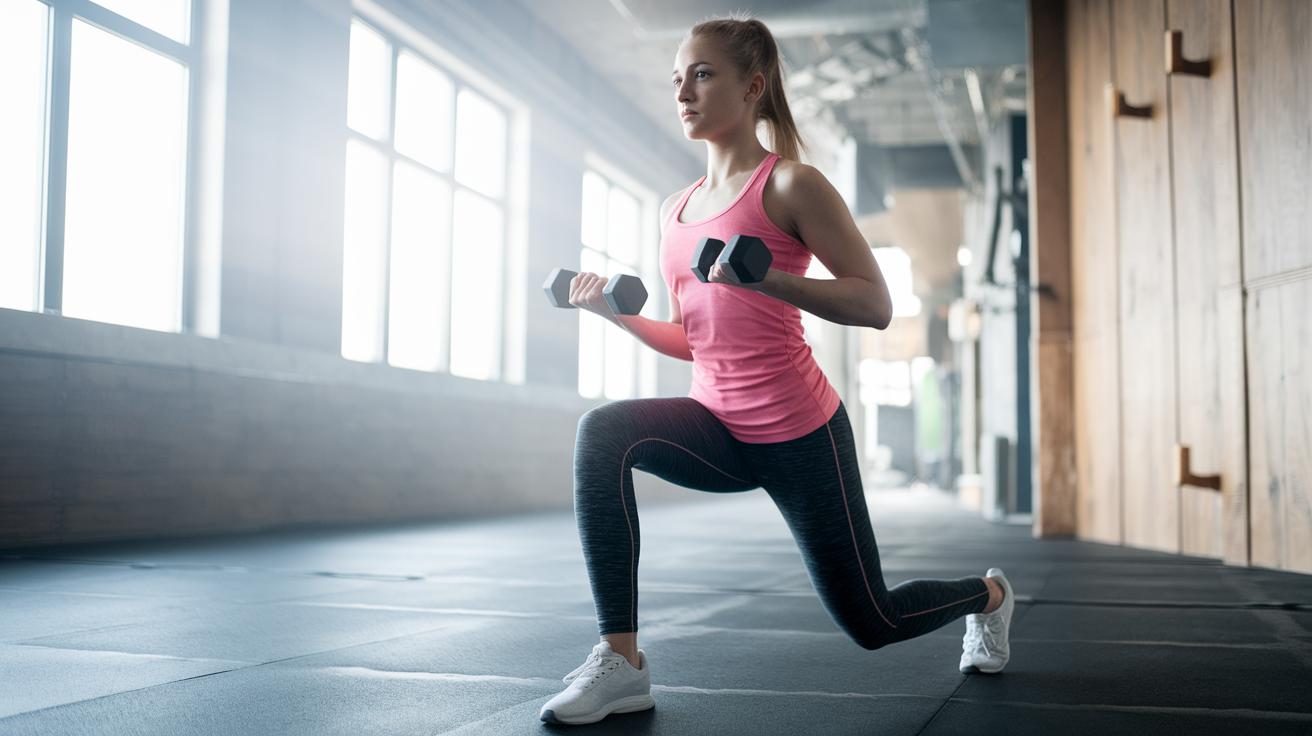
If you're just starting to mix weights with cardio, begin with light dumbbells around 5 to 10 pounds. Take extra breaks between sets and try wall-supported lunges to build your balance and confidence. Imagine leaning against a wall as you slowly lower yourself, this steady movement helps boost your strength and coordination.
When you're comfortable and ready for a bit more, use moderate weights at a steady pace. Focus on exercises you know well, keeping good posture and taking enough rest so your heart keeps working. This mix of movements builds your endurance and tones your muscles, giving you the best of both strength and cardio.
And if you're up for a tougher challenge or need something easier on your joints, try some advanced tweaks. You could add barbell exercises or wear a weighted vest while cutting back your break times to step up the intensity. Or, if you prefer a gentler ride, stick with light weights and use a LISS method (which means doing exercises at a steady, easy pace). You might also mix in quick, powerful moves to spark extra energy. Either way, these options keep your workout fun, challenging, and just right for your fitness needs.
Final Words
In the action of blending strength moves and heart-pumping drills, we shared easy ways to fire up your workout. We looked at sample routines, the gear that brings the extra push, and tips for keeping proper form. Small adjustments help you steadily build strength and boost energy day by day. This guide shows how simple tweaks can lead to major wins. Embracing cardio workouts with weights can lift your mood and improve your overall well-being. Keep moving forward with confidence and feel the power of every step.
FAQ
What are dumbbell cardio exercises?
Dumbbell cardio exercises combine strength moves with aerobic bursts. They raise your heart rate, burn calories, and build muscle using weighted movements to boost overall fitness.
Can you do cardio with weights?
Doing cardio with weights means adding equipment like dumbbells to your routine. It helps maintain a high heart rate, enhances calorie burn, and builds strength simultaneously.
Will I lose weight with 30 minutes of cardio a day?
Thirty minutes of cardio daily can boost calorie burn and support weight loss. Paired with a balanced diet and strength exercises, it promotes overall fitness improvement.
What cardio is good while weight training?
Incorporating brief, intense cardio intervals during weight training helps keep your heart active and complements muscle-building efforts for improved endurance and calorie burn.
Is 20 minutes of cardio enough after lifting weights?
Spending 20 minutes on cardio after lifting weights efficiently maintains a high heart rate for extra calorie burn. It fits well as part of a balanced workout routine.
What are the benefits of full-body dumbbell cardio workouts?
Full-body dumbbell cardio workouts engage multiple muscle groups. They boost heart rate, improve strength, and assist in burning calories, offering a well-rounded and effective exercise.
Are YouTube cardio workouts with weights useful?
YouTube cardio workouts with weights provide clear guidance and routines that help you learn proper form and pacing, making exercising at home both accessible and enjoyable.

