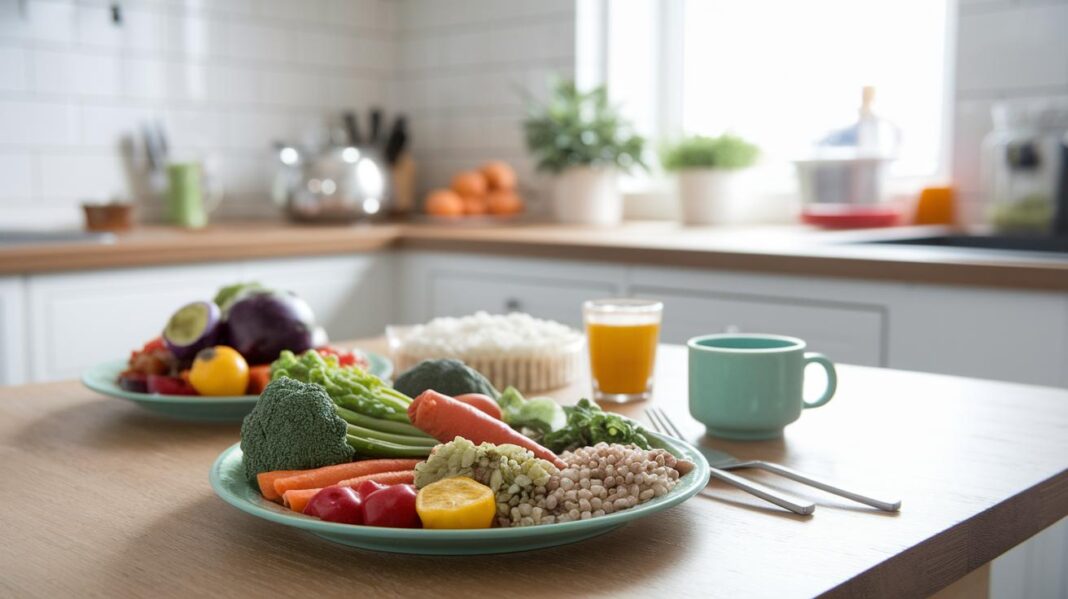
Ever get that nagging ache in your upper belly that just won't quit? It might be your body's way of warning you about an ulcer. In this post, we'll share three easy tips to help protect your stomach from harmful germs and rough pain relievers. Think of it like taking care of your car, you want it running smoothly without any surprise breakdowns. Stick with us and discover how a few small changes can make your life healthier and more comfortable.
Prevention of Ulcer Disease: Key Strategies
Ulcer disease happens when painful sores form in the lining of your stomach or small intestine. It usually occurs because a type of bacteria called Helicobacter pylori disrupts your stomach’s natural barrier or because common pain relievers like aspirin or ibuprofen weaken that barrier. Imagine someone who uses NSAIDs often for chronic pain, the constant use can irritate the stomach, and over time, that irritation might turn into an ulcer.
Most people with an ulcer experience indigestion or upper belly pain, with nearly 80% reporting discomfort in the upper part of their abdomen. If you notice pain that lasts just a few days longer than usual, it’s a clear signal that you should get checked out, kind of like a fire alarm that keeps ringing. Taking action early can help prevent serious issues such as bleeding or severe tissue damage.
Doctors usually take a mix-and-match approach to prevent ulcers. They might suggest over-the-counter or prescription medications to ease your symptoms while also advising you to use pain relievers carefully. If NSAIDs seem to be the cause, your doctor might recommend switching to something like paracetamol to be gentler on your stomach. And in more stubborn cases, like when an ulcer leads to significant bleeding or just won’t heal on its own, a surgical option might be necessary. If your symptoms are severe or don’t improve after initial treatment, it’s a good idea to see a specialist who can help stop the problem before it gets worse.
Dietary Modifications to Prevent Ulcer Disease and Protect the Gastric Mucosa
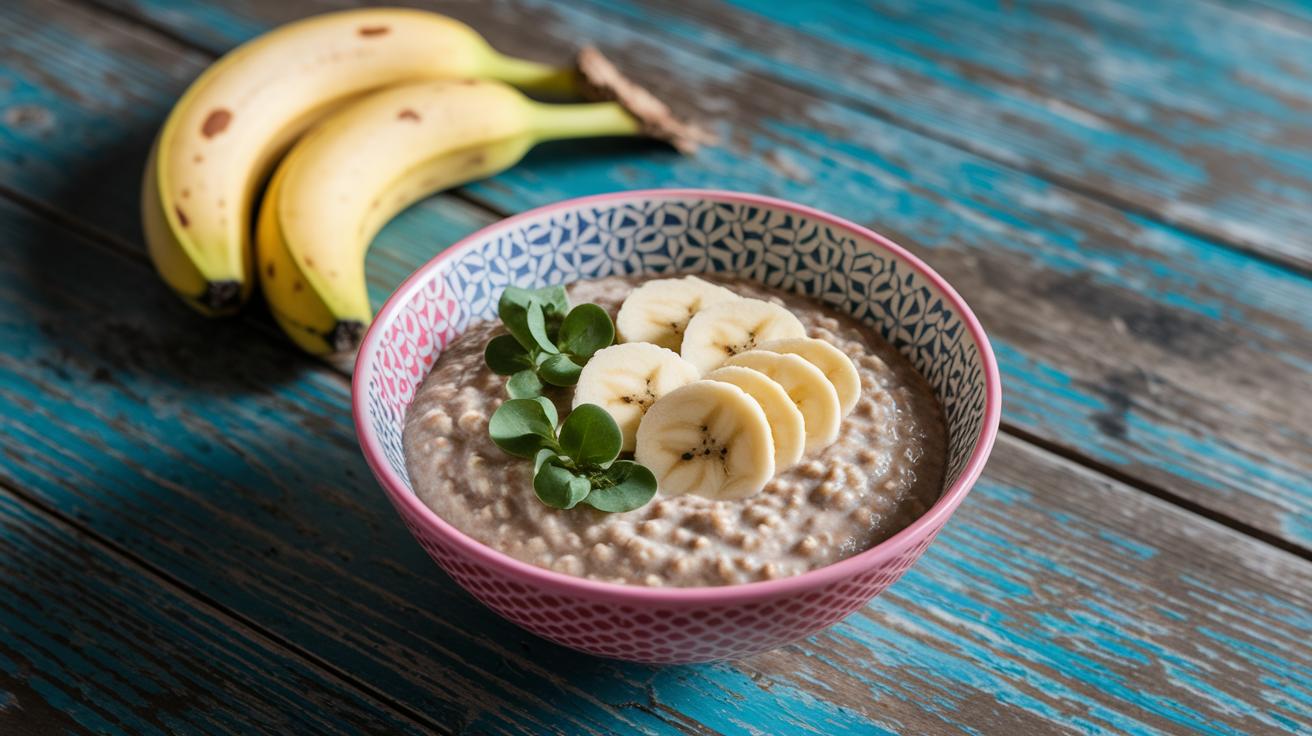
Eating well is a simple yet powerful way to care for your stomach. Changing the foods you eat can lower your chances of getting ulcers by easing irritation and helping your stomach heal. Foods packed with fiber and natural ingredients that fight swelling can calm stomach acid and soothe inflammation. Think of it like giving your digestive system a soft, protective cushion. For example, adding whole grains and leafy greens to your meals is like putting extra padding in a delicate area. Even small tweaks to your eating habits can bring big rewards for your tummy.
| Foods to Include | Foods to Avoid |
|---|---|
| Oatmeal, whole grains | Spicy seasonings |
| Bananas, papaya | Coffee, caffeinated tea |
| Leafy greens | Alcoholic beverages |
| Low-fat yogurt | High-fat fried foods |
| Ginger, turmeric | Carbonated drinks |
It also helps to be mindful about when and how much you eat. Having smaller, balanced meals spread out the work for your stomach, keeping acid levels steady instead of spiking all at once. For example, enjoying a relaxed breakfast or lunch gives your body a chance to handle acid better. And don’t forget to drink water throughout the day; staying hydrated helps keep your stomach’s pH balanced. With these easy meal habits, every bite you take becomes a step toward a healthier, happier digestive system.
Managing Medication Use to Prevent Ulcer Disease and Peptic Lesions
When you take everyday pain relievers such as aspirin or ibuprofen, they can poke holes in your stomach's natural defense, leaving you more at risk for ulcers. It's smart to ease off these drugs when possible, giving your stomach a much-needed break. Often, doctors recommend swapping them for gentler options like acetaminophen to help keep your stomach calm.
Medications like proton pump inhibitors and H2-receptor antagonists work to lower stomach acid. This extra help reduces the chance of acid hurting your inner lining by creating a safe barrier. These drugs can be a real lifesaver if you have to rely on NSAIDs for steady pain control and need that extra layer of protection.
Sometimes the best way to handle pain is without any medicine at all. For example, using a cream on your skin or even trying physical therapy might ease your discomfort without upsetting your stomach. Exploring these non-drug options can help you manage pain while keeping your digestive system in top shape.
Screening and Early Detection in Ulcer Disease Risk

If you notice early signs of tummy trouble, it's important to pay attention. A few days of lingering discomfort might be your body saying, "Something's not right!" When that nagging pain in your upper belly sticks around, it's a clear signal to get it checked.
There are simple, non-invasive tests that can help assess your risk. For example, a urea breath test or a stool antigen test can look for Helicobacter pylori, a common bacteria that can cause ulcers. If your symptoms are stronger or you're at higher risk, your doctor might use blood tests or even a small camera (endoscopic imaging) to take a closer look at your stomach lining. These tests help figure out if more treatment is needed.
If your symptoms continue or test results raise concerns, it's a good idea to see a gastroenterologist. This specialist can run detailed tests and monitor your gut health closely. Regular check-ups are key to catching any changes early and making sure nothing serious develops. Even if early tests show only mild irritation, follow-up visits ensure the problem stays under control.
Lifestyle Modifications to Prevent Ulcer Disease
Ever notice how stress, smoking, or too much alcohol can upset your stomach? When you're feeling stressed, your body produces extra stomach acid, which slows down the healing process. Smoking and heavy drinking also lower blood flow, making your stomach wall more vulnerable. Changing these habits can give your digestive system a real boost and help keep painful ulcers at bay.
Stress Management Techniques
One simple trick is deep breathing. Try slowly inhaling and exhaling for a count of four, it might feel small, but it can lower stress quickly. You can also use guided imagery by picturing a calm, peaceful place, which helps soothe your mind. Taking short, timed breaks during work or study can serve as a refreshing reset. Techniques like meditation or progressive muscle relaxation may gradually reduce your overall stress. Even a five-minute pause every couple of hours can make a big difference for your stomach health.
Exercise and Habit Changes
Aim for about 150 minutes of moderate exercise each week. Activities like brisk walking, cycling, or dancing help boost circulation and keep your gut functioning well. Quitting smoking is another win, it improves blood flow and supports the protective lining of your stomach. Consider reviewing your weight management habits, too; losing even a few pounds can lessen stress on your body and reduce acid production. When you combine these changes with a balanced diet, you're taking great care of your digestive system from all sides.
Making these lifestyle changes isn’t just about feeling better right away. By cutting down on stress and harmful habits while staying active, you can significantly lower your risk of ulcers and build a healthier, more resilient digestive tract.
Role of Probiotics and Nutritional Supplements in Ulcer Disease Prevention

New studies suggest that certain probiotics can help strengthen your stomach's lining and speed up its natural repair process. These good bacteria work like a little maintenance crew for your digestive tract, calming inflammation and boosting your stomach's defenses. Some small studies even hint that taking these probiotics regularly might be a smart move for those at risk of ulcers.
There’s also solid evidence showing that micronutrients play a big role in keeping your gut strong. Vitamins C and E, along with zinc, help repair tissues and fight off damage from harmful free radicals (tiny particles that can hurt your cells). Think of these antioxidant-rich nutrients as a protective shield that helps keep your stomach lining intact, even if you only add a bit more of them to your diet.
When you’re choosing supplements, start by giving the labels a quick look. You want to find the right dosage for your needs, like about 500 milligrams of vitamin C, balanced levels of vitamin E, and properly measured doses of zinc. For probiotics, check that the product lists its colony-forming units (CFU) to ensure you’re getting enough of the good bugs. And of course, have a chat with your healthcare provider before adding anything new to your routine, they can help you pick the best options for your digestive health.
Final Words
In the action of reviewing ulcer care, we covered what ulcer disease is, its main causes like H. pylori and NSAIDs, and signs that need prompt attention. We also explored simple food swaps, safe medication choices, routine screenings, and stress-reducing habits that support overall digestive health.
Bringing these ideas together builds a strong base for better health management. Remember, prevention of ulcer disease plays a key role in keeping your stomach and overall wellness in check.
FAQ
What is the fastest way to cure a stomach ulcer?
The fastest way to cure a stomach ulcer involves using acid-reducing medications and antibiotics when Helicobacter pylori is present, along with avoiding irritants and making simple dietary adjustments.
What are the warning signs of an ulcer?
The warning signs of an ulcer include persistent upper abdominal pain, bloating, and indigestion. If these symptoms last for several days, seeking medical advice is a wise step.
What causes ulcers and peptic ulcer disease?
Ulcers and peptic ulcer disease most often stem from Helicobacter pylori infection or regular use of pain relievers that weaken the stomach lining, triggering inflammation.
What are common ulcer symptoms in women?
Common ulcer symptoms in women include mild to moderate upper abdominal discomfort, nausea, and indigestion. Early signs can be subtle, so timely discussion with a healthcare provider is essential.
How long does it take for a stomach ulcer to cause fatal complications?
A stomach ulcer rarely causes death directly. When complications occur, such as heavy bleeding or perforation, serious risks develop over time, emphasizing the need for prompt treatment.
What is the best treatment for stomach ulcers?
The best treatment for stomach ulcers generally involves acid suppression therapy, antibiotics to treat any infection, plus lifestyle changes to reduce irritation and promote healing.
What prevents a stomach ulcer?
Preventing a stomach ulcer means avoiding overuse of pain relievers, moderating alcohol intake, managing stress, and following a balanced diet that supports your stomach’s natural defenses.

