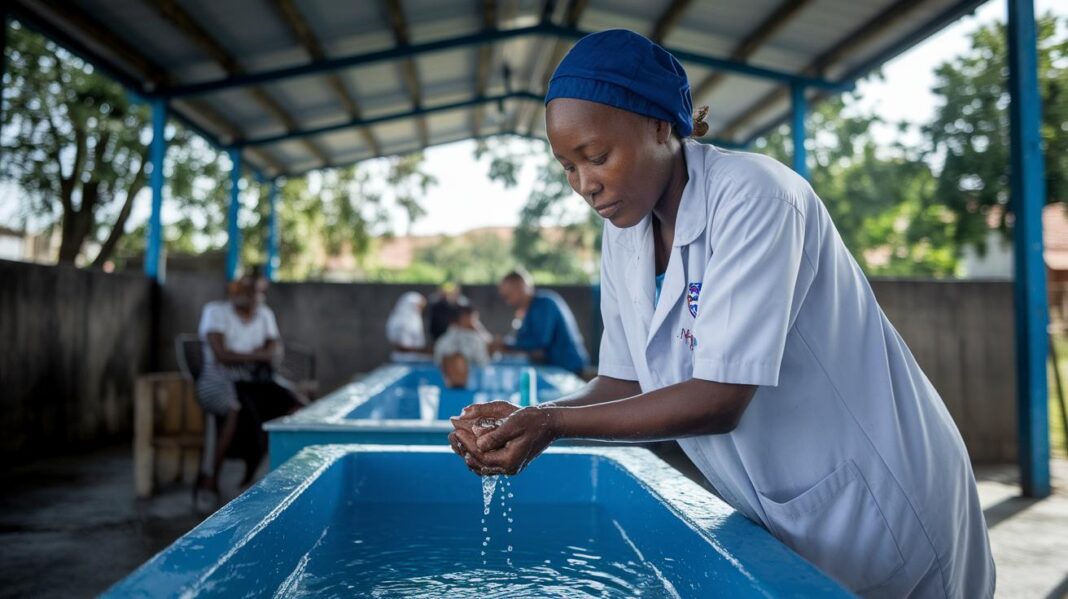
Have you ever stopped to think that little habits might actually save lives? Keeping cholera at bay starts right at home with one simple rule: always use clean water for drinking, cooking, and washing. Clean water means water that is free from dangerous germs.
You can protect your family by boiling your water or treating it with safe chemicals. These methods kill germs like Vibrio cholerae, the bacteria that causes cholera. Good handwashing and safe food practices work wonders too, stopping germs before they spread. And yes, getting vaccinated helps shield you and your neighbors.
This guide shares practical, everyday steps to keep cholera away. Read on to find out how a few small changes can make a big difference in protecting your loved ones and community.
Critical Measures for Prevention of Cholera Disease
Cholera happens when a bacteria called Vibrio cholerae gets into your body through dirty food or water. That’s why it’s so important to only use boiled, chemically disinfected, or bottled water for drinking, washing, and cooking. Boiling water not only makes it taste fresher but also helps cut down on harmful germs that can cause severe diarrhea. By sticking to these safe water habits, you’re taking a big step to protect yourself and your community from a fast-spreading outbreak.
Keeping things clean plays a big role too. Washing your hands with soap after using the bathroom or before handling food can stop the spread of bacteria. In fact, think of washing your hands as scrubbing away invisible germs that might be lurking after a quick trip out. Using safe latrines and making sure food is cooked well (especially seafood from doubtful water sources) adds even more protection. Simple actions like cleaning utensils and work surfaces can make a real difference in keeping cholera at bay.
Vaccination is also a key piece of the puzzle. The cholera vaccine has been shown to offer strong protection, which is especially useful for travelers or people living in areas where cholera pops up often. Health experts recommend that anyone at risk get vaccinated as advised by local health authorities. When you combine safe water practices, good sanitation, careful handwashing, and vaccination, you create a comprehensive shield against cholera, helping keep both individuals and communities safe.
Water Purification Techniques for Prevention of Cholera Disease
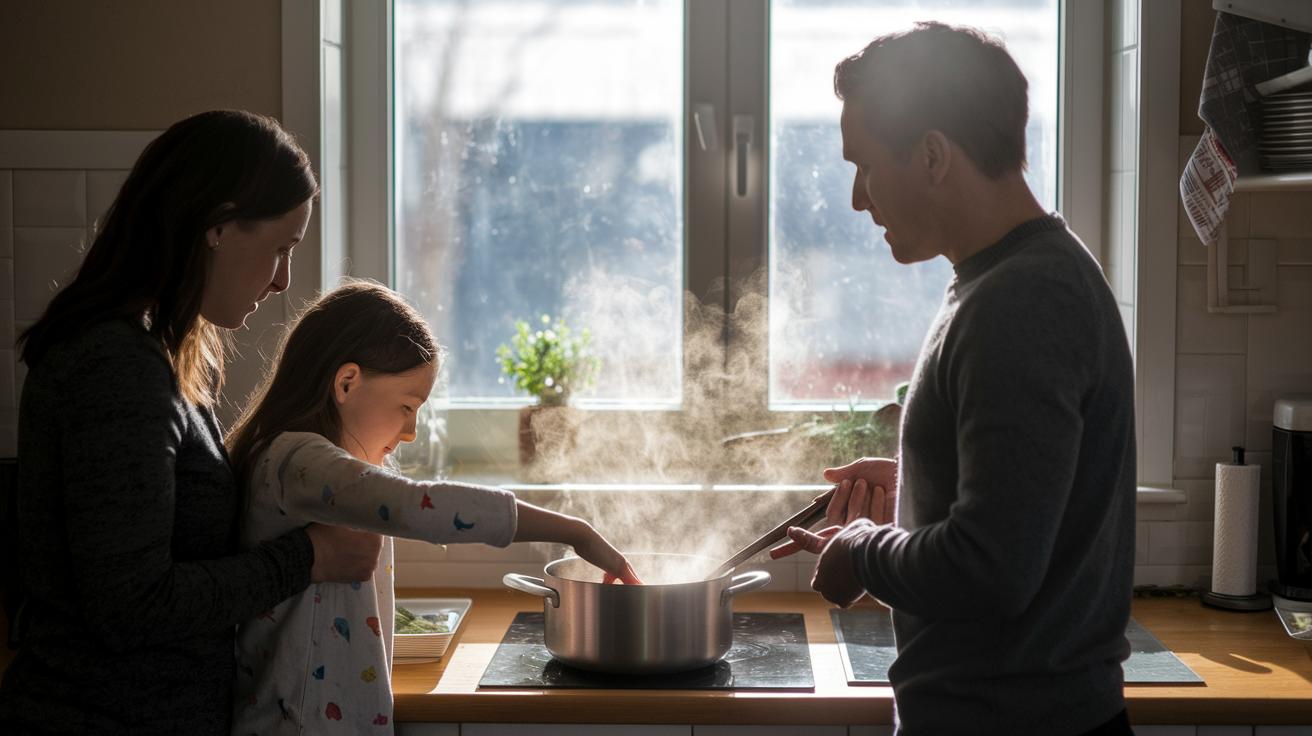
Stopping cholera starts with treating water at home. Boiling water is super simple and kills harmful germs. You can also use chlorine-based chemicals to disinfect your water. And when you can, bottled water is another safe choice. For example, a family in an area where cholera is common might boil water every day to protect their kids.
Modern tech makes water even safer. UV disinfection units use ultraviolet light (a type of energy that stops bacteria) to quickly neutralize germs. Point-of-use filters also clear impurities and cut down on any leftover contamination. These tools are especially handy in places where water quality can change a lot. They add an extra layer of protection, helping ensure that the water you drink and cook with is as clean as possible.
Regular checks on water quality are key in areas facing outbreaks. Simple, routine tests can spot contamination early so action can be taken right away. Improving water and sewage systems further lowers the risk by cutting down on possible contamination. By mixing simple methods with modern techniques, households and communities can really reduce the chance of cholera. Regular tests like checking chlorine levels and pH keep water treatment effective and alert local authorities to any issues. In fact, communities that stick with these practices often see fewer cholera cases and enjoy healthier lives.
Sanitation and Hygiene Practices for Prevention of Cholera Disease
Improving community sanitation means upgrading old latrines to designs that keep waste far from water sources and shared spaces. For example, a community might swap out outdated pit latrines for new ventilated styles that protect local water supplies.
Trying innovative waste management can be a game changer. Think about using composting toilets and regular clean-up events. Imagine residents teaming up each week to lower pollution and spread the word about keeping the environment safe.
Education is key, too. Community programs can go beyond basic handwashing and safe cooking practices. Picture an interactive workshop where neighbors share simple, practical tips to keep shared facilities clean.
Setting up local monitoring helps everyone stay on track. A simple checklist during neighborhood visits can help residents keep an eye on communal latrines and waste bins, letting them report issues right away.
Finally, getting everyone involved with participatory events encourages ongoing improvements. Imagine a community forum buzzing with ideas where feedback on waste practices sparks creative ways to make the surroundings cleaner and healthier.
Cholera Vaccination for Prevention of Cholera Disease

Getting vaccinated is a smart step to lower your chance of getting cholera, especially if you live in or visit areas where the illness is common. If you’re a U.S. traveler, you can choose the Vaxchora oral vaccine to help protect you during your trip. Other options like Dukoral and Shanchol also play a big role in cutting down the risk of infection. Dukoral works well for people of any age, offering 85–90% protection for about 4–6 months. Shanchol is mostly meant for young children under five and protects them against both Vibrio cholerae O1 and O139 for up to two years, reducing the risk by more than half.
These vaccines work best when paired with good hygiene and safe water practices. This mix helps health experts set up vaccination plans that fit the specific needs of each community. Still, sometimes a lack of enough vaccines might slow mass vaccination efforts during an outbreak.
Comparing Oral Vaccines
| Vaccine | Age Group | Efficacy | Duration |
|---|---|---|---|
| Vaxchora | Travelers | Effective protection in endemic regions | Short-term |
| Dukoral | All ages | 85–90% | 4–6 months |
| Shanchol | Children under 5 | >50% reduction in risk | Up to 2 years |
Community Engagement Strategies for Prevention of Cholera Disease
-
Risk assessment and local mapping
First, get to know where your community faces the most risk. Work together with local health officers to mark water sources and sanitation spots. For instance, a neighborhood might join forces with a local clinic to check water quality and point out places that could get contaminated. This simple check can catch problems before they grow into something bigger. -
Health-worker outreach and hygiene promotion
Next, rely on community health workers to lead hands-on sessions that show everyone the right way to wash their hands and safely use latrines. Imagine a local expert doing a live demo of proper handwashing during a small public meeting, or a friendly group discussion about safe food handling. These practical sessions help change everyday habits and have a proven track record in reducing infections. -
Early warning systems and environmental surveillance
Then, set up basic systems so residents can quickly report any unusual sickness or water issues. Think of community boards or text messages that alert everyone when water quality falls. Catching a problem early means that steps can be taken immediately to prevent a full-blown outbreak. -
Mobilizing resources for emergency response
Finally, in areas where people might be displaced or face conflict, organize community meetings and run drills to prepare everyone for potential outbreaks. Regular exercises and clear, simple communication help folks work with responders seamlessly during an emergency, making sure the right actions are taken when needed.
Infrastructure and Policy Frameworks for Prevention of Cholera Disease

Investing in strong water systems and reliable sewage services is a smart way to stop cholera at its source. When communities have safe water, they face fewer risks from nearby contaminants. Modern upgrades also help towns handle floods and droughts, providing a steady foundation for water safety. National policies, guided by WHO advice and global standards, back these key improvements in water treatment and sanitation. They even consider social challenges like displacement and weak healthcare access that can worsen crises.
Updating public services and rethinking policy guidelines are practical steps governments can take to lower cholera risks. Projects that upgrade sewage systems and add flood-resistant water treatment units show just how essential these investments can be. Regular water quality checks and a clear focus on international standards help ensure that these efforts lead to better health outcomes for everyone.
| Indicator | Data |
|---|---|
| Reported Cases (Jan 2024) | ~41,000 |
| Deaths (Jan 2024) | 775 |
| Case Increase (2023) | 40% rise |
| Death Increase (2023) | 80% rise |
Final Words
in the action, we looked at clear steps to protect ourselves and communities from cholera. We reviewed safe water practices, improved hygiene, vaccination benefits, and community engagement strategies that you can use daily.
These insights simplify how we manage health by shining a light on everyday choices. They help you take charge and stay informed.
Remember, every simple change makes a big difference in the prevention of cholera disease. Keep pushing forward and enjoy the benefits of improved well-being.
FAQ
What are effective ways to prevent cholera?
The approaches for cholera prevention include safe water practices, handwashing, sanitation measures, thoroughly cooked food, and vaccination. Communities can also lower risks by promoting hygiene education and maintaining clean water sources.
What treatments address cholera effectively?
The treatment for cholera involves rapid rehydration using oral rehydration salts or IV fluids, complemented by appropriate antibiotics in severe cases. Monitoring and supportive care help prevent complications.
What causes cholera?
The causes of cholera are linked to Vibrio cholerae bacteria, which are often found in contaminated water or food. Poor sanitation and inadequate water treatment raise the risk of outbreaks.
How is cholera transmitted?
Cholera is transmitted when people consume water or food contaminated with Vibrio cholerae. Unsafe water sources, poor sanitation, and lack of hand hygiene accelerate its spread.
What should you eat when you have cholera?
The dietary advice during cholera focuses on small, bland meals and plenty of fluids to restore lost hydration. Consuming easily digestible foods under medical guidance supports recovery.

