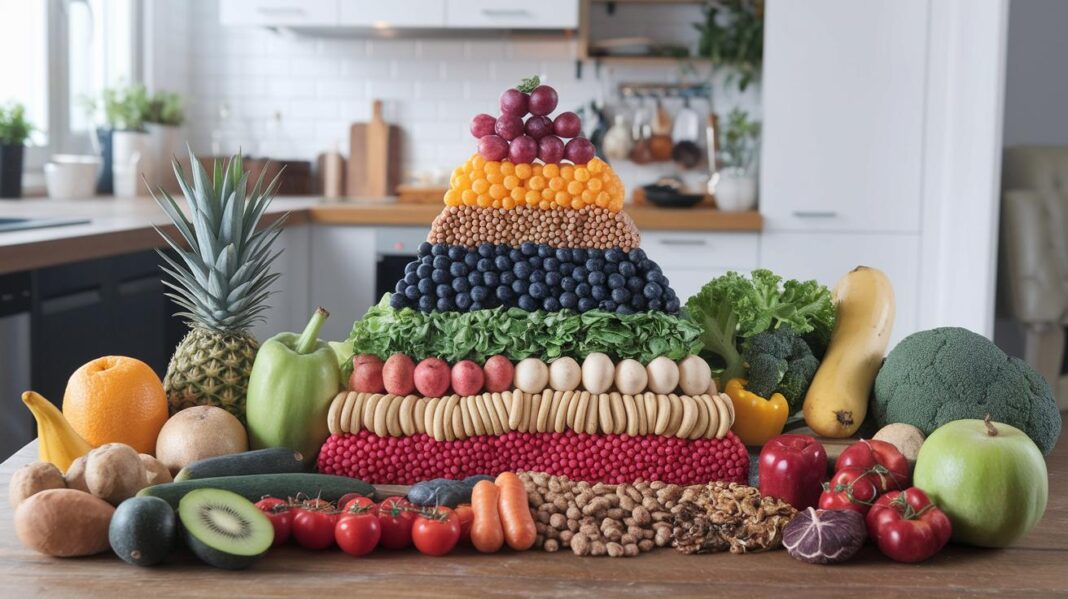
Ever think your plate might be the map to a healthier, fuller life? Imagine the food pyramid as a step-by-step guide for building your meals. Its base is packed with whole grains, fruits, and veggies, giving you a strong foundation for good eating.
Next up, you add proteins and dairy, which show you how to keep your energy up throughout the day. In truth, this simple guide turns everyday food into a little tool for lasting energy and overall well-being.
balanced diet food pyramid Inspires Nutritious Meals
The balanced diet food pyramid is a handy guide for building healthy meals. Created by the USDA, it uses layers to show which food groups should take up most of your plate. At the bottom, whole grains, fruits, and vegetables form a strong base filled with the vitamins, minerals, and fiber your body needs. Think of it like building a house: you start with a solid foundation.
As you move up the pyramid, you find dairy and protein options like milk, yogurt, lean meats, and beans. These foods provide important nutrients such as calcium, protein, iron, and B vitamins. At the top, fats and sweets are placed for occasional enjoyment and balance. Harvard School of Public Health even suggests adding regular physical activity and, if needed, supplements to support overall well-being.
In short, this pyramid is a great reminder that healthy eating is all about enjoying a variety of foods. Picture the pyramid as a straightforward blueprint for making smart meal choices that nourish your body every day.
Core Food Groups in the Balanced Diet Food Pyramid
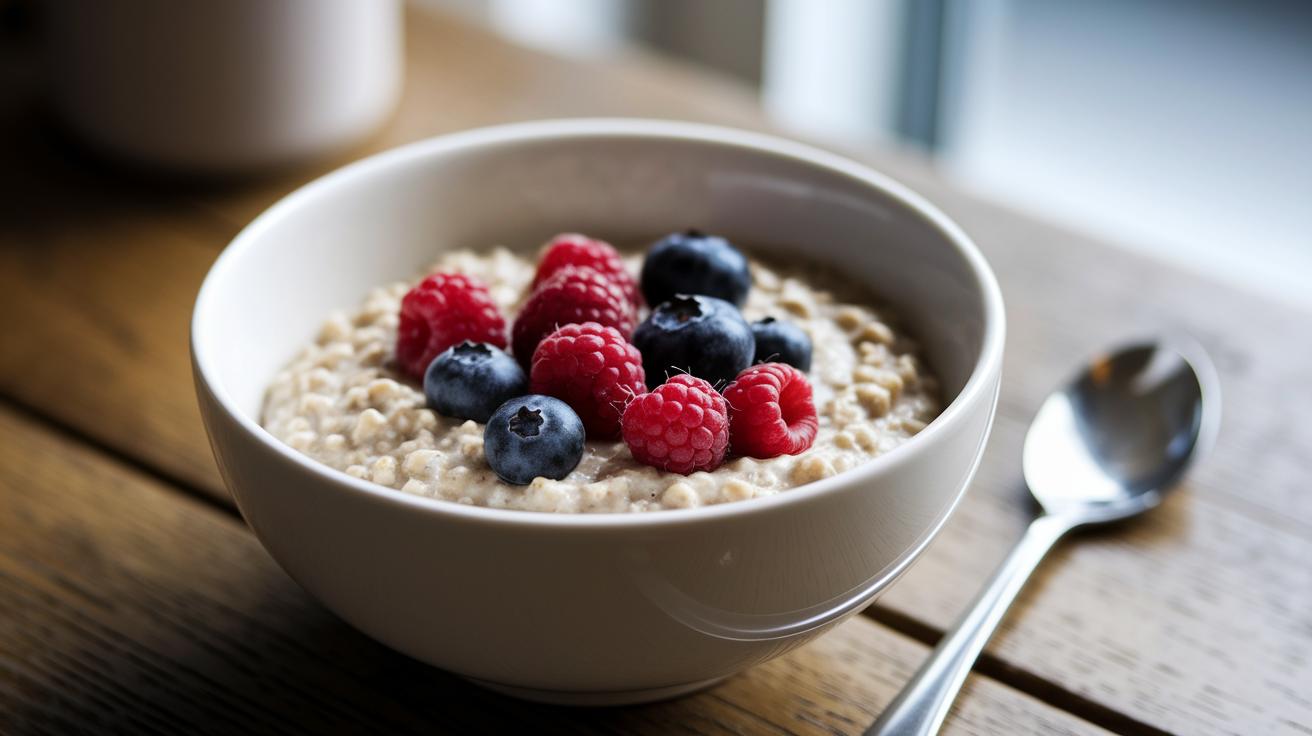
The base of this pyramid is made up of whole grains, fruits, and vegetables that do more than just keep you energized. Whole grains give you the carbohydrates you need, along with fiber that helps your digestion. Fruits and veggies are loaded with vitamins, minerals, and antioxidants. Imagine starting your day with a warm bowl of oatmeal topped with fresh berries, it’s simple, tasty nourishment.
Moving up the pyramid, dairy and protein foods support your body in repairing itself and growing stronger. Dairy like milk and yogurt not only offer calcium but also provide protein to help fix cells. Lean protein sources, from beans to grilled chicken, supply iron and B vitamins which help keep your energy up. Picture a snack of a small yogurt cup paired with a handful of almonds and a crisp salad.
At the top, fats and added sugars should be enjoyed in small amounts. Healthy unsaturated oils, such as the kind in avocados or olive oil, help your body take in vitamins and support heart health. Think of a light drizzle of olive oil on a salad, it adds flavor and extra nutrients without going overboard.
The Harvard Healthy Eating Plate shows a slightly different way to look at meals: fill half your plate with fruits and vegetables, one-quarter with whole grains, one-quarter with protein, and add a dash of healthy oils. Imagine a balanced lunch featuring a grilled fish fillet over quinoa with plenty of mixed greens, all lightly dressed with olive oil.
| Food Group | Key Benefit |
|---|---|
| Whole Grains | Carbohydrates and fiber for energy and smooth digestion |
| Fruits | Vitamins, antioxidants, and a natural sweetness |
| Vegetables | Essential minerals that support overall digestion |
| Dairy | Calcium and protein for strong bones and daily repair |
| Protein Foods | Iron, B vitamins, and amino acids for muscle maintenance |
| Fats and Added Sugars | Flavor enhancement with a focus on beneficial oils for heart health |
Recommended Servings and Portion Guidelines in the Balanced Diet Food Pyramid
If you follow a 2,000-calorie diet, the USDA guidelines can be a great roadmap to build well-rounded meals. Picture starting your day with whole grains, not only do they give you energy, they also help keep your digestion steady. For example, a bowl of oatmeal is a simple way to work toward the 6 to 11 servings of grains suggested for the day.
Vegetables are next. Aim for 3 to 5 servings; think of a bright, crunchy salad at lunch that packs in all the vitamins and minerals your body needs. Fruits add a burst of natural sweetness, and having 2 to 4 servings (maybe an apple or a handful of berries) works perfectly as a snack or after-meal treat.
When it comes to dairy, go for 2 to 3 servings. Enjoy a glass of milk or a small bowl of yogurt, like in a smooth, refreshing smoothie, to boost your protein and calcium intake. For protein foods, try to include 2 to 3 servings like lean meats, legumes, or a handful of nuts.
And don’t forget about oils. Spread 5 to 7 teaspoons throughout your meals, perhaps a bit of olive oil drizzled over steamed veggies, to add healthy fats.
| Food Group | Daily Recommended Servings | Examples |
|---|---|---|
| Grains | 6–11 servings | Bowl of oatmeal, whole grain bread |
| Vegetables | 3–5 servings | Mixed salad, steamed broccoli |
| Fruits | 2–4 servings | Apple, banana, berries |
| Dairy | 2–3 servings | Milk, yogurt, cheese |
| Protein Foods | 2–3 servings | Chicken breast, tofu, beans |
| Oils | 5–7 teaspoons | Olive oil, avocado oil |
Nutrient Distribution and Health Benefits of the Balanced Diet Food Pyramid Layers
Recent research reveals that even small tweaks in your food layers can make a big difference in your health. Studies show that upping whole grains while cutting back on refined ones helps keep blood sugar levels steadier. In fact, adding one extra serving of whole grains daily might give your digestion a noticeable boost.
Simple tips can help you add these nutrients to your everyday meals. Instead of repeating the usual benefits, try these fresh ideas:
- Swap out white bread for whole-grain options to help keep your energy steady.
- Stir-fry a mix of colorful veggies with a drizzle of olive oil and herbs.
- Grab a small bowl of Greek yogurt as a mid-day snack to get an extra dose of calcium and protein.
- Toss a handful of nuts or legumes into your lunch for added protein and fiber.
For instance, try this practical tip: "Swap your regular sandwich bread with whole-grain bread. Enjoy the nutty taste and extra fiber that helps smooth your digestion."
| Food Group | Novel Insight |
|---|---|
| Grains | Whole grains help manage blood sugar better than refined grains. |
| Vegetables | A colorful mix in your meal can lower inflammation markers. |
| Dairy | A serving of Greek yogurt makes it simple to boost daily protein. |
| Proteins & Fats | Nuts and legumes add valuable nutrients without extra saturated fat. |
These tips breathe new life into the usual advice, giving you hands-on ideas to easily mix these health benefits into your daily routine.
Applying the Balanced Diet Food Pyramid to Daily Meal Planning
Using the food pyramid as your guide helps you build meals that are both balanced and satisfying. Fill half your plate with fruits and vegetables, one-quarter with whole grains, and one-quarter with lean proteins to enjoy a mix of nutrients that support your health. You can tweak these portions based on your age, activity, or personal needs. For example, seniors might add extra protein while active athletes may need more carbohydrates for energy. Some experts even suggest including a bit of exercise and an optional multivitamin to round out your healthy lifestyle.
Sample Daily Meal Menu
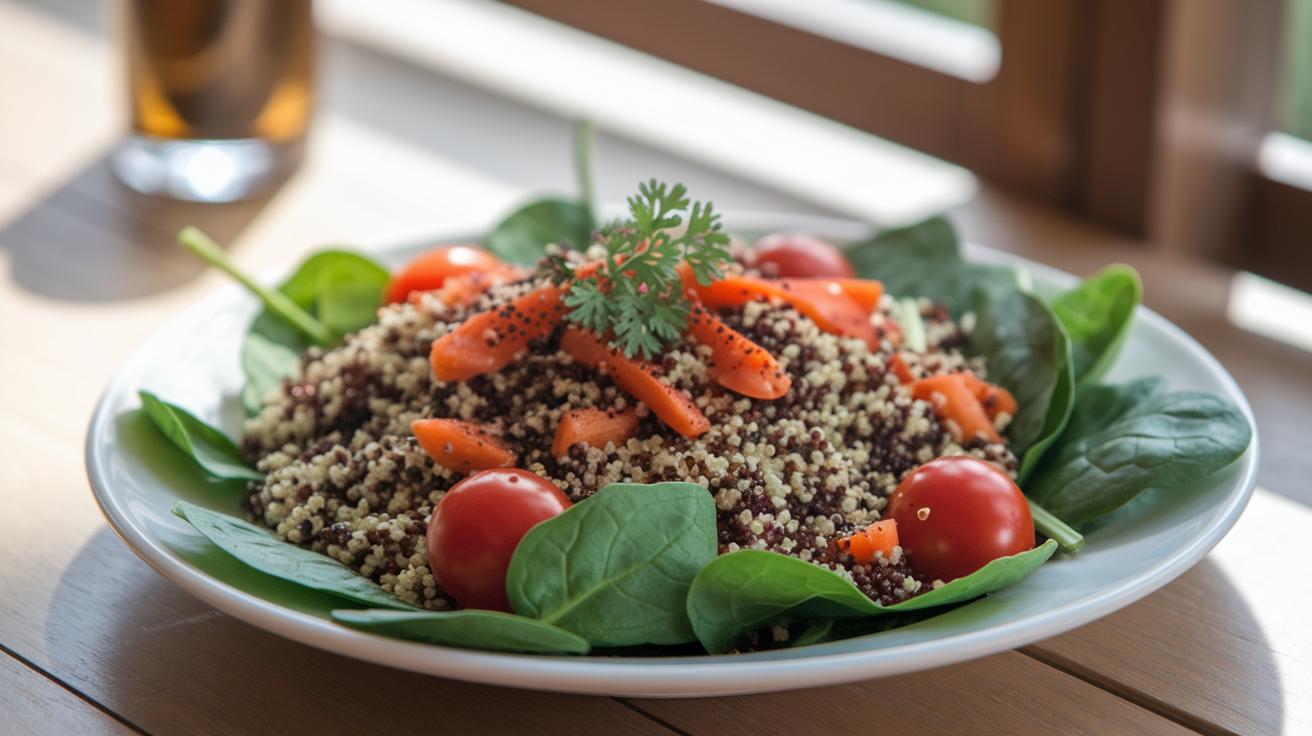
Imagine starting your morning with a bowl of mixed berries paired with whole-grain toast lightly spread with nut butter. This simple breakfast lifts your energy and sets a healthy tone for the day. At lunch, picture a crisp salad filled with spinach, cherry tomatoes, and carrots, topped with a serving of quinoa and sliced lean turkey. For dinner, think of a warm plate of steamed broccoli, roasted sweet potatoes, and a nicely grilled piece of fish, each serving arranged just like the pyramid recommends. These meals show how you can enjoy tasty, balanced nutrition no matter your daily routine.
Meal Prep Strategies for the Balanced Diet Food Pyramid
Planning ahead can make sticking to a balanced menu much easier. Start by batch cooking staples like brown rice, grilled chicken, and chopped vegetables. Then, pre-portion these items into containers so you can mix and match them all week long. This approach saves you time each day and keeps your meals in line with healthy guidelines. Plus, by setting aside an hour or two each week to prep your food, you free up time for physical activity too. With these simple strategies, making healthy eating a habit becomes almost effortless.
Evolution and Alternatives to the Traditional Balanced Diet Food Pyramid
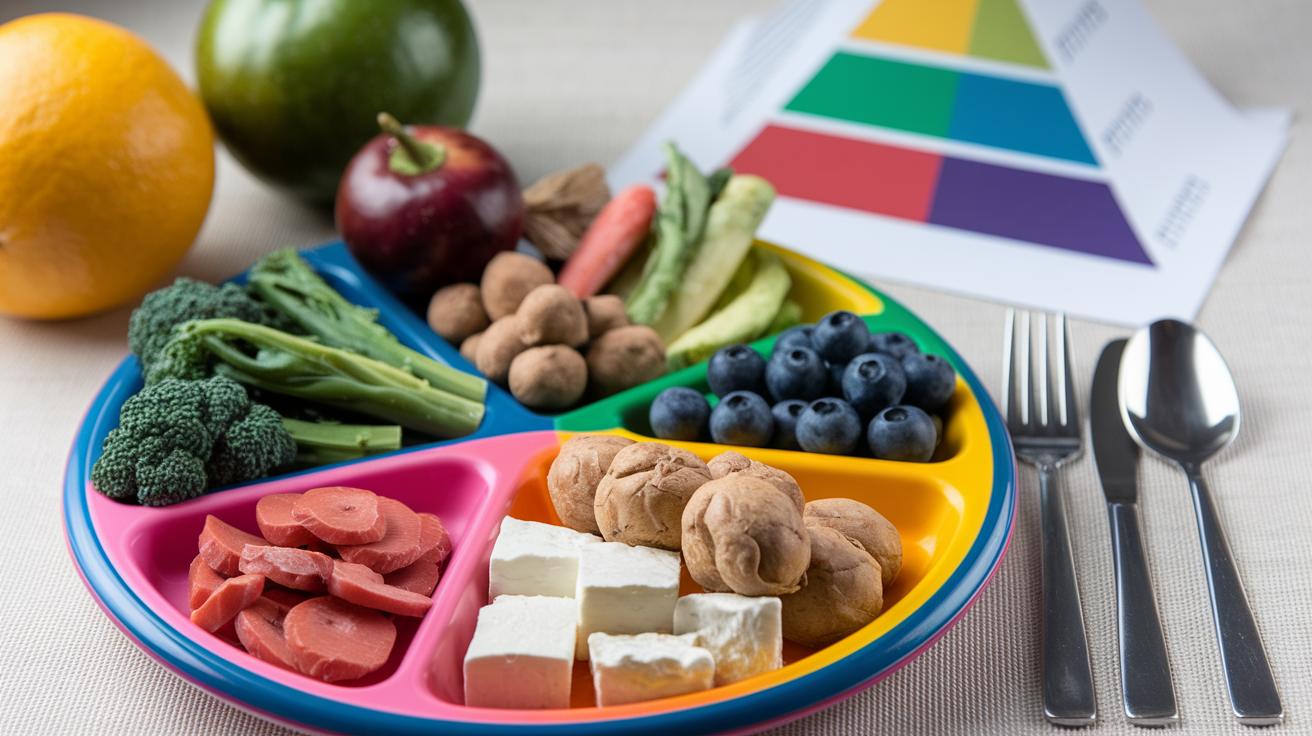
Back in 2011, the USDA decided to ditch the old pyramid design in favor of MyPlate. This new idea shows food groups on a plate divided into sections, making it simple to see how much of each food type you should eat. It’s like looking at an easy-to-read map of your meal.
Harvard’s Healthy Eating Pyramid takes things a step further. It not only suggests making healthy food choices but also reminds you to move more, drink enough water, and use good oils instead of too much butter. Imagine a pyramid that also gives you a friendly push to go for a walk after dinner or to choose olive oil over red meat. This approach offers real, everyday advice instead of just stacking food categories.
Some people have criticized the old pyramid because it didn’t clearly show portion sizes, and it barely mentioned sustainable eating. Without these details, it’s no surprise that folks often wonder what a balanced meal should really look like every day.
Nowadays, fresh alternatives like the Mediterranean Diet pyramid and other eco-friendly food guides are getting a lot of attention. These guides mix in ideas about caring for our planet with easy-to-follow tips for daily eating. They offer a modern, well-rounded update that feels both practical and friendly.
Final Words
In the action, the article broke down the balanced diet food pyramid, starting with its basic structure and main food groups. It then outlined serving sizes, nutrient benefits, and practical meal planning tips that make healthy living approachable. The post also compared the traditional pyramid with modern alternatives, guiding readers to use data for informed decisions. Whether you're fine-tuning your daily routine or building nutritious meals, the balanced diet food pyramid offers a clear path to better health. Enjoy making every bite count!
FAQ
What is the food pyramid in a balanced diet?
The food pyramid in a balanced diet represents a visual guide that organizes food groups by their importance, helping you plan meals that cover essential nutrients for overall health.
What does a food pyramid chart illustrate?
A food pyramid chart visually explains various food groups, showing the recommended proportions from staples like grains at the base to fats and sweets at the top, making meal planning straightforward.
What are the 7 components of a balanced diet?
The 7 components often include whole grains, vegetables, fruits, dairy, proteins, fats, and sugars, each contributing key nutrients that support energy, growth, and body functions.
What is the 4 4 3 2 nutrition food pyramid?
The 4 4 3 2 nutrition food pyramid is a version that allocates servings—typically 4 servings each for two groups, followed by 3 and 2 servings for others—to create a balanced meal framework.
What are the 5 levels of the food pyramid?
The 5 levels of the food pyramid usually start with grains, followed by fruits and vegetables, then dairy, protein foods, and finally a top level where fats and sugars are used sparingly.
How is the food pyramid adapted for kids?
The food pyramid for kids is simplified to show essential food groups in clear layers, helping children understand healthy eating by emphasizing more fruits, vegetables, and whole grains.
What resources explain each food pyramid group?
Detailed explanations, including group functions and benefits, are available in printed guides and PDFs, offering easy-to-read breakdowns so you can learn how each food group supports your health.
What is the USDA food pyramid and its future update?
The USDA food pyramid is a classic nutrition guide that outlines balanced eating, and future updates like the 2025 version may reflect new research and modern food choices for improved dietary recommendations.

