
Ever wondered if your food might be slowing you down? What if a balanced diet could be your secret to more energy every day? Think of it like fueling your body with high-quality gas.
With the right mix of carbs, proteins, fats, and vitamins (that means the nutrients your body needs), you can run faster, recover quicker, and hit exciting new milestones.
In this post, we'll explain how smart food choices can boost your energy whether you're training or racing. Your meals might just be the missing piece in your journey toward better performance.
Core Principles of a Balanced Diet for Runners
When you're hitting the pavement, your body needs the right mix of fuel to keep you going strong. Think of your body like a car that needs premium gas, carbohydrates, proteins, fats, vitamins, and water all play their part in keeping your engine running smoothly. Carbohydrates are the primary fuel source. For runs that last more than 60 minutes, try to get about 30 to 60 grams of carbs each hour. On those ultra-long runs, you might need 60 to 90 grams per hour. It’s like how elite runners carefully plan out their snack breaks to stay energized.
Protein is essential too because it helps repair and build your muscles after your run. Enjoying a mix of protein from foods like dairy, meat, fish, or eggs, maybe paired with some fruit for extra carbs, gives your body the boost it needs to recover quickly.
Don’t forget about healthy fats! Foods like peanut butter or oily fish not only satisfy your hunger but also support lower-intensity workouts like recovery runs or cross-training. The key is to choose quality foods that meet your overall energy needs, rather than just focusing on calorie counts.
Remember, it's important to eat well-timed meals and snacks that keep your energy steady throughout the day. And while fueling up, stay well-hydrated and mix up your food choices to get a full range of vitamins and minerals. This balanced approach helps you run, recover, and perform at your best every time you head out.
Carbohydrate Loading and Race Day Fueling Strategies for Runners

Carbs are a runner’s best friend, especially when you’re pushing your pace. For runs longer than an hour, try to get between 30 to 60 grams of carbs every hour. When you’re preparing for extra long sessions, bump that up to 60 to 90 grams each hour. This steady flow of carbs helps keep your energy high by fueling your body’s glycogen stores, which may need about 500 grams of carbs for long efforts.
Before you head out, grab a simple carb snack 1 to 2 hours earlier. Think about something light like a slice of toast with jam or a banana. It’s a bit like filling up your gas tank before a long drive, you need that quick burst of energy without any heavy digestion issues. I sometimes say, “Before my morning run, I munch on a banana and a few crackers to get started.”
During your run or race, plan small, regular snacks to maintain your energy. Snack on easy-to-digest items like energy gels or dried fruit, and mix those with water or an electrolyte drink to help keep you hydrated. This way, you lower the risk of a stomach upset while staying fueled.
Try out different carb sources during training. Testing what works best for your body can help you avoid surprises on the race day. This simple approach to fueling will help you stay strong, delay fatigue, and let you focus on the joy of running.
Protein Sourcing and Timing for Runners’ Recovery
After a run, your muscles need a little boost to repair and grow stronger. Try to eat 20–30 grams of protein within about 30 minutes. It’s like giving your muscles a quick high-five, helping them recover faster and reducing soreness. Picture finishing your run and then having a bowl of yogurt mixed with fresh berries, this simple snack packs both protein and carbs your body loves after a hard effort.
Animal-based proteins, like dairy, meat, fish, and eggs, are especially helpful because they come with everything your muscles need. Imagine enjoying a lean piece of chicken or a serving of scrambled eggs with whole-grain toast, it's a tasty way to help your body bounce back. I often say, “After a run, a turkey sandwich with a bit of light cheese not only fills me up but also gives my muscles the fuel to recover.”
Pairing protein with carbohydrates is a really smart move. Carbs help refill your energy stores while the protein repairs muscle fibers. For instance, you could whip up a smoothie with your favorite fruit and a scoop of protein powder, or have some cottage cheese with pineapple chunks. These options are delicious, convenient, and easy on your stomach.
In reality, most runners get the vitamins and minerals they need from a balanced diet rather than relying on supplements. By choosing high-quality protein sources and timing your meals right, you support a smoother recovery. This way, you'll be ready to hit the track again with fresh energy and confidence.
Balanced Diet for Runners: Boost Peak Energy

Healthy fats and special superfoods can really power you up on long runs. Think about having a smear of peanut butter on whole-grain toast before heading out, it gives you steady energy without feeling too heavy. Oily fish works great too, as it helps keep you going during long, easy runs.
Berries and nuts are more than just tasty, they help fight off the stress on your muscles from running. A little tip: grab a small handful of mixed nuts or a few berries after your run. This simple snack can help your body bounce back and keep your energy levels high.
Adding superfoods to your meals is another smart move. For example, spirulina is full of good nutrients and can add an extra boost to your smoothie before a run. It’s a tasty way to pack in more vitamins and minerals that help you feel your best.
Mixing in healthy fats and antioxidant-rich foods like these can set you up for lasting energy and stronger endurance. When you choose these natural options, you’re giving your body the steady fuel it needs to do its best every time you lace up your shoes.
Micronutrient Balance and Hydration Tactics for Runners
Your body needs vitamins and minerals to keep its energy flowing and help you run at your best. Think of these nutrients as little helpers working behind the scenes. For example, eating iron-rich foods like spinach or lean red meat helps make sure you don’t run out of energy during long runs. Calcium from dairy or fortified plant drinks adds strength to your bones, important when you’re putting stress on them during training. A quick tip: a handful of spinach in your smoothie can give your muscles the extra boost they need.
Staying hydrated is just as important. Even a small amount of dehydration can raise your body’s core temperature, make your heart beat faster, and wear you out sooner. During longer runs, aim to get around 250–300 mg of sodium each hour from electrolytes, sports drinks, or salt capsules. Sodium helps maintain your blood’s plasma volume, which keeps you running comfortably.
It helps to plan your hydration and nutrition together. Include a mix of iron-rich and calcium-packed foods in your daily meals and pair them with plenty of fluids loaded with electrolytes.
| Tip | Description |
|---|---|
| Iron-rich Foods | Spinach or lean red meat |
| Calcium Sources | Dairy or fortified plant drinks |
| Sodium Intake | Electrolyte-rich beverages, sports drinks, or salt capsules |
Experiment with different combinations during your training to find out what works best for you. This way, you’ll always feel comfortable and strong on your runs.
Pre-Run and Post-Run Meal and Snack Ideas for Runners
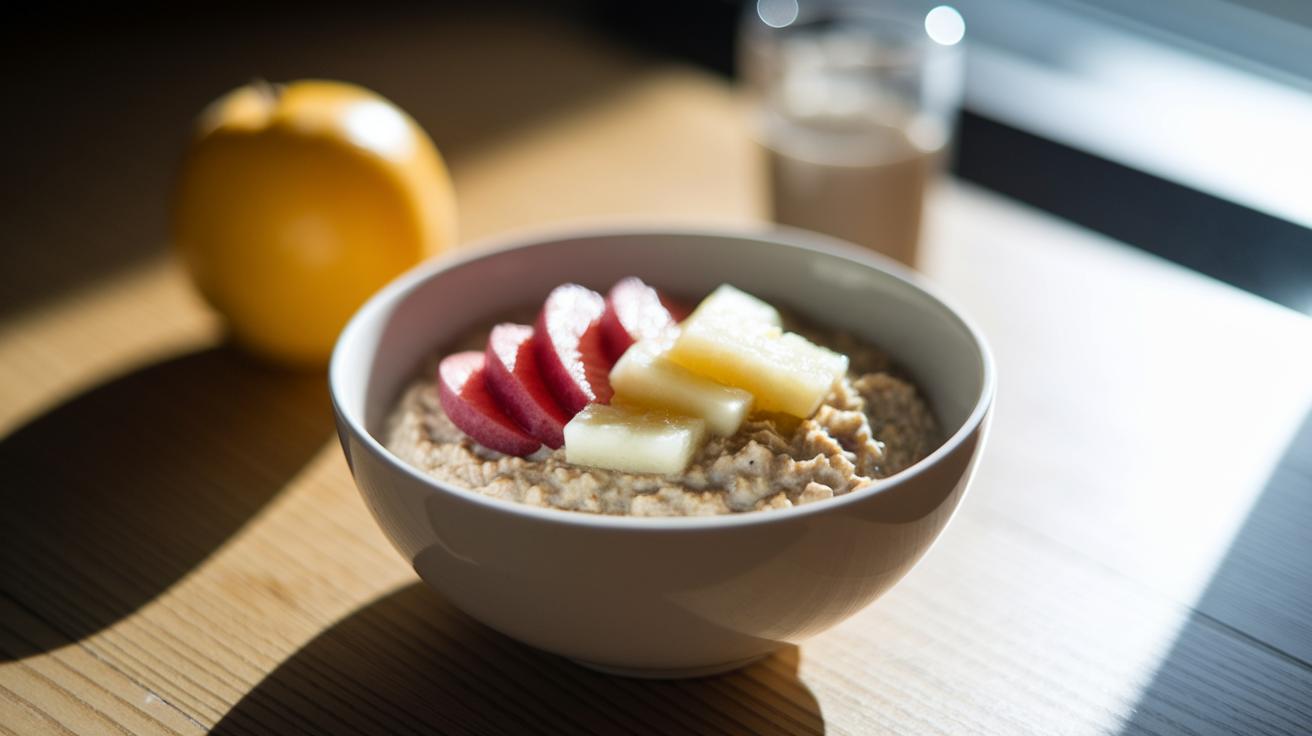
Every runner is a bit different, so your eat-before-run plan might change with your needs. Some people benefit from a light snack an hour before, while others feel better if they eat two hours ahead. If you’re prepping for a moderate run, try having oatmeal with fruit slices to keep your energy steady.
For intense workouts, you might want something that’s easy on your stomach, a mix of quick carb energy with a little protein. How about a small whole grain wrap spread with nut butter and a drizzle of honey? Fun fact: half a banana paired with a few almonds can kickstart your run with a boost of sugar and healthy fats.
After your run, mixing carbs with protein can help your muscles recover. If you’ve had a vigorous session, enjoy some Greek yogurt (which has about 10g of protein per 100g) with mixed berries for a hit of antioxidants and fiber. Picture savoring a cool bowl of yogurt and berries that tastes great and helps your muscles repair.
| Training Intensity | Pre-run Option | Post-run Option |
|---|---|---|
| Light | Half banana with a bit of Greek yogurt | Smoothie with berries and low-fat milk |
| Moderate | Oatmeal with fruit slices | Whole grain toast with lean turkey and avocado |
| High | Small whole grain wrap with nut butter | Protein shake paired with complex carbs like sweet potato |
Remember, every body is unique. Try different foods during your training sessions until you find the perfect mix that keeps you strong during your run and helps you recover smoothly afterward.
Sample Daily Meal Plan for Balanced Runner Nutrition
Begin your running day with a meal plan that fuels both your body and spirit. For breakfast, enjoy a bowl of oats mixed with your favorite fruits and a side of yogurt. This meal gives you the right mix of carbs and protein to boost your energy after a quick morning run, plus a bit of healthy fat to carry you until your mid-morning snack.
When it's snack time, grab a small handful of nuts along with some fresh fruit. This easy snack is light yet packed with vitamins and minerals to help you keep going.
At lunchtime, savor a plate of grilled chicken, brown rice, and mixed vegetables. This dish is a great source of lean protein and slow-releasing carbs to keep your energy steady. Later in the afternoon, treat yourself to some whole-grain toast spread with almond butter. It’s a perfect pick-me-up for that extra burst of energy before your next move.
For dinner, delight in a serving of salmon, a sweet potato, and plenty of leafy greens. Salmon is full of healthy fats and protein, while the sweet potato gives you the necessary carbs to help your muscles recover. End your day with a small bowl of cottage cheese mixed with berries, a snack that not only eases your hunger but also supports muscle repair during a well-deserved rest.
Try to aim for a daily balance of about 55% carbohydrates, 20% protein, and 25% fat. And don’t forget to drink roughly 2.5–3 liters of water throughout the day to stay well hydrated.
| Meal | Food Items |
|---|---|
| Breakfast | Oats with fruit + yogurt |
| Mid-morning Snack | Nuts + fruit |
| Lunch | Grilled chicken, brown rice, mixed vegetables |
| Afternoon Snack | Whole-grain toast + almond butter |
| Dinner | Salmon, sweet potato, leafy greens |
| Evening Snack | Cottage cheese + berries |
Final Words
In the action, this article broke down a balanced diet for runners by reviewing key nutrients and hydration tips. We touched on fueling tactics, proper protein timing for recovery, the power of healthy fats and superfoods, and smart pre-run and post-run snack ideas. You also got a hands-on daily meal plan to keep you energized and on track. Remember, a balanced diet for runners can help you stay strong and feel great every day. Keep moving forward and enjoy the positive boost that comes from eating smart.
FAQ
What is a balanced diet for runners?
A balanced diet for runners means eating plenty of carbohydrates for energy, proteins for muscle repair, healthy fats for satiety, and enough micronutrients and water to support ongoing training.
What is the 5:2 diet for runners?
The 5:2 diet for runners means eating normally five days a week while reducing calorie intake on two days. Some runners use it to manage calories while still getting enough energy for workouts.
How do you fuel for a 90-minute run?
Fueling for a 90-minute run means consuming about 30 to 60 grams of carbohydrates per hour and having a small, simple snack before the run to keep energy levels stable.
What is the best fueling strategy for running?
The best fueling strategy for running pairs simple carbohydrates before, during, and after your run with protein afterward, ensuring steady energy and effective muscle recovery.
What are good meal plan ideas for runners, including balanced diet recipes and free 7-day or 8-week plans?
Good meal plans for runners include balanced servings of carbohydrates, proteins, and fats. Free 7-day guides or 8-week plans offer nutrient-rich meals like oats, lean meats, fruits, and vegetables.
What are some top foods for runners to boost running stamina?
Top foods for runners include whole grains, leafy greens, lean proteins, berries, nuts, and healthy fats, as these provide steady energy, help repair muscles, and support longer training sessions.

