
Ever have days when you just feel a little off? You might find that focusing on a balanced hormone diet could help you feel more like yourself. Instead of hunting for one magic food, try mixing together tasty, nutrient-rich items that support your body’s natural rhythm. When you add healthy fats, fiber, and antioxidants to your meals, you give your hormones the steady support they need to keep your mood and energy balanced. Ready to brighten your day with a few simple, flavor-packed tweaks to your plate?
Understanding the Balanced Hormone Diet
A balanced hormone diet isn’t about one miracle food that fixes everything. It’s about enjoying a variety of nutrient-rich foods that work together to keep your body feeling its best. Hormones handle many important jobs like growth, mood, and even how your body uses energy, so making sure they stay balanced is key. No single food can do it all; instead, you want to include healthy fats, fiber, antioxidants, vitamins, and minerals for full support.
Eating for hormone balance means you mix different types of foods. For instance, foods like avocado give you healthy fats that help build hormone molecules, while whole grains and veggies pack the fiber needed to safely flush out any excess hormones. Fruits and leafy greens bring in antioxidants, which protect your cells from stress. And a steady energy intake from your meals helps keep blood sugar levels, along with hormones like insulin and cortisol, in a happy balance.
Try planning meals that bring together lean proteins, colorful veggies, whole grains, and nutrient-rich healthy fats. That way, you support your body's hormone system and kick off your day feeling bright and energetic.
Key Nutrients in a Balanced Hormone Diet
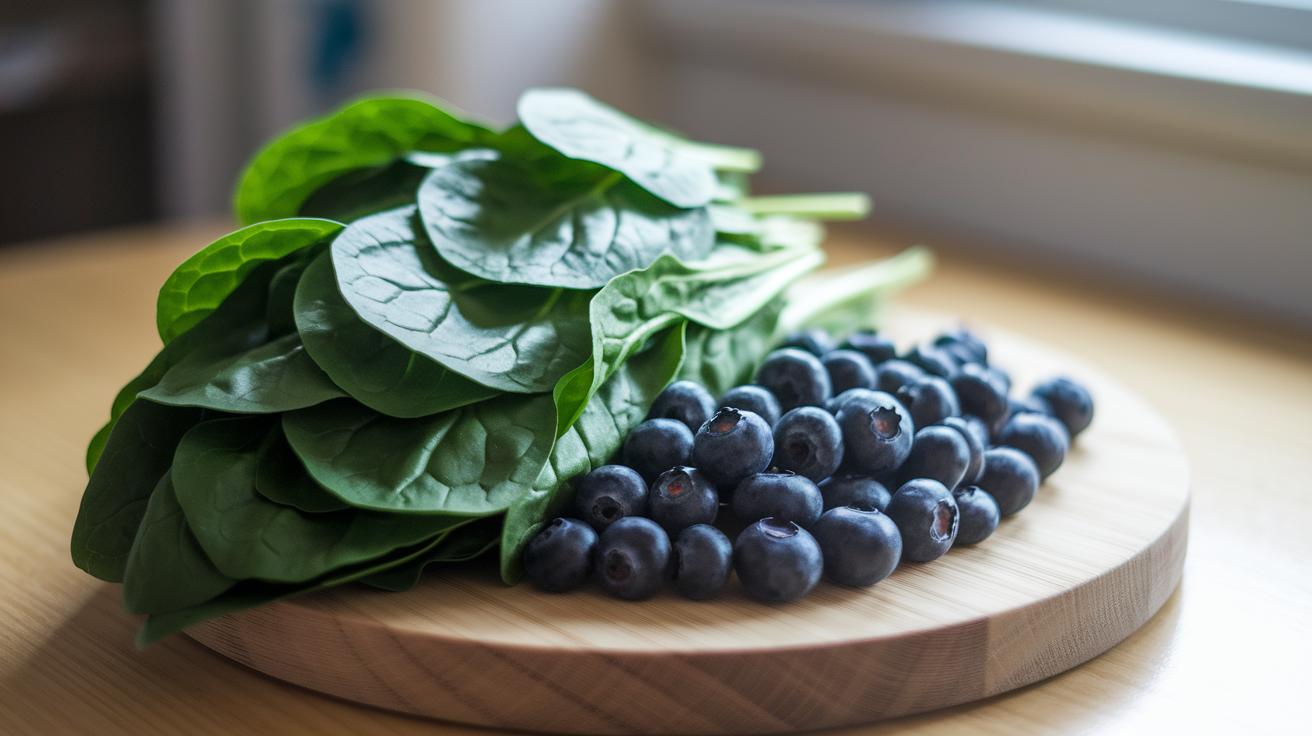
A balanced hormone diet uses a variety of important nutrients to help your body produce and manage hormones smoothly. Eating whole foods gives you the raw materials to calm inflammation, assist in detox, and build the hormones your body needs. This nutrient-rich plan can also help your body handle everyday stress.
Below is a list of key nutrients, where you can find them, and how they help balance hormones:
- Omega-3 fatty acids: Look for these in oily fish, flaxseed, and walnuts. They reduce inflammation and give your body the building blocks for making hormones.
- Antioxidants: Found in berries and green tea, antioxidants act like tiny shields that protect your cells from damage and support your hormone system.
- Dietary fiber: Common in lentils, whole grains, and vegetables, fiber binds extra hormones in your gut, helping to remove them while keeping your blood sugar levels steady.
- Vitamins (like B-complex and D) and minerals (such as selenium and iodine): These nutrients work behind the scenes to support your thyroid and help produce sex hormones.
Adding these foods to your daily meals empowers your body to keep hormone levels balanced, making you feel more energetic and vibrant throughout the day.
Hormone-Supportive Foods for a Balanced Hormone Diet
When you eat a balanced hormone diet, every bite helps your body stay in tune. Think of these foods like a little energy boost that helps keep your hormones working just right. Top athletes even eat nutrient-packed foods to keep their energy levels steady before they hit the field. Each food here offers its own special benefit to support your body's hormone system and overall wellness.
| Food | Benefit |
|---|---|
| Flaxseed | Offers lignans that help balance estrogen and ease symptoms of PCOS |
| Avocado | Loaded with monounsaturated fats, which are key for making hormones (what is a superfood) |
| Spinach | Rich in phytonutrients that help your body use estrogen better, especially for those with PCOS |
| Broccoli | Filled with glucosinolates, which support liver detox and help manage estrogen |
| Green Tea | Packed with antioxidants that lower insulin resistance and keep hormones in balance |
| Salmon | Contains omega-3s, vitamin D, selenium, and iodine for all-around hormone support (what is a superfood) |
| Blueberries | Rich in antioxidants that help ease oxidative stress on your cells |
| Cinnamon | An anti-inflammatory spice that helps keep your blood sugar in check |
| Lentils | High in fiber and nutrients that support blood sugar control and gut health |
Adding these nine foods to your daily meals means you're feeding your hormone system with exactly what it needs. This variety not only supports estrogen and insulin balance but also makes your whole body feel more energized. Eating for hormone balance turns into a simple, natural way to boost your overall health, thanks to these nutrient-packed ingredients working hand in hand.
balanced hormone diet: Feel Radiant Today
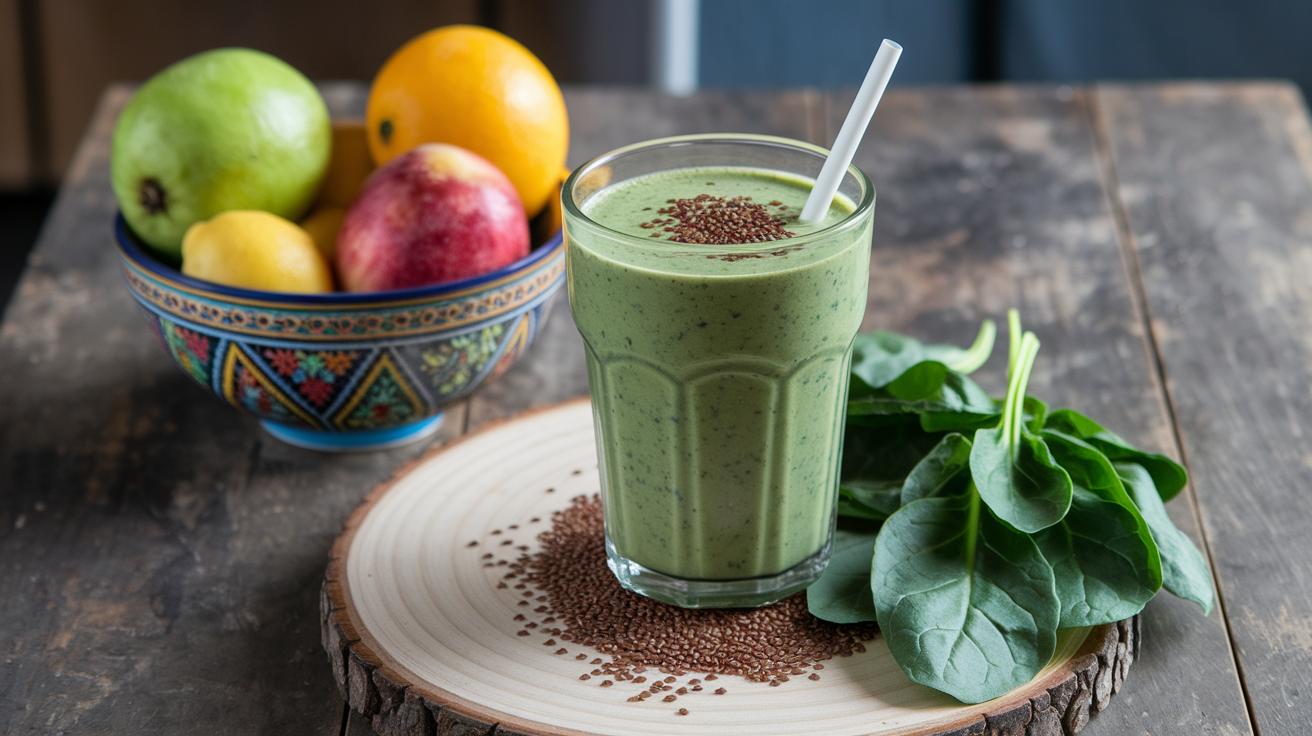
Imagine beginning your morning with a cool spinach and flaxseed smoothie that fills you with nutrients and energy. Every few hours, try enjoying a meal made of whole foods that helps keep your hormones in balance. For example, have some Greek yogurt and berries mid-morning. It’s a simple mix of protein and antioxidants that works nicely for your body.
By lunch, consider a grilled salmon salad with avocado. Not only does it taste great, but it also gives you omega-3 fatty acids and healthy fats. This meal gently supports your natural hormone production, keeping you on track throughout the day.
In the afternoon, treat yourself to a slice of whole-grain toast with a light spread of almond butter and a sprinkle of cinnamon. It helps keep your blood sugar stable while satisfying your hunger. Then, for dinner, a hearty lentil stir-fry with broccoli and other colorful veggies provides plenty of fiber and nutrients.
Remember to keep drinking water and watch your portions as you go. If you need a little help planning out your meals, you might want to use a meal planner for healthy eating. With balanced meals like these, you can truly feel radiant every day.
Shopping Essentials for a Balanced Hormone Diet
Instead of re-hashing the usual food suggestions, try fresh ways to shop that keep your hormones happy and your wallet full. Plan meals around seasonal produce and choose local markets when you can. This means you get fresh and nutrient-rich picks at a great price. Think of your shopping list like puzzle pieces coming together to create a meal plan that fits both your budget and health needs.
Watch weekly deals and buy seeds, nuts, and whole grains in bulk. This smart move supports your hormones without overspending. Also, keep an eye out for special offers on lean proteins and fatty fish during their best season to enjoy both freshness and cost savings.
Make meal planning a regular habit. Mix in hormone-friendly foods along with seasonal choices to keep things exciting and efficient. This approach helps you avoid repetition while keeping your diet balanced and straightforward.
For more tips and a detailed grocery list, check out our healthy eating guide at https://healthlystats.com?p=207.
Lifestyle Factors to Enhance Your Balanced Hormone Diet

When life speeds up, stress can spike cortisol and throw your hormones off balance. A daily burst of exercise can help. Even a brisk 30-minute walk sparks those feel-good endorphins and helps your body manage insulin more effectively. Try starting your morning with a light jog or even a fun dance session at home.
Sleep is like your body's reset button. When you get 7–9 hours each night, your system manages growth and hunger signals much better, letting you wake up refreshed and ready to meet the day.
Maintaining a healthy weight is another key piece of the puzzle. Mixing a balanced hormone diet with regular activity helps keep important hormone levels like insulin and leptin in check. Choosing fresh, wholesome foods and sticking to steady, moderate portions can support your natural weight balance while lessening stress.
Every small change matters. Whether it's an extra walk or a bedtime reminder, these easy lifestyle tweaks work hand in hand with your balanced hormone diet to help you feel vibrant every day.
Personalizing a Balanced Hormone Diet for Your Needs
Changing your meal choices to help balance your hormones means listening to what your body needs. If you're a woman going through perimenopause, try adding foods rich in natural plant compounds, like flaxseed and beans, to help support your estrogen levels and ease some symptoms. If you're managing conditions like PCOS, go for low-glycemic, high-fiber veggies and whole grains since they help keep your blood sugar steady and your hormones in check. And if you have thyroid concerns, foods high in selenium and iodine, like salmon and seaweed, are smart choices because they help your thyroid make the hormones it needs. Guys can also benefit from including lean proteins and healthy fats to support testosterone and overall hormone balance.
Every body is a little different, so it’s a good idea to experiment with what works best for you. Pay attention to changes in your energy, mood, and overall well-being as you try new foods. When you tailor your diet to your unique needs, whether that’s for reproductive health, thyroid support, or just overall balance, you set yourself up to feel your best every day.
Final Words
In the action, we explored what a balanced hormone diet means and dove into nutrient powerhouses like healthy fats, fiber, and antioxidants to support natural hormone function. We also looked at practical meal plans, smart shopping tips, and lifestyle tweaks that help maintain steady insulin and cortisol levels. Every suggestion aims to boost overall wellness and daily vitality. A balanced hormone diet can truly reshape how you manage your health, making each meal a step toward better well-being.
FAQ
Hormone balancing diet plan PDF
The hormone balancing diet plan PDF offers a guide with meal ideas that include hormone-friendly foods, helping support energy stability and endocrine function when paired with a healthy lifestyle.
21 day Hormone Reset Diet plan PDF
The 21 day Hormone Reset Diet plan PDF provides a structured eating guide over three weeks, featuring diverse, whole foods aimed at naturally supporting balanced hormone production.
Foods that balance hormones in females
The foods that balance hormones in females include nutrient-dense options like leafy greens, fatty fish, nuts, and fruits, which supply essential vitamins and minerals for steady hormone regulation.
How to balance your hormones in a week, as a woman, or overall hormone levels
The method to balance your hormones in a week involves eating a nutrient-rich diet, scheduling regular meals, exercising, and getting enough sleep to naturally support and regulate hormone levels.
Vitamins to balance hormones for females
The vitamins to balance hormones for females often include vitamin D, B-complex vitamins, and antioxidants, which help maintain healthy hormone production and overall endocrine function.
Hormonal imbalance foods to avoid
The hormonal imbalance foods to avoid are processed sugars, refined carbohydrates, and highly processed snacks, as these can trigger blood sugar spikes and disrupt natural hormone balance.
Hormone diet meal plan
The hormone diet meal plan features balanced meals every few hours with foods rich in fiber, healthy fats, and proteins, designed to support steady blood sugar levels and proper hormone function throughout the day.
What is the best diet for hormone balance?
The best diet for hormone balance centers on whole, nutrient-rich foods that offer healthy fats, fiber, antioxidants, and essential vitamins, all of which work together to support natural hormone regulation.
What foods get rid of hormonal belly?
The foods that get rid of hormonal belly typically help stabilize blood sugar and reduce inflammation, including lean proteins, vegetables, and whole grains that promote fat loss and balanced insulin levels.
What drink balances hormones in females?
The drink that balances hormones in females often includes options like green tea, which is rich in antioxidants and supports blood sugar regulation, thereby aiding in natural hormone balance.

