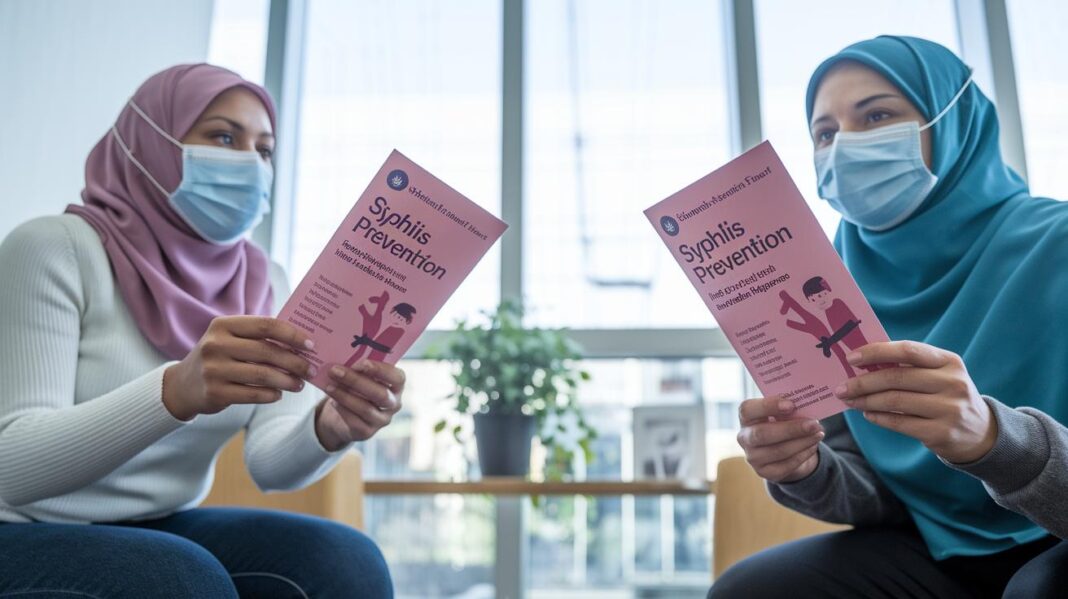
Did you know that a few simple choices can help keep syphilis at bay? You might be surprised that using condoms and going for regular tests can really make a difference.
Today, we're here to share how taking charge of your health can stop syphilis before it even starts. You'll learn easy tips to protect both yourself and your partner. It's all about building a solid shield against infection with smart, everyday decisions.
Essential Strategies to Prevent Syphilis Disease
Stopping syphilis before it even starts can truly save lives. Taking a few simple steps not only shields you but also protects your partner. When you choose to avoid risky situations and check in on your health regularly, you lower your chance of getting an infection that might lead to bigger problems later.
Taking charge of your health doesn’t have to be hard. It begins with knowing the risks you face and making smart choices to cut them down. Whether you’re in a steady relationship or have multiple partners, these easy tips can really help stop the spread of syphilis. Think of it like building a wall, each step you take makes the barrier stronger.
- Stick with a partner who has tested negative for syphilis
- Use condoms every time you have sex
- Get routine tests for syphilis for both you and your partner
- Get treatment right away if a partner tests positive
- Don’t share needles; use needle-exchange programs instead
- Look for trusted advice and learn more about sexual health
Each of these actions works to break the chain of transmission. Using condoms and having honest chats about your health can stop infectious sores from spreading. Regular testing helps catch any signs early so treatment can work fast, and for those who use drugs, avoiding shared needles protects you and your community. Together, these steps create a strong safety net for you and everyone around you.
Syphilis Transmission: Breaking the Chain of Infection

Syphilis is an infection caused by a germ called Treponema pallidum. It spreads only when you directly touch infectious sores, known as chancres, that show up during close, personal moments. Most often, these sores appear during sexual contact, letting the germ sneak into the body.
After exposure, syphilis goes through several clear stages. First, in the primary stage, a small, painless sore forms about 3 to 4 weeks later. Next, during the secondary stage, you might notice a red rash that doesn’t itch, often on your palms and the soles of your feet. Some people even get a sore throat at this point. Later on, in the latent stage, the visible signs might fade away, although the germ stays in your system. Without treatment, the infection can eventually move to the tertiary stage, which may lead to serious health problems years later.
Having many sexual partners or not using protection increases your risk of getting syphilis. That’s why practicing safe sex and getting regular tests are so important. These steps break the chain of transmission, helping protect both your health and the health of others.
Safe Sexual Practices for Syphilis Prevention
Using barrier methods like male and female condoms is a smart way to protect yourself during intimate encounters. They act like a shield that stops the bacteria causing syphilis from entering your body. A little tip: using water-based lubricants can help reduce the chance of breakage, making your protection even stronger.
When you use a male condom, always check the expiration date and use a new one each time you have sex. Put it on carefully at the start, making sure to leave a tiny bit of space at the tip so air doesn’t get trapped. It's a bit like wrapping a gift properly so nothing spills out, getting the details right really makes a difference.
If male condoms aren’t your thing, female condoms or dental dams work just as well. They cover the sensitive areas and are especially useful for different kinds of intimate activities where you need that extra protection.
Talking openly with your partner about sexual health is key. Keeping your circle small and discussing protection and regular testing are simple steps that make healthy sex a shared commitment.
Role of Regular Testing and Partner Notification in Syphilis Prevention
Regular syphilis testing is a key way to take care of your health. You can do it with a blood test or use an approved at-home kit that a doctor confirms. If you’re at higher risk or you have several partners, getting tested often is as smart as checking your smoke detector regularly.
After a positive test, it’s really important to let your partners know right away. By telling them, you give them the chance to get tested and treated early. Think of it like a little warning that helps protect the people you care about.
Even once you’ve finished treatment, follow-up appointments are a must. Sometimes you might stop feeling sick, but antibodies can still show up in tests, which can be confusing. Keeping up with regular check-ups, along with testing for HIV/STDs, is a bit like checking your map on a long trip, it makes sure you’re staying on track for lasting wellness.
Preventing Syphilis Among Injection Drug Users
If you inject drugs, you're more at risk of getting syphilis. Sharing needles exposes you to another person’s blood, and that blood might carry the bacteria that cause the infection. Just think about it, using a needle that someone else used moments ago can put you in danger.
Needle-exchange programs are here to help. These services, offered by local pharmacies and community groups, give you new, disposable needles so you don’t have to reuse old ones. It’s like swapping your worn-out shoes for a new pair, each fresh needle is one less chance for infection.
Community programs and peer support also make a big difference. Local meetings and friendly chats give real advice on safe injection habits. These hands-on workshops show clear, step-by-step ways to inject safely, making it easier for everyone to protect themselves.
Preventing Congenital Syphilis: Maternal Screening and Treatment

Pregnant women can face big risks if syphilis is not caught early. The infection could lead to a miscarriage, stillbirth, or a baby being born too soon. Early check-ups during pregnancy help spot the problem when treatment works best. Regular tests are an easy way to protect both mom and baby.
Screening becomes even more important for those in higher risk groups. Testing in the first trimester can catch syphilis early, and follow-up tests at 28 weeks and during labor offer extra peace of mind. These regular checks ensure that everyone knows right away if treatment is needed.
| Timing | Action |
|---|---|
| First Trimester | Initial syphilis test |
| 28 Weeks (High-Risk) | Repeat screening |
| Labor/Birth (High-Risk) | Final test |
For a mom who tests positive, swift action is essential to keep the baby safe. Penicillin is the treatment of choice; when given at just the right time, it cuts down the risk of the infection reaching the baby. After treatment, mom and baby should have follow-up appointments to monitor their health. This ongoing care helps catch any lingering signs of the infection early, ensuring the baby stays healthy.
Innovations in Syphilis Prevention: Prophylaxis and Vaccine Research
There’s some exciting work happening that goes beyond the usual penicillin treatments. Researchers are trying out fresh ideas to stop syphilis early. They’re looking at using antibiotics as a shield (think of it as an extra safety net) and testing vaccine strategies that aim at the bug causing the infection, Treponema pallidum (that’s the germ behind syphilis).
Antibiotic Prophylaxis for Syphilis
Scientists are checking out if taking doxycycline regularly could help those most at risk of syphilis. It’s kind of like taking a daily vitamin, if you take it consistently, it might keep the bug from getting a foothold. This added step could be really helpful along with regular check-ups and safe practices.
Syphilis Vaccine Research
Another group of scientists is working hard on creating a vaccine for syphilis. Some vaccine ideas are already in early human testing and lab trials. They’re facing a challenge, though, because Treponema pallidum has some unique traits that make it hard to target. This research is just getting started, which means there’s plenty of room for breakthroughs that might one day give us strong, lasting protection.
Final Words
In the action of using safe practices, we covered many ways to protect your health. We looked at practical steps like monogamous relationships with a syphilis-negative partner, reliable condom use, routine screenings, quick treatment, safe needle practices, and solid sexual health education.
Following these steps for the prevention of syphilis disease can truly boost both personal and community health. Every small act adds up to a brighter, healthier future.
FAQ
Q: What is the treatment of syphilis, and is it curable including the duration for cure?
A: The treatment of syphilis involves antibiotics that can cure the infection when detected early. It typically takes a few weeks for symptoms to improve, and follow-up testing is essential.
Q: What do syphilis photos show?
A: Syphilis photos show skin changes such as sores and rashes seen in various stages of the infection. They help visualize the symptoms and remind us to seek medical evaluation if needed.
Q: What are syphilis symptoms in females?
A: Syphilis symptoms in females may include painless ulcers, skin rashes, and flu-like signs during early stages. These symptoms can progress to more severe health issues if left untreated.
Q: How is syphilis transmitted?
A: Syphilis spreads through direct contact with infectious sores during sexual activity or from a pregnant person to their baby during birth, making safe practices and testing important.
Q: What are the stages of syphilis, including latent syphilis?
A: Syphilis progresses from a primary stage with a painless sore to a secondary stage featuring skin rashes, then a latent stage with few signs, and potentially a tertiary stage with serious complications if untreated.
Q: What measures can prevent syphilis, addressing both primary and secondary prevention?
A: Preventing syphilis involves using condoms consistently, maintaining a mono relationship with a tested partner, routine screenings, and prompt treatment if needed to stop the infection early.
Q: How contagious is syphilis?
A: Syphilis is highly contagious during its active stages, especially when sores or rashes are present, which is why early detection, prevention strategies, and treatment are crucial for reducing spread.

