
Do you ever feel stuck with routines that just don’t work for you? When you create a strength training plan made just for you, you take control of every workout.
This guide walks you through setting clear goals, checking where you are with your fitness, and choosing the right mix of exercises, all like putting together a special toolkit for your body. Step by step, you build a plan that grows with you.
Are you ready to switch things up and develop a routine that truly fits your needs?
Core Steps to Build Your Custom Strength Training Plan
-
Define Your Goals
Start by figuring out what you really want. Whether you’re aiming for more strength, bigger muscles, or better endurance, having a clear goal is key. For instance, you might say, “I want to boost my squat from 100 to 120 pounds in three months.” That simple target sets a solid foundation for your plan. -
Assess Your Current Fitness
Before jumping in, take a moment to check where you stand. Try testing yourself with something like a one-rep max for your main lifts, and do a few simple movement checks to see how flexible you are. This helps you figure out if you’re just starting out or if you’re already more advanced, so you can choose the right weights and intensity level. -
Choose Your Exercises
Pick a mix of exercises that work for you. Combine compound moves like squats, bench presses, and deadlifts with isolation exercises such as bicep curls or tricep extensions. Think of it like putting together your own tool kit, each exercise is a tool that helps balance and build strength throughout your body. -
Set Your Weekly Schedule
Decide how many days you can fit into your workout routine. You might opt for full-body workouts three times a week or a split routine, like upper body one day and lower body the next, if you’re training four times a week. And don’t forget to add recovery or active rest days so your muscles have time to rebuild. -
Plan Progression Methods
Keep a simple log of your lifts and challenge yourself by gradually increasing the weight, adding a few extra reps, or trimming down your rest time. Tracking your progress like this helps you see trends over time and pushes you to improve. -
Monitor Results and Adapt
Pay attention to how your body responds and jot down your improvements. If you hit a plateau or things start feeling too easy, tweak your routine. This ongoing adjustment makes sure your plan stays effective and truly personal.
Assessing Your Fitness Level for Personalized Resistance Workouts
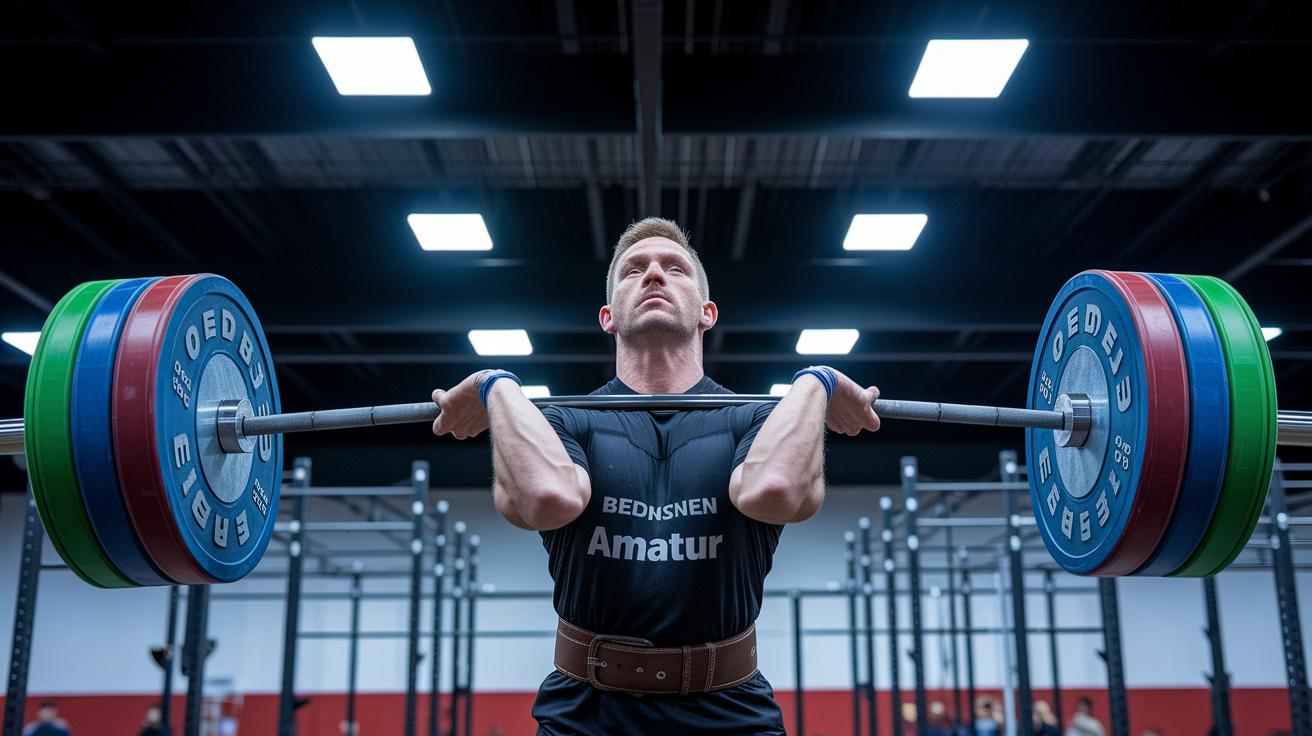
Begin by testing your one-rep max (1RM) on important lifts like squats, bench presses, or deadlifts. This means lifting the heaviest weight you can once while keeping good form. It gives you a clear idea of where to start and helps set weights that are both safe and challenging.
After that, do some simple movement and mobility checks. For instance, try a squat with an overhead reach to see if your joints and muscles are working smoothly. You can also note your bodyweight and take some basic measurements with a tape measure so you can see your progress later on.
Now, you can use these tests to see which level fits you best:
- Beginner: If you’re just starting out, your 1RM tests and mobility moves might be basic, and you might notice some areas where you can improve.
- Intermediate: If you’ve been training for a while, you likely have steady control over your moves and can see measurable improvements.
- Advanced: If you’re able to lift near your maximum weight with almost perfect technique and smooth mobility, you’re probably at an advanced level.
Think of it like this: when you step up to a barbell with a weight you haven’t tried before, the way you handle a quick mobility test will show whether you’re just beginning, ready to move forward, or set for a tougher challenge.
Selecting Exercises in a Custom Muscle-Building Program
When you're putting together your own muscle-building plan, start by mixing compound moves with isolation exercises. Compound exercises, like squats, bench presses, deadlifts, and overhead presses, work several muscles at once. They’re the heavy hitters that power your workout and give you a strong foundation, much like a hearty full-course meal that energizes you from the get-go.
Then, add in isolation moves such as bicep curls, tricep extensions, or calf raises. These exercises are the finishing touches that zero in on specific muscles where you want extra work.
Next, consider your goals when choosing your sets and reps. If you're aiming for muscle growth (hypertrophy), try doing 3 to 5 sets of 6 to 12 reps. But if you’re after pure strength, you might switch to 3 to 5 sets of 1 to 5 reps.
Also, think about what equipment fits best with your style. Free weights like barbells and dumbbells are excellent if you enjoy that approach, or you might opt for resistance bands for a lower-impact workout at home. This balanced mix makes sure each session is just right for your skill level and setup, turning every workout into another step toward a stronger, more resilient you.
Designing Your Weekly Custom Fitness Routine
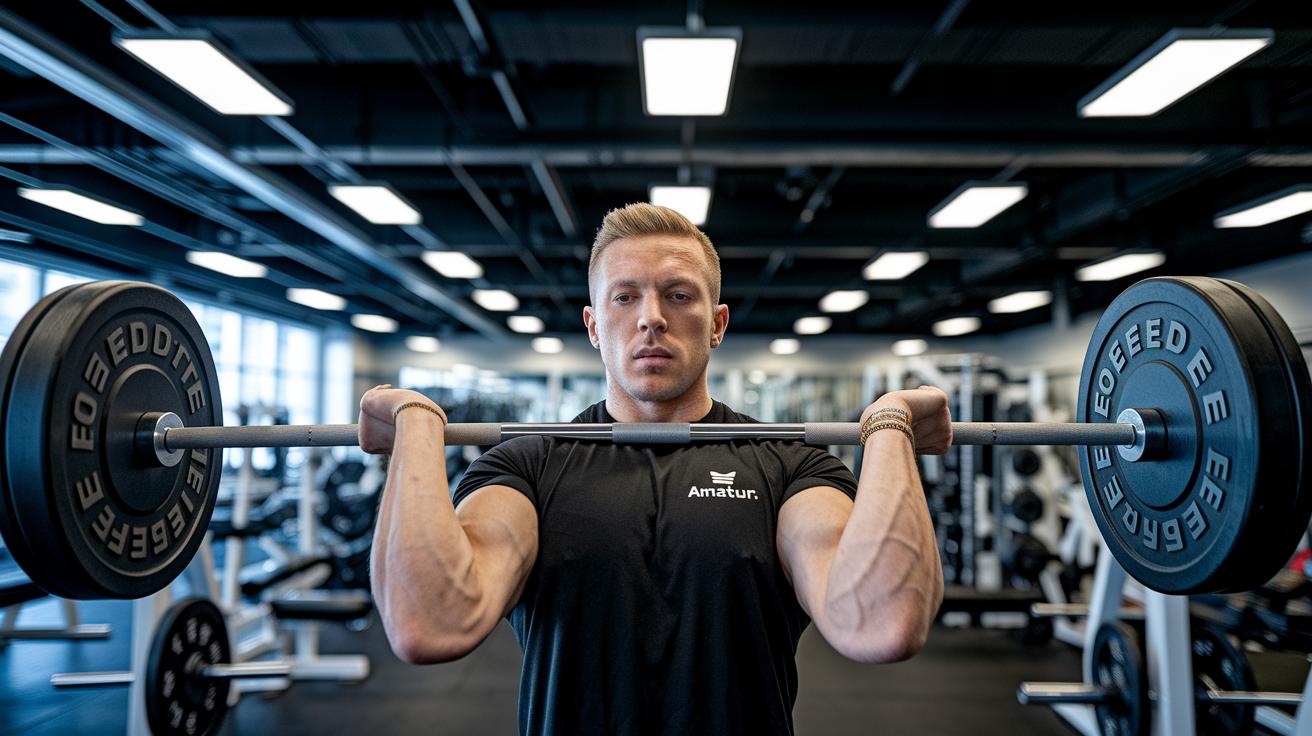
Creating your own weekly workout plan means choosing days that fit your lifestyle while giving your body enough time to recover. One great option is to do full-body workouts three times during the week. In these sessions, you work all the major muscle groups, which works well if you like longer workouts and extra time between sessions for muscle repair.
If you prefer more frequent workouts with a bit more focus, try an upper/lower split four times a week. With this plan, you spend two days working on your upper body and two days focusing on your lower body. It’s a flexible approach that lets each muscle group rest while still keeping you active.
Another method is the push/pull/legs routine, where you work out five or six times a week. This plan divides your workouts by movement type: one day you push, another day you pull, and a day for legs. It’s perfect if you enjoy shorter, specialized sessions and can handle a higher workout frequency.
No matter which schedule you go with, don’t forget to include at least one day for rest or active recovery. Activities like a brisk walk, some light stretching, or foam rolling can help keep you moving without overdoing it.
Below is a sample schedule that shows how you might organize your week:
| Day | Focus | Example Exercises |
|---|---|---|
| Monday | Lower Body Strength | Squats, Romanian Deadlifts, Calf Raises |
| Wednesday | Upper Body | Bench Press, Rows, Shoulder Press |
| Friday | Full Body Workout | Deadlifts, Overhead Press, Pull-Ups |
Plan Progression Methods
Building muscle strength means challenging your muscles and pushing them a bit harder each time. Progressive overload is a simple idea: add a little extra weight or intensity gradually so your body keeps getting stronger. For example, try increasing your weight by 2 to 5% every week.
There are a few easy ways to boost your workout:
- Do extra reps or add another set.
- Reduce the time you rest between exercises.
- Slow down your movements to keep them steady and controlled.
Imagine telling yourself, "I can do one more rep today." Keeping a workout log lets you track your weights, reps, and sets, making it clear how much progress you're making over time. Every month, you'll see your hard work turn into real, measurable gains.
Ensuring Proper Form and Safety in Custom Exercise Plans

When you set up your lifting routine, start by making sure your form is spot on. Keeping your spine neutral means your back stays straight instead of getting overly curved. Also, always line up your knees with your toes to protect your joints.
It’s important to use your whole range of motion and lift at a smooth, controlled pace. This simple approach helps you get the best workout without putting yourself at risk for injury.
Before you move on to heavy lifting, spend 5–10 minutes warming up with dynamic moves. Try leg swings, arm circles, or gentle band pull-aparts. These exercises get your heart pumping and your muscles ready, making every rep safe and effective. After finishing your workout, take a few minutes to cool down with some foam rolling or static stretches to help your muscles relax.
Watch out for common mistakes that can lead to injury, such as:
- Rounding your back during lifts
- Letting your knees collapse inward
- Using quick, uncontrolled movements instead of steady, careful lifts
- Skipping the warm-up or cool-down steps
For anyone new to strength training, checking out resources like what is strength training or how to start strength training can be really helpful. By paying attention to your form and including proper warm-up and cool-down routines, you build a strong foundation for a custom exercise plan that works just for you.
Sample Custom Strength Training Schedule and Routine Blueprint
This plan is here to help you bring together all your workout ideas into one simple routine. It mixes heavy lifts with easier accessory exercises to build muscle and strength while giving your body a chance to recover.
Below is a five-day workout plan:
| Day | Exercise & Routine |
|---|---|
| Day 1 | Squat 4×6, Leg Press 3×10, Core Circuit |
| Day 2 | Bench Press 4×8, Incline Dumbbell Press 3×10, Tricep Dips 3×12 |
| Day 3 | Rest or Active Recovery |
| Day 4 | Deadlift 3×5, Barbell Row 4×6, Bicep Curl 3×12 |
| Day 5 | Overhead Press 4×8, Lateral Raise 3×12, Face Pull 3×15 |
Feel free to change the exercises based on what equipment you have or if you just want a bit of variety. For instance, if the bench press feels too tough one day, you might try a dumbbell press to help build stability. You can also lower the number of sets if you feel extra tired, or add an extra set when you’re feeling strong.
Remember to plan a lighter week every few cycles. In that week, use lighter weights or do fewer sets to give your muscles a break and help you avoid burnout. Play around with these adjustments until the routine fits your current strength and goals.
- List out any adjustments before you start your next cycle.
- Make sure to finish all modifications early in the plan before moving on.
Final Words
In the action, the article broke down building your custom strength training plan into clear, manageable steps. It started with defining goals and assessing your fitness, moved through choosing the right exercises, and laid out a weekly routine that fits everyday life. We also touched on ramping up effort safely and tracking progress along the way. All these tips show how to design a personalized strength training plan that works for you, leaving you ready and optimistic for each lift ahead.
FAQ
How to design a personalized strength training plan template?
Designing a personalized strength training plan template means starting with your fitness goals, current strength assessment, and equipment options. It involves selecting appropriate exercises, scheduling workouts, planning progression, and tracking results.
How to design a personalized strength training plan for beginners, at home, or for females?
Creating a plan for beginners, home setups, or for women involves evaluating current fitness, setting clear goals, picking user-friendly compound and isolation exercises, arranging recovery days, and adjusting intensity to meet individual needs.
What is a workout plan generator?
A workout plan generator is a tool that creates tailored exercise routines by considering your fitness goals, available equipment, and schedule. It develops sample workout schedules and suggests exercise variations for efficient training.
How to make a workout plan to build muscle and create your own strength training plan?
Making a muscle-building plan involves choosing compound and isolation exercises with specific rep and set schemes, including proper rest days, and gradually increasing your workload to stimulate strength and growth.
What is the 5 4 3 2 1 workout method?
The 5 4 3 2 1 workout method means performing five exercises with varying rep schemes that decrease progressively. This strategy promotes balanced training and helps manage intensity across different muscle groups.
What is the 3-3-3 rule gym?
The 3-3-3 rule gym refers to performing three sets of three different exercises targeting major muscle groups. This method simplifies workout planning while ensuring each exercise contributes to balanced strength development.

