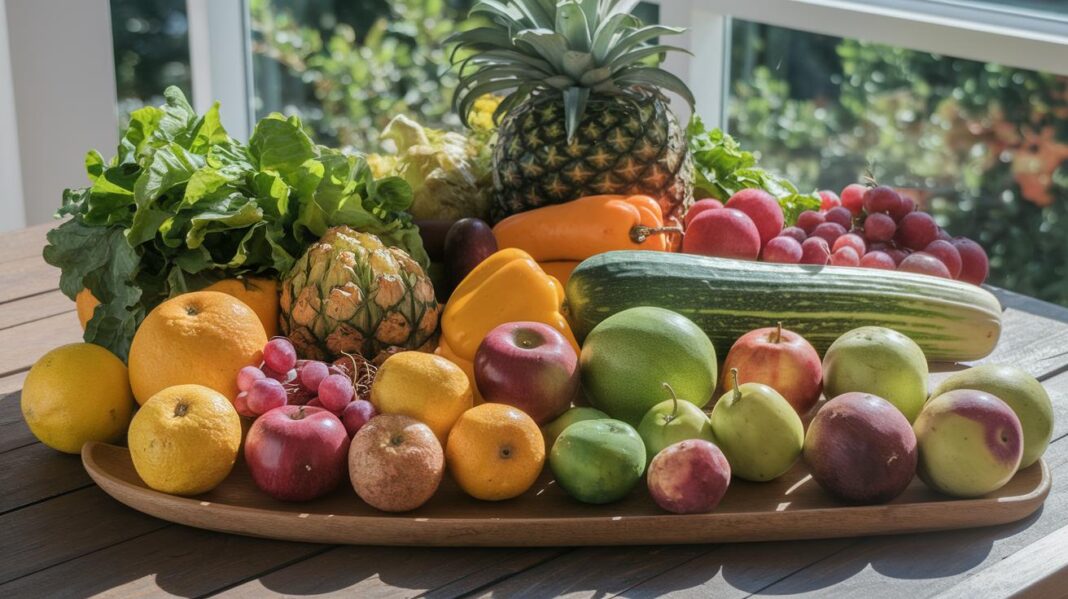
Have you ever thought that changing your meals just a little bit could help you feel better? The AIP diet is all about making simple choices that may help lessen inflammation and keep your immune system working smoothly.
It’s like cleaning up your room to make space for fresh, healthy foods that fit perfectly with your body. With real, whole ingredients at its heart, this plan might be the first step toward feeling more energetic and well every day.
AIP Diet Foundations: Purpose, Phases, and Immune Science
The AIP diet, sometimes called the paleo autoimmune diet, is made to help calm inflammation and ease symptoms from conditions like multiple sclerosis, rheumatoid arthritis, and Hashimoto’s thyroiditis. It’s built on the idea that our bodies work best with real, unprocessed foods, just like the meals our ancestors ate. Imagine that a small tweak in your food choices could cut down the discomfort during an autoimmune flare.
This plan works in three parts. First is the elimination phase, where you remove foods that might cause inflammation. Think of it like tidying up your kitchen by getting rid of clutter, foods like dairy, grains, and processed snacks take a back seat. Next, the reintroduction phase slowly adds one food back every few days. It’s like trying out a new recipe ingredient by ingredient and watching closely for signs like a rash or bloating. Lastly, the maintenance phase is about keeping up with healthy eating over the long run by avoiding foods that cause problems while enjoying those that heal.
The science behind the AIP diet shows that cutting out foods that may trigger inflammation helps calm an overactive immune system. With fewer irritants, your body has a better chance to regain balance. This clear, step-by-step method empowers you to take charge of your health with small, simple changes that can make a big difference.
AIP Diet Elimination Phase: Foods to Avoid and Permitted Choices
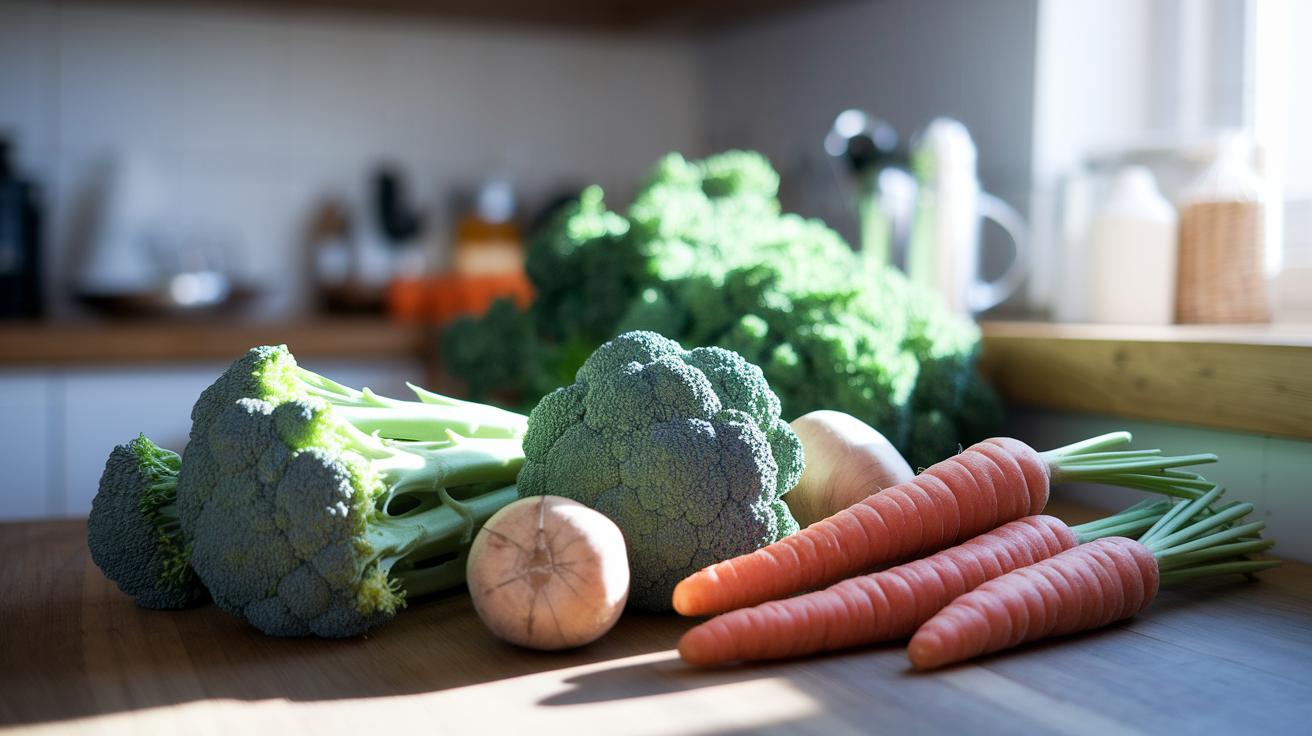
This phase is all about giving your body a fresh start. You remove foods that might be upsetting your system and welcome in choices that support your overall health. Think of it like cleaning out a cluttered room so you can fill it with something new and refreshing. It’s a simple reset that helps you make room for foods that truly nourish you.
During this time, it’s best to steer clear of certain items such as dairy, grains, legumes, nuts, seeds, and nightshade vegetables like tomatoes, peppers, eggplant, and white potatoes. You should also avoid some spices, processed foods, refined sugar, coffee, and alcohol, each of these can add stress on your system.
At the same time, the diet invites you to enjoy foods that help fight inflammation. You’ll want to go for grass-fed or wild-caught meats, fish, and poultry. A big mix of fresh vegetables and fruits comes into play here too. Bone broth and fermented foods are excellent for keeping your gut happy, while healthy fats like olive oil and avocado give you extra energy. Even organ meats make an appearance as a great source of vitamins A and zinc, which help keep your body running strong.
Sometimes, making small swaps, like using coconut milk instead of dairy cream in your coffee, can really brighten your day. These changes might seem simple, but they add up to a big boost in comfort and health.
| Foods to Avoid | Permitted Foods |
|---|---|
| Dairy, grains, legumes, nuts, seeds | Grass-fed meats, wild-caught fish, poultry |
| Nightshade vegetables, refined sugar | Diverse vegetables and fruits, bone broth |
| Processed foods, alcohol, coffee | Fermented foods, healthy fats, organ meats |
This phase is a hands-on way to clear out the foods that might be causing trouble and replace them with simple, nourishing choices that lift your overall health. Enjoy the process and give yourself the room to thrive.
Reintroduction Phase in the AIP Diet: Identifying Trigger Foods
This phase is all about slowly reintroducing foods to see how your body reacts. Start with familiar, simple foods like eggs, certain nightshades, or basic spices. Each food should be added one at a time, and it’s best to wait about 3 to 7 days before trying another. This gradual approach helps you find out which specific food might be causing any discomfort.
After adding a food back into your diet, pay close attention to your body. Look out for signs like rashes, congestion, or bloating within about 15 to 20 minutes. For instance, you might add a bit of egg yolk to your meal and then keep an eye on how your skin reacts, kind of like checking your phone for an unexpected message. This step-by-step process makes it easier to pinpoint any food intolerances without guessing.
It also helps to keep a simple diary. Write down the date you reintroduced each food, the amount you ate, and any changes you noticed afterwards. Over time, this clear record lets you see patterns in your body’s reactions, making your food choices smarter and your journey to better health a little easier.
Maintenance Phase and Long-Term Eating Patterns on the AIP Diet
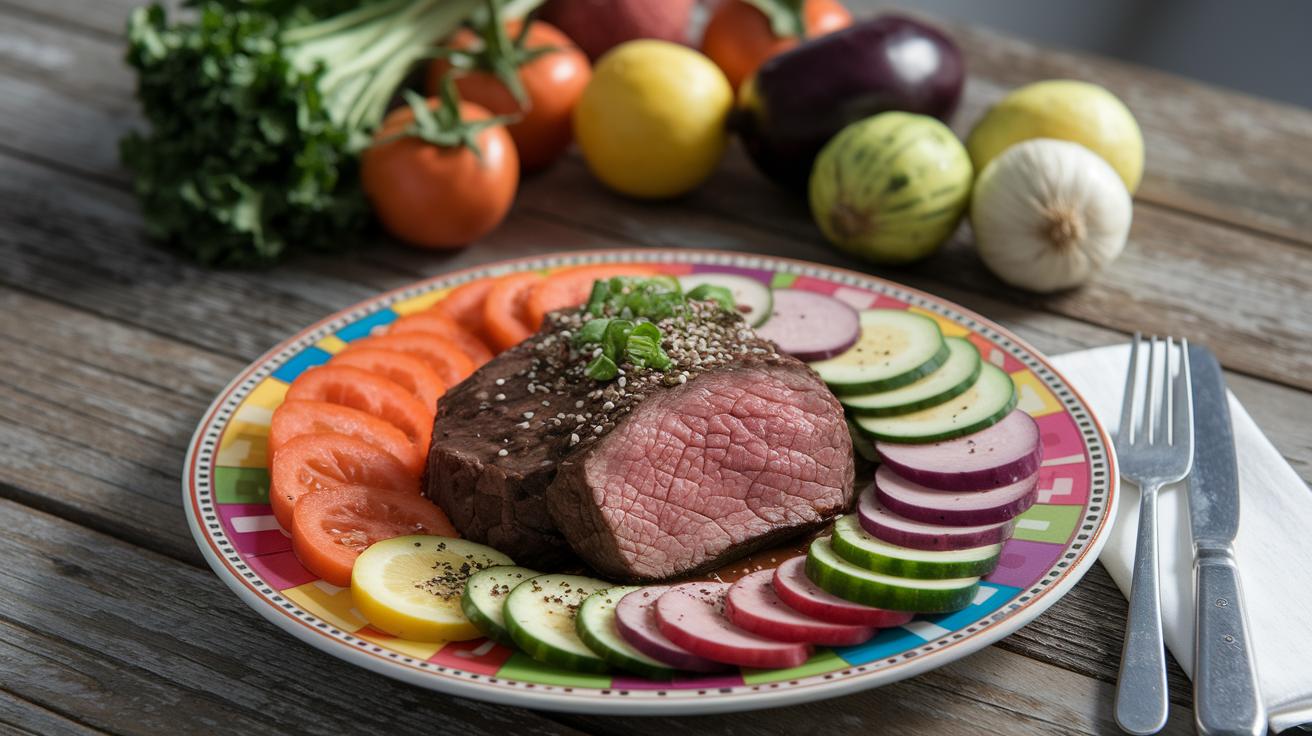
During this phase, you keep making the smart choices you discovered on your AIP journey. Once you find out what works best for you, it's time to continue avoiding foods that trigger symptoms and enjoy a mix of approved, nutrient-packed options. Think of it as giving your daily meals a little upgrade to help with recovery and long-term nourishment.
A great tip is to use seasonal produce. When you plan your meals around what's in season, you naturally add variety and get a range of vitamins and minerals. Imagine starting your week with a warm soup loaded with hearty winter veggies and then, midweek, switching to a fresh salad filled with spring greens.
Another important point is to choose ingredients that truly nourish your body. Try to pick organic options like grass-fed, pasture-raised meats and locally sourced produce. This not only improves the quality of your meals but also gives your body a better shot at absorbing essential nutrients. Plus, local produce often tastes fresher and packs more flavor.
| Food Group | Example Choices |
|---|---|
| Organic Protein | Grass-fed beef, Pasture-raised chicken |
| Seasonal Vegetables | Kale, Sweet potatoes, Carrots |
| Local Produce | Fresh fruits, Locally grown greens |
Planning your meals with seasonal cycles and adding batch-cooked soups or stews makes it easy to switch things up, keeping your routine both satisfying and healthy.
AIP Diet: Elevate Health with Simple Choices
Many people say they feel more energetic, sleep better, and experience less bloating and irregular digestion after just a few weeks on this plan. One person even mentioned, "I started noticing deeper sleep and fewer flare-ups after only a few days." This shows that even small changes to your diet can make a quick, positive difference.
Some early studies, including one from 2023 that looked at rheumatoid arthritis, found that certain inflammatory markers drop when you follow this plan. In other words, these changes might help your immune system calm down on its own. Even small research projects on conditions like ulcerative colitis and Crohn’s suggest people feel better overall and see fewer signs of inflammation.
Bone broth plays a key role in this approach. It’s not just a comforting treat, it also helps heal your gut by providing collagen and amino acids. Imagine starting your day with a warm cup of bone broth that gently soothes your stomach and gets your immune system ready for what’s ahead. Fermented foods add to this benefit by introducing friendly bacteria that help keep your digestion on track.
More and more health experts are pointing out that this plan can really reduce inflammation. They say that combining improved gut health with smart nutrient choices helps your immune system function better and boosts overall wellness. This shows that simple food choices can not only lift your day-to-day health but also support long-term well-being.
Meal Planning and Recipe Strategies for the AIP Diet
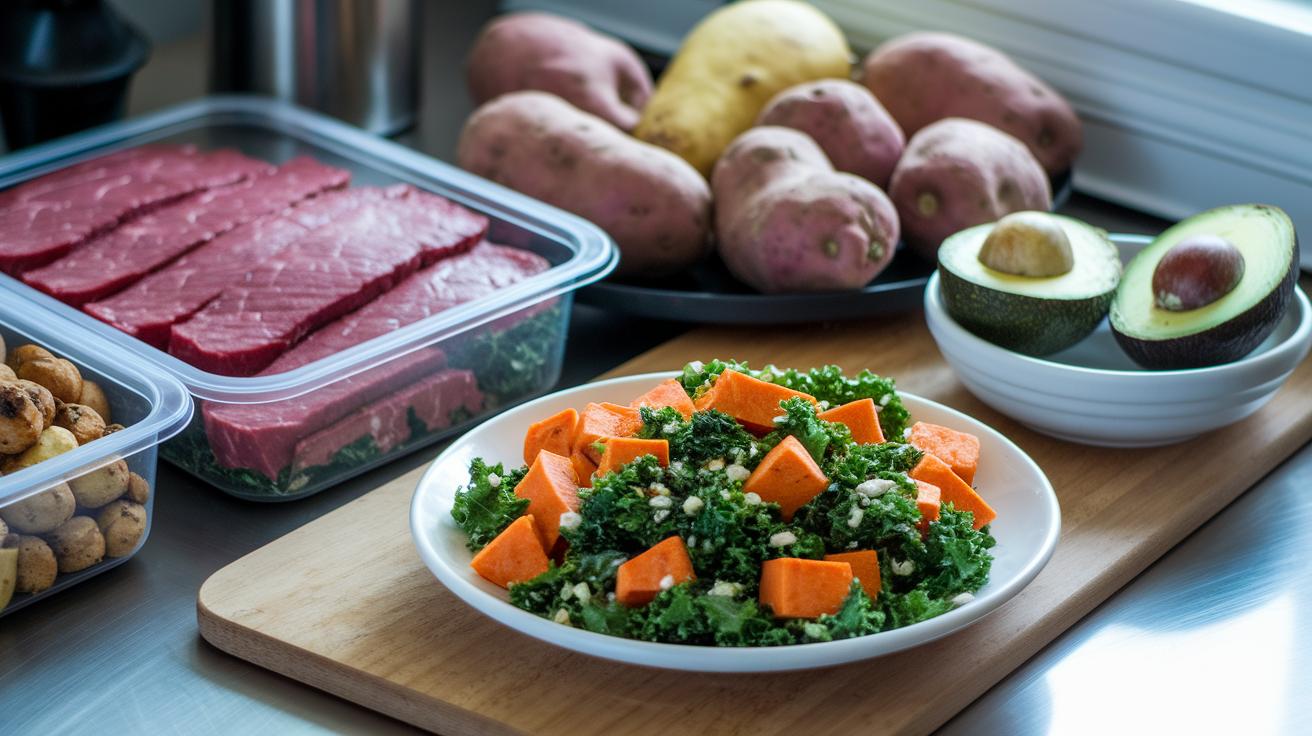
Planning your meals ahead of time makes following the AIP diet feel fun and natural. Start each week by choosing a good source of protein, like grass-fed meat or wild-caught fish. Pair that with comforting carbs, think sweet potatoes or plantains, that give your meals a satisfying base. And don’t forget a healthy fat, such as avocado or coconut oil, to add flavor and keep your energy steady. It’s a bit like putting together a puzzle where every piece boosts your health.
Here are some simple tips for planning your week:
- Make a menu that covers breakfast, lunch, dinner, and a snack for each day.
- Pick easy recipes that you can make in large batches, like soups made with bone broth or dinners cooked on one sheet pan.
- Roast a variety of vegetables that can be enjoyed as a side dish or mixed into a main meal.
A sample menu could look like this:
- Morning boost: Enjoy an AIP smoothie bowl filled with fruits and a splash of coconut milk.
- Lunchtime refresh: Try a kale and salmon salad that’s crisp, light, and packed with good ingredients.
- Evening comfort: Savor a warming beef stew loaded with tender meat and a mix of cooked vegetables.
- Snack option: Grab a handful of fermented veggie chips for a crunchy treat that’s also great for your gut.
Batch cooking is a real lifesaver too. Spend one day a week making big pots of bone broth soups and roasted veggies. When hunger hits later, all you have to do is heat up a portion. It’s like having your own chef, making sure you always have something nutritious ready. Plus, writing out your grocery list in advance can help avoid last-minute rushes. A simple printed list can be all you need to keep track of what you have to buy.
This straightforward approach lets you enjoy the many flavors of the AIP diet while keeping meal prep simple and stress-free.
Potential Risks and Nutritional Considerations on the AIP Diet
Sticking to a strict AIP diet might mean you're missing out on key nutrients like calcium, vitamin B1, and vitamin B12. Since dairy, grains, legumes, and other usual foods are off the table, it's easy to skip the important ingredients your body needs to feel its best. Plus, some people see unexpected weight loss, which could be a sign that your body isn’t getting enough calories or nutrients.
It's a good idea to review what you eat each day to ensure you're getting enough minerals. Adding foods loaded with nutrients can keep your body in balance. Here are some simple swaps you might try:
- Organ meats: These pack a punch with vitamins and minerals like vitamin A, iron, and zinc.
- Shellfish: They’re a great source of iodine along with other beneficial micro-nutrients.
- Dark leafy greens: These bring a good dose of calcium and other health-boosting compounds.
You might also need to add supplements, especially vitamin B12, if you start feeling low on energy or notice other signs of a deficiency. Keeping a simple food diary and doing lab tests every now and then can help you catch any trends early on. And don’t hesitate to check in with a registered dietitian; they can help adjust your diet while you follow the AIP plan to keep your health on track.
Success Stories and Resources for the AIP Diet

Many who try the AIP diet see improvements in just a few short weeks. People often mention getting deeper sleep, less bloating, and fewer flare-ups, which leads to overall better health. One person shared, "I got into bed and woke up feeling truly refreshed, as if my body had finally found its natural rhythm." Such feedback shows that even small changes can have a big impact.
Chef-prepared meal delivery services can make healthy eating a lot simpler. These services create meals that meet your specific needs and sometimes even provide RD advice for extra support. One satisfied diner said, "The chef-prepared meals took the stress away while giving my health a positive boost, fitting perfectly into my busy schedule."
There are also great tools to help you on your journey. Resources like symptom-tracking journals, AIP recipe databases, and online support groups allow you to monitor your progress and adjust along the way. These handy tools empower you to keep moving toward lasting wellness.
Final Words
In the action, we explored the AIP diet foundations, breaking down its phases, food choices, and science behind immune support. We also looked at how each step empowers you to better manage daily routines and make smart lifestyle decisions.
We touched on meal planning techniques, addressed potential nutritional challenges, and shared success stories that add a real-world touch. Embracing the aip diet can pave the way to a more vibrant and healthy future.
FAQ
What are some AIP diet recipes?
The AIP diet recipes include meals like bone broth soups, kale-salmon salads, and beef stew that use approved meats, vegetables, and healthy fats to support a balanced meal.
What foods and food lists are recommended for the AIP diet?
The AIP diet food list features approved produce, grass-fed meats, wild-caught fish, and healthy fats, while eliminating grains, dairy, legumes, and nightshade vegetables.
How can I get an AIP diet plan in PDF format, including a 21-day plan?
The AIP diet plan PDF offers a structured three-phase guide, with a 21-day elimination schedule to help beginners remove trigger foods and reintroduce them safely.
What is an AIP diet?
The AIP diet is a method designed to reduce inflammation and ease autoimmune symptoms by focusing on nutrient-rich, unprocessed foods while dropping common inflammatory items.
What foods are allowed on the AIP diet?
The AIP diet includes allowed foods like grass-fed meats, wild-caught fish, a variety of fruits and vegetables, bone broth, and healthy fats, all chosen for their nutrient benefits.
What foods should I avoid on an AIP diet?
The AIP diet advises against dairy, grains, legumes, nuts, seeds, nightshade vegetables, refined sugar, processed foods, coffee, and alcohol to reduce inflammation.
Can you eat eggs on the AIP diet?
The AIP diet generally does not include eggs during the elimination phase, as they may trigger inflammation, though some individuals reintroduce them later to test tolerance.
What does the AIP diet for beginners involve?
The AIP diet for beginners starts with an elimination phase that emphasizes unprocessed, nutrient-dense foods; it then gradually reintroduces items to identify individual food triggers.
What side effects might occur on the AIP diet?
The AIP diet side effects may include unintentional weight loss and nutrient gaps; working with a dietitian and choosing nutrient-rich alternatives can help maintain balance.

