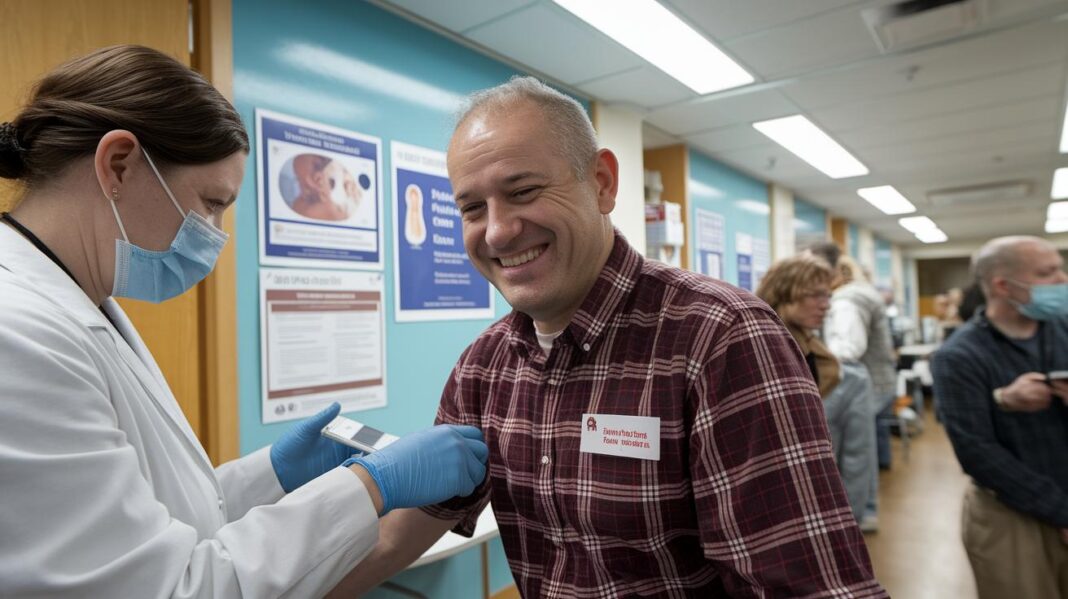
Have you ever thought about whether your checkup timing really matters? It turns out that scheduling tests like Pap smears, chest exams, and bone density checks at the right age can catch problems early and keep you healthier.
When you plan your checkups based on your age, you create a simple guide for staying well. This guide shows that the right timing for each screening isn’t just a suggestion, it can actually save lives. So, take a moment to see how smart planning can boost your overall health.
Essential Guide to Optimal Timing for Preventive Health Screenings
Staying on top of your health means knowing when to get tested. This guide breaks down the most important screenings, from tests for cancer and heart issues to checks for metabolism, senses, bones, and mental health, in easy-to-follow steps. When you stick to these timeframes, you could lower your risk of serious disease by 30 to 50%. For instance, you might start with a Pap test at 21, check your blood pressure every couple of years, and add cholesterol and diabetes tests as you enter midlife.
Your age can act like a roadmap for these tests. A mammogram at 40 can help spot breast cancer early, and beginning colon screenings at 45 might catch potential problems before you even feel unwell. Later on, getting a bone density test at 65 is key for watching out for osteoporosis. Regular vision and hearing checks support these efforts, and don’t forget a simple depression screening each year to keep an eye on your mental well-being.
Keep in mind that personal factors, like your family’s medical history, smoking, obesity, high blood pressure, or high cholesterol, might change this schedule a bit. These guidelines are a helpful baseline, but your doctor can work with you to create a plan that fits your unique needs. Early detection makes a huge difference, turning health management into a natural, everyday part of life.
Optimal Timing for Cancer Screenings

Staying on top of cancer screenings is a smart way to keep your health in check. When it comes to breast cancer, doctors recommend that women start getting a mammogram annually once they reach 40. For those in their 20s and 30s, a clinical breast exam every 1 to 3 years can be a simple way to keep an eye on any changes, kind of like taking a clear picture of your chest’s well-being.
For cervical cancer, the plan is easy to follow. Begin with a Pap test at 21 and then repeat it every three years if everything looks normal. After 30, the screening changes a bit: you can have a Pap test with an HPV test together every five years until you hit 65. This combo helps keep a long-term watchful eye on your health.
When it comes to colon cancer, it is best to start screening at 45. There are a few ways to do this. A colonoscopy every 10 years works well, or you might choose a CT colonography every five years. Some people even opt for a FIT test every year to stay proactive.
For prostate cancer, men at average risk should have a chat with their doctor about PSA screening around age 50, or at 45 if other risk factors are present, and then follow up with tests every 1 to 2 years.
| Screening Type | When to Start & Recommended Frequency |
|---|---|
| Breast Cancer | Annual mammogram at 40+; clinical breast exam every 1–3 years for ages 20–39, then annually |
| Cervical Cancer | Pap test at 21 every 3 years; after age 30, Pap+HPV every 5 years until 65 |
| Colon Cancer | Begin at 45; colonoscopy every 10 years, CT colonography every 5 years, or FIT test annually |
| Prostate Cancer | Discuss PSA screening at 50 (or 45 for higher risk) with follow-up every 1–2 years |
Following these screening timelines can be a real lifesaver. It’s all about catching any changes early so you can take swift action and maintain long-term health.
Timing Strategies for Cardiac and Diabetes Screenings
Keeping an eye on your heart and metabolism is really important. A simple check you can do is your blood pressure. If your reading is under 120/80 mm Hg, a checkup every two years is usually enough. But if your numbers are a bit higher, like in the prehypertension range, it might be better to check every year.
When it comes to cholesterol, the right schedule can change based on your age and any risks you might face. For adults between 20 and 39, testing every 4 to 6 years often works well. Once you turn 40, getting checked every 1 to 2 years is a smart move. And if you have extra factors such as family history or lifestyle risks, your doctor might want to test even sooner or more often.
Diabetes screening is also something to consider. Typically, you should start testing at age 45 and then repeat it every 3 years. However, if your Body Mass Index (BMI), a simple measure comparing your weight to your height, is 25 or higher, and you have other risks, your doctor may advise starting these tests earlier or doing them more frequently.
For a complete picture of your heart health, combining a lipid panel (which checks your blood fats) with a glucose test can give you extra insights into your overall cardiovascular risk. This combined approach follows trusted guidelines and fits well into a preventive care plan.
Age-Based Timing for Bone, Vision, Hearing, and Mental Health Exams

Taking care of your bones, sight, hearing, and mental well-being is a big part of staying healthy. For example, most women should get a DEXA scan, which checks for osteoporosis (a condition where bones become fragile), at age 65. If you have a family history of fractures or other risks, your doctor might suggest starting at 60. Usually, these scans are repeated every two years based on what your bone density shows.
It’s also important to keep tabs on your eyes. If you’re between 18 and 59, a full eye exam every two years should do the trick. But once you turn 60, scheduling an eye exam every year can help catch problems like cataracts or glaucoma early. Think of it like checking your car’s headlights, regular checks keep everything in working order.
Don’t forget about your hearing either. Most people should have a hearing test by age 18, then follow up every three to five years until they hit 60. After that, it’s a good idea to get it checked annually to catch any changes right away.
Lastly, remember to look after your mental health. An annual depression screening with a simple questionnaire can help spot any mood changes early, so you can get the support you need.
Crafting a Personalized Preventive Screening Schedule
Keeping track of your health is simpler when you design a test schedule just for you. First, take a look at your personal risk factors. Think about your family history, whether you smoke, your body weight, and any current health issues. For example, if heart disease runs in your family, you might need to check your cholesterol more often.
Then, mix your age-based recommendations with your own risks to put together one clear calendar. It’s kind of like planning a balanced meal, schedule a mammogram at 40, line up a DEXA scan around 65, and work the rest of your screenings around these key points.
If you’re at higher risk, your doctor may want to see you more frequently. Suppose you’ve had polyps during a colonoscopy; in that case, your doctor might suggest another test every five years instead of every ten.
Reminders can be a big help, too. You could set alerts on your phone or use an online patient portal to remind you about your appointments, so nothing slips through the cracks.
Finally, make a habit of reviewing this plan every year with your primary care provider. This check-in gives you a chance to update your screening schedule based on any new guidelines or changes in your health. It’s a good idea to ask about any adjustments recommended by trusted groups like USPSTF, ACS, or ACOG.
| Step | Action |
|---|---|
| 1 | Check your personal health risks |
| 2 | Combine age-based guidelines with your risk factors |
| 3 | Adjust intervals for higher risk situations |
| 4 | Set digital reminders for your appointments |
| 5 | Review your schedule annually with your doctor |
Optimal Timing for Preventive Health Screenings Saves Lives

Keeping up with your health is easier when you use digital tools. For example, a patient portal like MyChart shows your upcoming screenings just like checking your calendar. Smartphone apps can send friendly reminders for tests that come every year or every few years, so you won’t miss an appointment. And if you combine several tests in one preventive visit, you can save time and avoid extra trips, just like running two errands at once.
Here are some simple tips to keep your screening schedule on track:
| Tip | Description |
|---|---|
| Use Digital Tools | Track your screenings with patient portals and health apps. |
| Set Reminders | Use your smartphone to get recurring alerts for tests and checkups. |
| Combine Appointments | Schedule multiple tests during one visit to save time. |
| Stay Updated | Keep guideline PDFs or subscribe to updates from your provider. |
| Review Annually | Use your yearly wellness exam to adjust your screening calendar as needed. |
These tips help you stay on schedule so you can catch health changes early. It makes preventive care a simple and manageable part of everyday life.
Final Words
In the action, we reviewed key guidelines for health screenings, from cancer tests to cardiac checks and mental health reviews, all with a focus on key age milestones and risk factors. Each section provided clear steps to organize your screening schedule and track your progress over time.
We wrapped up with smart tips for managing your health calendar, reinforcing that staying up to date with screenings is key to overall well-being. Remember, keeping track of that optimal timing for preventive health screenings helps you take charge of your health every day.
FAQ
What are the CDC recommendations for health screenings by age and gender?
The CDC recommends screenings based on age milestones and gender needs. For instance, cervical tests begin at 21, mammograms at 40, and colonoscopies at 45—all designed to catch conditions early.
What do the USPSTF screening guidelines advise by age?
The USPSTF guidelines suggest routine checks that shift with age and risk factors. They call for regular blood pressure, cholesterol, and diabetes tests to help spot potential issues promptly.
How often should you do a health screening?
The frequency of screenings depends on the test and your risk profile. Regular checks like blood pressure and cholesterol may happen every few years, while cancer exams follow specific age-based intervals.
When should you go for a health screening?
Health screening timing depends on your age, risk factors, and overall health. Starting early with regular preventive tests helps catch conditions early, making follow-up tests vital as you age.
At what ages should screenings take place?
Screenings typically occur at key ages such as Pap tests at 21, mammograms at 40, colon cancer checks at 45, and bone density scans at 65, with adjustments made for personal history.

