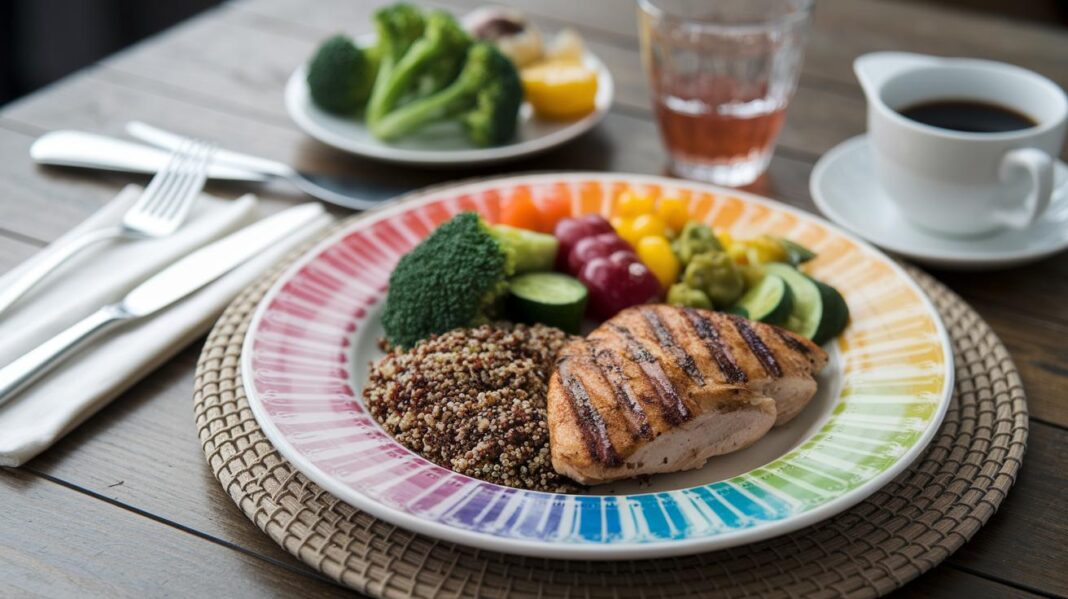
Have you ever thought your plate might be the secret to a healthier life? There's a simple guide that breaks your meal into clear sections, much like slices of a pie.
Try filling half your plate with fruits and veggies. Then add whole grains to a quarter of your plate and reserve the rest for healthy proteins. This balanced approach can help lower your risk of heart disease, diabetes, and other common issues. It also keeps you feeling energized throughout the day.
Isn't it neat how a small change in how you fill your plate can lead to big improvements in your overall well-being?
Steps to Build a Balanced Healthy Eating Plate
This simple guide was created by Harvard Health Publishing and the Harvard School of Public Health to help you plan a balanced meal. The design is colorful and easy to follow, showing you exactly which food groups your body needs. Think of your plate like a pie chart that tells you how to fill it with healthy choices.
Picture your meal split into clear parts: fill half your plate with fruits and vegetables (but leave out potatoes to help manage blood sugar). Save one quarter for whole grains that give you plenty of fiber, and the last quarter for proteins like fish, chicken, or beans. Add a little healthy oil and enjoy a glass of water or unsweetened tea to tie it all together. Even a simple plate change can lower your risk for heart disease and diabetes.
These balanced portions can help lower your chances of chronic issues like heart disease, diabetes, some cancers, high blood pressure, and osteoporosis. Check out the interactive guide for more details on each section, and try the meal planner to create a personalized, balanced meal plan that works for you.
Essential Food Groups Featured on a Healthy Eating Plate
| Food Group | Proportion | Examples | Benefits |
|---|---|---|---|
| Vegetables & Fruits | 50% | Leafy greens, berries, citrus, carrots (skip potatoes) | Packed with vitamins, minerals, and fiber; helps keep blood sugar steady |
| Whole Grains | 25% | Brown rice, quinoa, whole-wheat bread | High in fiber and key nutrients; gives you lasting energy |
| Healthy Proteins | 25% | Fish, poultry, beans | Boosts tissue repair and helps you feel full; supports overall health |
| Oils & Beverages | Small Amount | Olive oil, canola oil, water, unsweetened tea | Provides good fats and hydration without added sugars |
A quick look at oils and drinks shows how a little goes a long way. A small drizzle of olive or canola oil is plenty to bring out your food’s flavor and give you healthy fats that care for your brain and heart. And when you sip on water or unsweetened tea, you're staying refreshed without extra calories. It’s all about keeping your energy balanced by cutting down on heavy dairy and sugary drinks.
Your food choices affect both your body and the planet. The way our food is made can add to greenhouse gas emissions, so choosing whole, nutrient-rich options is a win-win. Not only do these foods nourish you, but they also help lower risks for conditions like heart disease and diabetes. Every meal is a small, positive step toward a healthier lifestyle.
Understanding Plate Proportions and Portion Sizes
Think of your plate as a helpful guide rather than a list of fixed servings. Fill half of your plate with fresh fruits and non-starchy vegetables, a quarter with whole grains like brown rice or whole wheat bread, and the remaining quarter with proteins such as fish, chicken, or beans. This approach easily adjusts to different energy needs based on factors like age, gender, and activity levels.
Picture your plate working like a simple blueprint. For example, aim for about 1 cup of cooked grains and roughly 3 to 4 ounces of protein. When you're more active, you might need a bit more protein; and when your day is slower, you can keep it a little lighter.
Try practicing mindful eating by slowing down and really enjoying each bite. Before you begin, take a deep breath and listen to your hunger signals, let your body guide you to just the right portion.
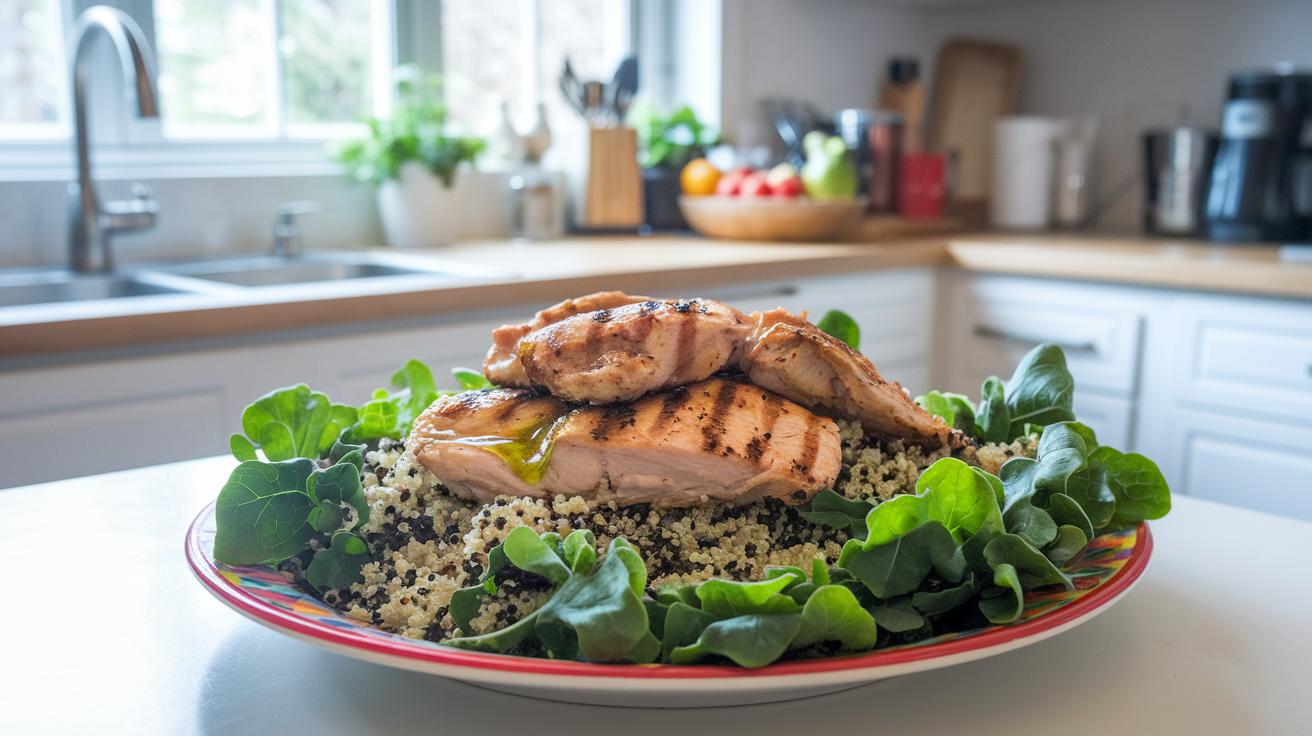
healthy eating plate: Balanced Meal Magic

Adjusting the Plate for Weight Management
If you're looking to manage your weight or keep conditions like diabetes and high blood pressure in check, try tweaking your plate to add more non-starchy veggies and cut back on grains and fats. Imagine swapping a part of your whole grain for vibrant veggies, your plate might end up more than half filled with colorful vegetables, a serving of lean protein, and just a light drizzle of healthy oil. This approach can help you ease into weight loss while keeping your energy balanced all day. For more meal ideas that match your energy needs and goals, check out the healthy eating meal plan for weight loss.
Tailoring the Plate for Children and Seniors
As we move through different stages of life, our nutrition needs change. Kids often do best with smaller, kid-friendly plates that showcase familiar, colorful foods in fun ways, making mealtime both engaging and stress-free. For seniors, it’s smart to focus on nutrient-rich foods like calcium, vitamin D, and fiber to support bone strength and good digestion. Adding in cultural favorites and plant-based options can also make meals more appealing and sustainable. These simple tips help everyone, from growing children to older adults, enjoy meals that are both balanced and packed with nutrition.
Practical Meal Planning and Implementation Tips for the Healthy Eating Plate
Kickstart your day with some simple planning tools. A printed plate diagram or an easy-to-use app can help you picture a colorful, balanced plate right away. It’s like having a map that shows you exactly where to find your proteins, grains, vegetables, and fruits. Using checklists or markers can make choosing your meals feel like a fun, easy task.
Imagine getting together a big batch of your meal ingredients all at once. Spend some time preparing vegetables, grains, and proteins, think of it as assembling building blocks for your meals. In just one cooking session, you can roast veggies, cook whole grains, and grill lean proteins. This way, you mix and match your ingredients throughout the week, saving time and cutting down on daily cooking stress.
When it's time to shop, focus on picking up a rainbow of fresh fruits and veggies, whole grains, lean proteins, and healthy oils. A well-made grocery list turns your shopping trip into a smooth and enjoyable mission. Picture filling your cart with foods that not only look good but also lay the groundwork for tasty, nutritious meals.
For lunches and meals on the go, planning makes all the difference. Try preparing balanced meals that are easy to pack, aligning perfectly with your healthy eating plate. Whether you’re eating at home, at work, or out with friends, having ready-to-go options means you’re always taking a step toward better health.
Final Words
In the action, we broke down the key steps for building a balanced healthy eating plate. We explored how Harvard’s visual guide helps with food groups, portion sizes, and practical meal planning tips. You learned how to mix fruits, vegetables, whole grains, and proteins while keeping things flexible for weight management and everyday meals.
By using this approach, your healthy eating plate can guide you in making smart and tasty choices. Enjoy turning data into delicious daily meals!
FAQ
Frequently Asked Questions
Q: What are the healthy eating plate PDF/printable resources?
A: The healthy eating plate PDF/printable resources offer a downloadable guide that shows Harvard’s balanced meal model. It uses visual sections to represent recommended portions for fruits, vegetables, whole grains, and proteins.
Q: What is the Harvard Healthy Eating Plate and concept called?
A: The Harvard Healthy Eating Plate is a visual guide developed by Harvard Health Publishing. It illustrates a meal divided into half fruits and vegetables, a quarter whole grains, and a quarter lean proteins.
Q: How does My Plate compare as a healthy eating option?
A: My Plate, created by the USDA, promotes balanced portions of fruits, vegetables, grains, protein, and dairy. Its design provides a simple way to plan meals similar to the Harvard model.
Q: What do the healthy eating plate activity, drawing, percentages, and kid-friendly versions show?
A: These resources display an interactive or visual representation of meal planning. They use percentages—50% fruits/vegetables, 25% grains, and 25% proteins—to guide balanced eating, including adaptations for kids.
Q: What defines the healthiest food plate?
A: The healthiest food plate is one that follows recommendations by including a generous mix of fruits, vegetables, lean proteins, and whole grains to support overall health and reduce chronic disease risks.

