
Have you ever wondered if little hints might point to bigger issues later on? Think about how checking your car's oil keeps it running well. A health checklist works the same way by catching problems early. This simple guide shows you which tests, vaccines, and screenings to do. By following a few easy steps, you can feel good about taking care of yourself. Let's look at how these small actions make healthy living clear and stress-free.
Core Elements of an Effective Preventive Care Checklist
A well-made checklist keeps you ahead by laying out simple, key steps to take care of your health, even when you’re feeling fine. It’s a bit like checking your car’s oil; a quick look now and then can save you from big hassles later. For a clear definition, take a peek at what is preventive care.
This handy list walks you through routine screenings, vaccines, tests, and even lifestyle reviews. It breaks health tasks down into easy-to-follow steps so you never miss an appointment or check-up. When you use it consistently, it turns what might seem like a big list of chores into manageable, daily actions that give you peace of mind.
- Screenings: Regular tests for blood pressure, cholesterol, and early signs of cancer.
- Immunizations: Routine vaccines that help protect you against common diseases.
- Routine Tests: Lab work like blood counts and metabolic panels to keep an eye on your overall health.
- Lifestyle Reviews: Simple check-ins on your eating habits, sleep quality, and physical activity.
- Risk Assessments: Quick looks at your personal and family health history to spot potential concerns.
- Follow-Up Scheduling: Setting reminders for upcoming appointments and tests, just like the examples in preventive care examples.
Using this checklist regularly makes keeping track of your health feel simple and stress-free. It empowers you to take control and stay on top of what matters most.
Age-Based Screening Standards in Your Preventive Care Checklist

Adults 18 to 39
Starting early with your health is like laying a solid brick foundation. If you’re between 18 and 39, the goal is to run a few simple tests that can catch little issues before they become big problems. You should get your blood pressure checked every year to catch any early signs of heart trouble. A cholesterol test every 4 to 6 years helps you keep an eye on your body’s warning signals. Plus, setting up a baseline diabetes risk check gives you a heads-up so small changes can make a big difference later. Think of it like glancing at your car’s dashboard for any flickering warning lights.
Adults 40 to 64
As you move into your 40s up to your mid-60s, your health checkups start to cover new territories. Around 45, it’s a good idea to begin colorectal cancer screening, so any red flags can be spotted early. If you’re carrying a bit of extra weight or have other risk factors, checking your blood sugar for diabetes every 3 years is a smart move. Many women might also consider a bone density test to check for early signs of osteoporosis. These tests help you fine-tune your health routine before minor issues snowball. It’s like giving your body a gentle tune-up before a long drive.
Adults 65 and Older
When you’re 65 or older, the focus shifts to keeping you active and confident every day. Regular checkups include vaccines like those for pneumonia and shingles, which protect your overall strength against infections. An osteoporosis test can spot weakening bones early on, and a simple screening to track thinking skills can help monitor any changes in memory. These steps are all about keeping you out on the road for a healthy, vibrant life.
| Age Range | Recommended Checks |
|---|---|
| 18-39 | Yearly blood pressure; cholesterol test every 4–6 years; baseline diabetes risk check |
| 40-64 | Colorectal cancer screening (starting at 45); diabetes check every 3 years if overweight; bone density test for women at risk |
| 65+ | Pneumonia and shingles vaccines; osteoporosis evaluation; screening for cognitive changes |
Gender-Specific Items in Your Preventive Care Checklist
When you customize your care checklist based on gender, you address the unique needs of your body. Men and women face different health risks, so picking the right screenings and tests becomes essential. Being aware of these gender-specific needs means you stay ahead when it comes to your well-being.
Women’s Preventive Care
Women benefit from regular checks that keep their bodies in balance. For instance, a Pap smear, which screens for cervical cancer, is advised every 3 years for women aged 21 to 29. Then, between 50 and 74, a mammogram every two years is important for spotting any early concerns. After menopause, keeping an eye on bone health with regular tests can help catch signs of weakening bones. These checks not only help you catch issues early but also build a strong foundation for long-term health.
Men’s Preventive Care
Men have their own set of important health checks too. Starting at age 50, discussions about prostate exams can help catch potential problems early. If you notice changes in energy or mood, a testosterone test might be needed to understand what's going on. And regardless of your age, keeping up with heart health tests and cardiovascular risk assessments is key. Tracking these tests means you can spot heart issues before they become serious.
Both women and men can benefit from regular heart health checks. Combining all these gender-specific tests into one checklist makes it easy to stay on top of your health. This simple daily plan helps you feel confident and secure about your well-being.
Adult Immunization Schedule: A Preventive Care Checklist Guide
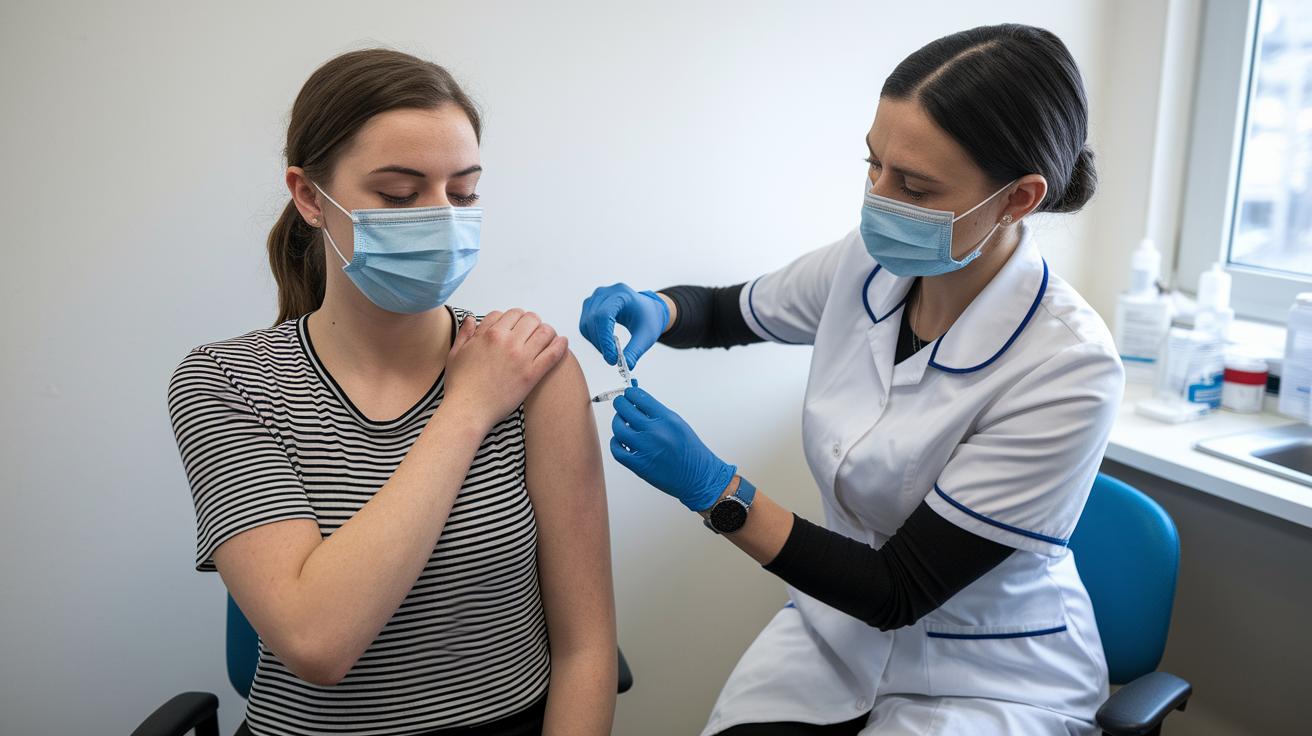
Vaccines help keep you healthy by teaching your body how to fight off infections before they can cause real problems. They lower your chances of ending up in the hospital and help you feel your best. Keeping up with your shots is a simple way to care for yourself at every stage of life.
For example, most adults get a flu shot every year to protect against the common strains. You should also get a Tdap booster every 10 years to defend against tetanus, diphtheria, and whooping cough. If you're 50 or older, the shingles vaccine can cut down on painful outbreaks. When you turn 65, a pneumococcal vaccine helps lower the risk of pneumonia. Plus, COVID-19 boosters follow CDC advice, and if you're under 26, catching up on the HPV vaccine is a good idea.
Your age and personal health risks shape which vaccines you might need. Younger adults might focus on the flu and HPV vaccines, while those in later years can benefit from shots that guard against breathing problems and other issues. Doctors might change the schedule if you have chronic conditions or specific lifestyle risks to make sure your immunization plan fits you perfectly.
Good news: many of these vaccines are covered by ACA guidelines, so you can often get them at no extra cost. This makes it easier and more affordable to stay protected and healthy without any extra worry.
Incorporating Routine Lab and Diagnostic Tests into Your Preventive Care Checklist
Routine lab work and diagnostic tests help catch small changes in your body before they grow into bigger health issues. They work like a simple dashboard, showing you clear signals about how your body is doing. Knowing you're monitoring these health clues can ease your worries even when you feel fine.
A basic blood test is the heart of a smart health routine. For example, an annual complete blood count (CBC) checks many parts of your blood to give a quick look at your overall health. A basic metabolic panel, recommended every one to two years, looks at the balance of minerals and fluids in your body. You might also have a lipid profile every four to six years to keep an eye on your cholesterol, and an HbA1c test every three years if you're at risk for diabetes. Other tests, like checking your thyroid with TSH or an STD panel for those at higher risk, help cover all the important health points.
Sometimes, more specialized tests are just what you need for a closer look at how your body is functioning. An EKG, for instance, is useful for people with heart concerns, kind of like checking your car’s warning light. And vision and hearing checks can spot problems early based on your personal risk factors. With these extra tests, any unexpected changes in your heart, vision, or hearing get noticed fast, so you can keep your overall well-being on track.
Scheduling and Documenting Preventive Care Checklist Milestones

Keeping track of your preventive care doesn’t have to be hard. You can use a digital calendar, health-portal reminders, or even a printed log to help you remember appointments like annual check-ups or screenings. It’s like setting little alarms on your phone to remind you when it's time to see your doctor. For example, you might mark your next appointment on your smartphone or write down upcoming tests in a notebook. This way, scheduling becomes simple and clear, much like knowing when to get an oil change keeps your car running smoothly.
Here’s a five-step plan to keep your preventive care checklist on track:
- Identify due services: Look over your list of tests and see what’s coming up.
- Schedule annual visits: Mark your routine physical exams on your calendar.
- Set reminders: Use digital alerts to remind you a few days before each appointment.
- Record outcomes: Write down test results and any advice from your health team.
- Plan follow-up: Arrange dates for follow-up checks or further evaluations as needed.
Following this plan makes it easier to document and manage your health. Keeping your schedule updated helps you feel proactive and in control of your well-being.
Navigating Insurance Coverage for Your Preventive Care Checklist
Under the Affordable Care Act, many essential tests like blood pressure checks, cholesterol tests, cancer screenings, and cervical exams are offered at no extra cost. When you visit your doctor, you can expect these services to be covered by your plan. It’s reassuring to know your insurance takes care of these tests, which helps you stick to your health routine without worrying about surprise fees.
Medicare Part B also plays a key role in preventive care. It covers one annual wellness visit, which is a great opportunity to review your overall health and catch any issues early. This visit is all about routine check-ups and preventive screenings that help keep you in top shape. The rules are simple, making it easy for seniors to stay on track with their health.
Many employer-sponsored plans offer strong preventive benefits too. They often include wellness visits and screening tests at no additional charge when you see an in-network provider. This not only helps keep your healthcare costs low but also ensures you get a full range of preventive services that work together to support your well-being.
Community health centers are another valuable option. They often offer sliding-scale fees or even free preventive services based on your income. This means you can keep up with essential health checks without the stress of high costs. It’s all about making preventive care simple and accessible for everyone.
Final Words
in the action, we covered the basics of a strong preventive care checklist, from essential screenings and immunizations to lab tests and clear scheduling tips. The post explained how routine exams and tailored tests build a smart plan for everyday wellness. Using a preventive care checklist can help you track improvements and make informed choices about your health. Small steps lead to noticeable gains in living well, so take these tips to heart and enjoy the positive impact on your overall well-being.
FAQ
What are preventive care examples?
The preventive care examples include annual physical exams, routine screenings like cholesterol and blood sugar tests, immunizations, and wellness visits that help catch health issues early.
What are the preventive care guidelines for adults?
The preventive care guidelines for adults recommend regular checkups, age-appropriate screenings, and vaccines to catch potential problems early while supporting overall wellness.
What is the preventive care checklist form PDF?
The preventive care checklist form PDF serves as a structured tool that helps you track essential screenings, immunizations, and tests, keeping your health checkups organized and on schedule.
What is covered under preventive care?
The idea behind what is covered under preventive care involves screenings, vaccines, and routine exams designed to identify health issues before symptoms arise, thereby promoting long-term health.
What labs are covered under preventive care?
The labs covered under preventive care often include tests like cholesterol panels, blood sugar measurements, and metabolic panels that help detect potential health problems early.
What do the UHC preventive care guidelines for 2024 include?
The UHC preventive care guidelines for 2024 include updated recommendations for screenings, vaccinations, and routine checkups that aim to identify risk factors and maintain overall well-being.
What is considered preventive care by Blue Cross Blue Shield?
The preventive care considered by Blue Cross Blue Shield includes no-cost screenings, immunizations, and wellness visits that focus on early detection and prevention of health issues.
What does the UnitedHealthcare preventive care services list consist of?
The UnitedHealthcare preventive care services list consists of routine exams, age-based screenings, vaccines, and essential tests that help detect potential health concerns before they become serious.
What is included in routine preventive care?
The routine preventive care routine includes screenings, immunizations, lab tests, and health assessments that work together to catch potential health issues early and keep you feeling well.
What are five things you can do to practice preventive healthcare?
The five practices for preventive healthcare are scheduling regular checkups, choosing a balanced diet, staying active, keeping up with vaccinations, and managing stress effectively.
What is not covered under preventive care?
The aspects not covered under preventive care usually involve treatments for current illnesses, dental or vision services, and procedures that require separate medical pathways or plans.
What are the three levels of preventive care?
The three levels of preventive care include primary prevention to avoid illness, secondary prevention focused on early diagnosis through screenings, and tertiary prevention aimed at managing existing health conditions.

