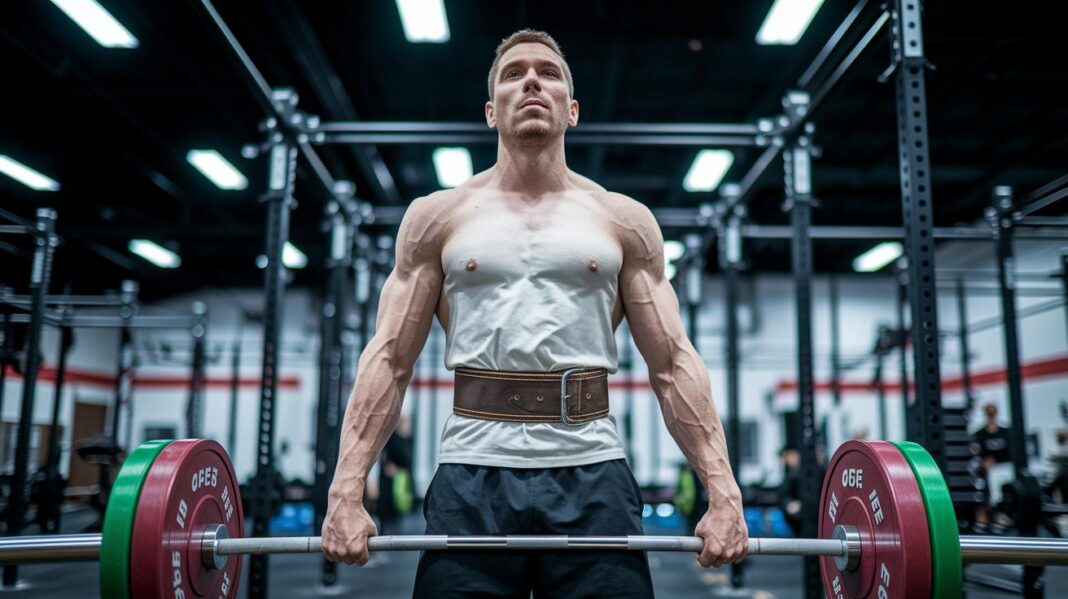
Ever worry that your workout might be putting you in danger? Recent sports reports show more lifters getting injured, so it pays off to be careful. Focusing on proper form and slowly increasing your weights not only builds muscle but also boosts your confidence. With a few clear safety tips, you can work out every session without fretting over injuries. Let's look at some simple steps to create a routine that keeps you safe while you build strength over time.
Strength Training Safety Tips: Boost Your Workout Confidence
Weightlifting injuries have been increasing over the last decade. National data from the American Journal of Sports Medicine shows a steady rise in these incidents. That means it’s important to take it slow, especially if you’re just starting again after a break or trying a new exercise. Taking small steps helps keep you safe from strains and tears.
Building safety into your strength training routine is the key to making strong progress without getting hurt. When you focus on good form and listen to your body, you're setting yourself up for lasting gains and fewer setbacks.
Here are some simple tips to keep in mind:
- Gradual progression: Increase the weight you lift slowly, about 5–10% each week.
- Keep your ego in check: Only lift what you can really handle.
- Mix up your routine: Changing up your exercises can help avoid overuse injuries.
- Fuel up before training: Eat a balanced meal about two hours before you start lifting.
- Watch for warning signs: Pay attention to any pain or discomfort.
- Rest well: Make sure you have enough recovery days between your workouts.
Using these strategies together gives you a balanced way to avoid common injuries in the gym. By gradually increasing the weight, your muscles can adjust to new challenges. Keeping your ego in check means you never risk improper form for heavier lifts, and varying your routine helps your body work in different ways. Eating the right foods before a workout gives you energy, and by listening to your body, you can catch any issues early on. Plus, making time for rest improves your overall confidence and leads to a healthier, steadier lifting experience.
Warm-Up and Mobility Techniques to Prevent Strength Training Injuries
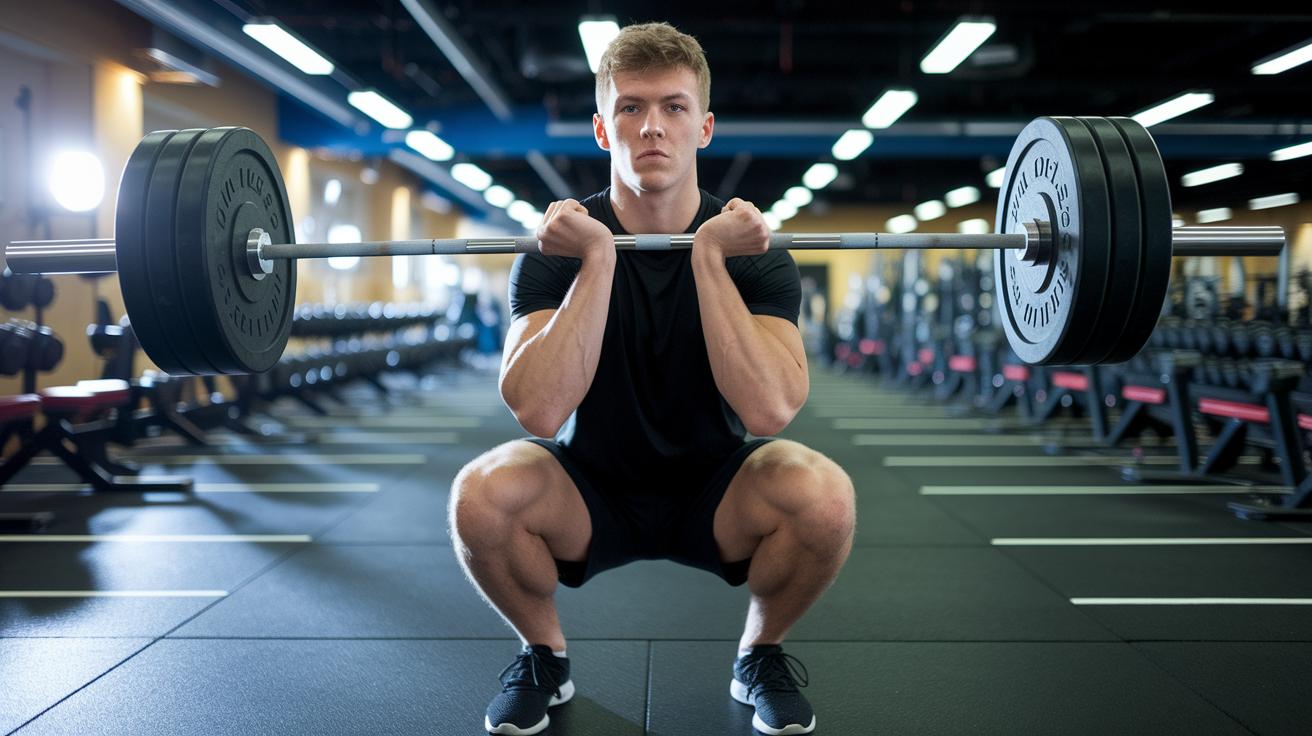
Warming up is like waking up your muscles gently before a big day ahead. When you do a proper warm-up, your body gets more blood flowing and your muscles get a bit warmer. This makes them stretch easier and lowers the risk of strains or joint problems.
Dynamic warm-ups are a fun way to get your body moving. Try simple exercises like leg swings, arm circles, or even a light 5–10 minute cardio session. These moves boost your blood flow and help your joints get ready for the workout. Plus, adding some joint mobility drills can make your movements smoother and reduce any tightness.
Don’t forget about foam rolling and targeted activation exercises as part of your pre-workout routine. Foam rolling relieves any tight spots, while activation drills wake up your stabilizer muscles. This extra step gets you all set and confident before you even pick up a weight.
Ensuring Correct Form and Technique in Resistance Workouts
Good form is the building block of a safe strength workout. Start by mastering your technique to lower your risk of injury and get more out of your moves. When you move precisely, you feel more confident lifting and keep away problems like strains or muscle imbalances.
Safe Squat Technique
When you're doing squats, make sure you use a proper hip hinge so you don’t add extra stress to your knees and lower back. Keep your knees lined up with your toes and watch that they don’t fall inward as you bend. Your feet should feel steady and natural on the ground. Think of your body like a smooth piston: a gentle, controlled dip followed by a strong push using your glutes and thighs. This focus on hip movement and knee alignment not only guards your joints but also helps you get the most from each squat.
Proper Bench Press Alignment
For the bench press, pay close attention to your shoulder position and keep a slight arch in your back to properly engage your chest muscles. Allow your elbows to follow their natural path so they don’t flare out too much. Picture setting up a solid base by pressing your feet firmly into the floor while your back and shoulders create a stable foundation. This approach helps you avoid common mistakes and builds your strength the right way.
Correct Deadlift Posture
During deadlifts, keeping a straight, neutral spine is key to protecting your back. Tighten your core and keep your head in line with your spine. Power the lift by driving through your hips using your legs and glutes instead of pulling with your back. Think of the bar as a guide that stays close to your body, which helps you maintain control throughout the move. This proper alignment makes sure you transfer power smoothly from your legs to the bar.
Remember to time your breathing with your movements by exhaling during the hardest part of the lift. Keeping your ego aside lets you focus on form over heavy weights, making each rep a safe step toward building strength.
Equipment and Gym Environment Precautions for Weight Lifting Safety
Before you start lifting, take a moment to check your gym equipment. This quick look helps prevent accidents and keeps your gear in great shape. A simple inspection of things like bars, collars, benches, and rack pins can catch small issues before they become big problems. Plus, a clean, clutter-free floor makes your workout safer.
| Equipment | Precaution |
|---|---|
| Barbell Collars | Make sure they’re tightly fastened so that weights stay in place. |
| Bench Bolts | Check that bolts are secure and show no signs of damage before use. |
| Flooring | Look for a stable, clean, and non-slip surface to avoid falls. |
| Rack Pins | Confirm they are in the right position and not worn out. |
| Cable Attachments | Inspect these connections for any fraying or loose fittings. |
Building a routine to check your equipment before lifting can keep you safe and prevent unexpected malfunctions. It only takes a few extra minutes to ensure everything is in proper working order, from the collars to the cables. For more helpful tips and checklists, visit Strength Training Accessories.
Managing Load Progression and Preventing Overtraining in Strength Training
When you decide to lift more weight, take it slow and steady. Try increasing your load by just 5-10% each week so your muscles have time to adjust, kind of like adding a little water each time you water a plant. This gradual boost helps build strength without stressing your body too much.
It’s smart to be on the lookout for signs of overtraining. If you keep feeling sore, notice mood swings, or see your workout performance drop, your body might be asking for a break. Sometimes, switching to lighter weeks or mixing up your exercises can be just what you need to keep moving forward safely.
Remember, recovery is a big part of getting stronger. Get plenty of sleep, eat a balanced diet that helps repair your muscles, and take days for lighter activities. This way, your body gets the chance to rebuild, making each workout prepare you better for the next challenge.
The Critical Role of Spotters and Spotting Techniques in Weight Lifting Safety
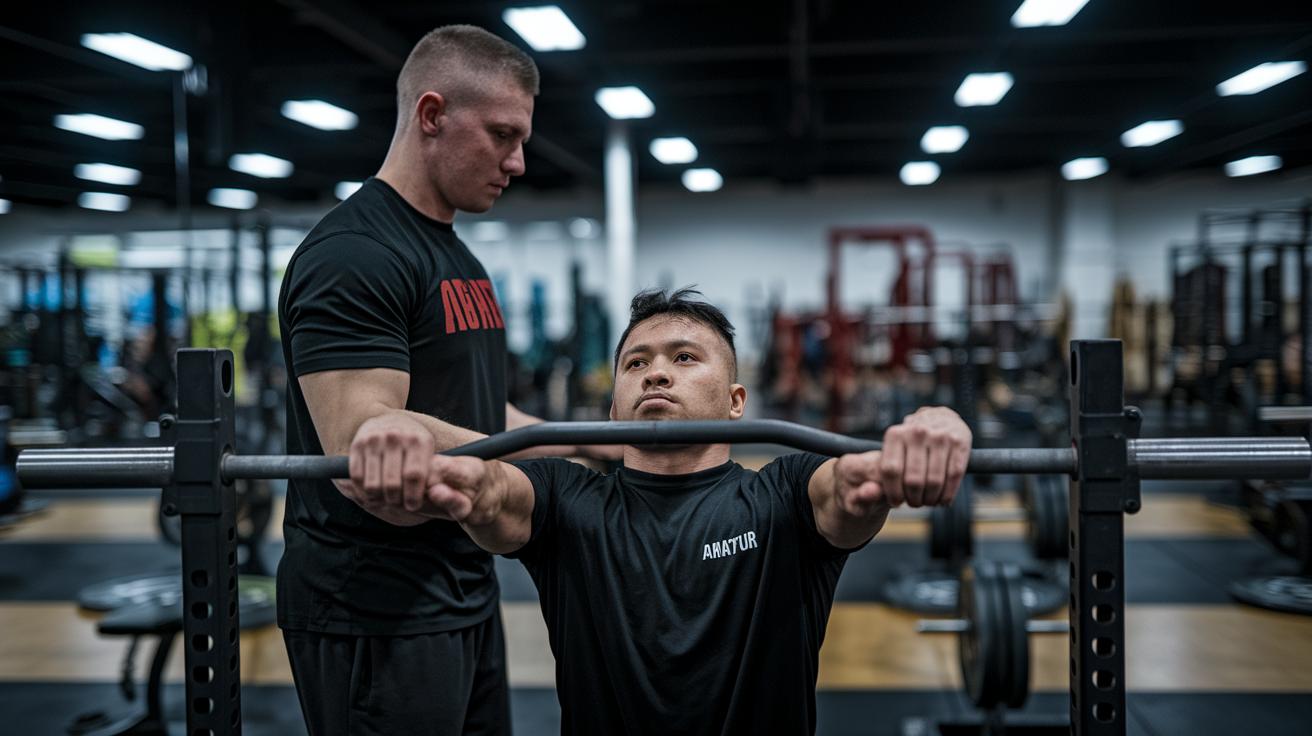
A spotter is more than just someone who watches you lift; they keep a close eye on your form and are ready to jump in when a lift gets too heavy. Think of them as a helpful friend who makes sure you lift safely and keeps the gym equipment in good shape. They’re there to catch dropped weights and protect you from injury when the load becomes overwhelming.
Good communication is the backbone of safe lifting. Before you start lifting, agree on simple cues like "Help" or "Assist" so that your spotter knows exactly when to step in. This small step makes a big difference when you’re pushing through a tough set and need support quickly. It’s like having a secret handshake that keeps both of you in sync.
Effective spotting isn’t just about being nearby, it also means standing in the right spot with your hands ready to grab the weight if needed. A strong, well-placed spotter adds confidence to your workout and can really lower your chances of an accident during heavy lifts. Staying alert and in the right position lets you enjoy your workout while keeping safety first.
Tailoring Safety Tips for Beginners, Seniors, and Individuals with Chronic Conditions
If you're new to lifting, focus on building a strong foundation for your movements. Start small and gradually increase your efforts so that your muscles and joints have time to adjust. A bit of soreness is normal at first, but if you feel sharp pain, it might be a sign to talk to a professional. This careful start helps you build strength while keeping injury risks low as you learn proper form and balance.
Older adults can benefit from adjusting their routines to include easier, low-impact exercises. Try using lighter weights and exercises that boost balance and stability. Adding simple balance drills and gentle strength moves can make a big difference. For instance, using machines instead of free weights or reducing the range of motion can make your workout safer without sacrificing muscle gains. For more tips on modifications, check out Strength Training for Seniors.
If you have a chronic condition, always get medical clearance before starting or changing your exercise routine. You might need to adjust movements based on your range-of-motion limits and use equipment that gives extra support. Regular fitness checks and annual physicals help ensure your exercise plan keeps up with your body’s needs. By working closely with your healthcare team to adjust intensity and methods, you can enjoy a safe, effective strength training routine that supports your overall health.
Final Words
In the action, this post walks through essential safety practices, starting with strength training safety tips for smarter workouts. It details proper warm-ups and mobility drills, correct form and equipment checks, safe load progression, and the importance of spotters. The insights extend to beginners, seniors, and those with chronic conditions, offering clear steps to avoid injuries and build strength responsibly. Each strategy works together to help you manage your health with confidence and care. Keep these tips in mind, and enjoy a safer lifting routine every time.
FAQ
What do strength training safety tips include?
The strength training safety tips include proper warm-ups, correct form, gradual load increases, safe equipment checks, and rest. These tips help prevent injuries and build a solid foundation for lifting.
How can beginners, including women, safely start strength training?
The safety tips for beginners emphasize starting with light weights, focusing on proper technique, warming up thoroughly, and progressing slowly while listening to the body.
What safety tips should be considered for strength training at home?
The strength training safety tips at home suggest clearing your workout space, checking equipment stability, warming up with simple exercises, and planning rest periods for injury prevention.
What are five safety precautions for lifting weights?
The five safety precautions include doing a dynamic warm-up, using proper form on each lift, checking equipment before use, progressing gradually in weight, and having a partner or spotter for assistance.
How do you strength train safely using a recommended approach?
The approach to strength training safely means starting with a warm-up, adopting correct techniques, progressing gradually in load, and maintaining a safe gym or home environment with proper equipment checks.
What are the risks of strength training and how can they be minimized?
The risks of strength training, such as strains, muscle injuries, or overtraining, can be minimized by focusing on proper form, warming up, progressing slowly, and taking adequate rest between sessions.
What are some common strength training exercises that are safe for all levels?
The common strength training exercises safe for all levels include squats, bench presses, deadlifts, and modified versions of these moves when starting, always practiced with proper technique and light weights.
What are the disadvantages of weight training?
The disadvantages of weight training can include potential injury, muscle strains, and overtraining if techniques or loads are mismanaged; proper preparation and technique usually overcome these issues.

