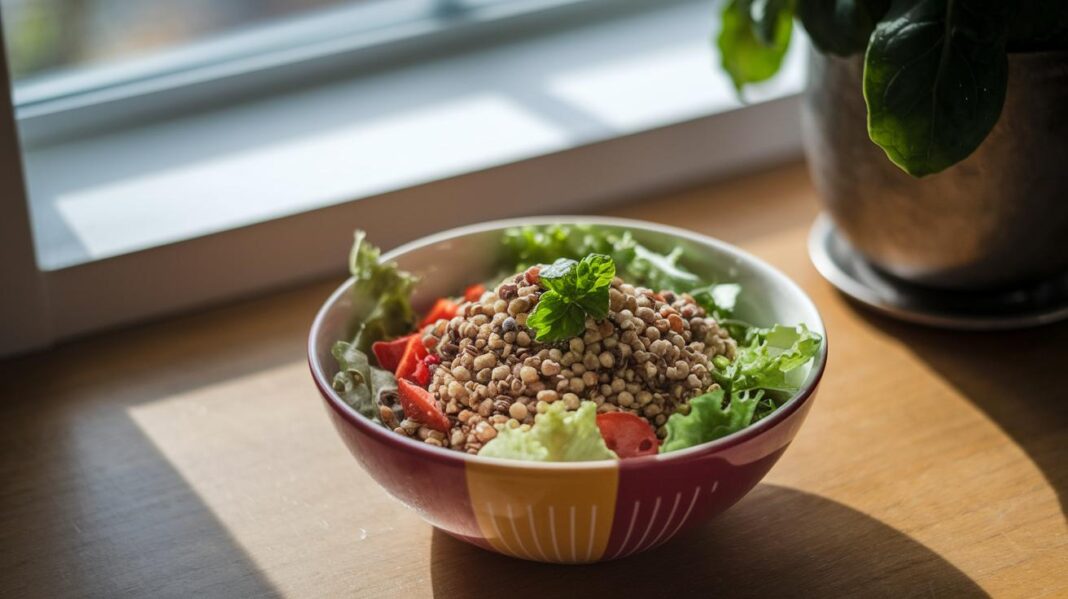
Have you ever wondered if swapping a snack for a piece of fruit might give you a boost? A balanced diet does more than fill you up, it gives you the energy you need to get through the day.
Mixing fruits, veggies, lean proteins, and whole grains helps your body work at its best. It’s like giving yourself the right fuel to power on, even on busy days.
In this post, we show you how simple food choices can truly change your day. With a few smart swaps, you can enjoy feeling great from morning until night.
Healthy Eating and Balanced Diet: Feel Great
A balanced diet means giving your body the mix of foods it needs to run smoothly. It’s all about choosing different kinds of foods with each meal so you get energy, build and fix your body, and support everyday work. This way of eating helps you feel good physically and boosts your mood with small, smart choices every day.
Healthy eating is another way of saying you’re making thoughtful food choices. You pick foods that pack important vitamins, minerals, and nutrients. Think of it like choosing whole fruits and fresh vegetables over processed snacks that don’t give you much. It’s all about adding foods with antioxidants and vitamins that taste great and fuel your day.
• Fruits
• Vegetables
• Protein
• Grains
• Dairy
USDA guidelines suggest filling half your plate with fruits and veggies. This simple tip means you get a good mix of vitamins and antioxidants that can lower health risks and help manage your weight. By following this idea, you set up a meal plan that keeps your body strong and your life feeling full of energy.
Core Nutrition Principles in a Balanced Diet

Carbohydrates are like the fuel that powers your day. When you pair them with fiber, they offer long-lasting energy and help keep your digestion smooth. Whole grains, fruits, and veggies provide these complex carbs along with fiber that slows down your blood sugar rise. This means you enjoy a steady boost to tackle your daily tasks.
Proteins play a big role in helping your body repair and build tissues. They’re found in foods like lean meats, beans, nuts, and soy products. These nutrient-packed options give you protein without loading on extra unhealthy fats. Experts even say it's important to include protein-rich foods every day so your body can recover and grow.
Fats aren’t just extra calories, they help your body absorb important vitamins and keep your cells in top shape. Healthy fats from avocados, olive oil, and nuts offer essential energy for even the simplest activities, from walking to thinking. By choosing foods rich in nutrients, you ensure you get the right support for a balanced diet.
Building Wholesome Meal Strategies for Healthy Eating
The MyPlate idea gives you a clear guide to planning meals that work. It shows how to split your plate into sections for fruits, veggies, lean proteins, and whole grains. By making half your plate fruits and vegetables, you help lessen the risk of disease and keep your weight in check. Plus, choosing protein-rich foods and whole grains gives you lasting energy because of the useful parts like bran, germ, and endosperm.
| Meal | Portions | Examples |
|---|---|---|
| Breakfast | ¼ grains, ¼ protein, ½ fruits/vegetables | Oatmeal, Greek yogurt, berries |
| Lunch | 1 serving whole grains, 1 serving lean protein, 2 servings vegetables | Brown rice bowl with chicken & veggies |
| Dinner | ½ vegetables, ¼ protein, ¼ whole grains | Quinoa, salmon, steamed broccoli |
Remember, the MyPlate plan can change to fit your taste. Swap corn for rice or pick different veggies when you feel like it. You can even try herbs and spices to boost flavor without adding extra calories. Listen to your body to see which food combos give you the best energy throughout your day. Little, thoughtful tweaks over time can shape a meal plan that fits you perfectly and makes eating healthy feel fun.
Adjust until you find your perfect plate balance.
Clean Food Choices and Whole Food Benefits
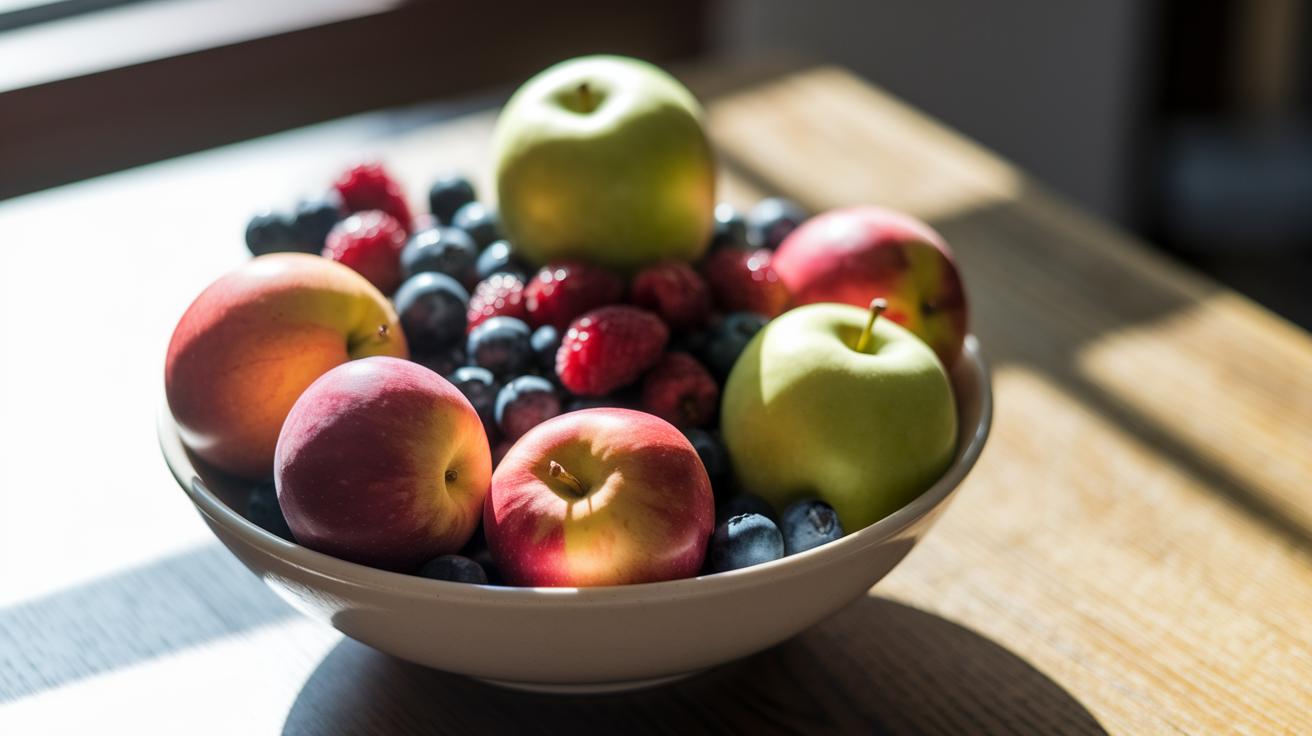
Whole grains, fruits, and vegetables are nature’s built-in nutrition packs because they stay close to how they grow. This means they keep most of their vitamins, minerals, and fiber. Picture biting into a crisp apple or enjoying a warm bowl of plain oats, each bite is full of real, natural flavor that processed foods just can’t match.
Choosing low-fat or fat-free dairy, or even fortified soy choices, adds important calcium to your diet without extra unwanted fat. It’s like swapping out a sugary snack for a premium burst of energy that your body really needs.
Small changes can make a big difference. Try adding more leafy greens or whole grains to your meals and cut back on highly processed foods. Simple swaps, such as picking fresh produce over canned options, help keep more of nature’s goodness in your diet. These clean food choices not only support your body but can also help lower inflammation, leaving you feeling great every single day.
Incorporating Fiber, Vitamins, and Mineral‐Rich Foods
Fiber is the quiet champion in your diet that keeps your gut running smoothly and helps balance your blood sugar. Whole fruits, unlike juice, bring a steady supply of fiber along with important vitamins. Vegetables, coming in different groups, do even more by offering plenty of fiber to support digestion and steady energy. This natural fiber helps you feel full longer and keeps everything moving gently.
Eating a variety of vegetables is a fun way to get all the essential vitamins and minerals your body needs. Each group offers its own benefits, colorful choices like red tomatoes and green spinach pack vitamins A and C, while other veggies add minerals that help build strong bones and boost your immune system. Mixing these nutrient-rich foods throughout your day gives you a spectrum of benefits to feel energized.
Antioxidant-rich foods, such as berries and leafy greens, act like a tiny shield that fights off harmful molecules in your body. They help calm inflammation and keep you feeling good. Ever notice how a bowl of fresh berries can brighten your mood? Try including these superfoods in your daily meals. For example, Spirulina offers a strong dose of antioxidants that can enrich your diet even more.
Smart Grocery Shopping and Meal Prep for Healthy Eating

Planning your meals ahead of time saves you from those rushed, last-minute trips that lead to picking up too many processed foods. Start by making a straightforward grocery list that fits a balanced diet, fill it with plenty of fruits, vegetables, whole grains, lean proteins, and dairy alternatives. For instance, a simple printable checklist labeled "Grocery List for Healthy Eating" can really keep your shopping trip focused.
Batch cooking is a neat trick to make life easier. On the weekend, cook a big batch of your favorite meals and then split them into smaller containers for the coming week. This method not only saves time but makes eating well a no-brainer, even on busy days. You might even try using a Meal Planner for Healthy Eating to turn meal prep into a fun routine.
Setting aside one day each week for meal prep can really help make healthy choices stick. Spend a little time cooking, portioning, and organizing your meals so you know exactly what’s going into your dishes, reduce waste, and keep your diet balanced without any extra stress.
Maintaining Healthy Eating and Balanced Diet Long‐Term
Small changes over time can make healthy eating stick. Try swapping out processed snacks for whole foods. For instance, instead of reaching for a packaged treat, grab a handful of nuts or an apple, its crisp taste might just curb your cravings naturally.
Pay attention to how your body feels when you eat. Slow down and savor each bite, noticing when you start to feel full. This mindful approach turns mealtime into a chance to care for yourself and build habits that last.
Simple routines really help too. Plan your meals ahead or keep a colorful shopping list to remind you of wholesome choices. These easy steps act like a daily roadmap, guiding you to a balanced diet while keeping things fresh and manageable.
Final Words
In the action, this post breaks down healthy eating and balanced diet basics while showing how our plates can be filled with fruits, vegetables, proteins, grains, and dairy. It explains key nutrition principles, meal planning, and choosing whole foods that boost our energy and nutrient intake.
The blog also offers smart shopping tips and steps for long-term healthy eating that make sticking to a balanced diet a simple, everyday win. Keep enjoying these small changes for lasting vitality.
FAQ
What is a healthy and balanced diet?
A healthy and balanced diet means eating a mix of foods from fruits, vegetables, proteins, grains, and dairy. This blend keeps your body energized and supports overall well-being.
What is included in a balanced diet food list or chart?
A balanced diet food list or chart includes foods from five key groups: fruits, vegetables, proteins, grains, and dairy. This guide helps you pick meals that deliver essential vitamins and minerals.
What are the 7 things needed in a balanced diet?
A balanced diet typically covers the five main food groups plus healthy fats and water. These components work together to support energy levels and proper body function.
What are healthy foods to eat every day?
Healthy everyday foods include fresh fruits, vegetables, lean proteins, whole grains, and low-fat dairy. They provide key nutrients and energy to keep you feeling strong.
What is a 7-day healthy eating plan?
A 7-day healthy eating plan offers a daily blueprint of balanced meals from every food group. It makes meal planning easier and helps you stick to nutritious eating habits.
Is a healthy diet the same as a balanced diet?
A healthy diet and a balanced diet are terms often used interchangeably. Both focus on eating a variety of nutrient-dense foods in proper portions to meet your body’s needs.

