
Ever thought weightlifting was only for bodybuilders? Think again. Strength training helps you build muscle, support your bones, and even lift your mood. When you work out, your body burns calories well after you've finished, and your mind feels more relaxed.
Research shows that regular resistance exercises can reduce stress and boost your energy. In this post, we’ll share how adding a few sessions of weight training each week can improve both your body and your spirit.
Ready to see how strength training can make you feel better every day?
Comprehensive Benefits of Strength Training for Physical and Mental Health
Strength training is a type of exercise where you work against resistance to build muscle and make your bones stronger. You can do it by lifting weights, using resistance bands, or even doing exercises with your own body weight. If you want to know more about strength training, check out the link at https://greenjuicelife.com?p=885.
After the age of 30, our muscles and bones start to lose strength. But doing resistance exercises can slow down this process by keeping your bones dense and your muscles lean. When you lift weights, you boost your metabolism, which means you burn more calories, even when you’re resting, for up to 72 hours after your workout. This makes strength training a great tool for weight loss, more so than just doing aerobic exercises.
On top of the physical benefits, strength training also gives your mental health a boost. Studies have shown that regular resistance exercises can help reduce feelings of depression and anxiety. In fact, a 2018 review of 33 clinical trials found that working out can really improve your mood and overall energy. It's like giving yourself a little mood lift and added confidence every time you work out.
- Strengthens bones and builds lean muscle
- Boosts metabolism for extra calorie burn
- Helps ease symptoms of depression and anxiety
- Improves balance and posture
- Supports long-term physical and mental health
Maximizing Muscle Growth and Metabolism through Resistance Training

Resistance training does more than just get you sweating, it tells your muscle fibers to rebuild and get stronger. By challenging your muscles, you're sparking a process called muscle hypertrophy, which simply means your muscles increase in size as they adapt to the workout. And if you’re curious about how muscle growth differs from simply gaining strength, check out this link: hypertrophy vs strength training.
The cool part is that as your muscles grow, your metabolism gets a boost too. More muscle means your body burns extra calories even when you’re chilling. In fact, studies show that your metabolic rate can stay elevated for up to 72 hours after you work out. So, one solid session of strength training can keep your body burning calories long after you're done, offering fat-burning benefits that many cardio routines just don’t match.
Mixing muscle growth with a lasting metabolic boost creates a powerful fat-burning strategy. Weight training not only cuts down fat but also builds lean muscle, making it a smart choice if you're aiming for a fitter, healthier body.
| Training Mode | Typical Metabolic Boost Duration |
|---|---|
| Heavy Lifting | 48–72 hrs |
| HIIT with Weights | 24–48 hrs |
| Bodyweight Circuits | 12–24 hrs |
Strength Training for Bone Health and Longevity
Strength training kicks off a natural process called bone remodeling, where old bone breaks down and new, stronger bone takes its place. After 30, our bones can lose density, making them more likely to break. Resistance workouts give your bones a little nudge to rebuild, which can slow down this decline. This is really important for women, since they naturally have smaller, thinner bones and can lose bone mass faster when estrogen levels drop during menopause.
Regular weight lifting not only helps keep osteoporosis at bay by boosting bone density, but it also supports a long, active life. By strengthening your skeleton and cutting down the risk of fractures, resistance training makes everyday activities easier and keeps you moving freely. When you stick to a strength routine, you're giving your body a fighting chance against age-related decline, setting the stage for a healthier, more resilient future.
Role of Strength Training in Weight Management and Fat Reduction

When you lift weights, your muscles work hard to repair and grow, and they need extra energy even after your workout. This extra energy requirement means your muscles burn more calories compared to fat. It’s like having an engine that keeps running even when the car is parked. For instance, Lisa noticed that after her weight training, her body continued to burn more calories, giving her a steady boost long after she finished exercising.
Pairing weight training with a balanced diet and some cardio gives you a real advantage. Eating lean proteins and plenty of fruits and vegetables helps your muscles rebuild, while a 30-minute brisk walk can help burn off extra calories and keep your heart happy. You might try mixing weight training with brisk walks to support a strong metabolism and steady weight control.
Enhancing Joint Stability, Posture, and Injury Prevention with Strength Training
Strength training is a great way to boost both your power and balance. When you perform controlled lifts, your muscles around the knees, hips, and core become stronger, helping your joints stay steady and cutting down the risk of injury. This routine not only supports proper alignment but also makes everyday movements safer and easier, so you can stay active without worry.
Joint Stability and Reduced Injury Risk
Focusing on specific lifts helps build up the ligaments and muscles that support your joints. When these muscles work well together, it keeps harmful imbalances at bay. This means you’re less likely to suffer from painful strains or unexpected injuries during daily activities or sports. It really pays off by making your body more resilient and ready for any physical challenge.
Posture Improvement and Balance
Exercises that target your core and back can work wonders for your posture and balance. A strong midsection supports your spine, eases tension in your neck and shoulders, and improves your overall coordination. Better posture not only reduces the risk of minor injuries but also makes you feel more confident as you move through your day. In short, these improvements can help you stay active and reduce the chance of long-term issues.
Functional Fitness Benefits of Strength Training for Daily Life

Strength training isn’t just about building muscle. It also helps your joints move better by increasing your range of motion (ROM, which is just a fancy term for how far your joints can move) and boosting flexibility. When you push your muscles with resistance, it’s like giving them a good stretch, making everyday movements feel smoother and easier.
Working out with resistance not only builds strength but also gives you the power you need for daily activities. Regular training makes tasks like lifting grocery bags or climbing stairs a lot less tiring. As your muscles get bigger and stronger, you naturally feel more empowered to handle your day-to-day activities with ease.
Another big win with strength training is keeping your body mobile for the long haul. By challenging your muscles on a regular basis, you lower the risk of future joint issues and other problems. In short, blending endurance with strength through regular workouts helps your body stay steady and active, no matter how many birthdays you celebrate.
Mental and Cognitive Advantages of Regular Strength Workouts
Working out with weights does more than build muscle, it also lifts your mood and eases anxiety. A 2018 study found that regular resistance training can lower depression symptoms so that you feel more uplifted after a session. Many people notice that a quick weight session acts like a mini mood boost, making daily challenges a bit easier to handle.
Strength exercises also help wash away stress. When you lift, your body releases feel-good endorphins that clear away tension, almost like taking a deep, calming breath. Even a short workout can leave you more centered and ready to take on your day with renewed focus.
For older adults, regular resistance training isn’t just about staying in shape; it also sharpens the mind. Studies show that working out twice a week can boost memory and problem-solving skills, offering a buffer against age-related mental decline. In other words, adding strength training to your routine helps keep both your body and your mind strong and confident.
Starting Strength Training Safely: Tips for Beginners
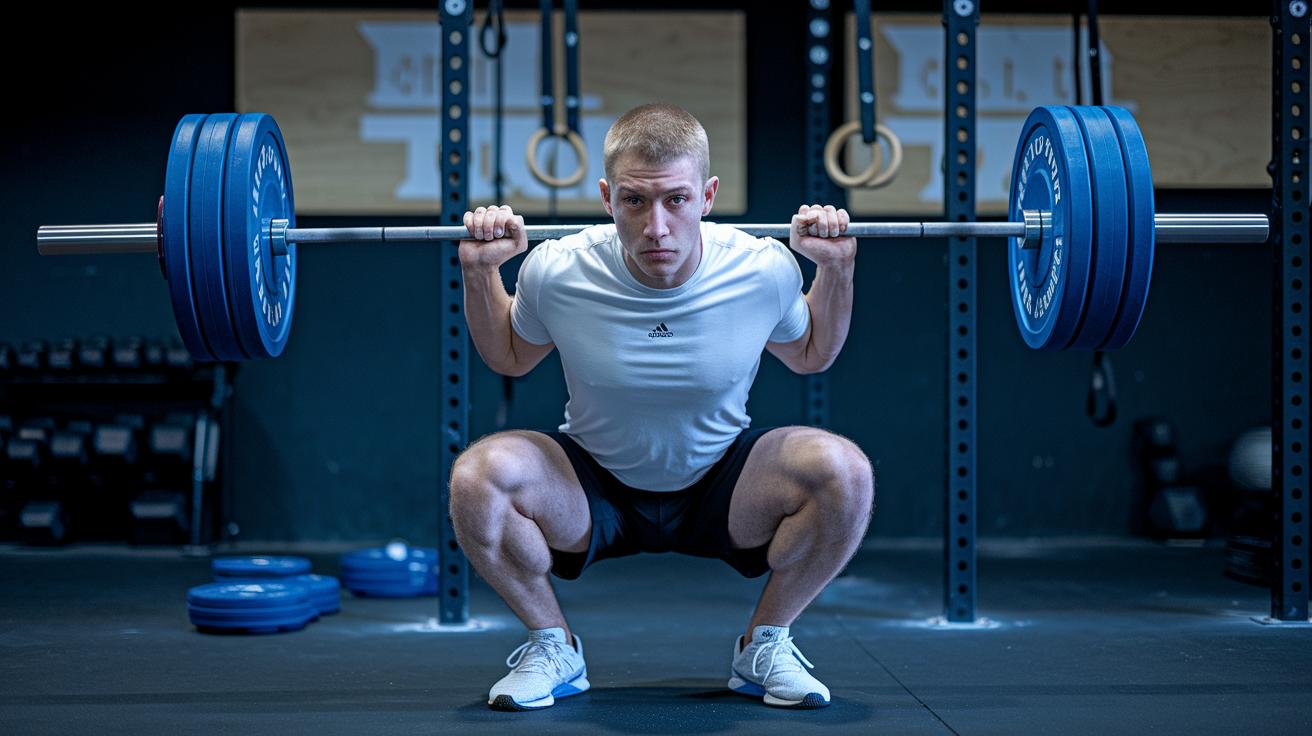
When you're getting started with strength training, focusing on proper form and seeking a bit of professional guidance can really make a difference. Working with a certified trainer helps you learn the right way to move so you can avoid injuries and get the most from your workouts. This kind of expert advice lays a solid foundation for a rewarding lifting journey. If you're looking for more tips on starting out, you might want to check out this guide: how to start strength training.
Bodyweight Foundations
Begin your journey with simple bodyweight exercises like squats, lunges, and push-ups. These moves help you practice good alignment and the right technique without any extra weight to worry about. Spending about two to four weeks on these exercises allows your muscles to adjust and teaches your body to move correctly. Even short, focused sessions every day can boost your confidence and prepare you for the next steps.
Transitioning to Weights and Bands
Once you feel comfortable with bodyweight exercises, you can start adding light weights or consider using resistance bands for strength training. Begin with gentle loads to make sure you maintain strong, steady form. Keep an eye on your body, if you notice any discomfort or strain, take it slow. Moving gradually into these new challenges lets your muscles and joints adjust properly, lowering the risk of injury. Taking a steady and careful approach is the best way to build strength while keeping your workouts both effective and enjoyable.
Final Words
In the action, this article broke down strength training into its powerful physical and mental effects. We saw how it builds lean muscle, boosts metabolism, preserves bone health, and sharpens cognitive function. Each section offered tips on proper technique and safe progression to achieve these benefits. The detailed discussion highlights the benefits of strength training for complete wellness, from physical strength to mood improvement. Keep moving forward with confidence and enjoy how each lift helps you feel stronger and more in control.
FAQ
What are the benefits of strength training for females and men?
The benefits of strength training for both females and men include increased lean muscle mass, preserved bone strength, a boosted metabolism, and improved mood, helping support overall health and effective weight management.
What are some key benefits of strength training exercise?
The key benefits of strength training exercise include muscle building, enhanced metabolism, improved bone density, reduced anxiety, and better posture, all of which help improve daily physical performance and mental well-being.
What does strength training do for the body?
Strength training improves the body by building muscle, enhancing metabolism, preserving bone density, and lifting your mood, making it a powerful tool for overall physical fitness and mental balance.
Does weight training change your body shape?
Weight training changes your body shape by boosting muscle tone and reducing fat. It sculpts and defines muscles, resulting in a more fitted, streamlined appearance with regular practice.
What are the big 5 strength training exercises?
The big 5 strength training exercises include the squat, deadlift, bench press, overhead press, and row variations. These moves target major muscle groups to create balanced, overall strength.
What are some disadvantages of weight training?
The disadvantages of weight training can include risks of injury with poor technique, muscle strain from overtraining, and the need for proper recovery. Focusing on correct form and gradual progression minimizes these risks.
What are some common strength training exercises?
Common strength training exercises include bodyweight moves like push-ups and squats, free weight exercises such as dumbbell curls and bench presses, along with machine-based workouts for controlled, guided movements.

