
Have you ever thought your smartwatch might change your life? Today’s wearables do so much more than just count your steps. They also watch important signals like your heart rate (how fast your heart beats) and your sleep cycles, showing you what’s happening in your body as it happens.
These smart devices send all the info right to your phone, turning everyday numbers into clear ideas about your health. Think of it as having a personal health check that never stops working, helping you catch changes before they become a problem.
It’s all about taking small steps every day to look after your health.
How Wearable Technology Health Analytics Drives Real-Time Patient Monitoring
Wearable devices are like your friendly health buddies that keep an eye on important signals such as heart rate, daily steps, and how well you sleep. These gadgets use little sensors, like digital accelerometers and optical modules, to catch even the tiniest details of your daily routine. They then send this information straight to your smartphone or a secure cloud server. Imagine your runner’s watch pinging mid-run when it picks up an unusual heart rhythm. That nonstop flow of data is what makes connected health wearables so effective.
Once your health data reaches the cloud, smart algorithms get to work. They sort through the noise, spot the important patterns, and turn raw numbers into useful insights. This means that if something seems off, like an unusual heart rhythm or a sudden change in sleep habits, the system can alert you or your caregiver right away. It’s like having a personal health checker who constantly monitors your well-being, whether you're keeping up with daily fitness or managing a long-term condition.
The perks of this system are huge. Real-time analytics help catch potential health issues early and tailor care to fit what you need. They even support more personalized plans for managing chronic illnesses. Plus, as more people use these technologies, the market is booming, with revenue estimates reaching up to $69.2 billion by 2028. In short, wearable health tech isn’t just a cool gadget, it’s a game changer that gives you a helping hand in keeping track of your health, anywhere and any time.
Sensor Technologies in Wearable Health Analytics

Wearable gadgets use many sensors to capture your vital health information right when you need it. They have optical sensors that check your heart rate by looking at how light bounces off your skin, along with accelerometers and gyroscopes that keep track of your movements and posture. Plus, there are sensors that measure blood oxygen levels. Some devices even include ECG leads to record your heart's rhythm and monitors for tracking blood sugar. In simple terms, these tools work together to give you a clear picture of your health.
| Sensor Type | Measured Metric | Typical Accuracy |
|---|---|---|
| Optical PPG | Heart Rate | ±2 bpm |
| Accelerometer | Steps/Movement | ±5 % |
| SpO₂ Sensor | Blood Oxygen | ±2 % |
| ECG Lead | Cardiac Rhythm | Clinical Grade |
| CGM Sensor | Glucose | ±10 % |
| Gyroscope | Orientation | ±1 °/s |
These sensors don’t work alone, they team up through a method called sensor fusion. This tech blends data from different sensors and uses simple math to filter out unwanted noise. What does that mean for you? It makes the insights more reliable, so you can feel confident that your device is really on top of your health.
Integrating Wearable Devices with Health Analytics Software
Wearable devices are becoming a key part of modern healthcare. They send your health info safely into digital systems, creating complete patient profiles. Data from smartwatches or fitness trackers travels to cloud dashboards, where it's sorted and turned into clear, useful insights. This setup links your everyday monitoring with official healthcare records.
IoMT and EHR Connectivity
Today’s wearables easily communicate with Electronic Health Records and the Internet of Medical Things platforms. They use common standards like HL7 and FHIR with secure APIs and encryption to keep your data safe. Imagine your wrist monitor sharing your heart rate with your doctor in real time, almost like a digital handshake that keeps your information accurate and private.
Data Analytics Platforms
Cloud services play a big role in handling health data. Platforms like healthcare analytics (https://healthlystats.com?p=140) offer live dashboards, simple charts, and alerts that turn raw numbers into an easy-to-understand snapshot of your health. These tools help both doctors and individuals track trends, set up alerts for unusual changes, and stay on top of important health signs.
Efforts to standardize various data formats and APIs are making it easier for devices to work together. With these improvements, wearables are set to stay an essential part of our connected health world.
Privacy and Security in Wearable Health Analytics

Wearable devices pick up personal health details that we need to guard very carefully. They can face issues like unauthorized access, data breaches, and even misuse of your private health information. Laws such as HIPAA and GDPR lay out crystal-clear rules to keep this information safe, meaning every system handling health data has to stick to strict privacy standards and keep patient details confidential.
We use a few smart technical safeguards to tackle these risks. For example, end-to-end encryption makes sure your data stays locked up while it’s being transferred. Regular secure firmware updates help keep devices free from bugs and vulnerabilities. Then there’s multi-factor authentication, which adds an extra check, so it’s much harder for the wrong person to get in. Plus, anonymization turns your personal data into coded info that can’t be traced back to you, and user consent frameworks ensure you decide how your data is used. All these measures come together to boost security and meet the tough rules in healthcare.
Practical Applications of Fitness Tracking Wearables in Health Analytics
People are quickly embracing fitness wearables to keep tabs on their health. These pockets of technology help millions count steps, check heart rates, and monitor sleep with ease. Imagine being on a morning jog and glancing at your wrist to see your current pace in real time. It’s like having a little coach cheering you on!
Smartwatches now come with nifty features like ECG and fall detection that give you health updates on the spot. For example, an Apple Watch can track your heartbeat and even alert you if it notices something unusual. It’s a bit like getting a friendly health check right while you exercise, your watch tells you when your rhythm feels off.
Continuous glucose monitoring is also making a big difference. Devices like the Abbott Freestyle Libre 2 track blood sugar levels throughout the day so you can decide what to eat or how to move next. Picture checking a live blood sugar update after a snack and knowing exactly how to plan your next step towards better health.
Newer innovations include sensor-embedded activewear and digital blood pressure monitors. Your workout clothes can now offer tips on your posture and movement, while digital monitors keep an eye on your blood pressure trends. Think of it as your gear gently nudging you to improve your form.
These smart devices not only help you stay active but also play a strong role in managing chronic diseases and preventing health issues. With simple, everyday insights into your activities, they guide you towards a personalized and proactive approach to your wellness journey.
Future Trends in Wearable Technology Health Analytics
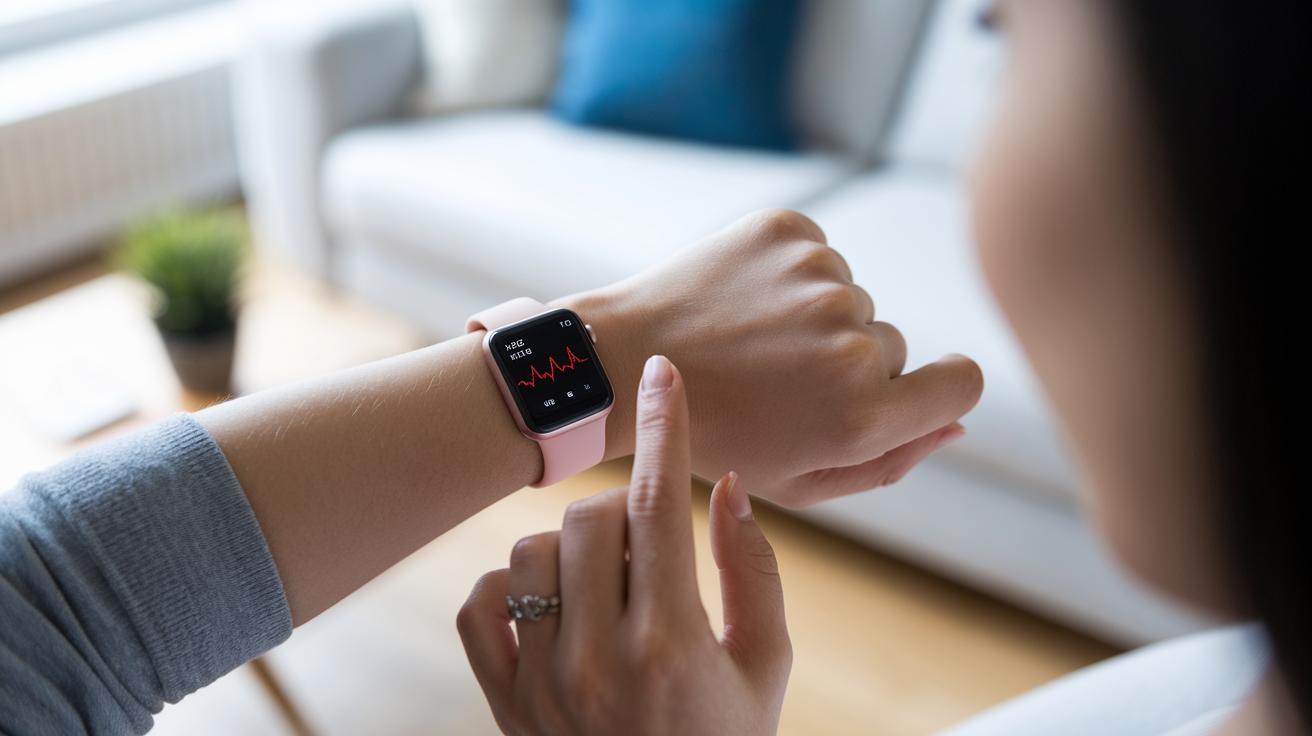
Wearable devices are quickly becoming our trusted health partners. Thanks to artificial intelligence and machine learning, these devices now learn from the heaps of data they collect every day. They look for small hints that might signal future issues. In other words, your gadget keeps an eye out for any unusual changes in things like your heart rate or blood pressure before they turn into real problems.
Next up, we have next-generation biosensors. These smart sensors can pick up brand-new health markers that we haven’t seen before. By enhancing precision and cutting out interference, they work with machine learning systems to provide clear, accurate readings. Imagine it as getting a mini check-up with technology that’s almost as detailed as what you’d find in a clinic.
Market trends indicate that the digital health revolution is only gaining speed. Experts expect the wearable tech market to top $69.2 billion by 2028. With better remote monitoring and closer ties to telemedicine, personalized care will soon be the everyday norm. In short, these developments not only make health predictions sharper but also empower you with timely insights for a smarter, more connected approach to your well-being.
Final Words
In the action of wearable technology health analytics, sensors capture key health data that flows to cloud systems for real-time insight. We covered how these tools support day-to-day routines, protect patient data, and boost physical well-being. The blog explored sensor types, cloud integration, privacy measures, and practical fitness tracking, while also peeking into future AI-driven advancements. By keeping an eye on data and acting on simple health metrics, everyday wellness can truly take off. Stay positive and take charge of your health with wearable technology health analytics.

