
Ever wonder if doing endless crunches is the only way to get a strong core? The truth is that mixing focused strength moves with a balanced diet can help you build abs that give you both power and stability.
Instead of relying on just crunches, strengthening your core works those upper, side, and deep muscles that support every move you make. Keep reading to learn how smart workouts paired with good nutrition can help you create a defined, resilient midsection.
Comprehensive Ab Strength Training Overview
Targeted resistance moves and a smart eating plan work together to help you build a strong, defined core. Instead of just doing crunches, a good ab workout mixes different exercises that target your upper abs (rectus abdominis), side muscles (obliques), deep core muscles (transverse abdominis), and even the muscles around your ribs (serratus anterior). These exercises not only strengthen your midsection but also improve your overall stability.
Adding a healthy diet to your workout routine is essential because visible abs usually come from having a low body-fat percentage. Eating well gives you the energy you need for your workouts and helps shape your body so that your hard work really shows.
- Rectus abdominis: Helps create the classic six-pack look by forming clear muscle segments.
- External/internal obliques: Allow you to twist from side to side and help keep your body balanced.
- Transverse abdominis: Works like an inner support belt, keeping your core stable and your back safe.
- Serratus anterior: Helps support your rib cage and makes it easier to move your shoulders during active exercises.
Sticking with your routine is key to a toned midsection. When you train your abs regularly and follow a strict diet, you lower your overall body fat. That means your core muscles have a better chance to become well-defined and strong over time.
Understanding Ab Muscle Anatomy for Effective Training

Our ab muscles work together to help you move and keep a good posture every day. Each one plays a special role in keeping your core strong, so it’s smart to mix up exercises that challenge every area.
| Muscle Group | Primary Function |
|---|---|
| Rectus Abdominis | Makes the classic six-pack look |
| External/Internal Obliques | Help with twisting and balance from side to side |
| Transverse Abdominis | Keeps the core stable like a natural belt |
| Serratus Anterior | Aids ribcage support and shoulder movements |
Pick exercises that work these muscles from different angles. For example, you might do crunches along with twists and planks. Even adding push-ups can help work the serratus anterior. This balanced mix turns your training into real, everyday results.
Key Bodyweight Routines for a Strong Core
A quick 10-minute session can do wonders for your core, and doing these routines 5 to 6 days each week helps you see fast results. Your core muscles, which support your back and tummy, bounce back quickly and work during your daily activities.
- Sliding Ab Tuck – Stand on a smooth surface and slide your feet while drawing your knees toward your chest. This move works all the layers in your core.
- Levitation Crunch – Lie on your back and perform a controlled crunch that lifts your shoulders. It’s a great way to focus on your upper abs.
- Swiper – Stand tall and twist your upper body side to side. You’ll feel this one especially in your obliques, the muscles along your sides.
- Gymnast Ab Tuck – Start in a push-up position and then quickly bring your knees in toward your chest. This exercise zeroes in on your lower abs.
- Side Bridge Twist – Get into a side plank and slowly twist your torso. This move helps strengthen both your oblique muscles and deeper core muscles.
If you’re new to these exercises, try making them easier. For example, you can reduce how far you move or slow down the pace. Start with a gentle Side Bridge Twist before moving to a full rotation. Focus on perfecting your form first. Then, as you get stronger, gradually increase your speed or add more repetitions. Taking it step-by-step builds your confidence while making sure you work the right muscles.
Incorporating Weights: Dumbbell, Kettlebell, and Medicine Ball Drills

Adding a bit of resistance to your core workouts wakes up your muscles and builds strength. Light weights challenge your balance and make your abs work even harder with every move.
Dumbbell Moves: Renegade Row and Plank Pass
Using dumbbells while working your core bumps up the intensity of your usual exercises. Take the renegade row as an example: you start in a plank and then row each dumbbell, which makes your abs and side muscles work hard while keeping your shoulders steady. And when you do a plank pass, passing the dumbbell from one side to the other, your core has to adjust with every move. If you need extra tips on keeping good form, check out our guide on dumbbell strength training.
Kettlebell Drills: Suitcase Carry and Farmer’s Carry
Kettlebell moves, like the suitcase carry and farmer’s carry, really work your midsection by testing your balance and keeping your body stable. When you hold a kettlebell in one hand, your core has to work extra to keep your torso straight and stop it from twisting. This not only strengthens your abs but also supports your hips. Just be sure to hold it firmly and move at a steady pace.
Medicine Ball Routines: Russian Twist and Med Ball V-Up
Medicine ball routines are a great way to keep your abs in action all through your workout. A controlled Russian twist makes your side muscles contract with every turn, while Med Ball V-Ups, starting from a tucked position, work your entire midsection and even your hip flexors.
Remember to choose weights that feel right for you. Start with lighter loads, check your form often, and if you’re looking for a new challenge, add in some resistance bands. Your body will thank you!
Plank Variations and Isometric Holds for Core Stability
Planks are a great way to build a strong and steady core without putting too much pressure on your joints. When you hold a plank, your muscles stay active all the way through, working to keep your abs engaged. This steady muscle work can help you stand up straighter and protect your back. Plus, mixing up your planks not only strengthens your front ab muscles but also hits your side muscles, giving you a well-rounded core that supports everyday movements.
Try these variations:
- Standard Plank – Hold for 30-60 seconds while keeping your body in a straight line from your head to your heels, and really engage your core.
- Side Plank – Hold for 30-60 seconds on each side. Keep your hips lifted and your body aligned to work your side muscles.
- Plank Dumbbell Pass – Hold for 30-60 seconds. Pass a light dumbbell between your hands while keeping your core tight all the time.
- Reverse Plank – Hold for 30-60 seconds. Support your body on your hands and heels, making sure your torso stays up and strong.
Remember to focus on smooth, deep breathing during these holds. Breathing slowly and carefully helps keep your abs engaged and makes it easier to hold the position.
Progressive Overload and Training Frequency for Midsection Gains
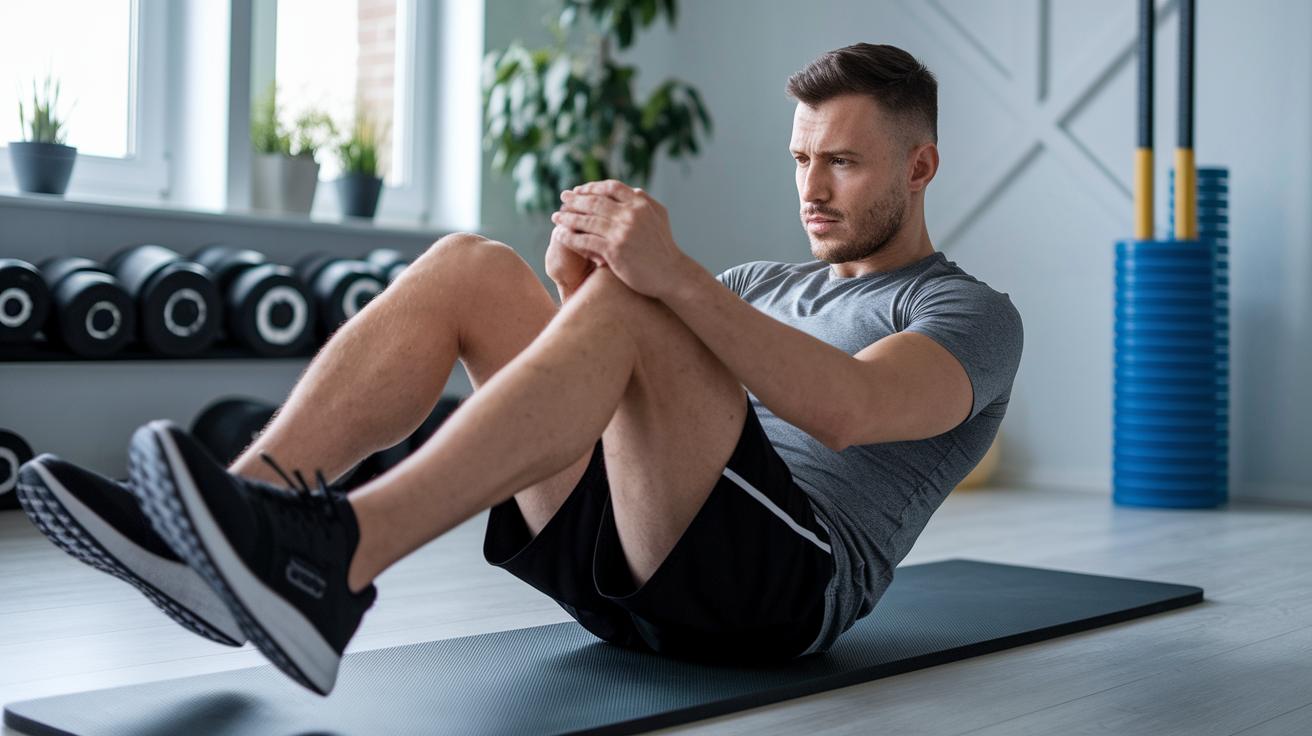
Building a stronger core takes time, and the secret is to gradually challenge your muscles. As your abs get tougher, you can slowly dial up the challenge by stepping up the intensity. Instead of doing the same routine every time, try adding a bit more resistance or hold a position for a little longer. This helps your core muscles keep growing and adjusting, so you never hit a dead end. Even basic moves can pack more punch if you extend how long your muscles are working or add a small bit of weight.
Here are a few ways to keep your workouts fresh:
- Add weight: Try using light dumbbells, kettlebells, or even items from around the house.
- Increase reps or sets: Gradually do more repetitions or add extra sets to your routine.
- Extend hold times: Hold static positions like planks for a bit longer to really work your muscles.
It’s just as important to plan when you work on your abs. The core is in action almost every time you move, so even quick 10-minute sessions each day can do a lot of good. To avoid overdoing it, mix in some rest days or alternate with exercises like squats and deadlifts, which also fire up your midsection. Combining targeted ab exercises with overall strength workouts not only builds muscle but also boosts your stability and everyday performance.
Designing Home and Gym Regimens for Toned Abs
If you’re looking for a friendly way to work on your abs, try mixing up home and gym routines that fit your current strength. Start simple and adjust as you get more comfortable.
At home, follow this quick circuit:
- Sliding Ab Tuck – Aim for 10-15 reps per set, and do 3 sets.
- Bicycle Crunch – Keep it steady with 10-15 reps for 3 sets.
- Mountain Climber Plank – Do 10-15 reps for 3 sets while keeping your core engaged.
- Reverse Crunch – Try 10-15 reps across 3 sets.
- Dynamic Plank Knee-to-Elbow – Finish with 10-15 reps for 3 sets.
In the gym, switch it up with some equipment-based moves:
- Cable Crunch – Do 10-15 reps for 3 sets.
- Dumbbell Russian Twist – Work each side with 10-15 reps per set for 3 sets.
- Medicine Ball V-Up – Hit 10-15 reps for 3 sets.
- Weighted Plank – Hold a light plate or dumbbell on your back for 30-40 seconds, repeating for 3 sets.
- Kettlebell Suitcase Carry – Walk for 30 seconds on each side and repeat for 3 sets.
Customizing your workout is key. Use these sessions as a warm-up or a finisher so you don’t tire yourself out before your main workout. If you’re a beginner, stick with the lower rep range and slowly build up your form. And if you’re looking for a challenge, you might try a Tabata-style circuit, like 20 seconds on, 10 seconds off, or 40 seconds on, 20 seconds off, for three rounds, to push your limits. Adjust the weights, reps, or timing until this routine feels just right for your weekly workout plan.
Injury Prevention and Technique Corrections in Ab Workouts
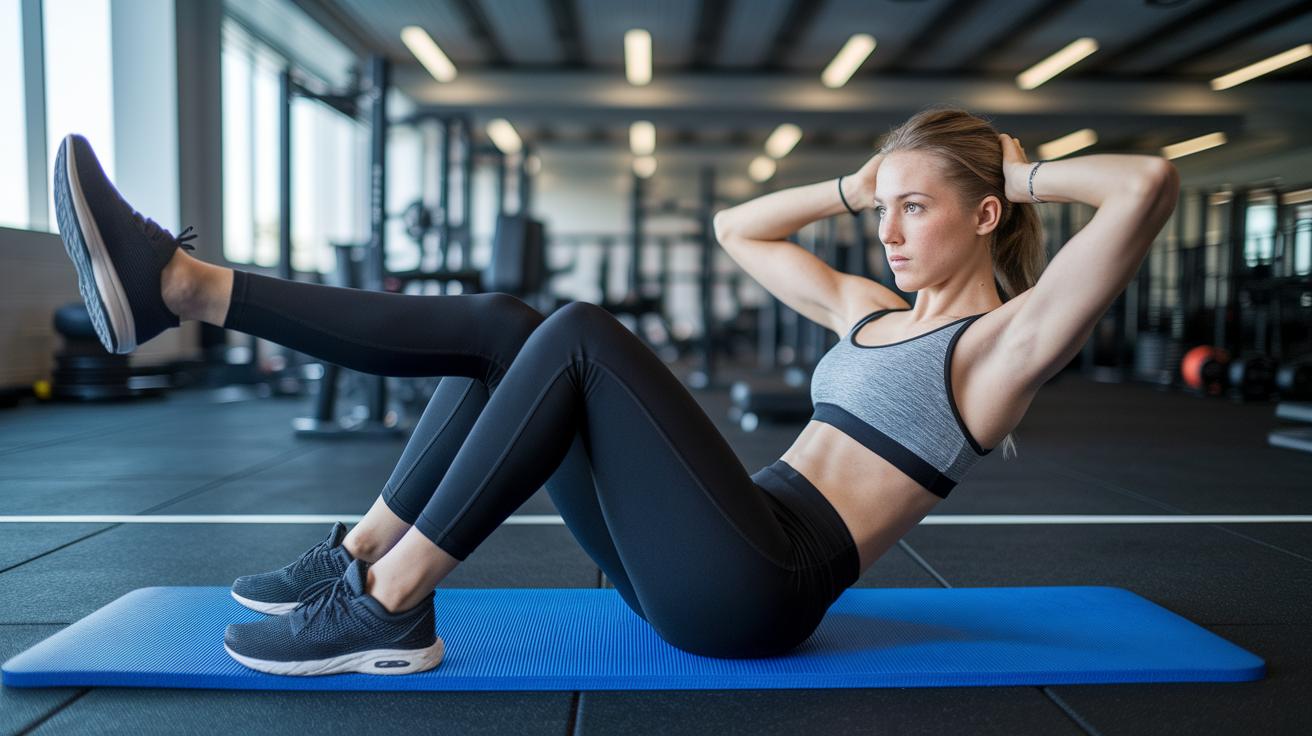
When your form slips during ab workouts, it can put extra strain on your lower back. Using poor posture or a lazy technique might lead to back pain or overwork your hip flexors. And if you're not using the right form, your muscles won't get the full benefit of the exercise. So, it's really important to stay focused and fix any mistakes as soon as you see them.
- Engage your transverse abdominis (that is, your deep core muscle that acts like a natural belt) to support your center.
- Keep your spine in a neutral position to reduce pressure on your back.
- Breathe slowly and steadily to keep your muscles engaged and relaxed.
- Move slowly to avoid overusing your hip flexors.
- Relax your shoulders and let them drop to help prevent any extra strain.
Remember to track your progress and listen to your body. Regularly checking your form and making small adjustments will keep your workouts safe and effective, helping you build a strong, toned core.
Final Words
In the action, this post broke down comprehensive core work by covering everything from understanding ab muscle anatomy to mixing bodyweight routines with weighted drills. We touched on plank holds, progressive overload, and designing home and gym regimens that keep routines fresh and safe.
We explored how strength training for abs goes beyond crunches to boost daily vitality and help manage body fat. Small changes built on consistent practices can make a big difference in overall well-being. Keep pushing and feel great with every rep.
FAQ
What does strength training for abs at home involve?
Strength training for abs at home means using bodyweight moves like planks, crunches, and leg raises. These exercises target your core consistently while you combine them with a balanced diet for visible results.
What does strength training for abs mean for men?
Strength training for abs in men involves mixing resistance and bodyweight exercises to work all parts of the core. This method builds stability and firmness while respecting overall health and dietary goals.
How does an abs workout work in the gym for females?
An abs workout in the gym for females often includes weighted moves such as medicine ball drills alongside conventional core exercises. These routines help sculpt and strengthen the midsection effectively.
What does an abs workout in the gym for males consist of?
An abs workout in the gym for males usually blends weighted and bodyweight exercises. This routine engages all core muscles to boost definition and strength while promoting overall stability.
What ab exercises are most effective?
Ab exercises such as crunches, planks, leg raises, and Russian twists work all layers of the core. They improve strength and definition by targeting different muscle groups, providing a balanced core workout.
Can you get abs from strength training?
The idea that you can get abs from strength training means that targeted core exercises combined with proper nutrition help reveal defined abs by reducing body fat and building muscle in the midsection.
How do you train abs for strength?
Training abs for strength involves using progressive overload techniques with varied exercises that target the rectus abdominis, obliques, and deeper core muscles. This approach enhances both stability and muscle tone.
What is the best ab exercise?
The best ab exercise often cited is the plank as it activates multiple core muscles simultaneously. This exercise builds strength, stability, and endurance in the entire abdominal region with proper form.
Are three exercises enough for abs?
The notion that three exercises for abs can be enough indicates that a focused routine covering various core areas can work well, provided you maintain consistency and support it with balanced nutrition.
How does the Russian twist work?
The Russian twist works by engaging your obliques through a twisting motion with a weighted or bodyweight load. This movement builds rotational strength and promotes a defined midsection when done correctly.
How does the crunch affect your abs?
The crunch affects your abs by shortening the rectus abdominis, creating muscle contraction that, with consistent practice and low body fat, can lead to a more pronounced six-pack appearance.
What benefits does the plank provide?
The plank provides benefits by engaging your entire core, improving balance and stability. This is achieved through isometric contraction, which strengthens deep and surface muscle groups simultaneously.
How does the leg raise target your core?
The leg raise targets your lower abdominals by lifting and lowering your legs in a controlled manner. This exercise builds foundational core strength and works well when paired with an overall ab routine.
How do squats contribute to core training?
Squats contribute to core training by requiring your abs to work as stabilizers during the movement. This exercise not only strengthens your legs and glutes but also engages your midsection for added support.
What role do push‑ups play in ab workouts?
Push‑ups play a role in ab workouts by engaging your core muscles throughout the movement. They aid in improving overall strength and coordination while supporting proper body alignment during exercise.

