
Ever wonder why so many skip leg workouts even though strong legs make daily life easier? Lower body exercises help build muscles in your hips, thighs, and backside while also boosting your balance and mobility.
In this post, we'll explore simple moves like squats, lunges, and deadlifts that really work hard for you. You'll see how these targeted exercises power up your body and ease your everyday tasks.
Ready to try a new way of working out? Let's break down these moves and discover how they can help you get stronger and feel unstoppable.
Essential Lower Body Strength Moves
These exercises are your go-to for a balanced lower body workout. They work bigger muscles like your glutes, quads, hamstrings, and calves while also boosting your balance and mobility. They support everyday actions and help you build strength steadily.
- Barbell back squats: Stand with your feet as wide as your shoulders. Lower yourself into a squat while keeping your chest up. This move works your lower back, glutes, and hamstrings.
- Barbell front squats: Hold the bar on your shoulders with your elbows pointing up. This lessens strain on your lower back but still builds great strength.
- Bulgarian split squats: Put one foot on a bench behind you and lower your hips. It improves how your ankles, knees, and hips move while building leg strength.
- Walking lunges: Take controlled, even steps. Keep your knee steady over your foot as you lunge, which helps improve balance.
- Barbell hip thrusts: Sit on the floor with your upper back against a bench and push your hips upward. Focus on really squeezing your glutes for extra power.
- Glute bridges: Lie on your back with your feet flat on the ground and lift your hips. This exercise targets both your hamstrings and the muscles at your hips.
- Romanian deadlifts: Keep a slight bend in your knees and a straight back as you lower the bar. This controlled move focuses on your hamstrings and glutes.
- Single-leg deadlifts: Stand on one leg and hinge at your hip with a little knee bend. This helps build balance and makes your muscles work evenly.
Try out four to six of these exercises in one session, depending on your strength and recovery needs. Beginners might stick with bodyweight moves first until they’re ready for weights. Remember, keeping your form in check and moving with control will help you build strength and get the most benefit from every exercise.
Lower Body Strength Programming and Rep Schemes
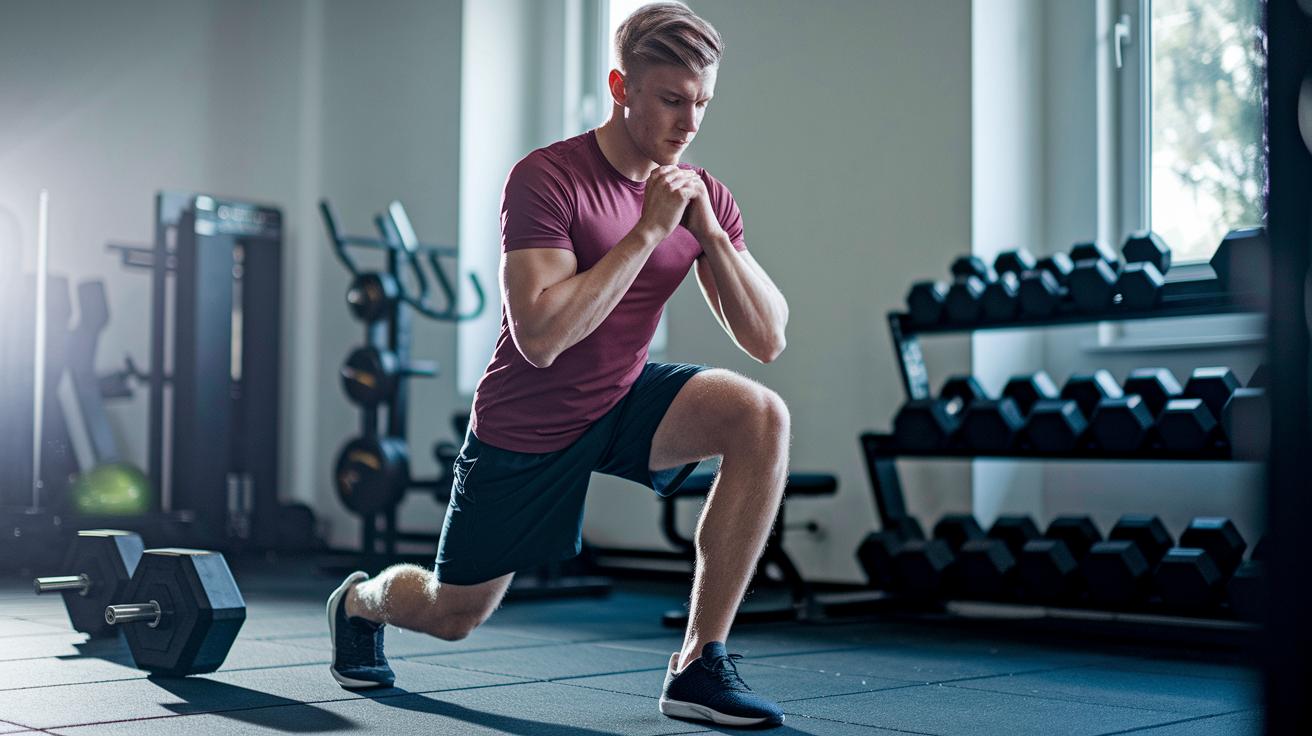
When you plan a lower body workout, think about including around four to eight different exercises in each session. It depends on your goals and how quickly you bounce back after training. Working your legs once or twice a week usually helps build strength and muscle without overworking your body. This setup lets you focus on doing each movement well, rather than just pushing through fatigue.
| Goal | Sets | Reps | Frequency |
|---|---|---|---|
| Strength | 3–5 | 4–6 | 1–2 per week |
| Hypertrophy | 3–4 | 8–12 | 1–2 per week |
| Endurance | 2–3 | 15–20 | 1–2 per week |
| Beginner | 2–3 | 10–15 | 1–2 per week |
As you grow stronger, slowly increase both the weight and the number of repetitions. Changing up your weights and rep counts over time helps you steadily improve while keeping overtraining at bay. This planned approach to gradual challenges ensures your lower body workouts remain effective and safe, letting you build strength without risk.
Lower Body Warm-Up and Mobility Routines
Getting your leg muscles moving is a great first step before lifting heavy. When your quads, hamstrings, glutes, and calves are warm, they work better and help keep injuries at bay. Simple moves to boost your circulation can also expand your range of motion, setting you up for a great workout.
Start with easy activities like jogging in place or doing jumping jacks. A brisk 30 to 60 seconds of these drills will get your heart pumping. Then, try forward lunges that open up your hips while stretching your legs. Lateral leg swings are a fun way to loosen both the inner and outer thighs. High knees and butt kicks add more dynamic movement that targets your calves and lower back. Spending about 30 to 60 seconds on each of these drills really helps wake up your muscles.
And don’t forget your joints! A few ankle circles and hip flexor stretches keep your ankles, knees, and hips moving smoothly, keeping you flexible and ready for action.
Equipment and Variations for Lower Body Strength Training
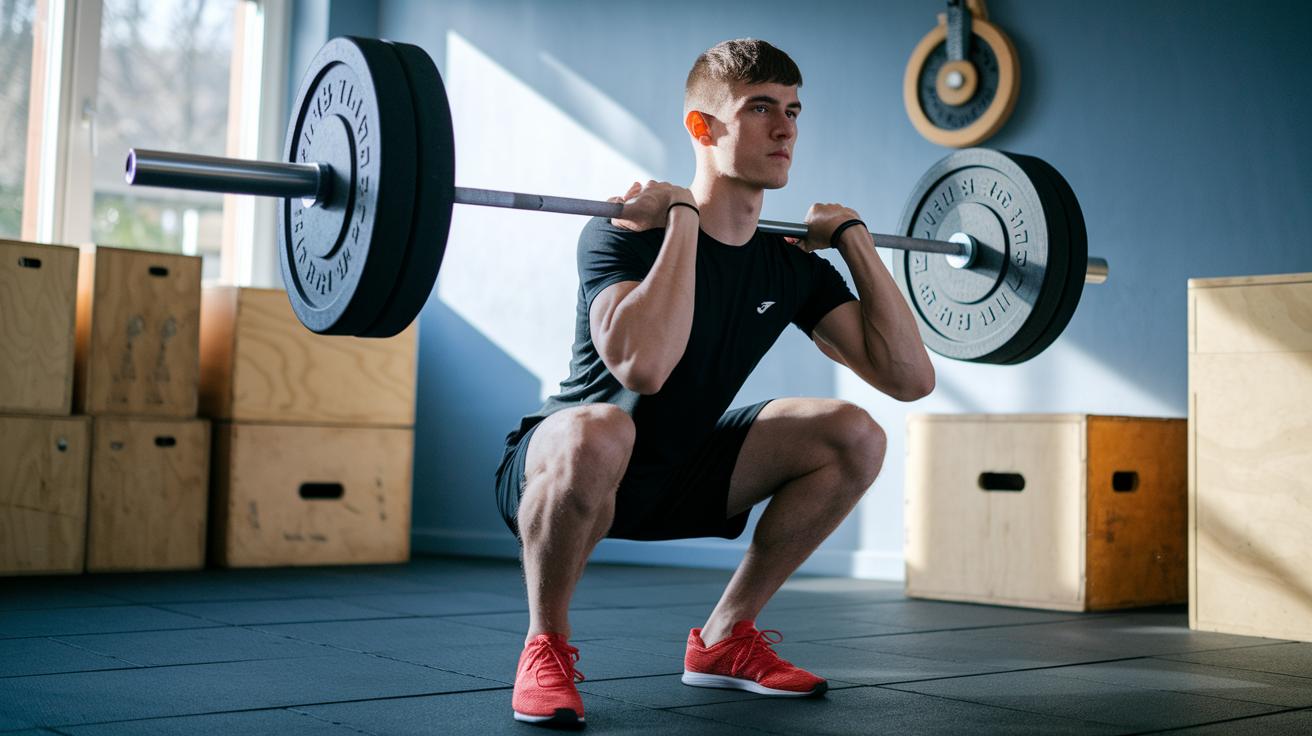
If you’re looking to boost your leg strength, try mixing up free weights and machines. Free weights like barbells, dumbbells, and kettlebells let you feel your muscles working hard during squats, lunges, or even a quick kettlebell swing circuit. And machines, such as the leg press or hack squat, guide you through smooth movements so you can focus on proper form without worrying too much about balance. You might even start with a few sets on a leg press machine to build a solid base before moving on to free weights.
When you’re working out at home, resistance bands and bodyweight exercises are excellent choices that don’t take up much space. These elastic bands work great for moves like banded hip abductions or glute bridges, helping your muscles activate gradually over time. In a pinch, they can replicate the resistance you’d normally get from dumbbells or barbells, so you can keep your strength routine steady right in your living room.
For a well-rounded workout, try mixing different types of equipment. Switching between free weights, machines, and resistance bands not only adds variety but also helps you build strength, improve coordination, and balance your muscles, all while keeping your exercise routine enjoyable.
Proper Form and Injury Prevention for Lower Body Exercises
Common Lower Body Form Mistakes
Using the right form is key when doing squats, deadlifts, or lunges. If you round your back during deadlifts or let your knees collapse inward during squats, it throws off your neutral spine and changes how your weight is distributed. This misalignment often puts extra strain on your lower back and joints. Shallow lunges that don’t go deep enough mean your muscles aren’t getting a full workout. Paying close attention to cues like keeping your core tight and using proper hip movement can help you move correctly and safely.
Small tweaks can make a big difference. Adjust your stance, keep your chest up, and move in a controlled way. Try going slower and even use a mirror if you can. That way, you can catch any mistakes right away. These simple fixes not only boost your performance but also help set the stage for safer strength training.
Injury Prevention and Safety Guidelines
When it comes to safety, progressive loading is really important. Increase your weight and intensity slowly, and always keep proper form in focus. Give your body a chance to recover between workouts so you don’t overuse your muscles. Notice any soreness and add in some mobility drills, like gentle stretches or movements that target your back and legs, to keep your muscles balanced, especially along your backside.
Sticking to a plan with rest periods and regular form checks can reduce long-term wear and tear. Move through each repetition with control and always start with a dynamic warm-up. This prepares your muscles and joints, making your lower body exercise routine both effective and safe.
Final Words
In the action, we covered key lower body moves, from squats and lunges to hip thrusts, all paired with smart programming and mobility routines. The guide explored equipment options and form tips to keep workouts safe and effective. We also touched on ways to blend bodyweight and weighted moves for balanced routines. With actionable insights and friendly cues, you're set to boost your performance with strength training exercises for lower body. Keep moving forward and enjoy every step toward better health.
FAQ
What are some effective lower body strength exercises that require no equipment?
The lower body strength exercises without equipment can include squats, lunges, and glute bridges. These moves work major muscles and boost balance, making them perfect for home routines.
What are popular lower body workouts for gym users, including options for females?
Gym-based workouts feature exercises like leg press, squats, and lunges on machines or with free weights. These moves target the quads, glutes, and hamstrings for a well-rounded lower body session.
What is the best exercise for lower body strength?
The best exercise depends on individual needs, but squats often offer great results by engaging the glutes, quads, and hamstrings to build strength and stability.
What is 5 4 3 2 1 strength training?
The 5 4 3 2 1 strength training method reduces repetitions in steps. This approach challenges muscles by performing five reps, then four, three, two, and finally one for varied intensity.
What are the big 5 strength exercises?
The big 5 strength exercises commonly include squats, deadlifts, bench press, overhead press, and rows. These compound moves work multiple muscle groups at once for balanced lower body strength.
What is the 6 12 25 rule?
The 6 12 25 rule is a rep scheme that mixes sets of six and twelve repetitions with a 25-second hold, offering a blend of strength building and muscle endurance in a single workout session.

