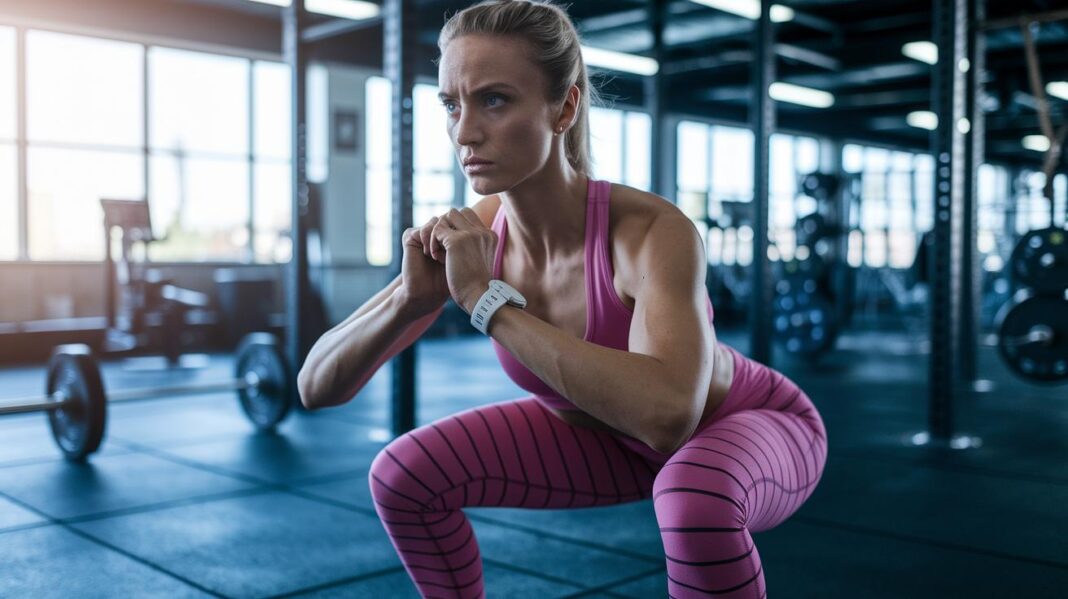
Ever thought that weak glutes might be holding you back in your workouts? Simple moves like bridges, hip thrusts, and clamshells help build a strong base for everyday activities like running and lifting. Imagine your glutes as the groundwork powering every move and protecting you from everyday strains. In this post, we explain eight easy exercises to boost strength and balance. Ready to unleash your hidden strength and build a healthier foundation?
Essential Glute Strength Training for Maximum Rear-Chain Power
There are eight simple exercises that strengthen your glutes and boost your overall athletic performance. Begin with supine bridges. This exercise works your glutes, abs, and lower back. Imagine lying on your back, bending your knees, and slowly lifting your hips while giving a solid squeeze.
Then try barbell or dumbbell hip thrusts. This move mainly targets your gluteus maximus, the biggest muscle in your butt, while also involving the smaller muscles around it. It builds the power you need for actions like running and lifting.
Next, mix in walking band abductions and fire hydrants. These moves focus on the smaller glute muscles, helping to stabilize your hips. Picture doing a fire hydrant: get on all fours, lift one leg out to the side, and feel the burn right along your hip.
Also, try clamshells. Lie on your side with your knees bent at about a 45-degree angle. This simple exercise boosts glute engagement and helps fix muscle imbalances.
Reverse dumbbell lunges work wonders too. They not only strengthen your glutes but also fire up your quads, giving you a two-for-one win for lower-body strength.
If you’re looking for extra resistance, head over to seated leg press machines and seated abduction machines. These add an extra challenge, building more power for everyday movements.
Your glutes are the foundation for walking, running, and lifting. When they’re weak, you might face issues like knee misalignment, ACL injuries, or lower-back pain. Research by Buckthorpe, Stride, and Della Villa (2019) shows that strengthening the gluteus maximus is key to avoiding these problems. And cutting down on long periods of sitting keeps your muscles active.
By mixing these eight exercises, you build a strong rear chain that improves your mobility, boosts your power, and helps protect against injury. It’s a perfect way to set up any fitness plan.
Glute Anatomy Essentials for Strength Training
Your glute muscles are a hardworking group that shapes your butt and helps your hips move smoothly. The gluteus maximus is the biggest, acting as your main hip extender to give you the lift needed for running, jumping, or sprinting. Simply put, it’s the powerhouse of your backside.
Then there's the gluteus medius, which works like a balance expert by keeping your hips stable when you walk or stand on one leg. Even though the gluteus minimus is the smallest, it plays a key role by helping to rotate your hips inward and keeping your body steady during everyday tasks.
Together, these muscles account for up to 90% of the force you need to extend your hips in many movements. A strong and well-balanced set of glutes not only boosts your lower-body strength, but also supports your knees and helps prevent strains in your hamstrings and lower back.
Imagine doing a hip extension where all three muscles work together, each playing a unique role to build a firm silhouette and improve overall stability.
Glute Activation and Warm-Up Drills
Before heavy lifting, it's really important to wake up your glutes. These drills get your muscles ready and help protect your knees, hamstrings, and lower back from extra strain.
Begin with clamshells. Lie on your side with your knees bent at about a 45-degree angle. Do two or three sets of fifteen slow reps to gently engage the smaller muscles around your hips.
Next, give lateral band walks a try. Wrap a resistance band just above your knees and take small, controlled steps. This exercise supports proper hip alignment and helps balance out your muscles to lower the chance of injuries like an ACL tear.
After that, switch to fire hydrants. Get on all fours and lift one leg out to the side until it forms a 45-degree angle, while keeping your toe flexed. This move really targets the outer parts of your glutes, which are key for keeping your hips stable.
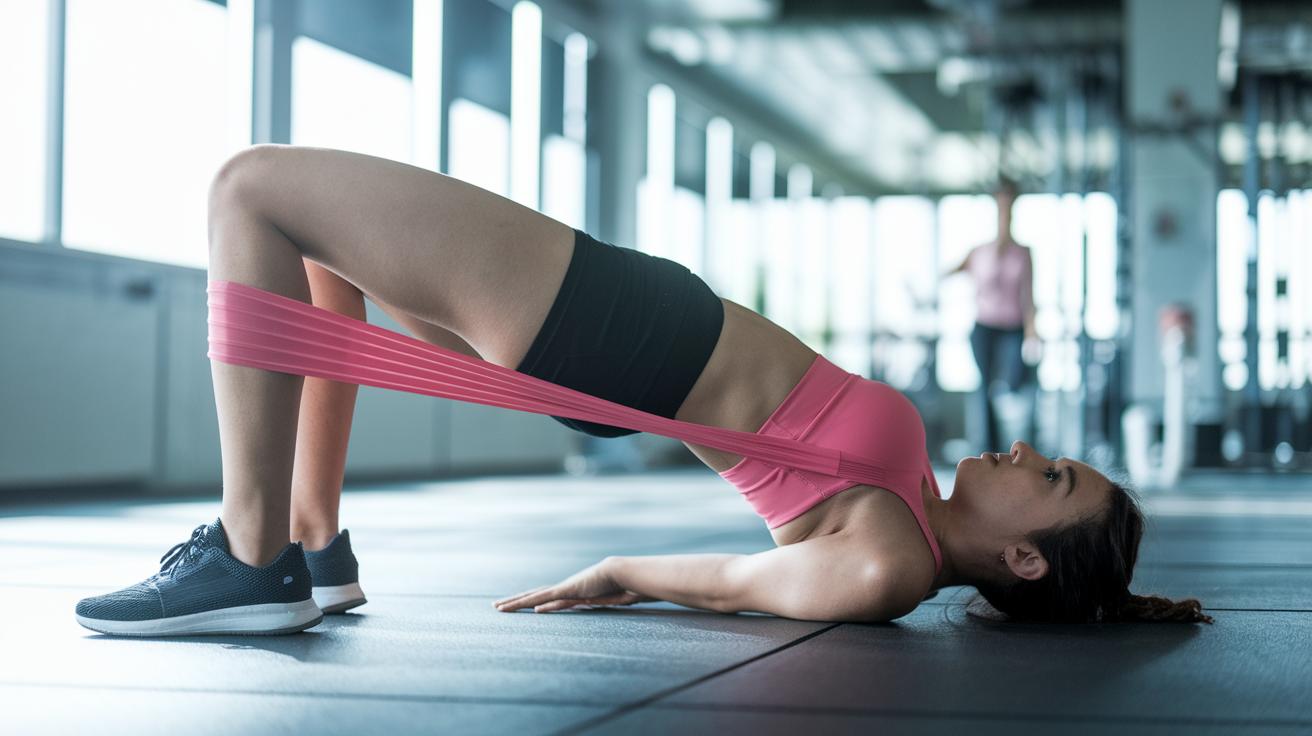
Finally, try mini-band glute bridges. Place a band around your thighs, lie on your back with your knees bent, and lift your hips up. This drill not only warms up your glutes but also activates your core and lower back, setting you up for a stronger workout.
These warm-up drills help improve hip alignment and fix muscle imbalances, reducing the risk of ACL injuries, hamstring strains, and other common issues.
Barbell and Dumbbell Glute Strength Training Techniques
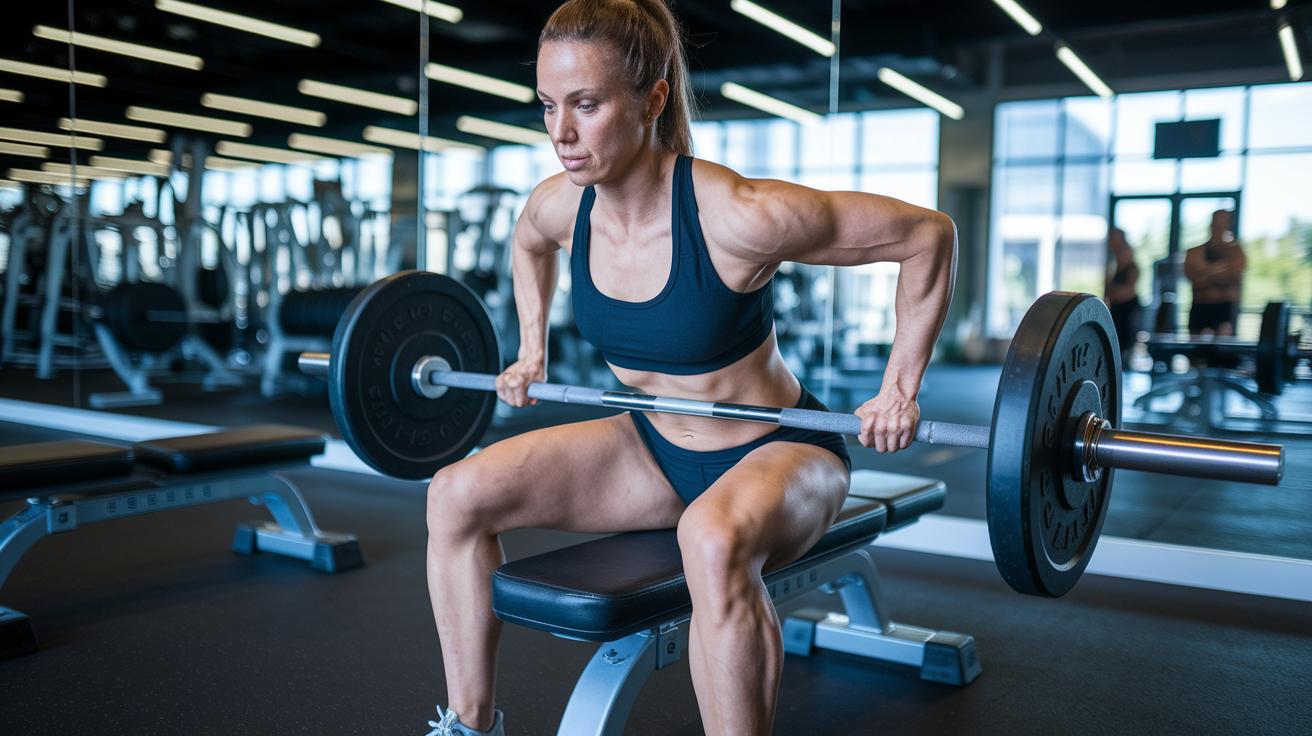
Kick things off with barbell hip thrusts. Lie on a bench with your upper back resting on it, and place a barbell across your hips while your feet stay flat on the floor. The goal here is to power up your glutes. Picture it like you're gently lifting a heavy bag using your glutes. Keep your back neutral, fire up your core, and stop before your lower back overarches.
Now, mix it up with a few variations. One option is to elevate your feet on a sturdy platform, which gives your glutes an extra challenge. You can also try single-leg thrusts to really focus on one side at a time, much like balancing a tray without letting anything wobble.
Another great move is the dumbbell hip bridge, which works well whether you’re at home or in the gym. Rest a dumbbell securely on your hips, press through your heels, and squeeze your glutes at the top. This exercise is very similar to the barbell version but offers a bit more flexibility in your movement.
Don’t forget to add hinge drills into your routine. Stand with your feet shoulder-width apart and hold a dumbbell near your hips. Slowly bend at the waist while keeping your back straight and your knees at about a 90-degree angle. Push through your heels, and gently pull your shoulders back to ensure you’re aligned correctly. These drills are great for keeping your form in check and protecting you from injury.
Finally, try reverse dumbbell lunges for a dynamic way to extend your hips while working your quads. Step back slowly, lunge down, and make sure your knee stays in line with your toes while keeping your core tight. These techniques together help you build strong, resilient glutes, one step at a time.
Resistance Band and Bodyweight Glute Workouts at Home
Turn your living room into a mini gym with exercises that boost your glute strength without needing fancy equipment. Start with glute bridges: lie on your back, bend your knees, and lift your hips until you feel a good squeeze in your glutes. This move wakes up your core and the muscles along your back. For a greater challenge, try single-leg bridges , do three sets of 12 to 15 reps on each side to work both halves equally.
Next, give donkey kicks a try. Get on all fours and kick one leg back and upward while keeping it bent at about 90 degrees. This exercise really focuses on your glutes and also engages your core for balance. If you have a resistance band handy, place it just above your knees and take slow, controlled steps sideways with lateral band walks. These steps help strengthen the muscles on the sides of your hips.
Don’t worry if you lack equipment. You can use moves like reverse plank leg lifts to work your backside too. Combine these exercises into a circuit by choosing four moves and performing each for 30 seconds, followed by 30 seconds of rest. Repeat the circuit two to three times each week for lasting strength gains.
When you’re ready to mix things up, add mini-bands or substitute with household weights to keep your at-home hip strengthening workout both fun and effective.
glute strength training: Bold Moves for Strong Curves

Boosting your glute strength starts with progressively challenging your muscles. In plain terms, this means nudging up the weight, the number of sets, or the reps a little at a time so your muscles get stronger. You might start with bodyweight bridges, thinking of doing 3 sets of 12 reps until you feel comfortable, then progress to dumbbell bridges and finally take on barbell hip thrusts as you build up more power.
| Level | Exercise | Sets x Reps |
|---|---|---|
| 1 | Bodyweight Bridges | 3×12 |
| 2 | Dumbbell Bridges | 3×10 |
| 3 | Barbell Hip Thrusts | 4×8 |
To add an extra challenge, try slowing down the lowering part of your movement for about 3 seconds and hold the top position for 1 second. Aim for 8 to 12 reps with a 60 to 90-second rest between sets. Working your glutes 2 or 3 times a week in this structured way not only builds strength but also helps keep your form on point and reduces the risk of injury.
Safe Form and Injury Prevention in Glute Training
Getting your form right is the first step toward a safe and effective glute workout. Keeping your pelvis neutral and your knees lined up with your feet helps stop your lower back from arching too much and prevents your knees from collapsing. For example, when you do a hip thrust, focus on keeping your pelvis straight. Think of it as a way to hold your lower back in check.
It can be really helpful to use a mirror or ask a workout buddy to check your alignment while you exercise. This simple feedback can catch small mistakes before they turn into injuries. Adding a few corrective drills during your warm-up can also balance out any muscle differences and prepare your body for tougher exercises.
Try not to add heavy weights too quickly. Instead, use slow, controlled movements when lowering the weight. This approach helps protect your ACL (the ligament in your knee that keeps it stable) and your hamstrings from strains.
Key pointers include:
- Keeping your pelvis neutral during exercises
- Making sure your knees stay in line to prevent them from collapsing inward
- Using a mirror or partner to check your form
- Adding warm-up drills to activate the right muscles and fix any imbalances
Following these tips not only builds strong glutes over time but also keeps your joints safe and lowers the risk of injury.
Nutrition and Recovery for Optimal Glute Development
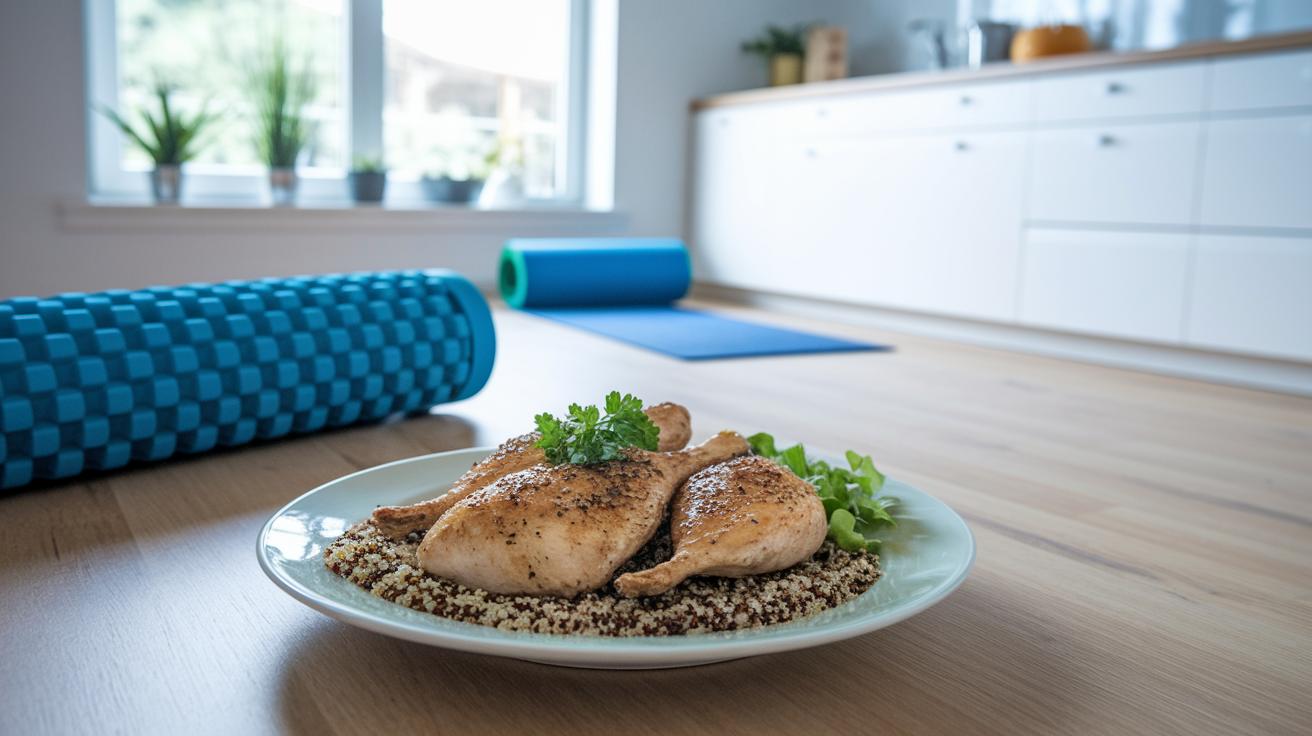
Building strong glutes starts with good food and smart recovery. When you work hard, aim for about 1.6 to 2.2 grams of protein per kilogram of your body weight every day. This protein is key in helping your muscles repair and grow after a tough workout, and don’t forget the carbs, they keep you energized while you train.
After you’re done exercising, try some easy glute stretches and a bit of foam rolling. These moves relax your muscles, ease stiffness, and help you bounce back faster.
Sleep is just as important. Getting 7 to 9 hours of sleep each night lets your body release vital growth hormones that boost healing and strength. And if you’re curious about taking extra steps, a small dose of creatine monohydrate (3 to 5 grams a day) and beta-alanine can improve your strength and endurance.
| What to Focus On | Why It Matters |
|---|---|
| Balanced meals with protein and carbs | Helps repair muscles and fuels your workouts |
| Post-workout stretching and foam rolling | Eases soreness and keeps muscles relaxed |
| Quality sleep | Supports hormone release for healing and strength |
Stick with these simple steps, and you'll build a solid foundation for stronger glutes and better overall performance.
Final Words
In the action, you’ve explored essential exercises that boost your glute power. The post highlighted activation drills, resistance band routines, and safe form techniques for effective performance. You learned progressive overload methods that spark continuous improvements and saw how nutrition and recovery play a role in optimal results. Embracing glute strength training can make a big difference in daily mobility and overall strength. Keep moving forward with confidence and enjoy the improved vitality that comes with every step.
FAQ
What are effective ways to strengthen your glutes through varied training programs at home or the gym?
Effective glute strengthening programs combine bodyweight and weighted exercises such as hip thrusts, squats, and lunges. These routines build muscle mass and improve support and power for everyday movements.
What is the glute bridge exercise and how do gluteus medius exercises enhance training?
The glute bridge targets the entire glute region by engaging the hip extensors. Gluteus medius exercises, like side-lying leg lifts, further stabilize the hips and improve balance for daily and athletic activities.
What are common symptoms of weak glutes?
Weak glutes may present as knee misalignment, lower-back strain, and limited power during lifts or running. These symptoms indicate reduced muscle support that can affect overall movement efficiency.
How long does it take to notice improvements in glute strength?
Visible glute strength improvements can be achieved in several weeks with consistent training. Regular and progressive workouts typically yield noticeable gains in muscle tone and functional strength within a few months.
How do exercises such as squats, deadlifts, push‑ups, lunges, and one knee to chest contribute to glute training?
These exercises engage the glutes directly or as stabilizers. Squats, deadlifts, and lunges target the glute muscles while push‑ups and one knee to chest enhance core stability and overall body coordination.

