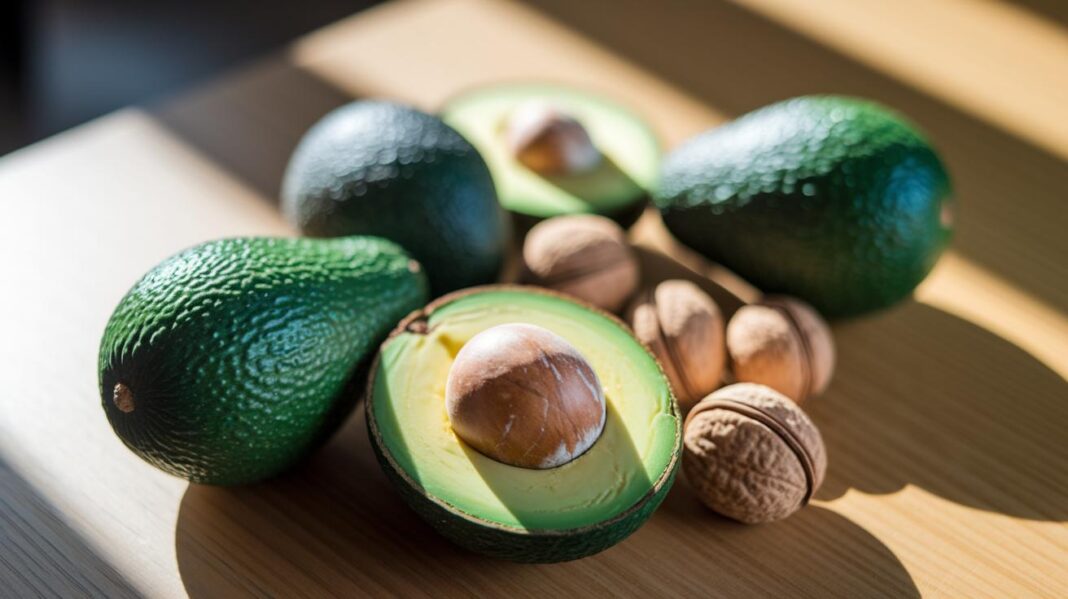
Ever wondered if adding healthy fats could really boost your day? Fats in foods like olive oil and avocado do more than just add taste, they give you energy and help your body soak up important vitamins.
Think of them as tiny fuel pumps that kickstart your brain and heart. They play a big role in keeping your vision sharp and your immune system strong.
Why not try sprinkling some of these power-packed fats into your meals? It might just turn an ordinary dish into a vibrant, health-boosting treat.
Understanding Healthy Fats: Definition and Role
Healthy fats come mostly in two flavors: monounsaturated and polyunsaturated lipids. They stay liquid when you leave them at room temperature. This makes them different from fats like butter or coconut oil, which harden when left out. Fun fact: even a light drizzle of extra virgin olive oil packs a high dose of oleic acid, a nutrient that helps your body take in vitamins A, D, E, and K.
These unsaturated fats play an important role in our meals. They are like little carriers that help transport and store the vitamins our body needs every day. Vitamins such as A, D, E, and K work together to keep our vision sharp, our bones strong, and our immune system in top shape. You can think of these fats as helpful teammates, making sure your body has everything it needs for daily tasks.
You’ll find monounsaturated fats in foods like avocados and olive oil. They are widely known for being good for the heart. On the other hand, polyunsaturated fats contain omega-3 and omega-6 fatty acids, which are great for brain health and for reducing inflammation. For instance, tossing a handful of walnuts into your yogurt or salad doesn’t just add crunch, it also helps lower bad cholesterol levels.
Healthy fats also give you a steady source of energy. They help form the walls of your cells and keep important body functions running smoothly. In simple terms, think of these fats as the smooth-running gears inside your body, helping everything work just right.
Top Healthy Fat Sources to Include in Your Diet
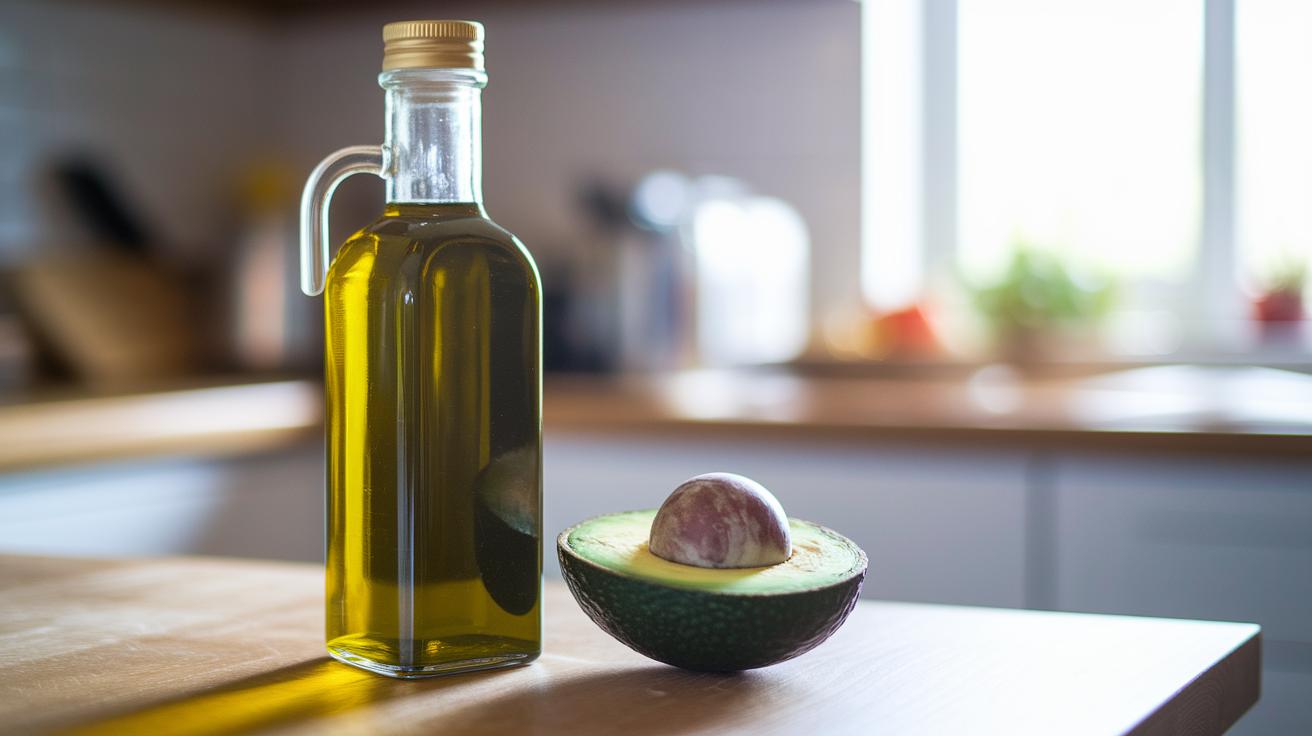
Mixing good fats into your daily meals can really make a difference. These foods are packed with essential fatty acids (the building blocks your body needs), natural compounds that can help reduce swelling, and quality proteins that boost your health from head to toe. Adding a variety of these nutrient-rich options not only lifts your energy levels but also makes your dishes taste amazing.
For example, extra virgin olive oil isn’t just perfect for drizzling over salads, it also helps your body grab more vitamins from your food. Fatty fish like salmon and trout bring in omega-3s, which are good for both your brain and heart. Avocados add a smooth, creamy touch to your toast or smoothie, while whole eggs give you protein and healthy fats without disturbing your cholesterol balance. Tree nuts such as almonds and walnuts offer a nice mix of vitamin E and magnesium to keep you feeling strong. Nut butters, like peanut or almond butter, are an easy way to enjoy these healthy fats when you spread them on whole-grain bread.
Dark chocolate, although a sweet treat, also provides antioxidants along with its fat content, pretty cool, right? Full-fat Greek yogurt keeps that rich, creamy dairy feel and brings along a strong nutrient profile, and olives add natural polyphenols to enhance your meals. Seeds like chia, flax, hemp, or sunflower not only give you a satisfying crunch and extra fiber but also pack in healthy fats. Soybeans mix plant protein with a good dose of polyunsaturated fats to support your everyday energy. And cheese, often overlooked, is a nutrient-dense food that can add flavor and healthy fats to your dishes when used the right way.
- Olive oil – Extra virgin olive oil is rich in oleic acid, which helps lower inflammation in your body.
- Fatty fish – Salmon, trout, anchovies, mackerel, sardines, and herring are excellent sources of omega-3 fats and high-quality protein.
- Avocados – This creamy fruit is full of monounsaturated fat, fiber, potassium, and essential vitamins.
- Whole eggs – Studies have shown eggs supply key nutrients with little impact on cholesterol for most people.
- Tree nuts – Almonds, walnuts, and cashews provide vitamin E and magnesium for overall well-being.
- Nut butters – Peanut and almond butters are concentrated sources of healthy fats that make your snacks tastier.
- Dark chocolate – With
Key Health Benefits of Healthy Fats
Healthy fats do more than add flavor to your meals, they support your heart, help keep your blood sugar steady, and even boost your brain power. When you choose oils like extra virgin olive oil or savor fatty fish, you're picking fats that work to lower your LDL ("bad") cholesterol. This helps your blood vessels relax, making it easier to keep your blood pressure in a healthy range.
Foods like avocados and nuts also play a part by keeping your blood sugar balanced. Think of it as grabbing a tasty snack that fuels you steadily, much like a smooth rhythm that keeps everything in sync. When your blood sugar stays even, you might just feel more awake and focused throughout the day.
And there’s even more good news for your brain. Healthy fats support clear thinking and can make day-to-day tasks feel a bit easier. Ever notice how a satisfying meal can brighten your mind?
Even though these fats are terrific for you, it’s best to enjoy saturated fats in moderation. It’s like adding just the right pinch of seasoning to a meal, enough to keep it delicious and nourishing without overdoing it.
Comparing Healthy Fats with Unhealthy Fats
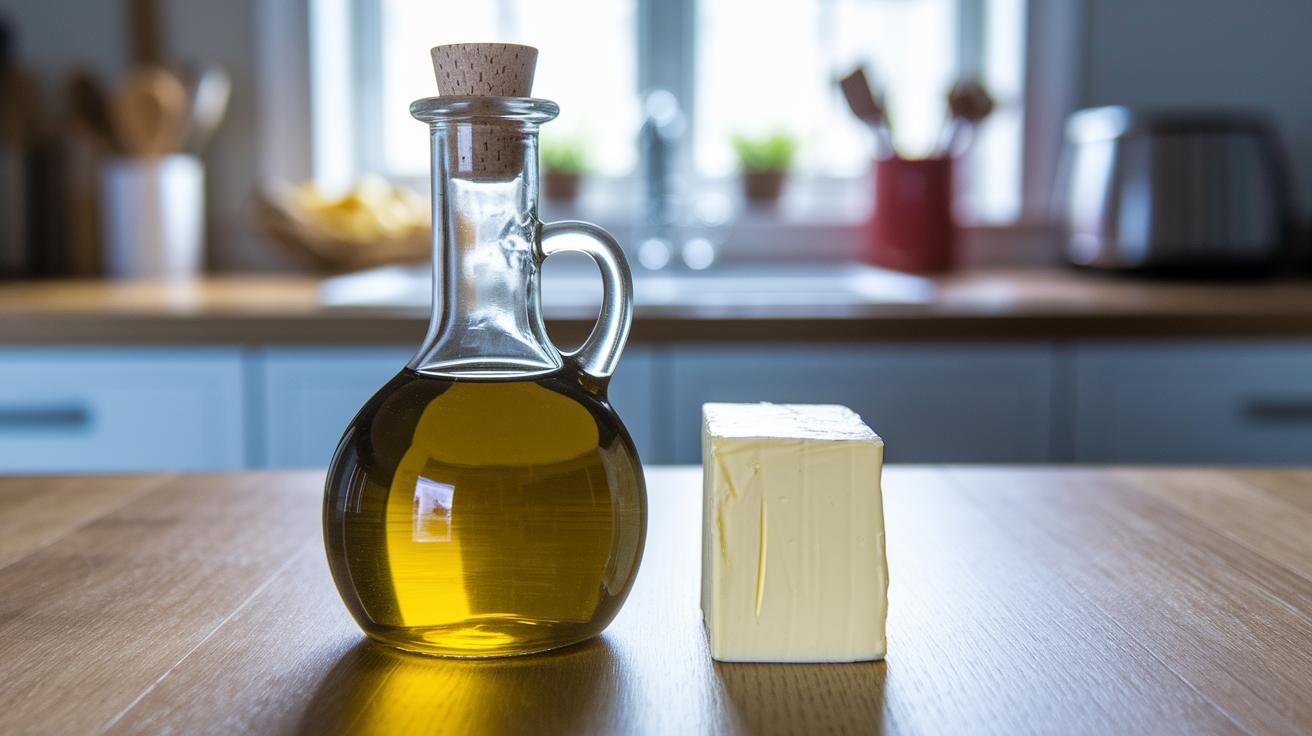
When it comes to fats, the first thing to know is that not all fats act the same. Unsaturated fats, like those in olive oil, remain liquid at room temperature and help keep your heart healthy by promoting smooth blood flow and lowering the "bad" LDL cholesterol. On the other hand, saturated fats, found in foods like butter and coconut oil, are solid at room temperature and can increase your LDL numbers.
Then there are industrial trans fats. These fats come from partly hydrogenated oils and not only boost LDL levels but can also cause inflammation in the body.
| Fat Type | Physical State at Room Temp | Health Impact |
|---|---|---|
| Saturated | Solid | May raise LDL cholesterol |
| Unsaturated | Liquid | Supports heart health |
| Trans | Variable | Raises LDL and causes inflammation |
For instance, if you look at a food label, you might see that olive oil stays liquid while butter solidifies. This simple detail hints at the different effects these fats have on your health.
Healthy Fats: Nourish Your Vibrant Life
Good quality fats help your body absorb essential vitamins, making every bite count towards a healthier you. Instead of listing every source, check out these simple meal ideas that use olive oil, avocado, nuts, seeds, fatty fish, and even dark chocolate in your everyday dishes.
Meal Ideas and Cooking Tips:
| Meal Idea | Tip |
|---|---|
| Salad Boost | Drizzle a bit of extra virgin olive oil on your mixed greens and add a few avocado slices to lift the flavor. |
| Protein-Packed Wrap | Toss some sliced avocado into your turkey or veggie wrap for a creamy touch and extra healthy fats. |
| Creamy Crunch | Sprinkle chopped nuts or seeds over oatmeal or yogurt to add a delightful crunch and improve fiber intake. |
| Hearty Dinner | Enjoy a serving of salmon a couple of times a week to boost your omega-3 fatty acid levels. Think of a warm salmon dish paired with fresh herbs. |
| Sweet Treat | Treat yourself to a small piece of dark chocolate once in a while for a burst of rich flavor. |
| Light Spreads | Swap out butter for spreads made with liquid plant oils to add flavor without extra saturated fat. |
For daily meal planning, check out our tips on healthy eating habits or explore cost-effective options with healthy eating on a budget.
Cooking with Healthy Fats: Choosing the Right Oils
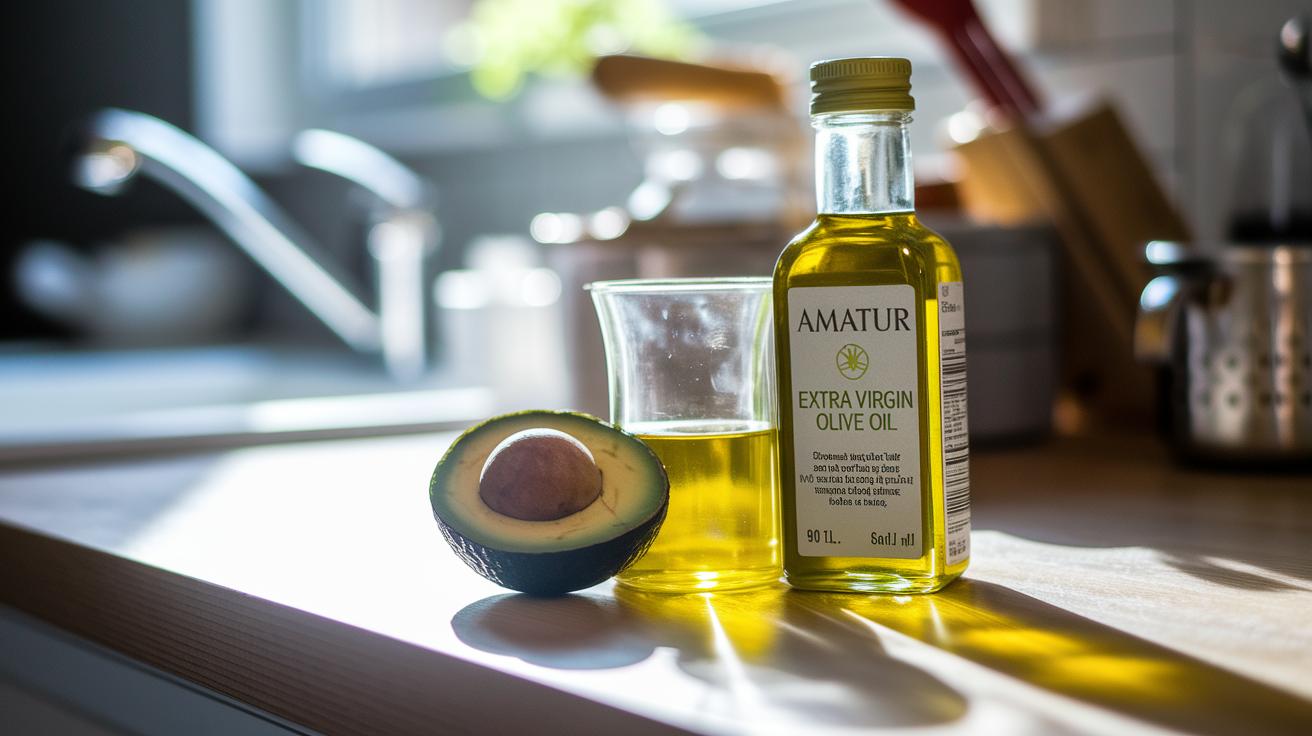
When you're picking oils for your kitchen, it really helps to know what each one does for you. Extra virgin olive oil works great for salad dressings and light cooking. It's full of oleic acid and antioxidants, which help your cells stay healthy. But since it has a modest smoke point, it isn’t the best choice for frying at very high heat. For dishes that need more heat, avocado oil is a smart choice. Its high smoke point makes it perfect for sautés and stir-fries, so you can cook without losing its benefits.
Coconut oil is a bit different. This saturated fat stays solid when it’s cool and gives a unique flavor that many enjoy in baking or as a spread. If you're looking for a light drizzle over your salad or a finishing touch on a cold dish, walnut and flaxseed oils are your go-to oils. They have delicate flavors that enhance your food without taking over. Just remember, when you heat them, their special qualities can break down.
Imagine a chef saying, "When I need flavor and want to avoid smoke, I reach for flaxseed oil on a bright, fresh salad." That’s a clear sign of choosing the right oil for the right moment. And be sure to avoid partially hydrogenated oils, they just can’t match up to the natural benefits of these premium choices.
Healthy Fat Intake Guidelines & Sources
Experts say that fats should make up about 20 to 35 percent of the calories you eat each day. When you drizzle olive oil on your salad or sprinkle a few walnuts on your snack, you’re choosing fats that are good for your heart and help your cells work well.
Here are some easy tips to balance your fat intake:
- Try to get 20 to 35 percent of your daily calories from fats.
- Go for monounsaturated fats found in olive oil and avocados.
- Add polyunsaturated fats from foods like fatty fish, nuts, and seeds.
- Cut back on saturated fats by using less butter and coconut oil.
- Avoid trans fats because they can increase your bad cholesterol.
- Balance omega-3 and omega-6 fatty acids to lower inflammation and keep your brain sharp.
Final Words
In the action, we explored how healthy fats work, their best food sources, benefits for body and mind, and smart ways to include them in meals. We even compared various fat types and offered simple guidelines for daily habits.
Taking small, mindful steps can make all the difference in boosting overall well-being. A little care goes a long way when you choose quality lipids like healthy fats. Enjoy the positive change in your daily vitality.
FAQ
What are some examples of healthy fats foods and what does the healthy fats list include?
The healthiest fats to eat include extra virgin olive oil, fatty fish, avocados, eggs, nuts, nut butters, dark chocolate, Greek yogurt, olives, seeds, soybeans, and cheese. They supply essential monounsaturated and polyunsaturated fats that support nutrient absorption and energy balance.
How do healthy fats help with weight loss and which fats should you eat to lose weight?
Healthy fats boost weight loss by promoting satiety and balanced energy. Foods like avocado, fatty fish, olive oil, and nuts help regulate cravings while providing unsaturated fats that support metabolism.
How can healthy fats benefit women’s nutritional needs and support weight gain goals?
Healthy fats benefit women by supporting hormonal balance, energy levels, and overall nutrient intake. Foods such as nut butters, full-fat dairy, and avocados are particularly useful for those aiming for healthy weight gain.
What healthy fats are good for breakfast?
Healthy fats at breakfast might include avocado on whole-grain toast, nut butter in oatmeal, or Greek yogurt topped with chia seeds, providing steady energy and helping you feel full until lunch.
What are the benefits of healthy fats?
Healthy fats improve heart health, boost brain function, and enhance vitamin absorption. They contribute to balanced cholesterol levels and overall metabolic function while naturally reducing inflammation.
How do unhealthy fats compare and what fatty foods should you avoid?
Unhealthy fats, like industrial trans fats and excessive saturated fats from processed foods, raise bad cholesterol and trigger inflammation. Choosing unsaturated fats over these benefits overall cardiovascular well-being.
How can I get 50 grams of healthy fats a day?
To reach 50 grams of healthy fats daily, incorporate a tablespoon of olive oil, a quarter avocado, a small handful of nuts, and portions of fatty fish into your meals consistently throughout the day.

