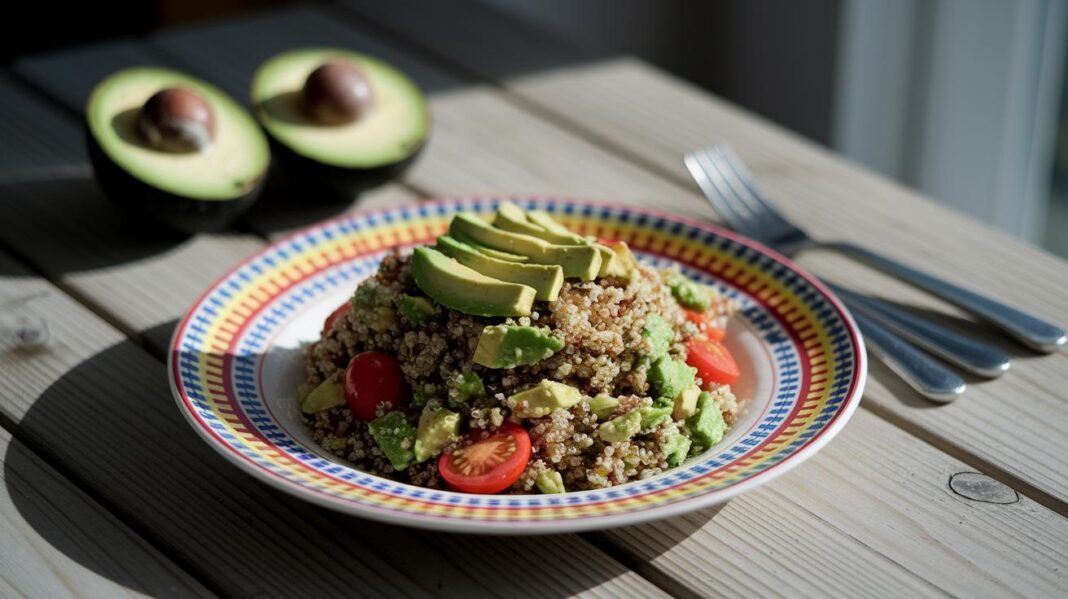
Ever think a small tweak in your diet might help calm your diverticulitis flare-ups? Imagine your colon getting a nice break, much like a tired runner finally resting after a long race. Nearly one in three people under 50 and over half of those aged 60 deal with these issues, so making smart food choices really matters. In this guide, we'll show you how starting with clear liquids and soft, low-fiber meals can help ease your discomfort and smoothly guide you back to a balanced, fiber-rich diet.
Comprehensive Diverticulitis Diet Overview
Diverticulosis is when tiny, harmless pouches form in your colon. But if these pouches become inflamed or infected, that’s called diverticulitis. Think of it like a calm lake suddenly getting rough when a storm starts. In the US, nearly one-third of people under 50 and over half of those 60 or older have diverticulosis, which means this condition affects a lot of people.
When diverticulitis flares up, you need to change your diet carefully. Doctors usually recommend starting out with clear liquids. This is like giving your colon a break, a bit like rebooting a slow computer. Sipping on clear liquids such as broth and gelatin helps soothe your gut without overworking it.
After the clear liquid phase, the diet shifts to a low residue plan. This means cutting back on fiber to around 8–12 grams per day. This step is like easing into a gentle pace, reducing the amount of undigested material so your colon isn’t overburdened. During this time, you might want to avoid whole grains and raw fruits and vegetables to keep irritation in check.
Once your symptoms settle, you slowly reintroduce high-fiber, plant-based foods back into your meals. Adding fiber gradually supports long-term colon health and lowers the risk of future flare-ups. This step helps you build a balanced, vibrant diet while keeping inflammation under control.
Diverticulitis Diet Flare‐Up: Clear Liquid and Low‐Residue Strategies
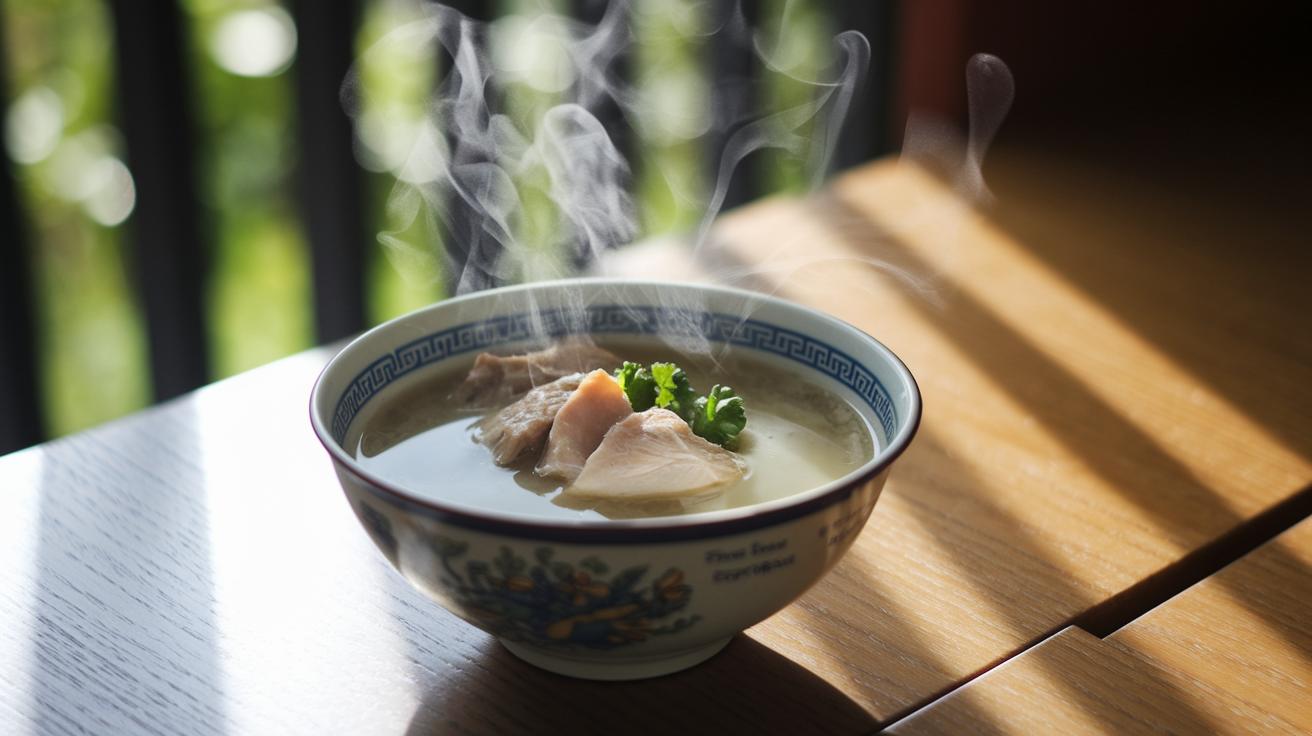
If you have severe diverticulitis or have recently gone through surgery, starting off with a clear liquid diet can help your bowel rest. Clear liquids, like a light broth, simple gelatin, or electrolyte drinks, work gently by hydrating you and easing irritation. Imagine sipping warm chicken broth; it can feel as soothing as a cool breeze on a hot day.
Once your symptoms begin to ease, switch over to a low-residue diet that keeps fiber to about 8–12 grams daily. In this phase, it's best to stay away from fibrous foods such as whole grains, raw fruits, and vegetables. This approach helps your colon by reducing the amount of undigested food traveling through your system.
Later on, as you continue to recover, slowly reintroducing moderate fiber can boost nutrient absorption and make digestion easier. Research shows that blending fiber-rich foods into your meals can help manage symptoms better. One person shared that gradually shifting to something like a blended vegetable soup made meals feel lighter and less irritating.
Here are some practical tips to consider while you recover:
- Eat small, frequent meals to keep your colon from getting overloaded.
- Start with low-residue foods like tender, cooked vegetables and refined cereals.
- Gently add more nutrient-rich, moderate fiber foods as your symptoms improve.
- Keep an eye on your fiber intake and adjust it based on how you feel.
| Phase | Diet Details | Notes |
|---|---|---|
| Clear Liquid | Broth, gelatin, electrolyte beverages | Helps rest the bowel and ease irritation |
| Low‐Residue | 8–12 grams of fiber, avoiding fibrous foods | Gives the colon time to heal |
| Moderate Fiber | Slowly increasing with blended foods | Improves digestion and nutrient absorption |
Transitioning to a High-Fiber Diverticulitis Diet for Remission
Once your symptoms settle down, start adding high-fiber plant foods back slowly. Aim to up your fiber intake by about 3 to 5 grams every few days. This gentle pace helps your digestive system adjust without stressing your colon, like easing back into a routine after some time off.
Focus on easy-to-digest, nutrient-packed foods. Begin with simple meals such as plain oatmeal paired with soft-cooked carrots. As your body gets used to these foods, gradually increase the amounts. You might even add a little bit of legumes or try well-cooked whole grains to keep things moving smoothly.
- Begin with a low amount of fiber.
- Increase fiber by 3 to 5 grams every few days.
- Stick to simple meals like oatmeal with soft vegetables.
This step-by-step plan supports your colon health and helps prevent trouble after a diverticulitis flare-up.
Top Safe Foods and Snack Selections for a Diverticulitis Diet
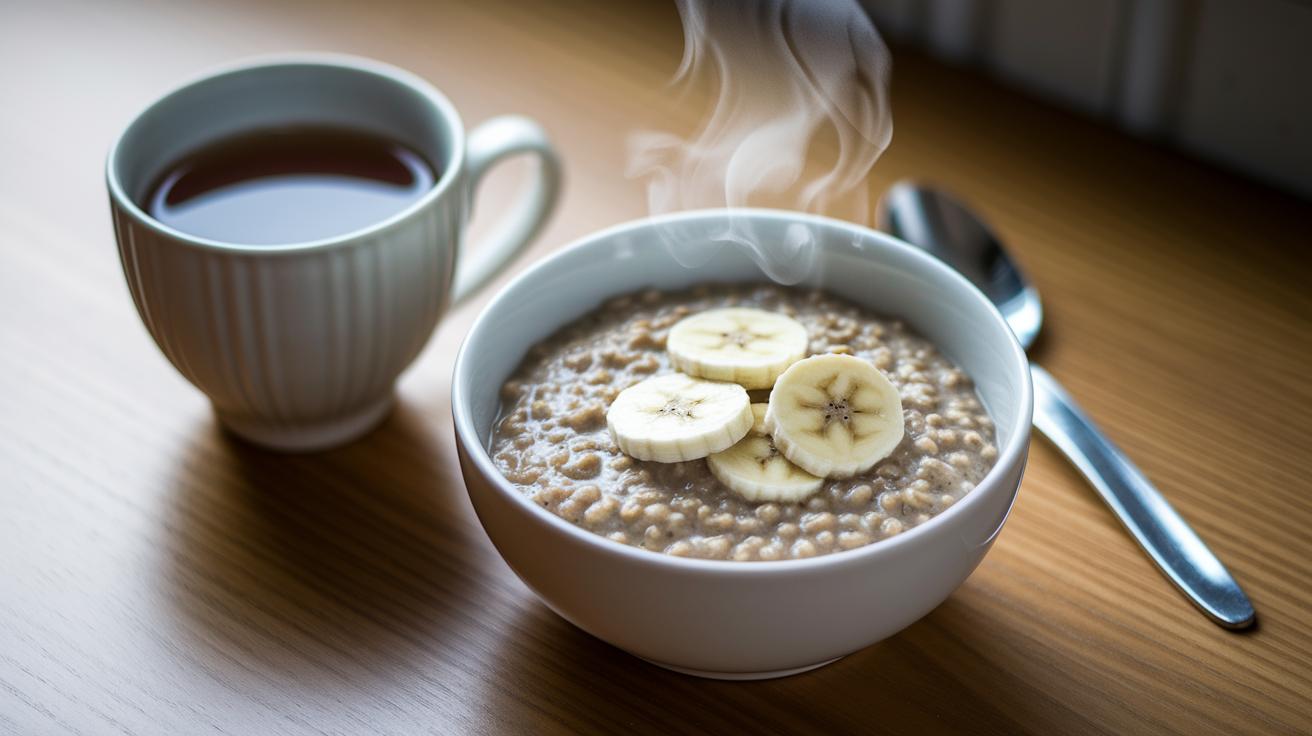
When your diverticulitis is in remission, it's best to stick with foods that are gentle on your colon. Fermented foods like kimchi help your digestion, and foods such as kale and black currants may soothe inflammation. Think of it this way: cooked veggies like zucchini, carrots, and squash are kind to your gut, giving you the nourishment you need without any extra strain. A warm bowl of oatmeal made just right for a sensitive tummy can feel as comforting as a gentle hug.
You might also enjoy a light, well-cooked vegetable soup or a homemade smoothie with ripe banana and spinach. These choices hydrate you and bring a balanced mix of nutrients while keeping irritation at bay. They work together to ease inflammation and support your recovery.
Here are some safe options to consider:
- Steamed zucchini and carrots
- Seedless bananas and applesauce
- Plain yogurt or kefir
- Oatmeal specially prepared for a sensitive gut
- Broth-based vegetable soups
- Smoothies made with ripe banana and spinach
- Grocery list for healthy eating
Every option makes it easier to keep your meals light and your digestion smooth, helping you feel your best as you stick to your dietary plan.
Common Dietary Triggers to Avoid in a Diverticulitis Diet
When you're dealing with a diverticulitis flare-up, it's smart to avoid foods that may irritate your colon even more. Low-fiber processed foods, red meat, and high-fat items can put extra stress on your digestion and might lead to another bout of symptoms. For example, choosing a heavy, high-fat hamburger instead of a lean protein can make things feel worse.
Raw fruits and vegetables can also be tough on your system now. Crunchy carrots or an unripe apple might be too hard to digest and can trigger irritation. Even small, hard bits like seeds, nuts, and popcorn may slip into your colon and cause problems.
Dairy items deserve a closer look too. Foods like whole milk or certain cheeses might upset a sensitive gut for some people. If that sounds like you, switching to lactose-free or plant-based alternatives might be a kinder choice right now.
| Food Category | What to Avoid |
|---|---|
| Processed & High-Fat Foods | Low-fiber processed foods, red meat, high-fat items |
| Raw Fruits & Vegetables | Crunchy vegetables (like carrots), unripe fruits |
| Snack Items | Seeds, nuts, and popcorn |
| Dairy Products | Whole milk, certain cheeses (switch to lactose-free or plant-based alternatives) |
Diverticulitis Diet Meal Planning and Fiber Intake Guidelines
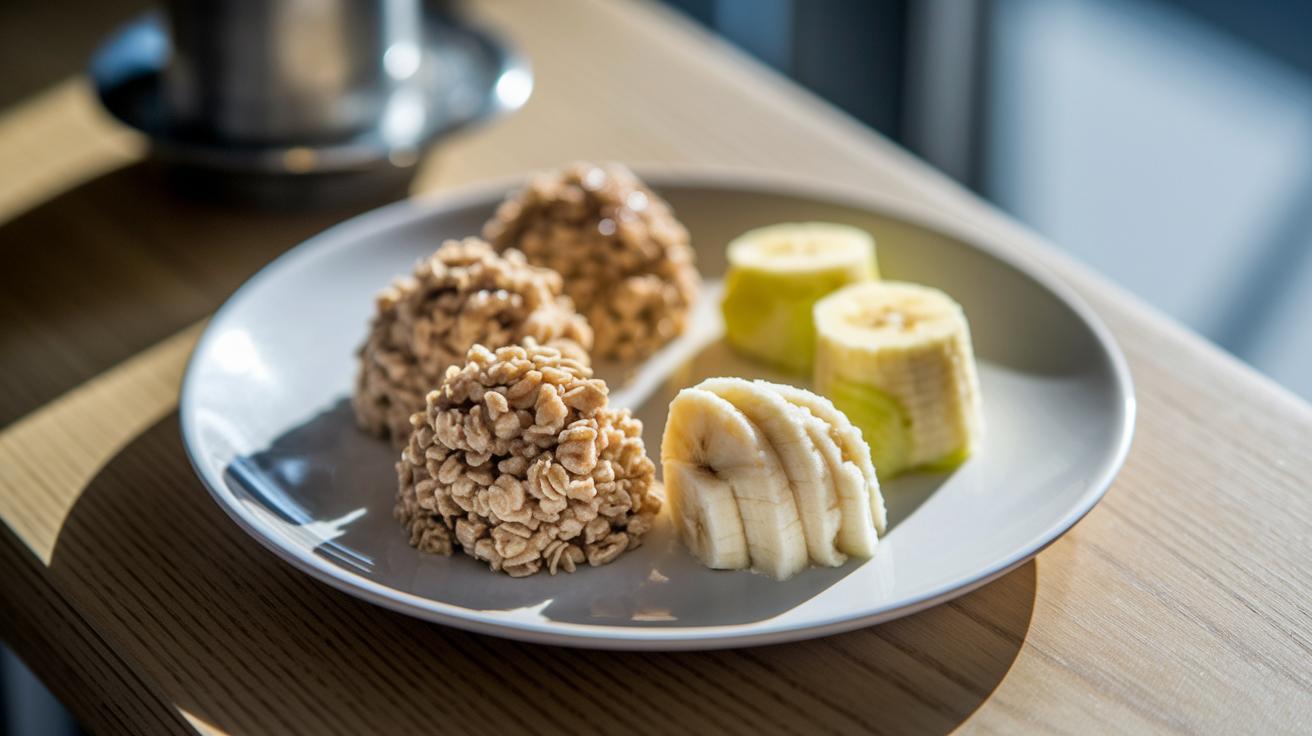
When managing diverticulitis, planning your meals to be gentle on your stomach is really important. Try eating small, balanced meals every 3 to 4 hours so you can help avoid constipation and keep your gut moving smoothly. A daily meal plan not only keeps your fiber on track but also makes the whole digestion process easier. If you need more help, you might want to explore a meal planner for healthy eating to set up your day with the right portions.
Portion Control Strategies
Keep an eye on serving sizes to help your digestive system feel its best. When you plan your meals, aim for moderate portions of grains, proteins, and vegetables. For example, you might enjoy a cup of refined cereal or a small piece of lean chicken with a side of soft, easy-to-digest veggies. This way, your colon doesn't have to work too hard after eating, and your body gets plenty of time to break the food down properly.
Hydration Recommendations
Drinking plenty of fluids is a key part of keeping your digestion smooth. Try to have 8 to 10 cups of water or other light, electrolyte-rich drinks like diluted juices throughout the day. Sipping regularly not only keeps you hydrated but also helps move fiber gently through your digestive system. Combined with a good meal plan and proper portion sizes, this approach can help prevent constipation and support a calm, balanced digestive experience.
7-Day Sample Diverticulitis Diet Meal Plan
This one-week plan is here to gently help your digestive system settle back into its routine. For the first two days, you'll stick to clear liquids like broths, gelatin, and drinks with electrolytes to give your colon a little rest. Think of it as giving your gut a calm reset.
On Days 3 and 4, you move to a low-fiber diet. Your meals will include soft grains and cooked fruits or vegetables, keeping your fiber intake around 8 to 12 grams each day. For example, you might enjoy a bowl of refined cereal with milk alongside strained vegetable soup or smooth mashed potatoes. This way, you keep things easy on your digestion while still nourishing your body.
Then, on Days 5 to 7, it’s time to reintroduce fiber slowly. You'll aim for 15 to 20 grams of fiber daily with gentle, high-fiber foods. Maybe try oatmeal mixed with a bit of banana or a comforting vegetable soup made from well-cooked, low-fiber veggies. This gradual approach helps your digestive system adjust without any extra stress.
| Day | Meal Phase | Breakfast | Lunch | Dinner | Snack |
|---|---|---|---|---|---|
| 1 | Clear Liquid | Clear broth | Gelatin | Electrolyte drink | Water or herbal tea |
| 2 | Clear Liquid | Strained fruit juice | Clear broth | Gelatin dessert | Electrolyte water |
| 3 | Low-Fiber | Cream of rice | Strained vegetable soup | Mashed potatoes | Applesauce |
| 4 | Low-Fiber | Refined cereal with milk | Plain chicken broth with noodles | Well-cooked carrots | Pudding |
| 5 | High-Fiber Reintroduction | Oatmeal with mashed banana | Soft vegetable soup | Stewed zucchini | Seedless fruit puree |
| 6 | High-Fiber Reintroduction | Whole grain toast with a light spread | Quinoa salad with well-cooked veggies | Steamed fish and soft rice | Ripe pear (peeled) |
| 7 | High-Fiber Reintroduction | Oat bran porridge with soft berries | Pureed lentil soup | Steamed vegetables with lean protein | Low-fiber smoothie |
This meal plan offers flexible recipes that are full of nutrients and are kind to your system. By slowly easing back into regular eating, you can help your colon feel comfortable while still giving your body what it needs.
Final Words
In the action, the article breaks down a clear path through different phases, starting with strict clear liquids and low-residue options and moving to a gentle high-fiber reintroduction. The guide shows how carefully planned meals can soothe inflammation and support a smooth transition between flare-ups and remission.
The insights make it easy to manage your daily health routines and make smart lifestyle choices. Embrace a diverticulitis diet that works for you and keeps your well-being on track.
FAQ
What do diverticulitis diet books or PDFs provide?
The diverticulitis diet guides offer meal plans and food tips designed to ease colon irritation during flare-ups and support recovery and long-term wellness.
What foods should I avoid with diverticulitis?
The diverticulitis diet suggests avoiding high-fat items, processed meats, raw produce with seeds, and tough whole grains, as these can irritate the colon and trigger symptoms.
What is a diverticulitis recovery diet?
The diverticulitis recovery diet eases symptoms by starting with clear liquids, progressing to low-residue meals, then gradually reintroducing high-fiber foods to maintain colon health.
What are diverticulitis diet recipes?
The diverticulitis diet recipes feature gentle meal ideas like broth-based soups, oatmeal, and steamed vegetables that soothe the colon and help improve well-being.
What soups can I eat with diverticulitis?
The diverticulitis diet recommends broth-based, easily digestible soups—like pureed vegetable or chicken broth soups—that help maintain hydration and provide nutrition.
What food can I eat if I have diverticulitis?
The diverticulitis diet favors soft, low-residue foods such as seedless bananas, applesauce, plain yogurt, and well-cooked vegetables that help ease discomfort.
What’s the worst thing for diverticulitis?
The worst choices for diverticulitis include foods that can irritate the colon—high-fat processed items, raw fruits with seeds, and unprocessed tough grains—which may worsen inflammation.
Can I eat a banana with diverticulitis?
The diverticulitis diet finds that ripe bananas, being soft and easily digested, are a safe option when eaten in moderation during recovery.

