
Have you ever wondered if technology has reached its full potential in healthcare? Think again. Today’s digital tools are helping us catch health issues before they become bigger problems.
New devices can track your heart rate and sleep patterns in real time. They turn complicated numbers into simple alerts so you can act before a minor concern turns into something major. AI, telemedicine, and personalized care all work together to simplify how we monitor our health.
This post shows how these breakthroughs are changing preventive care and giving us a smarter way to take care of ourselves.
Key Digital Health Innovations Driving Preventive Care Transformation
Preventive care means keeping an eye on your health by spotting risks early. Today’s digital health tools take complicated medical data and change it into clear, practical insights that help you stay one step ahead. For a simple look at what preventive care involves, check out what is preventive care.
- AI and machine learning make it easier to review medical images and predict risks early.
- Telemedicine brings healthcare to you with virtual visits and remote check-ups.
- Personalized medicine uses your own information to create treatments that fit you better and reduce side effects.
Market forecasts tell us that these tech-driven prevention strategies are reshaping healthcare. The global market for preventive care is expected to reach $310 billion by 2025. Plus, the overall digital health industry might grow from around $240.9 million in 2023 to nearly $947,075 million by 2030 under the Medical 4.0 approach. This rapid growth shows the huge potential of digital health tools, like those seen in digital health tech, to build a future where care is more proactive, efficient, and effective.
Wearable Health Devices & Remote Patient Monitoring for Early Detection
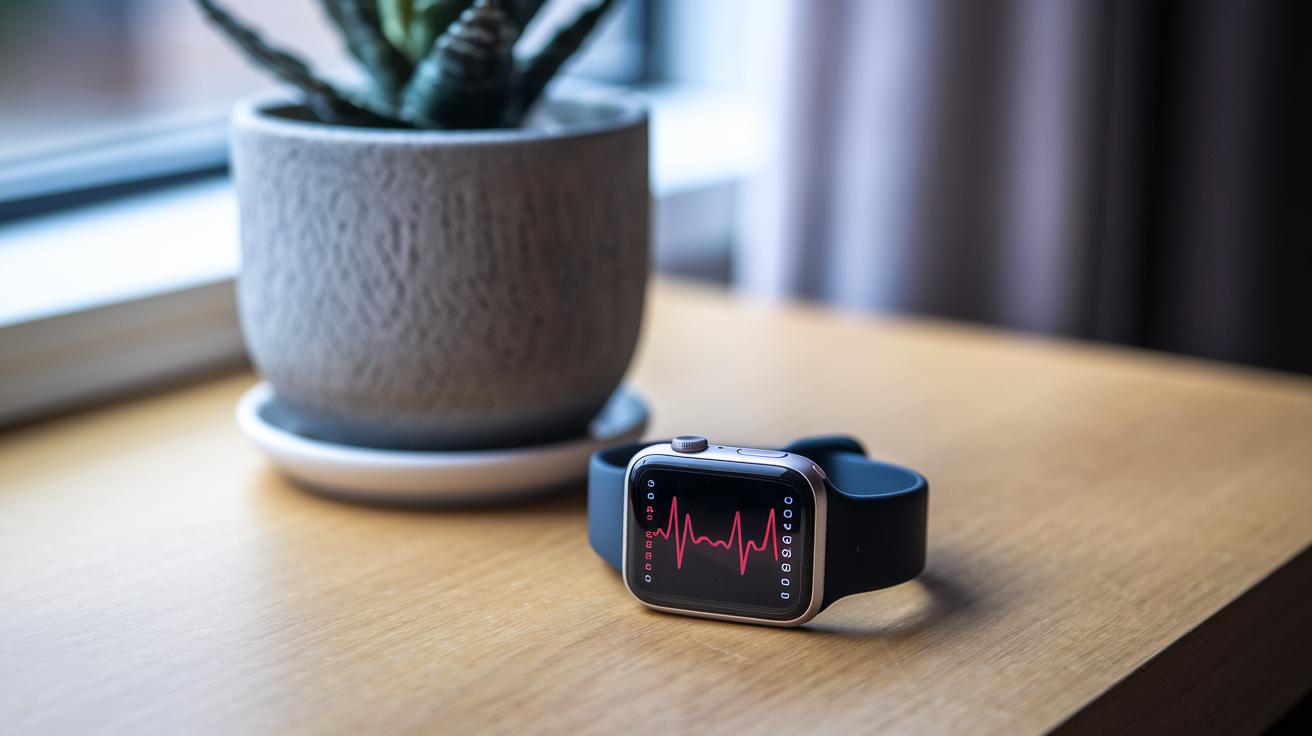
Wearable gadgets and remote monitoring systems are changing the way we keep an eye on our health. They check simple things like your heart rate and sleep patterns as they happen. Think of these tools as a friendly health buddy that gives you a little nudge if something doesn’t seem right before it turns into a bigger problem.
Imagine this: your smartwatch buzzes because it picked up an unusual heart rate. It’s almost like having your own personal health coach right there on your wrist. The rapid growth in the Internet of Medical Things market, which is expected to reach about $158 billion by 2025, shows just how much trust people are placing in this technology.
Here's a simple table that shows some common devices and what they do:
| Device Type | Key Function |
|---|---|
| Smartwatches | Tracks heart rate and activity levels |
| Glucose Monitors | Keeps an eye on blood sugar levels continuously |
| IoMT Networks | Links different devices for a complete health view |
Remote patient monitoring makes managing conditions like diabetes and high blood pressure easier by letting healthcare providers see real-time information even when you’re not in the clinic. This steady flow of health data helps catch early warning signs so doctors can quickly adjust your care. When these devices work together, you get proactive support that can really boost your daily well-being.
AI Healthcare Diagnostics & Predictive Analytics in Preventive Risk Assessment
AI and machine learning are changing the way doctors review diagnostic images and plan treatments. These clever systems look at scans with consistent care and catch small changes that might slip past a human eye. They compare fine details in images to help prioritize patient risks, which in turn guides surgeons when planning their procedures. For instance, AI can spot early signs of issues, allowing doctors to start treatment before conditions get worse.
Predictive analytics works by digging into detailed patient information to forecast health risks well ahead of time. It blends lifestyle habits, genetic background, and family history to recognize patterns that signal early warnings. This approach not only helps doctors diagnose potential problems but also sends timely, automated reminders to patients. As new data comes in, these models update continuously, keeping risk assessments fresh and useful.
Personalized medicine gets even better with unified predictive systems that mix genomics, data analytics, and AI. These systems fine-tune treatments by spotting key biomarkers early and delivering recommendations directly to patients via push notifications, SMS, or email. This personalized touch helps reduce side effects and improves overall outcomes by addressing each person’s unique health profile. By combining advanced imaging with smart data insights, these tools pave the way for a more precise and proactive approach to care, empowering both patients and providers to act quickly when prevention matters most.
Telemedicine & Virtual Care Solutions Expanding Preventive Access

Telemedicine and virtual care are changing how we get preventive health services. Since COVID-19, more people have been using telehealth, which now reaches even those in remote or underserved areas. Doctors can now see you online so you don’t have to visit the office in person. This means you can get real-time advice and support right at home. Digital platforms also help by offering personalized content, so you can make smart choices about your care.
New mobile clinics and telehealth vans are rolling out in neighborhoods, bringing basic tests and screenings closer to you. As technology improves, virtual care tools do more than just video calls. They now include smart reminders and check-ins to keep you on track with your health. For example:
| What It Does | How It Helps |
|---|---|
| Virtual visits | Talk to a healthcare professional anytime, anywhere |
| Mobile outreach units | Bring screenings and tests directly to your community |
| AI chatbots | Offer ongoing support and send you reminders |
These advances show that digital tools are making healthcare easier to access, more convenient, and more effective. It’s a big step toward focusing on staying well, before problems start.
Electronic Health Record Integration & Data Analytics for Proactive Care
Integrated electronic health records paired with smart data analysis are changing the way healthcare providers spot issues early and manage care. These systems gather patient histories, lab tests, and treatment details to uncover trends that might easily slip by unnoticed. They pull together data from many sources, set up telehealth appointments automatically, and even send reminders so patients never miss a checkup. And don’t worry, by following strict standards like HIPAA, GCP, ISO 27001, and GDPR, they keep sensitive information safe while helping doctors catch problems before they get worse.
Key benefits include:
- Catching early trends through careful data review.
- Automatically scheduling appointments based on current health records.
- Sending timely reminders for follow-ups and tests.
- Supporting community health with targeted campaigns like vaccinations.
This mix of integrated records and clear, easy-to-understand data makes it simple for providers to spot at-risk conditions and adjust care quickly. It’s like turning a mountain of numbers into small, manageable steps that keep patients feeling better. By bridging the gap between complex data and everyday action, these tools empower healthcare professionals to offer personalized, timely care that benefits both individuals and entire communities.
Case Studies Showcasing Digital Preventive Care Successes

Digital preventive tools are making a big difference in everyday health care. They help people get important screenings, stick with their treatments, and learn more about taking care of themselves. These stories show how new ideas are reshaping how we keep healthy.
Pharmacy Health Kiosks Program
At TMA Solutions, health kiosks were set up in local pharmacies to check blood pressure, heart rate, and blood sugar levels. This simple setup helps more people get screened easily. In one community, regular visits to a nearby kiosk helped catch issues early, which meant timely follow-up care. It’s a win-win that not only increases access to key health checks but also builds trust in digital health by giving quick, on-the-spot information.
Digital Health Apps for Adherence & Education
Apps like Free Medication Manager and Calcium AI Studio are changing how people manage their daily medications and learn about their health. They let users track prescriptions, set automatic reminders, and go through easy, helpful lessons, some of which have kept up to 80% of the information. These interactive features simplify routine care and offer insights for healthier choices. They are especially useful for those managing long-term conditions from a distance, with continuous monitoring and alerts when something isn’t right.
Looking at these examples from preventive care examples shows how digital tools are really boosting health outcomes. By combining smart kiosks with user-friendly apps, digital preventive care is improving early detection and helping patients stay on track with their care.
Security, Scalability, & Future Trends in Preventive Health Technology
Digital health is changing the game when it comes to keeping our personal info safe and handling large amounts of health data. Today’s systems use strong security measures by following rules like HIPAA, GDPR, and ISO 27001 to protect your medical details. Cloud-based health platforms are especially handy because they gather all your data in one place and support live updates, making it easier for preventive care programs to grow quickly. This means we can not only secure patient data but also spot potential health risks early.
New preventive care tools are stepping up with smart technology that makes health care more accurate and accessible. Looking ahead, trends such as blockchain, cloud computing, AR/VR therapy, and robotics are reshaping how we approach health. Each one plays a special role:
- Blockchain health records: Expected to manage about 20% of healthcare transactions by 2025, this helps ensure data remains clear and trustworthy.
- Cloud computing: Brings all patient data together and supports live analytics, helping health providers act before issues turn serious.
- AR/VR therapy: Offers fun, immersive treatment options that boost patient engagement and speed recovery.
- Robotics in preventive care: Uses precise, robot-assisted screenings to catch health issues early.
Final Words
In the action, we saw how digital tools are reshaping health management with wearable devices, AI diagnostics, and telemedicine making daily care smoother. Small tech pieces come together as remote monitoring and EHR integration help spot risks early.
Digital health innovations transforming preventive care empower us with clear, data-informed insights. Every step builds a healthier tomorrow, leaving us feeling motivated and ready to make simple, smart choices in our daily routines.
FAQ
Q: Do digital health innovations prohibit preventive medicine?
A: The idea that digital health innovations prohibit preventive medicine is untrue. Digital tools, like telemedicine and AI, actually support early interventions and proactive wellness strategies.
Q: What are some examples of preventive technology?
A: Examples of preventive technology include wearable devices that track vital signs, remote monitoring systems, and AI-driven diagnostic tools; each helps in early detection and supports continuous care.
Q: What is the future of preventive healthcare and its technological advances?
A: The future of preventive healthcare is bright as evolving digital tools such as personalized medicine, predictive analytics, and virtual consultations are set to improve early risk detection and patient management.
Q: What statistics support the growth of preventive care?
A: Statistics indicate rapid growth in digital health with the global preventive healthcare market projected to reach $310 billion by 2025, reflecting increasing adoption of technology-enhanced prevention methods.
Q: What does proactive health mean in digital preventive care?
A: Proactive health in digital care means actively using technology, like wearables and predictive analytics, to monitor risks and engage in early interventions, thereby helping to maintain overall wellness.

