
Have you ever noticed that burst of energy when you're pushing something heavy? That's your muscular strength at work, it shows how much force your muscles can put out in just one go. It's not about having huge muscles, but about the real power behind every move you make.
This power is the foundation for everyday health and helps you reach your best during workouts. In this post, we'll break down the true meaning of muscular strength and share simple ways to boost it. Whether you're just starting out or already a regular at the gym, understanding this can help you train smarter and feel stronger every time you work out.
define muscular strength: Energize Your Workouts
Muscular strength is all about how forcefully a muscle can push or lift in one try. Think of it as the power behind a single, maximum effort, a burst that shows exactly how much weight your muscles can handle. It isn’t just about how big your muscles look but about the real ability of those muscles to work hard when you need them to. This idea is a key building block for understanding overall health and athletic performance.
Imagine lifting a weight that’s heavy enough that you can only manage it once before needing a break. This single lift perfectly shows the idea of strength by highlighting the peak effort a muscle can put in. Unlike muscular definition, which is all about the visible shape of muscles when body fat is low, muscular strength is about what your muscles can actually do. In simple terms, it’s the real, measurable performance that powers up your workouts and helps you live a strong, healthy life.
Distinguishing Muscular Strength from Endurance and Power
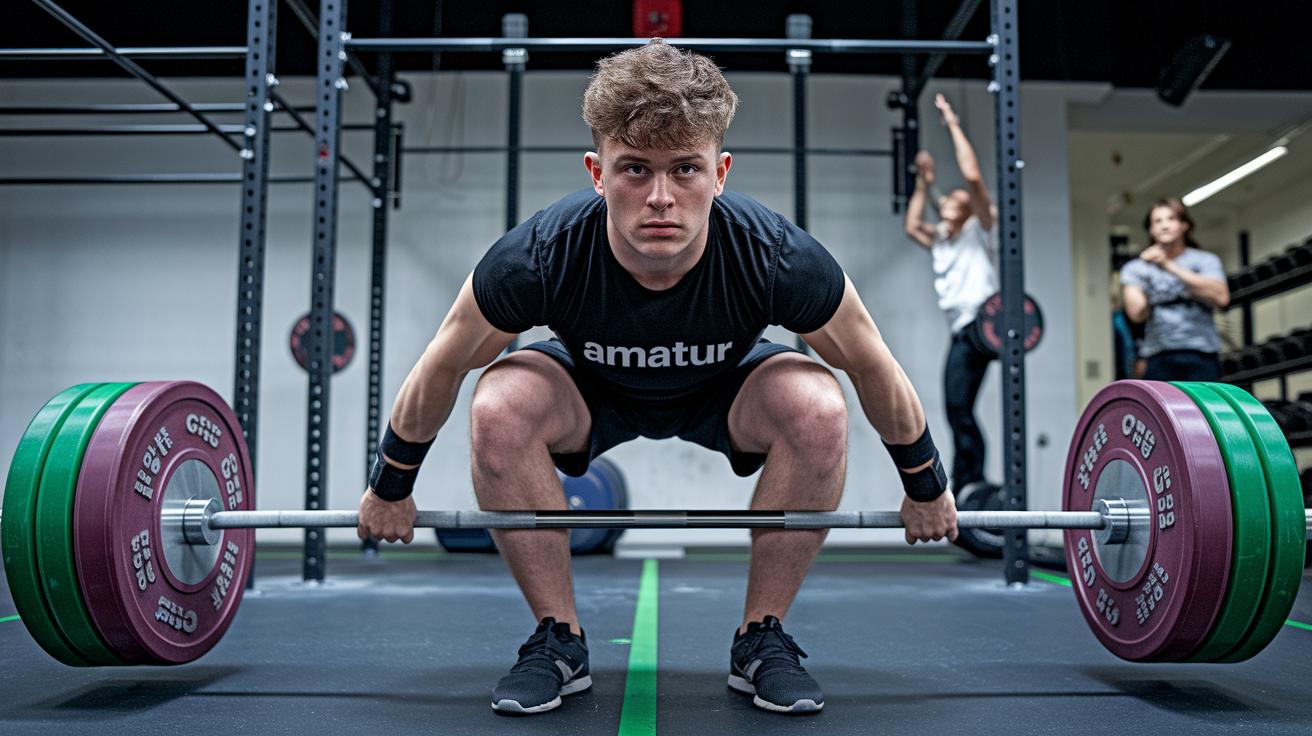
Muscular endurance is when your muscles keep working steadily over time without needing a long break. Think of it like a steady beat during a gallop, the smooth rhythm of skipping, or the gentle flow of pliés. Here, the goal isn’t to hit the highest force, but to keep going at a steady pace over a long period.
Muscular power, on the other hand, is all about a quick burst of strength. It’s like watching a fast leg kick or an energetic jump. This kind of power brings together speed and strength, where a rapid, powerful move matters more than a slow, sustained effort. It’s what you need when you have to act suddenly.
Muscular strength is different again. It looks at the most force your muscles can produce in one go. Unlike endurance, which is about keeping up a rhythm, or power, which is about quick bursts, strength is that one decisive, hard effort. Imagine lifting something really heavy in one try, that’s strength showing what your muscles are capable of when pushed to their limit.
Measuring Muscular Strength with One-Repetition Maximum Tests
The one-repetition maximum test, or 1RM, is a popular way to see how strong your muscles really are. In this test, you lift the heaviest weight you can one time, giving a quick look into your muscle power. It’s like taking a snapshot of your strength, which helps you fine-tune your workout and build a program that fits your needs.
Common moves for the 1RM test include the bench press for upper-body strength and the leg press for lower-body power. In clinics, you might also see a handgrip dynamometer used to check muscle capacity in a simple, safe way. This variety makes sure you get a full picture of how your muscles are doing.
When you work out with heavy weights and low repetitions, you boost your strength. This is different from using lighter weights with more reps, which usually brings up endurance. By focusing on heavy lifts, you tailor your workout to get stronger, setting clear goals along the way.
How Muscle Contraction Mechanisms Enable Strength
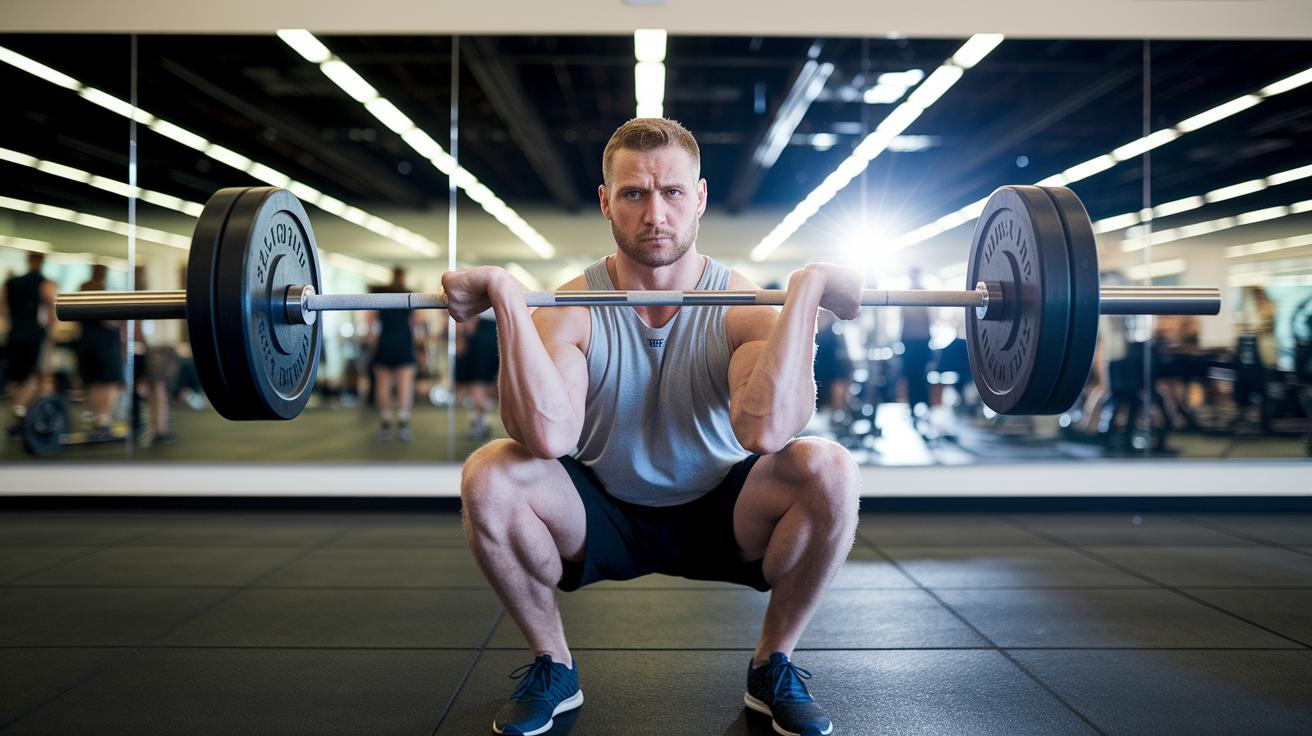
Muscles can work in different ways when they generate force. One way is through isometric contractions. Imagine pushing your palms together as hard as you can; your muscles are busy, but they don't really change in length.
Then there are dynamic, or isotonic, contractions. Think of doing a squat, when you lower your body, your muscles lengthen, and when you stand up, they shorten. This shows how muscles can either hold a steady force or adjust in size to help you move.
Muscle strength also relies on motor units. These are small groups of muscle fibers that work together to make force. When you need extra power, your body recruits more motor units, including fast-twitch fibers that quickly boost your strength. This teamwork among muscle fibers is what lets you push harder during your workouts.
Resistance Training Fundamentals for Developing Muscular Strength
Resistance training is all about helping your muscles get stronger so you can tackle everyday tasks with ease. In these workouts, you use things like free weights, bodyweight moves, or machines to give your muscles a steady challenge. This not only tones your body but also boosts your overall performance. Think of it as giving your muscles a focused workout session that helps them get tougher over time.
Below are some key exercises to get you started:
- Squats: A basic move that focuses on your legs and glutes, making sure you keep good form.
- Push-ups: A flexible exercise that can be made easier or more challenging, depending on your level.
- Forearm planks: Great for making your core stronger and keeping your posture on point.
- Abdominal crunches: Helps build strength in your midsection.
- Jumping jacks: A fun way to get your heart pumping while working different muscles.
- Free weights: Using dumbbells or similar gear adds variety and gives your muscles a solid workout.
Following advice from the U.S. Department of Health and Human Services, it’s important to add muscle-strengthening activities into your routine for safe and steady progress. One key idea to remember is progressive overload. This means you slowly increase the weight or resistance as your muscles get used to the challenge, which helps them grow even more. Whether you're using resistance bands or other equipment, the goal is the same: make your muscles work just a bit harder than usual in a safe and controlled way. Staying on top of proper form not only prevents injuries but also makes sure each exercise really counts for your strength and fitness.
Safe Practice and Training Guidelines for Muscular Strength

Before starting a new strength routine, it’s a good idea to check in with your doctor. This simple step can catch any red flags early on and make sure you’re all set for the extra challenge. It saves you worry later by getting any issues managed before you add more weight.
Working with a skilled trainer can make all the difference when learning new moves. They can show you the right way to do exercises like squats or push-ups, lowering your chance of strain or injury. Their practical advice helps you adjust your form until you feel confident and comfortable with each workout.
Taking a gradual approach is the smart way to build strength safely. Slowly increasing your weight lets your muscles adapt without feeling overwhelmed. Don’t forget to give yourself enough rest between sessions – that recovery time is key for building strength and staying healthy.
Significance of Muscular Strength for Health and Performance
Building strong muscles is a key part of keeping your weight in check and boosting your metabolism. Regular strength training adds lean muscle, which means you burn more calories even when you're just resting. With more muscle power, you not only nail a balanced weight but also enjoy better overall health. A strong body makes daily tasks easier and helps you keep up high energy levels throughout the day, so sticking with a healthy lifestyle becomes a bit simpler.
Stronger muscles also help you perform better in sports and physical activities. When your muscles are in top form, you get better power, quicker movements, and improved performance overall. This kind of strength is especially helpful for tasks that need quick bursts of energy or extra stamina. Whether you're competing in sports or just enjoying your workout routine, building muscle can boost your everyday performance and help you feel your best.
Final Words
In the action of building strength, we learned how to define muscular strength as the peak effort a muscle can produce in one go. We clarified its true meaning, compared it to endurance and power, and saw how one-repetition maximum tests help measure this ability.
We also discussed how muscle contractions, proper resistance training, and safety measures all pave the way for better health management. Stick with these insights and stay positive, you have the tools to boost your strength and overall health.
FAQ
How do you define muscular strength and muscle strengthening?
The definition of muscular strength is the ability of a muscle to generate maximum force in one effort, like lifting a heavy weight just once before needing rest. This concept also covers muscle strengthening practices.
What are some examples of exercises to improve muscular strength?
Improving muscular strength can involve exercises such as squats, bench presses, deadlifts, push-ups, and bodyweight movements that challenge major muscle groups with maximum effort for one repetition.
Why is muscular strength important?
Muscular strength is important because it supports overall fitness, enhances daily activities, and boosts athletic performance by providing a strong foundation for movement and effective weight management.
How do muscular strength exercises differ from endurance exercises?
Muscular strength exercises focus on generating maximal force in a single action, while endurance exercises require repeated, lower-force contractions to sustain activity over time without quickly tiring the muscles.
What types of sports emphasize muscular strength?
Sports that emphasize muscular strength include weightlifting, wrestling, and sports where short bursts of maximum force are needed, helping athletes achieve better performance and overall power.
What is the definition of muscular power?
Muscular power is defined as the ability to produce high force quickly, which is evident in actions like explosive jumps and rapid leg kicks where speed and strength combine.
What is the simple definition of muscular endurance?
The simple definition of muscular endurance is the ability of a muscle to perform repeated contractions over time without fatiguing, ensuring you can sustain activity for longer periods.

