
Have you ever thought that a simple check-up could really change your life? Taking care of your health means making small choices that lead to big rewards. Simple tests like those for breast health, cervical health, or bone strength help spot problems early and keep you in control. This guide explains the key screenings and offers easy tips so you can build a health plan that works for you. When you know your numbers and care for your body, you're set to live boldly every day.
Key Screening Services in Preventive Health Care for Women
Early detection can really help you stay healthy. Keeping up with routine screenings not only helps catch problems early but also sets you up for timely care. Tests like Pap smears, mammograms, colon checks, and bone density scans each offer a peek into different parts of your overall health.
| Age Range | Screening Test | Frequency |
|---|---|---|
| 21–29 | Pap test | Every 3 years |
| 30–39 | Pap/HPV co-test | Every 5 years |
| 40–49 | Mammogram | Annually |
| 50+ | DEXA scan & Colon screening | DEXA at 65*; Colon: every 10 years or annual home test |
Organizations like the USPSTF recommend these tests, but the exact timing might change based on your own health history and advice from your doctor. For more details on preventive care screenings, visit our preventive care screenings page and have a chat with your healthcare provider. Think of each test as a puzzle piece that helps you keep an eye on your heart, bones, and reproductive system. Talking openly with your doctor ensures these screenings fit into your overall plan for staying well.
Age-Specific Preventive Health Care Recommendations for Women

For women aged 21 through 29, it’s smart to get a Pap smear every three years. If you haven’t completed your HPV shots, now’s a great time to finish them. Also, make sure you check your blood pressure and cholesterol regularly. Think of it like checking your car’s engine to catch small issues before they become big problems.
Between 30 and 39, keep up with your Pap and HPV co-tests every five years. Add in an annual blood sugar check and a thyroid test to make sure your body’s key systems are in good shape. It’s much like giving your household appliances a regular tune-up so they run smoothly.
Once you reach your 40s, start getting a mammogram every year beginning at age 40. You should also learn about colon screening and take a baseline check of your bone health. This routine is like scheduling a home inspection to spot any issues before they turn into major repairs.
After turning 50, things shift a bit. If you have any risk factors, consider having a DEXA scan by age 65 or even earlier. For colon health, you can choose between a colonoscopy every ten years or an annual at-home test. Keep up with regular tests for your heart and metabolism. These screenings help you manage the aging process with confidence.
Work closely with your healthcare provider to create a plan that fits your personal needs. Use this checklist as a starting point to take control of your health in a way that feels right for you.
Lifestyle Modification in Preventive Health Care for Women
Eating well and staying active are the keys to lasting health. Enjoy a mix of fruits, veggies, lean proteins, whole grains, and healthy fats to give your body balanced fuel, you don’t have to cut out any food group entirely. Try to get 150 minutes of moderate exercise each week, plus muscle-strengthening workouts twice a week. Picture your body as a car that runs best on a mix of good fuel and regular tune-ups.
Getting enough sleep and managing stress well are just as important as eating and moving right. Aim for 7 to 8 hours of sleep each night so your mind and body can recharge. Create a relaxing bedtime routine. You might dim the lights, put away screens, or read a book to tell your body it's time to wind down. Simple methods like mindfulness, yoga, or even a friendly chat can ease your stress and help guard against long-term illnesses.
Adding little self-care habits into your day can be both easy and rewarding. Try setting aside time for meal planning, short walks, or quick exercise breaks, just like you would for an important meeting. Find brief moments for relaxation or meditation to boost your energy and clear your mind. These small steps can build a strong, healthy routine that keeps you well and lets you live confidently.
Vaccinations as Preventive Health Care Measures for Women
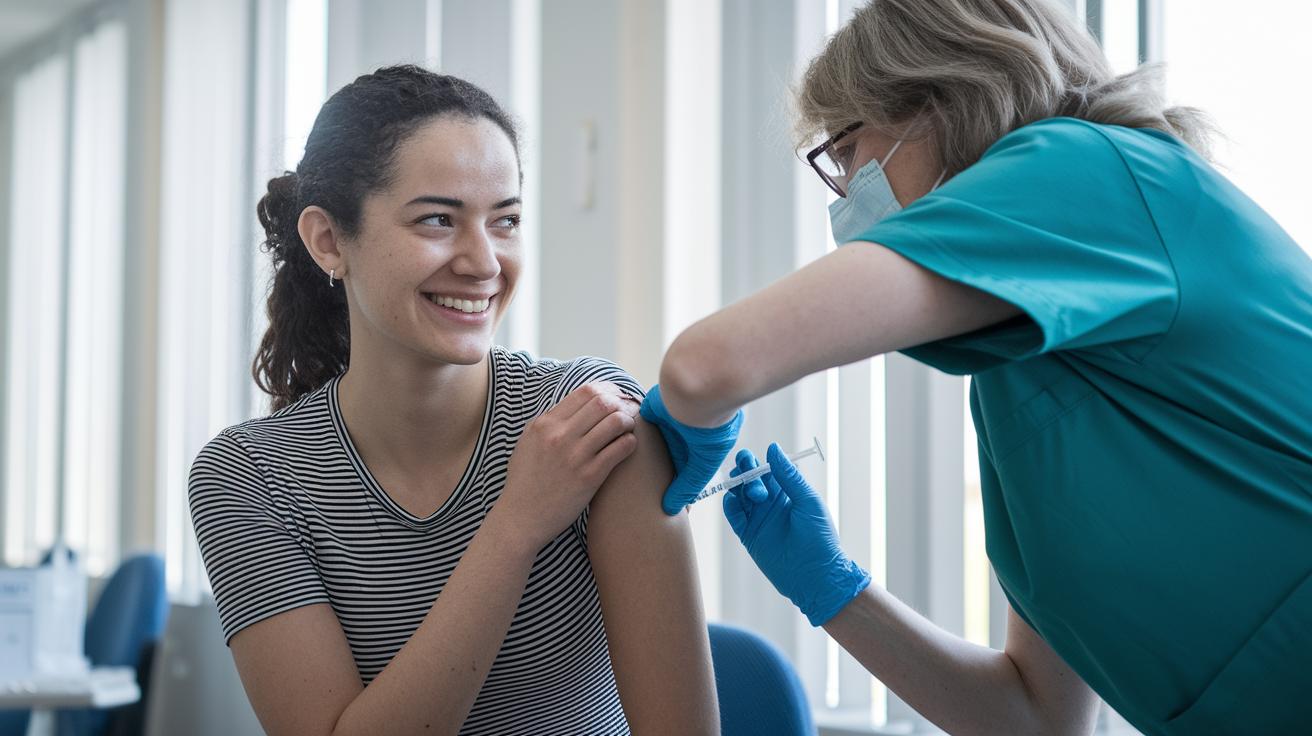
Vaccinations help keep you healthy by stopping serious illnesses before they even begin. When you get a vaccine, you not only lower your chance of getting sick but also boost your overall well-being so you can live your life with confidence. This simple step is one of the most effective ways to stay healthy all year long.
The HPV vaccine is a good example. It is normally given to teenagers, and there's an option to catch up until you turn 26. Starting the vaccine early builds your immunity against the virus strains that can cause cervical cancer. In other words, getting vaccinated sooner helps protect you better and gives you peace of mind during those important early years.
Also, consider getting your flu shot every year before the season starts. This little shot can guard against complications that might mess up your daily routine. On top of that, keeping up with a Tdap booster every 10 years and the shingles vaccine after age 50 rounds out your defense strategy. Together, these vaccines work like a team, offering layers of protection as you move through different stages of life.
Hormonal and Reproductive Preventive Health Care for Women
Regular check-ups for reproductive health form a key part of every well-woman exam. During these visits, your doctor reviews your menstrual cycle and looks for signs like those seen with PMS or PMDD. They also talk through birth control and family-planning options to help you make the best choices. Women of all ages gain useful insights into hormone levels, bone health, and overall reproductive function. These early screenings let your healthcare provider catch changes quickly and offer advice that fits your needs.
Perimenopause Preventive Care Strategies
As you move into perimenopause, usually between the ages of 35 and 50, keeping track of your health becomes even more important. Your doctor might recommend tests like thyroid screening and bone density checks to ensure your body stays strong during hormonal shifts. They’ll also discuss everyday lifestyle tips, like eating well, staying active, and managing stress, that can go a long way. This guidance helps balance your work, family, and health while also keeping an eye on heart health.
For anyone planning a pregnancy, starting with folic acid and screening for gestational diabetes sets the stage for a healthy journey. After delivery, your doctor may focus on checking your mental health and evaluating your pelvic floor to support a smooth recovery. These friendly, simple measures can easily become part of your daily routine with a little advice from your provider.
Insurance and Affordable Preventive Health Care for Women

Thanks to the Affordable Care Act, women can receive important tests like mammograms, Pap tests, and colon cancer screenings without paying extra. This law helps clear the financial hurdles so you can get these necessary services without worry. When you book your yearly check-up, know that these key tests are on the house. Your insurance is there to help you stay one step ahead of your health.
Medicare and Medicaid also offer special wellness visits just for women. These check-ups give your doctor a chance to review your overall health and catch any changes early. Regular tests during these visits can help spot problems before they grow serious. It’s a smart way to care for your health as you get older.
Local community programs and health drives add even more chances for affordable care. Many neighborhoods host free clinic events and screening days to help cover any gaps in your plan. Chat with your healthcare provider or check out community centers to see what’s coming up. By combining your insurance benefits with these local resources, you can keep your health on track while living life fully.
Community Programs and Digital Tools in Preventive Health Care for Women
Community health drives and mobile clinics are a real help when it comes to getting free screenings to neighborhoods that need them most. They set up pop-up events and bring mobile services right to the communities, so you can get a blood pressure check or a quick consultation without a long trip. This hands-on approach makes it simple for everyone to stay on top of their routine check-ups and keep informed about their well-being.
Telehealth has made a big difference too, letting you have a well-woman appointment right from home through video calls. It's easy to chat about your health issues without leaving your couch. Plus, wearable devices now track everyday things like your activity, sleep, and heart rate (that’s just the small variation between heartbeats which tells you how your heart is doing). Many digital platforms also keep your screening records safe and send handy reminders for upcoming tests. These tools fit smoothly into your daily routine, empowering you to make smart, informed choices about your health.
Final Words
In the action, we explored key preventive health care for women elements, from essential screenings and age-based checklists to lifestyle tweaks and affordable insurance options. Each section gave a clear breakdown of what to expect at different stages and how digital tools, community programs, and vaccines work together as support.
Every bit of info ties into keeping your wellness strong. Keep checking in with your provider and keep up with your routine for lasting benefits.
FAQ
What are the women’s preventive services guidelines and adult preventive care guidelines?
The women’s preventive services guidelines and adult preventive care guidelines offer clear recommendations on screenings and immunizations, outlining when and what tests should be done to catch health issues early.
What is covered under preventive care, including in obstetrics and gynecology?
The scope of preventive care covers routine screenings like mammograms, Pap tests, and immunizations. In obstetrics and gynecology, it also includes services such as reproductive health exams and counseling.
What does the Women’s Preventive Services Initiative involve?
The Women’s Preventive Services Initiative involves providing access to essential screenings, immunizations, and counseling at no additional cost, so women can stay on top of health issues without financial barriers.
What are examples of preventive care for women and what key aspects are involved?
Preventive care examples for women include cancer screenings, blood pressure checks, and cholesterol tests. These practices focus on early detection and proactive management to support long-term well-being.
What information does the ACA preventive care list 2024 include?
The ACA preventive care list 2024 details cost-free services like vital screenings and vaccines, ensuring that recommended health checks and tests for women are accessible without out-of-pocket expenses.
What are three examples of preventive health care actions?
Three examples of preventive health care actions include regular mammograms, Pap smears, and colon cancer screenings, each playing a key role in catching issues early and maintaining overall health.
How does women’s health insurance coverage support preventive care?
Women’s health insurance coverage often eliminates copays for preventive services, ensuring that free screenings, exams, and vaccines are accessible and help maintain health without extra cost.
What is the best preventive action against women’s health conditions?
The best preventive actions against women’s health conditions focus on routine screenings, a balanced lifestyle, and timely vaccinations to catch potential issues early and support overall health.

