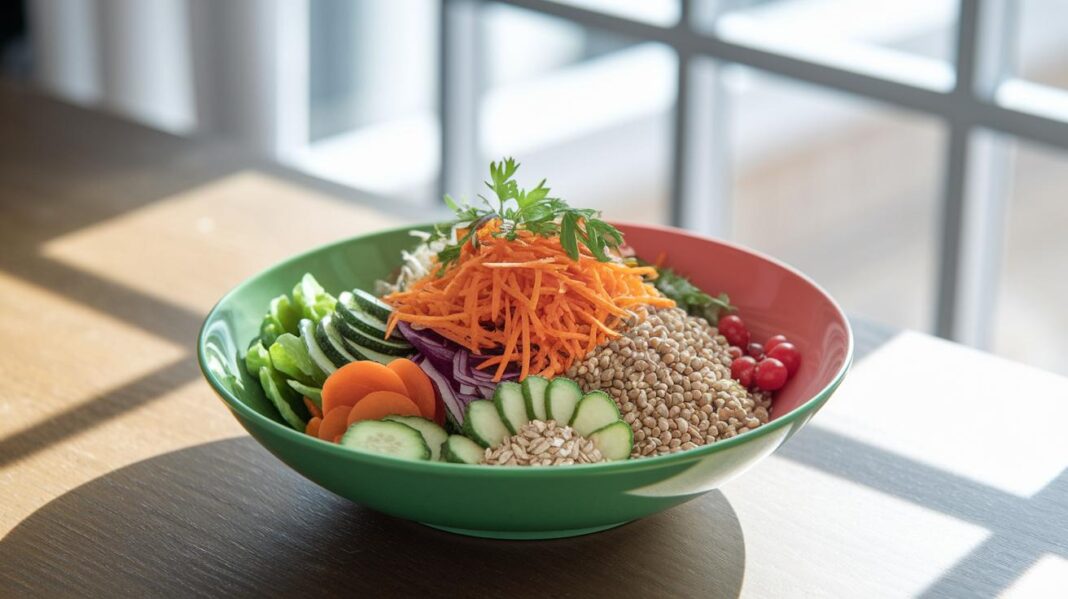
Have you ever thought about how your meals might get a grade? The Healthy Eating Index works like a report card for your food. It gives your diet a score based on how well it follows American nutrition guidelines. Since 1995, experts have kept track of these scores to see what works and what could use some help. In this post, we'll show you how a higher score can lead to better health and share simple tips to boost your nutrition with everyday examples.
Healthy Eating Index Elevates Diet Quality
The Healthy Eating Index, or HEI, is like a grade for your eating habits. It checks how well your diet sticks to the Dietary Guidelines for Americans. Back in 1995, experts at the USDA’s Center for Nutrition Policy and Promotion and the National Cancer Institute created this tool. Imagine taking a quick snapshot of your meals and scoring them on a scale of 100.
Today’s version, HEI-2015, breaks your diet into 13 parts that add up to 100 points. Researchers gather info using methods like 24-hour recalls (where you remember everything you ate in a day) or food frequency questionnaires (which ask how often you eat certain foods). Studies have shown that the HEI does a solid job of reflecting overall diet quality. On average, Americans score around 59, but hitting a score of 74 is a good sign you’re meeting key nutrition goals from Healthy People 2020.
In plain terms, think of the HEI as a health report card for your food choices. It helps experts see connections between what we eat and health risks, such as heart problems or strokes.
HEI scores are used in many research studies to compare popular diets, track changes after nutrition programs, and even review food settings in different communities or countries. For example, in one 18-month study, participants boosted their scores by over 7 points, showing real improvements in their eating habits. The HEI doesn’t just offer a number, it gives clear ideas on how to upgrade your diet. This makes it a trusted tool for researchers and public health pros, guiding them to focus on strong areas and work on the weak spots in our diets.
Healthy Eating Index Components Breakdown and Scoring Guidelines

The HEI-2015 update brings us 13 food components that match up with the USDA food groups. They split into two groups: adequacy, which means eating more of the good stuff like fruits, veggies, whole grains, dairy, and proteins; and moderation, which means cutting back on things such as too much sodium, added sugars, and saturated fats. Fun fact: legumes are now part of both veggies and protein, and alcohol isn't measured directly anymore.
| Component | Category | Max Points |
|---|---|---|
| Total Fruits | Adequacy | 5 |
| Whole Fruits | Adequacy | 5 |
| Total Vegetables | Adequacy | 5 |
| Greens and Beans | Adequacy | 5 |
| Whole Grains | Adequacy | 10 |
| Dairy | Adequacy | 10 |
| Total Protein Foods | Adequacy | 5 |
| Seafood and Plant Proteins | Adequacy | 5 |
| Fatty Acids | Adequacy | 10 |
| Refined Grains | Moderation | 10 |
| Sodium | Moderation | 10 |
| Added Sugars | Moderation | 10 |
| Saturated Fats | Moderation | 10 |
This table makes it easy to see which food parts belong to each group along with their max points. The HEI-2020 still uses these 13 parts, with a few small scoring tweaks to keep up with the latest nutrition science. Even small changes, like adding extra whole fruits or choosing whole grains over refined ones, can boost your overall score. These guidelines offer a clear, simple way for both health professionals and everyday folks to check and improve what they eat each day.
Calculating Your HEI: Methodology and Practical Steps
First, you begin by collecting detailed info on what people eat. This data usually comes from a 24-hour recall or a food questionnaire that shows both the types and amounts of food consumed. It sets the stage by giving a clear picture of everyday eating habits.
Next, the HEI is scored using a food density method. In plain language, this approach looks at the amount of food groups per 1,000 calories (like measuring servings or grams). For foods that are good for you, a higher intake means more points. But for those you should enjoy less, eating more means lower points. A set of specific algorithms turns the numbers into scores for each part and then adds them together to get a total out of 100. Tools like the USDA’s guides and online calculators make it easier for both researchers and anyone interested in evaluating their own diet. This way, the score stays fair by adjusting to your calorie intake.
Finally, when all the pieces are scored, you get an HEI total that gives you a snapshot of your diet’s quality. This method helps both health experts and individuals pinpoint the strengths and weaknesses in eating habits. It also suggests easy changes, like adding more fruits or reducing added sugars, to help improve your score. Overall, this step-by-step process combines hard data with simple advice, empowering anyone to understand and boost their nutritional health.
Research Applications of the Healthy Eating Index in Nutritional Studies

For years, researchers have looked at the Healthy Eating Index (HEI) as a way to see how the quality of our diets relates to signs of chronic diseases. Lately, studies have started to use newer methods like regression and machine learning, which are fancy ways to find patterns, to spot even small links between tiny shifts in HEI scores and heart health indicators (like blood pressure). One study, for instance, found that a 7.2-point jump in HEI scores was tied to better blood pressure levels.
Recent research now combines digital tracking with personalized plans to help people improve their scores, building on earlier work that saw similar improvements over 18 months.
Researchers are also comparing diets from different cultures using the HEI. They adjust the index to respect diverse eating habits while still keeping a standard way to measure nutrition. In one multi-country study, the adjusted HEI matched local food patterns, showing that culturally tailored strategies can really make a difference.
Comparing the Healthy Eating Index with Other Diet Quality Metrics
The Healthy Eating Index (HEI) is a handy tool that sticks closely to U.S. dietary guidelines. It gives you a steady score based on how well your eating habits match national recommendations. Other tools, like the Alternative Healthy Eating Index (AHEI-2010), work a bit differently by rating diets on a scale from 0 to 110, weighing both good and not-so-good food choices.
The AHEI-2010 takes a broader look, which can be really useful when spotting risks for chronic diseases. Then there's the Mediterranean Diet Score, which zeroes in on foods high in olive oil, fish, and plants, and the DASH index that focuses on cutting down sodium while bumping up fruits and veggies to help with blood pressure. Each method has its perks, and comparing them helps highlight what makes each one unique in measuring diet quality.
When you put these methods side by side, it becomes clear that while the HEI is great for checking how well you're following U.S. guidelines, the AHEI might pinpoint some specific health risks a bit sharper. Using these scores together can give researchers and health experts a fuller picture of how different aspects of your diet might predict better health.
Improving Your Healthy Eating Index Score: Practical Dietary Strategies
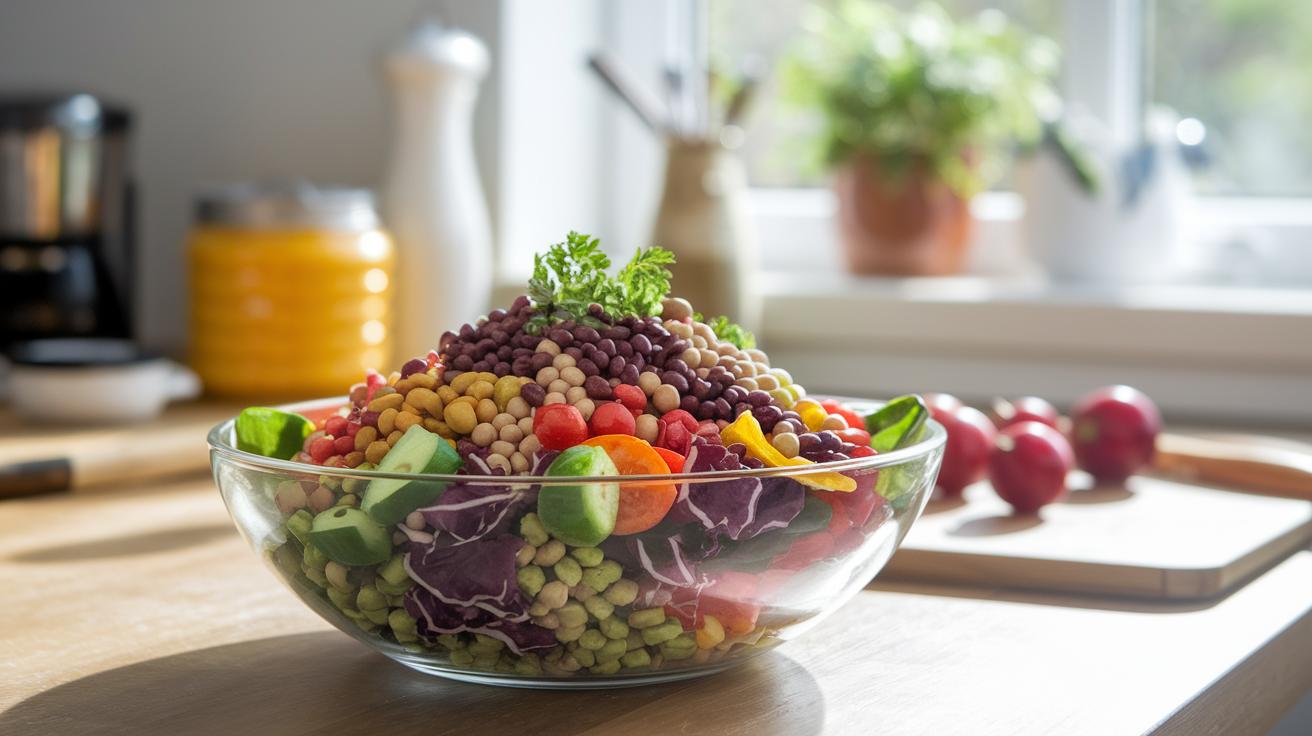
Even a small change in what you eat each day can lift your Healthy Eating Index score. Try choosing more nutrient-packed foods while cutting back on the less healthy options. This way, you get to enjoy yummy meals that also score high on the HEI scale.
When you're sitting down for any meal, remember that every choice counts. For example, you can switch to whole foods, pick unsaturated fats like olive oil instead of saturated ones, and keep an eye on added sugars and salt. These little steps can add up over time.
- Try adding an extra cup of colorful mixed vegetables to lunch or dinner.
- Swap white rice or bread for brown rice or whole-wheat alternatives.
- Include a serving of legumes like beans or lentils at least three times a week.
- Choose low-fat or fat-free dairy in your smoothies or cereals.
- Use olive oil for cooking or in salad dressings instead of butter.
- Cut back on sugary drinks by choosing water or unsweetened tea.
Changing your eating habits is easier than it sounds. Even a bit more veggies or a steady switch to whole grains can gently boost your HEI score. With these practical tips, you're not just making meal changes, you’re setting the stage for long-term, healthier living.
Limitations and Future Directions of the Healthy Eating Index
The Healthy Eating Index (HEI) gives us a quick look at overall diet quality, but it isn't without its challenges. Since it relies on a single score from what people report eating, it might miss the full story behind different eating habits. For instance, the method adjusts based on the total calories eaten, which can sometimes hide specific nutrient gaps.
Another concern is that the HEI may not work equally well across all cultures. Local food traditions might not be fully captured, affecting its accuracy in diverse communities. Researchers suggest that adding biological markers (like measurements from blood or urine that reveal nutritional status), refining how data is adjusted, and using digital tools to track what people eat could make a big difference. These updates could boost both how consistent and accurate the index is, setting the stage for future versions like HEI-2025.
New digital methods and advances promise a more dependable way to measure diet quality.
Final Words
In the action of exploring how numbers and guidelines work together, this article broke down the value of a solid scoring system for healthy diets. It walked through how the scoring is done, its use in research, and ways to improve everyday meals.
Stepping through each part helps us see how using the healthy eating index can guide us to make real choices that lift our well-being. Keep making small changes and celebrate each step forward.
FAQ
Frequently Asked Questions
What does the Healthy Eating Index calculator do?
The Healthy Eating Index calculator computes a score from your dietary data to show how well your eating habits align with U.S. Dietary Guidelines using a scoring method based on portions per energy unit.
What is included in the Healthy Eating Index questionnaire PDF?
The Healthy Eating Index questionnaire PDF provides a series of questions designed to collect dietary information. It assists both researchers and individuals in evaluating diet quality for proper nutritional assessment.
How can the Healthy Eating Index chart help me?
The Healthy Eating Index chart offers a clear visual breakdown of scores for various diet components. It makes it easier to see which parts of your eating habits meet guidelines and where improvements are needed.
What details does the Healthy Eating Index-2015 PDF provide?
The Healthy Eating Index-2015 PDF details the 13 dietary components and the scoring process for diet quality. It explains how each element contributes to a total score of 100, used to gauge nutritional balance.
What does the Healthy Eating Index score represent?
The Healthy Eating Index score represents how closely your food intake meets U.S. Dietary Guidelines. A higher score means a more balanced and nutritious diet, making it a useful measure of overall diet quality.
What is the Short Healthy Eating Index?
The Short Healthy Eating Index is a simplified version that quickly assesses key dietary elements. It provides a fast snapshot of diet quality, ideal for those wanting an immediate feel for their eating habits.
What is the alternative Healthy Eating Index?
The alternative Healthy Eating Index employs a different scoring method that focuses on weighing healthy against unhealthy food choices. It often comes in a PDF guide and sometimes uses a scoring range up to 110 to highlight nutritional benefits.
What updates are incorporated in the Healthy Eating Index-2020?
The Healthy Eating Index-2020 builds on previous versions by introducing minor scoring refinements while keeping the 13-component structure. It continues to reflect adherence to U.S. Dietary Guidelines in today’s nutritional landscape.
What is a good Healthy Eating Index and what does the index for healthy food represent?
A good Healthy Eating Index typically has a score around 74 or higher, indicating strong adherence to dietary guidelines. This index serves as a benchmark to measure how well your food choices support a balanced and nutritious diet.
What does the 80/20 rule for eating healthy mean?
The 80/20 rule for eating healthy suggests that you focus on nutritious foods 80% of the time and allow some flexibility for less healthy choices 20% of the time, promoting a balanced and sustainable eating routine.

