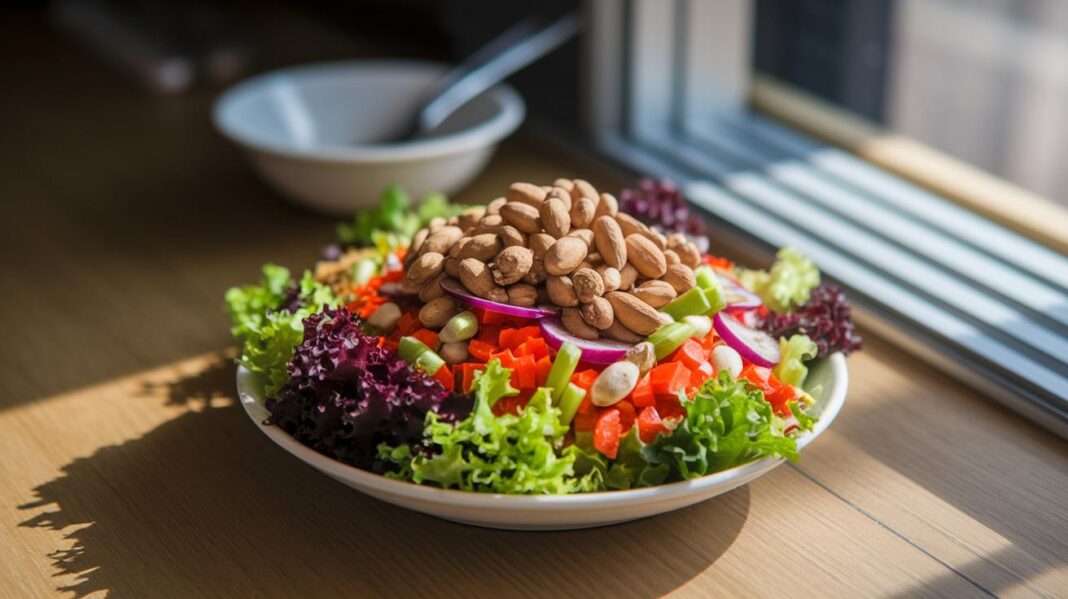
Have you ever thought that a simple meal might change your health? Eating smart can lower your cholesterol and give you more energy. Imagine each meal as a vibrant painting where every food plays a special role in keeping your heart strong.
Research tells us that a diet rich in fiber, like fruits, veggies, whole grains, and healthy fats, helps balance cholesterol levels. In this article, you'll find easy, proven tips that not only make your meals delicious but also support a strong, healthy heart.
Proven Healthy Eating Techniques to Lower Cholesterol
High cholesterol is a big risk for your heart. That’s why it’s important to change your whole diet. Focus on eating foods rich in fiber, good fats, and balanced calories to help lower the bad cholesterol (LDL) and keep your heart strong. Maybe try starting your day with oatmeal and berries, they give you a tasty boost of fiber and energy.
Whole-diet strategies show us that mixing beans, lentils, fruits, vegetables, and whole grains really helps. These foods work together to give your body the nutrients it needs to improve your cholesterol levels. Picture your plate as a colorful palette: lean proteins, lots of veggies, and whole grains come together to create a meal that’s both satisfying and energizing.
Research shows that losing just a little weight, about 3% to 5%, can make a big difference in your cholesterol numbers. On the other hand, very low-calorie plans like 1,200 calories a day are hard to stick with. The Dietary Guidelines for 2020–2025 remind us to choose diets that cover all our nutritional needs.
Remember, there isn’t one magic food that will lower cholesterol. Instead, focus on a variety of nutrient-rich choices that build a heart-healthy eating pattern. Picture a dinner plate filled with bright vegetables, a lean protein, and a serving of whole grains. It’s like a smooth song where every part plays its role in keeping your heart healthy.
Plan your meals with care, mix different food groups, and watch your portions to support lasting heart health. A balanced, research-backed eating plan can turn every meal into a step toward feeling your best and lowering cholesterol.
Top Cholesterol-Lowering Foods to Include in Your Healthy Eating Plan

• Legumes (beans, peas, lentils): These foods are a great way to help lower your LDL cholesterol because they provide soluble fiber that gently removes extra cholesterol from your body. Imagine a warm bowl of bean chili that not only comforts you but also supports healthy blood lipids.
• Avocados: With their rich supply of heart-friendly monounsaturated fats and fiber, avocados help balance cholesterol levels. Try adding sliced avocado to your salad for a creamy, satisfying boost to your meal.
• Nuts: Almonds, walnuts, and other nuts are little powerhouses that can lower LDL, triglycerides, and overall cholesterol. A small handful of mixed nuts makes a crunchy snack that is both tasty and good for your heart.
• Fatty Fish: Fish like salmon and mackerel offer long-chain omega-3 fatty acids, which help ease inflammation and lower triglyceride levels. Think about enjoying a grilled salmon fillet for dinner, it’s delicious and supports heart health at the same time.
• Whole Grains: Foods such as quinoa, oatmeal, brown rice, and whole-wheat bread are packed with fiber that helps manage cholesterol levels and reduce heart disease risk. A warm bowl of oatmeal in the morning is a simple step toward healthier lipid levels.
• Fruits and Berries: These natural treats are full of fiber and antioxidants that work together to keep your cholesterol in check. A vibrant mix of blueberries and apple slices can brighten your day while caring for your heart.
• Dark Chocolate and Cocoa: When enjoyed in moderation, dark chocolate brings flavonoids into play that help improve blood flow and cut down cholesterol oxidation. A modest square after a meal can be a sweet, heart-smart treat.
• Garlic: Known for its unique, savory flavor, garlic also supports a healthy lipid balance with its beneficial compounds. Adding roasted garlic to your dishes is a tasty way to nourish your heart.
• Soy Foods: Options like tofu, soy milk, and edamame offer plant-based protein that helps lower LDL cholesterol while keeping your meals exciting and varied.
• Vegetables: A wide range of vegetables brings essential nutrients and fiber to your plate, helping to reduce cholesterol levels. Even a simple mixed green salad can deliver a strong nutritional punch.
• Tea: Rich in polyphenols, a warm cup of tea can help lower LDL levels, making it a soothing and healthy addition to your daily routine.
• Dark Leafy Greens: Greens such as kale, spinach, and Swiss chard come loaded with lutein and carotenoids that may lower heart disease risk. Their vibrant hues are a gentle reminder of the natural benefits they offer.
• Extra-Virgin Olive Oil: Celebrated for its ability to boost HDL (the good cholesterol), extra-virgin olive oil is a flavorful way to support your heart. Drizzle it over salads or use it in your cooking for that extra heart-healthy touch.
Building a Cholesterol-Reducing Diet Plan with Healthy Eating
First, set a daily calorie goal to support your heart. For example, a dietitian-designed 7-day plan uses 1,500 calories a day. With dinners planned to be between 374 and 548 calories, every meal helps lower bad LDL cholesterol. A balanced mix of proteins, grains, and fats keeps you energized while you work on your cholesterol.
Next, divide your calorie target into parts you can easily manage. Aim for about 70 to 90 grams of protein, 30 to 40 grams of fiber, and no more than 1,600 milligrams of sodium each day. Think of your dinner plate not as one big dish, but as several small servings filled with important nutrients that add up to a healthier you.
A great tip is to mix lean proteins, whole grains, and lots of vegetables in your meals. For instance, try grilled chicken, quinoa, and a colorful salad instead of meals high in fat. Each healthy choice at mealtime is a step toward a heart-smart diet.
It also helps to use a nutrition tracking tool, like the ESHA Food Processor, to adjust and compare different meals. This way, you can be sure every bite fits your cholesterol-reducing plan. Even small changes, like losing just 3% to 5% of your body weight, can lead to noticeable improvements in your lipid levels.
| Nutrient | Daily Target | Sample Intake |
|---|---|---|
| Calories | 1,500 kcal | 1,500 kcal |
| Protein | 70–90 g | 80 g |
| Fiber | 30–40 g | 36 g |
| Sodium | <1,600 mg | 1,450 mg |
Healthy Cooking Methods to Support Cholesterol Reduction
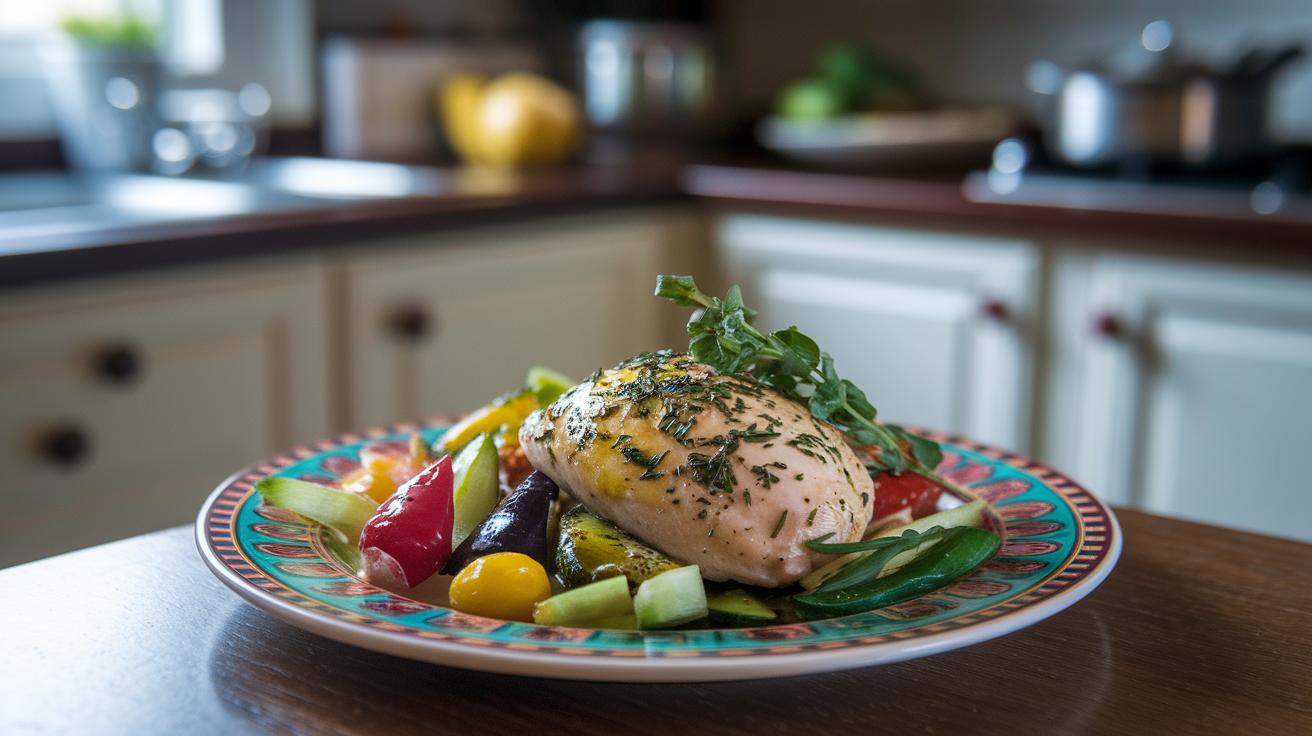
When it comes to caring for your heart, the way you cook matters a lot. Try swapping butter for extra-virgin olive oil. Drizzle it over steamed veggies like you’re adding a natural, silky glaze that brings out the fresh taste without loading on the bad fats.
Pick cooking methods that keep nutrients intact and avoid extra unhealthy fats. Steaming, grilling, and braising are smart choices. Steaming helps keep vitamins sealed in, while grilling adds a pleasant smoky flavor without needing extra oil. Braising uses slow cooking to make lean proteins and veggies soft and tasty.
It also helps to use herbs and spices instead of too much salt. For example, sprinkle some rosemary or thyme on your chicken for a burst of garden-fresh flavor with every bite. Rinse canned beans and choose low-sodium broths to cut down on salt. By steering clear of processed oils and added sugars, you’re setting yourself up for heart-healthy meals that support your cholesterol goals.
Healthy Eating for Lower Cholesterol: Feel Radiant!
Keeping your meals both healthy and budget-friendly is easier than you might think. Start by hitting the store’s outer edges where you’ll find fresh vegetables, fruits, lean meats, and whole grains. These foods are a solid base for lowering cholesterol while keeping you energized and glowing each day.
Try cooking large batches of beans and grains ahead of time so you can grab a healthy bite later. Use fruits and veggies that are in season for extra flavor. And if you can’t find fresh ones, don’t worry, frozen options work just as well in preserving nutrients. Always peek at food labels to steer clear of trans fats, too much salt, and added sugars. Little changes like these really help in keeping your numbers down.
Here are some down-to-earth tips:
- Go for lean proteins, like skinless chicken or plant-based alternatives.
- Stock up on canned beans and bulk oats for wallet-friendly, heart-smart choices.
- Sketch out your meals with a simple checklist to avoid any last-minute, junk-food temptations.
- Try out some easy recipes that focus on healthy eating without breaking the bank by checking out links like this.
Planning your meals in advance takes the stress out of eating well. A clear shopping list keeps you on track and helps avoid those impulse buys that can derail your goals. With simple, smart strategies, eating healthy becomes both practical and affordable. So why not start planning today and see how great you can feel?
Lifestyle Habits and Smart Eating for Sustainable Cholesterol Management

Regular aerobic activities, like brisk walks or cycling, can boost your HDL (the good cholesterol) while strength training supports a healthy heart. Think of adding movement to your day as more than just burning calories; it’s a way to help your blood lipids work just right.
Mindful eating is a simple habit with a big impact. When you slow down and really taste your food, you often eat less. For example, imagine sitting down for a meal without distractions, it naturally leads to smaller portions and helps your body process nutrients better. This practice not only supports healthy weight but also helps lower LDL (the bad cholesterol).
Intermittent fasting, such as the 16:8 method, might offer extra benefits for your cholesterol levels. With this approach, you eat within an 8-hour window, giving your body a longer break to recover. Even a small weight loss of 3% to 5% can make a noticeable difference in your cholesterol.
Good sleep and stress management are also key. When you get enough rest and take time to relax, say, with a short walk or a few deep breaths, your body functions better overall. Combined with smart eating, these everyday habits create a sustainable routine that keeps your heart healthy over time.
Final Words
In the action, this article highlighted key strategies that help reduce LDL by focusing on overall diet quality. We broke down practical meal planning tips, heart-healthy cooking methods, and essential lifestyle habits that support lasting benefits. Each section offered clear, everyday advice backed by solid data. Embracing healthy eating for lower cholesterol means small, smart choices every day that add up to real improvements in well-being. Keep moving forward with confidence and a clear plan for better heart health.
FAQ
Q: How to reduce cholesterol in 30 days?
A: The approach to reduce cholesterol in 30 days involves a balanced plan rich in fiber, lean proteins, healthy fats, and whole grains, alongside regular physical activity to support improved lipid profiles.
Q: How to reduce cholesterol in 7 days?
A: Reducing cholesterol in 7 days calls for a strict focus on nutrient-dense foods, minimal processed items, and active lifestyle choices, though long-lasting changes require ongoing efforts.
Q: What are 40 foods to lower cholesterol?
A: The list of 40 foods to lower cholesterol typically features items like legumes, fruits, vegetables, whole grains, nuts, and fatty fish, which together help maintain healthy cholesterol levels.
Q: What foods to avoid with high cholesterol?
A: Avoiding high-cholesterol foods means steering clear of saturated fats, processed snacks, fried items, and full-fat dairy because these can raise LDL levels and hinder heart health.
Q: What are the six super foods that lower cholesterol?
A: Six super foods to lower cholesterol might include legumes, oats, nuts, fatty fish, avocados, and dark leafy greens, each offering a healthy mix of fiber and good fats to support your heart.
Q: What are 15 foods that lower cholesterol?
A: Fifteen cholesterol-lowering foods encompass whole grains, fruits, vegetables, legumes, nuts, fatty fish, and low-fat dairy products, all chosen for their benefits in reducing LDL and improving overall heart health.
Q: What are 15 foods to avoid with high cholesterol?
A: Fifteen foods to avoid when managing high cholesterol include processed meats, butter, full-fat dairy, fried foods, and refined grains, as these are high in saturated fats and can raise LDL levels.
Q: What foods lower cholesterol fast?
A: Fast-acting cholesterol-lowering foods include those rich in soluble fiber and unsaturated fats like oats, legumes, and fatty fish, which can quickly support a healthier cholesterol balance when part of a complete diet.
Q: What should I eat every day to lower my cholesterol?
A: A daily cholesterol-friendly diet features whole grains, fruits, vegetables, lean proteins, and heart-healthy fats, ensuring you consistently support lower LDL levels and improved heart health.
Q: What is a good meal plan for lowering cholesterol?
A: A good meal plan for lowering cholesterol is built on balanced meals that incorporate nutrient-rich foods such as fiber-heavy fruits and vegetables, lean proteins, and healthy fats to promote steady heart benefits.
Q: What cleans cholesterol out of your body?
A: No single food cleans cholesterol out; rather, a holistic, heart-smart diet that emphasizes fiber, healthy fats, and lean proteins aids in lowering LDL levels and improving cardiovascular function.
Q: How can I lower my cholesterol level quickly?
A: Lowering cholesterol quickly involves adopting mindful eating practices, increasing physical activity, and swapping saturated fats for fiber-rich, heart-healthy foods to jump-start improvements in your lipid profile.

