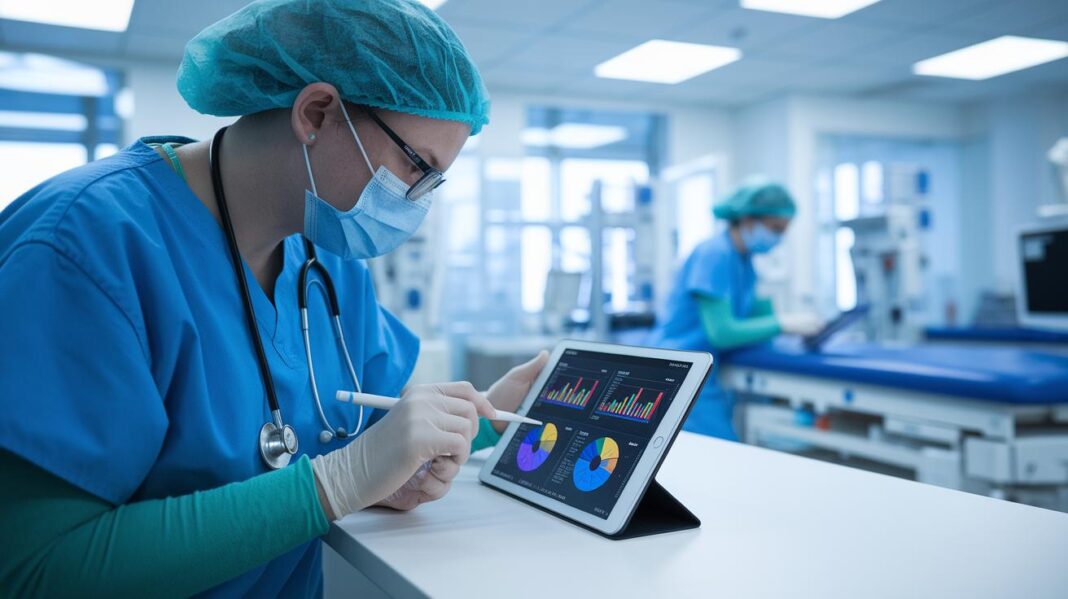
Ever wonder why some treatments seem to work so fast? Real time health data means doctors get alerts right away so they can adjust treatments as new hints pop up.
Imagine a system where every heartbeat matters and each alert sparks changes that help stop symptoms from getting worse. With smart tools like AI, which is just a fancy way of saying computers that learn from data, this method makes treatment faster and care more spot on. Agile care isn’t just an idea. It’s changing how health teams work together to keep our communities safe and healthy.
Delivering Immediate Data-Driven Insights with Real-Time Health Analytics
Real-time health analytics means checking health data as soon as it’s made. Instead of using old data that comes in batches, this method uses smart tools like AI and machine learning to give answers right away. Imagine a doctor who gets an alert almost immediately when key lab results come in. That quick notice can help start treatment without delay.
Using this approach, doctors can create treatment plans that fit each patient perfectly. It also makes it easier to keep a close watch on patients with long-term issues. By spotting changes early, problems can be handled before they grow. In truth, this system mixes different sources of data to show a clearer picture of health trends in the community.
| Key Benefits |
|---|
| Faster diagnosis with instant data alerts |
| Increased patient safety with early-warning signals |
| Better care teamwork with shared live records |
| Fewer hospital readmissions through constant monitoring |
| Clear insights on community health trends driven by data |
By using these live insights, healthcare teams can boost patient care and run clinics more smoothly. When data is fresh, treatments can be adjusted quickly to avoid problems before they get worse. This smart and nimble system means vital decisions are made right when needed. All in all, it builds a stronger healthcare system that helps both individual patients and whole communities.
Key Technologies Powering Real-Time Health Analytics
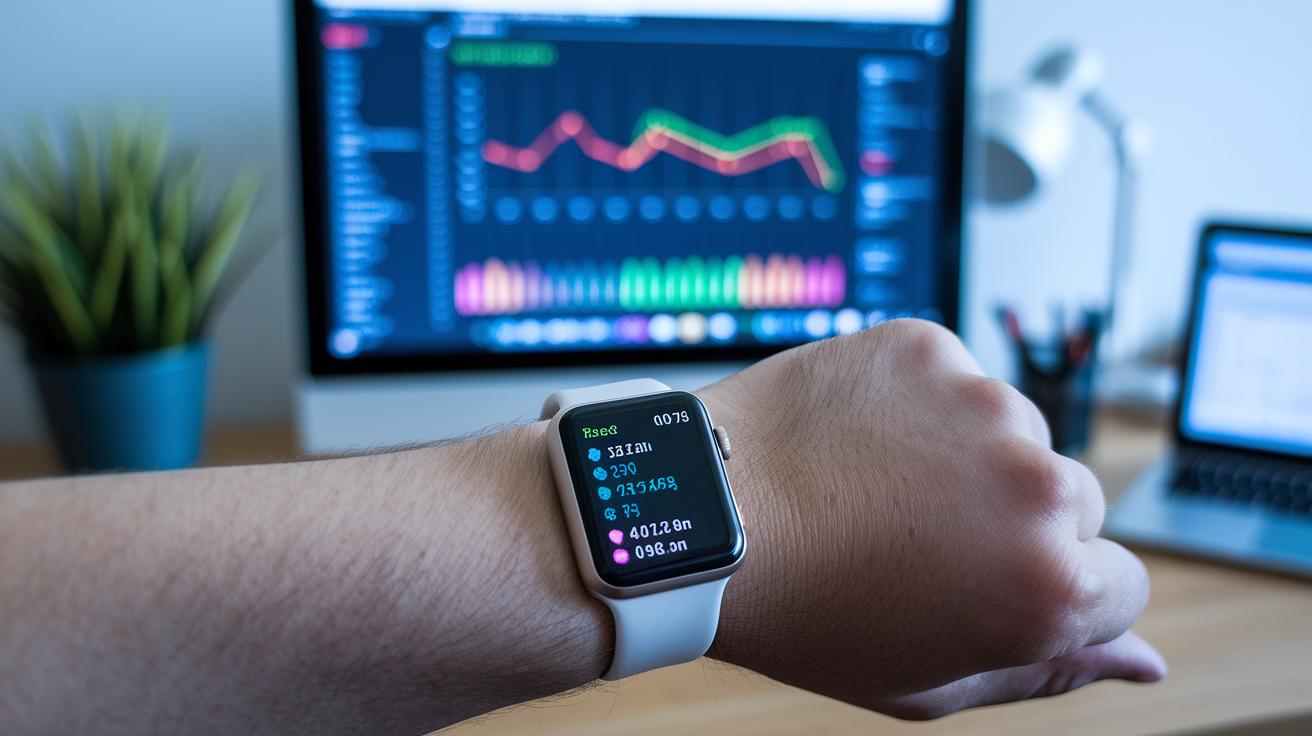
Real-time health analytics relies on smart systems that mix live data streaming, flexible cloud solutions, and AI insights. These systems work as fully managed services that quickly handle massive amounts of health data. They bring together data from many sources and can work on-site or on your own cloud setup. Built-in AI helpers, like Sentinel and Sherlock, take care of tasks such as user verification and keeping data private, so patient information stays safe. This mix of fast data flow, constant data capture, and clever analytics turns health information into quick, useful insights.
| Technology | Primary Function | Example Platform |
|---|---|---|
| Data Streaming Platform | Brings together data quickly | Striim 5.0 |
| IoT Sensor Networks | Tracks real-time vital signs | Philips HealthSuite |
| Cloud Analytics | Offers flexible computing and storage | AWS + BigQuery |
| AI Analytics Engine | Makes fast, smart predictions | Azure Synapse + Power BI |
By combining these key parts, health systems can make quick, data-driven decisions. The blend of live streaming, scalable cloud power, and AI smarts means that every important piece of data is handled right away to support clinical care. Sensor networks continuously record patient vitals, while cloud tools offer the storage and compute power needed. All together, these technologies build a strong system that helps healthcare providers act fast and wisely, improving patient care every step of the way.
Real Time Health Analytics Fuel Agile Care
Wearable devices like smartwatches and fitness trackers give you a real-time peek into your health. They continuously track key details like your heart rate, movement, and sleep quality. It’s like having a personal health monitor on your wrist that can alert you and your doctor if anything seems off, maybe a sudden spike in heart rate that signals the need to check in before things get worse.
Remote monitoring takes care one step further by keeping an eye on your health outside the doctor’s office. These systems send your live health data to your healthcare team, which helps in managing chronic conditions without as many in-person visits. You get personalized notifications based on your health trends, nudging you toward healthier habits. It creates a smooth connection between you and your care team so everyone stays informed and ready to act.
Telemedicine visits are also getting a boost from live data streams. When you share your real-time device data during a virtual check-up, your doctor gets a complete picture of your well-being. This helps them make smart decisions quickly, adjusting treatments on the spot. It’s a reassuring way to know that even from afar, you’re receiving timely and effective care.
Visualization and Reporting with Real-Time Health Analytics
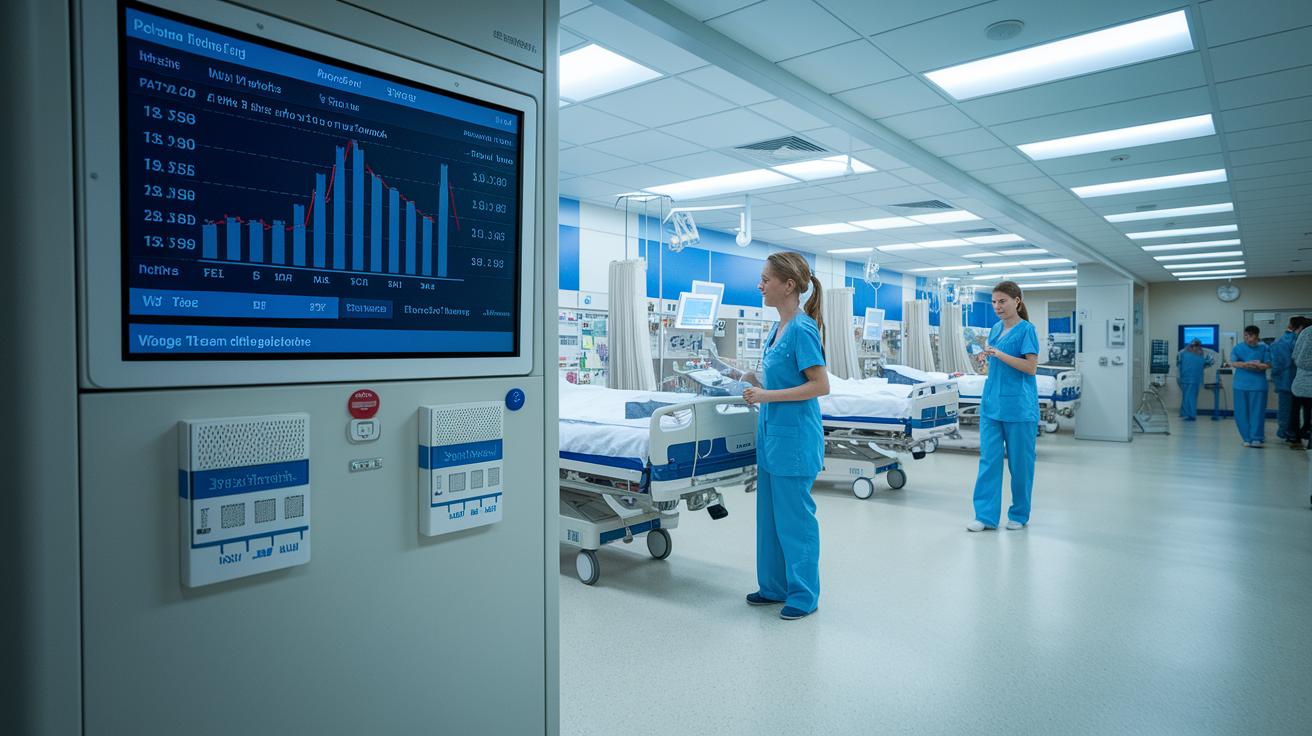
Hospital dashboards work like a hospital’s control room. They let healthcare teams quickly check important numbers such as how many beds are filled and how lab results are trending. This live information is shown in a simple, clear format so staff can easily see everything from patient flow to emergency alerts. For example, a nurse might take a quick look and notice if more patients are coming in, which could mean tight spaces ahead.
Real-time reporting tools send smart alerts right when they’re needed. One case even had an alert from the emergency department go off about 1.5 hours before capacity issues appeared. This extra time allowed labs, transport, and radiology teams to work together and ease the pressure. These timely notifications help everyone react fast and keep the patient care running smoothly.
Custom dashboards allow clinicians to see data the way they work best. Whether it’s tracking trends over time or spotting a sudden change, these displays turn constant data feeds into clear, actionable insights. Imagine a doctor setting up a view that highlights any unusual changes in lab results so that no red flag goes unnoticed.
Live reporting helps teams make smart decisions on the fly. With data updating every moment, staff can quickly adjust their actions, like reallocating resources or scheduling extra support, keeping the hospital agile and patient care secure.
Predictive and Diagnostic Applications of Real-Time Health Analytics
AI and machine learning now give doctors quick risk scores for conditions like sepsis and heart problems, so they can act fast. This smart system catches warning signs early, which means potential issues get flagged before they become serious.
Early-warning algorithms make a big difference here by looking closely at trends in patient data. They spot signs that something might be going wrong well before symptoms get bad, helping clinicians keep up with fast-changing health situations.
Risk models and event detection tools work hand in hand to create a protective net for patients. They mix personal alerts with data from large groups, so trends like the rise of heart risks or a COVID-19 outbreak can be seen early on. For instance, using tools from Health Care Predictive Analytics, doctors can predict how diseases might spread across many areas. This timely data helps guide interventions that lower the risk of severe events and boost overall patient care. It not only gives life-saving insights for quick decisions but also builds a strong base for better long-term health planning.
Addressing Challenges and Security in Continuous Data Capture
Using strong encryption, secure storage, and sturdy networking methods is key to keeping patient data safe during continuous data capture. These tools protect information as it moves and rests, closely following standards like HIPAA so you can trust your privacy is intact. Modern health systems lean on these smart safeguards to share real-time insights without risking sensitive details.
Merging live data streams with current electronic health records (EHR) can be a bit tricky. Older systems and new streaming platforms often speak different data languages and work at different speeds, which can cause bumps in the flow. By tackling these tech puzzles, healthcare teams keep operations running smoothly and ensure that every system plays well together.
To improve clinical workflows with analytics, hospitals and clinics need strategies that cut down on disruptions. This means training staff to work with real-time data and choosing tools that easily blend into everyday routines. When new analytics solutions are set up to work with day-to-day tasks, data stays secure and every little detail helps boost patient care.
Implementing Real-Time Health Analytics: Best Practices for Clinical Settings
Rolling out real-time health analytics in clinics starts with a small pilot project. Pick one department or use case so your team can see real results and test how well data from different sources works together. This step also helps you check that data is sent safely and follows HIPAA rules.
Investing in a cloud-friendly, direct-to-EHR analytics platform gets you ready to expand later on. Take a good look at your older systems and plan for an easy move so that your daily workflow stays smooth. This way, your team is well-prepared for future growth.
- Define clear goals and choose a pilot department.
- Pick an analytics platform that can grow with you.
- Connect it to your EHR system and data devices.
- Train the team on how to use dashboards and alerts.
- Check how it performs and then expand to other areas.
Next, train teams from different backgrounds on how to understand the data and act in real time. By encouraging a culture of continuous learning and small adjustments, clinics can make the most of instant insights. This careful, step-by-step approach builds a strong base for weaving new technology into everyday care. In truth, it helps both patients and providers enjoy better outcomes.
Really, following these steps transforms your clinic into a nimble, responsive system that supports patient care every day.
Final Words
in the action, we saw how real time health analytics offer instant insights that speed up diagnosis, guide treatment decisions, and support early intervention through live data feeds and wearable monitoring. They bring clarity to patient care while empowering clinical decisions with secure, predictive tools.
Combining smart tech with data visualization creates everyday tools that help track and improve health. This approach makes managing wellness easier and sets a positive tone for smarter, healthier choices.
FAQ
Q: What is real-time health data and real-time analytics?
A: The real-time health data and analytics involve instantly gathering, processing, and reviewing patient information. This method supports quick decision-making and proactive care by providing immediate insights to clinicians.
Q: What are the benefits of real-time data in healthcare?
A: The benefits of real-time data in healthcare include rapid diagnosis, early-warning alerts, and improved treatment decisions. This approach enhances safety and helps teams act swiftly on emerging patient needs.
Q: How does real-time charting benefit patient care?
A: The real-time charting benefits patient care by offering live updates that help clinicians detect and respond to changes quickly. This leads to better care coordination and improved patient safety overall.
Q: How do I access Real Time Medical Systems?
A: The access to Real Time Medical Systems generally involves secure login procedures that protect sensitive data. This system supports authorized users by offering streamlined entry to live clinical information.
Q: What kind of news and career opportunities does Real Time Medical Systems offer?
A: The Real Time Medical Systems platform provides current news on healthcare innovations and lists career opportunities. This information helps professionals stay informed and explore roles in advanced medical technologies.
Q: How is Kaggle related to health analytics?
A: The Kaggle platform connects data enthusiasts and professionals through challenges that include health analytics. This collaborative space lets users refine models and share insights to improve real-time clinical data analysis.
Q: What are the 4 P’s of health analytics?
A: The 4 P’s of health analytics refer to key areas that shape data-driven care: prediction, prevention, personalization, and performance. These focus points help improve patient outcomes through precise, live data interpretation.
Q: Is a healthcare analytics certificate beneficial?
A: The healthcare analytics certificate is beneficial because it validates expertise in analyzing live health data. This credential can enhance career prospects by proving proficiency in data-driven patient care.

