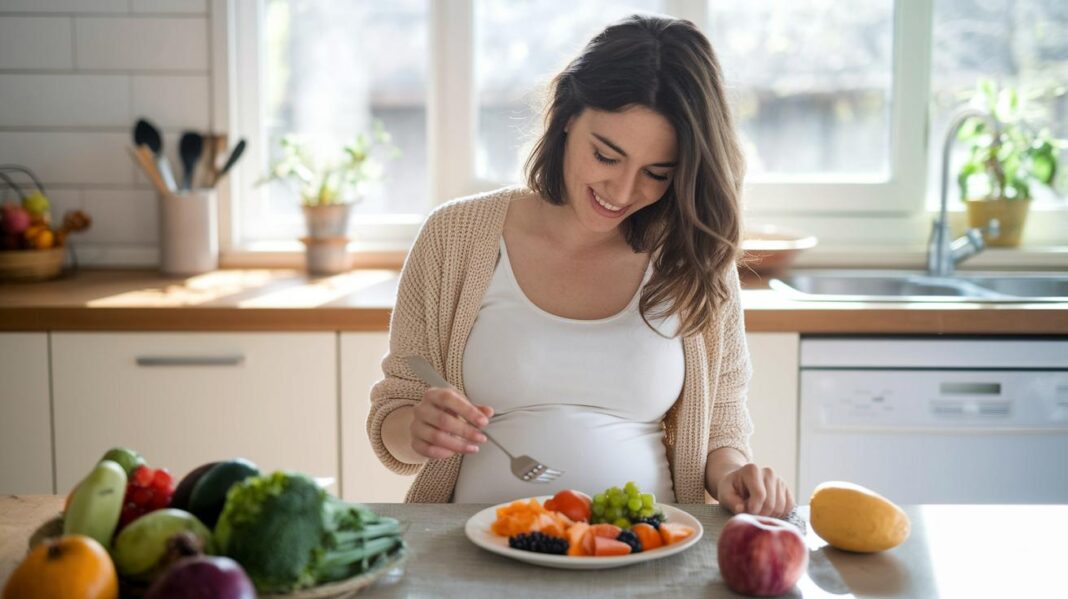
Ever thought about how your daily meals might shape your pregnancy journey? Balanced dishes fuel your energy and help your baby grow day by day. Today, we're excited to share fun and safe meal ideas that make healthy eating feel like a natural part of your routine. We also break food groups into simple steps so you can easily add the extra calories you need. Stick with us for practical tips that make you feel great throughout your pregnancy and set the foundation for a joyful, healthy start for your little one.
Comprehensive Nutritional Overview for Pregnant Women
Pregnancy is a special time when your body needs a bit more energy. Most moms-to-be need an extra 300 calories each day or about 600 calories if you're expecting twins. Even an extra snack or two can help you feel more energetic and keep you feeling great all day.
A mindful, balanced diet helps support both your energy and your baby’s growth. Aim to include foods from different groups. Here's a simple guide to what you might enjoy each day:
| Food Group | Suggested Servings |
|---|---|
| Breads and grains | 6–11 servings |
| Fruit | 2–4 servings |
| Vegetables | At least 4 servings |
| Dairy | 4 servings |
| Protein (meat, poultry, fish, eggs, or nuts) | 3 servings |
Whole-grain breads provide complex carbohydrates for lasting energy and fiber to help with digestion. Fresh fruits and veggies offer loads of vitamins and minerals to keep you feeling your best. Dairy not only brings protein into your diet but also gives you the calcium needed for strong bones and teeth, for both you and your baby.
It’s a good idea to save high-fat and sugary foods for occasional treats rather than everyday meals. And steer clear of alcohol, as it can lead to problems like premature delivery or birth defects.
Taking these steps helps you build a solid, healthy foundation. With a balanced diet, you’re setting the stage for a strong, happy pregnancy for both you and your growing baby.
Essential Pregnancy Nutrients and Supplements in Healthy Eating

Calcium is key during pregnancy because it builds strong bones and teeth while helping your body with blood clotting, muscle movements, and even nerve signals. Think of it like the building blocks your baby needs. A splash of milk in your morning cereal is a great and simple way to give your body the extra support it deserves, and it might help keep your blood pressure in check too.
Iron is just as important. In the later stages of pregnancy, you need about 27 mg each day to help form hemoglobin, which carries oxygen all through your body. Ever notice how a bit of vitamin C can boost iron absorption? Pairing foods like spinach with a squeeze of fresh lemon or enjoying a bowl of oranges can make every bite work better for you.
DHA, a type of omega-3 fatty acid, is essential for your baby’s brain and eye growth. It might even help lower heart problems later on. Meanwhile, choline plays a big part in brain development, helps prevent neural tube issues, and supports bone health along with blood pressure. Picture these nutrients as a reliable team that works together to keep both you and your baby healthy and happy.
Crafting a Balanced Meal Plan for Pregnancy
Let’s start by planning meals that include whole grains, lean proteins, fruits, vegetables, and dairy. Whole grains like oats or quinoa offer steady energy and fiber to help your digestion work smoothly. Imagine starting your day with a warm bowl of oatmeal topped with fresh, sliced bananas, it’s a simple way to fuel your morning.
Building a meal plan can be enjoyable when you center it around foods you know and love. Try to include a lean protein at each meal. For breakfast, think eggs; for lunch, a turkey sandwich; and for dinner, perhaps a hearty serving of lentils if you prefer vegetarian options. Even on a vegetarian diet, mixing in proteins like tofu, beans, or nuts with whole grains can give you the energy you need.
A weekly meal planner can be a handy tool in keeping your eating on track. For example, consider this simple plan:
| Meal | Examples |
|---|---|
| Breakfast | Oatmeal with fruit and a side of Greek yogurt |
| Lunch | Whole-grain wrap with lean protein and fresh veggies |
| Dinner | Grilled fish or tofu paired with quinoa and steamed vegetables |
| Snack | Apple slices and a little nut butter |
Low-carb diets like Atkins or keto are not recommended since they might not give you enough energy or fiber. Instead, you could check out this healthy eating plan (https://healthlystats.com?p=) to make sure your meals are both vibrant and safe during your pregnancy.
Top Pregnancy-Friendly Foods and Snack Ideas
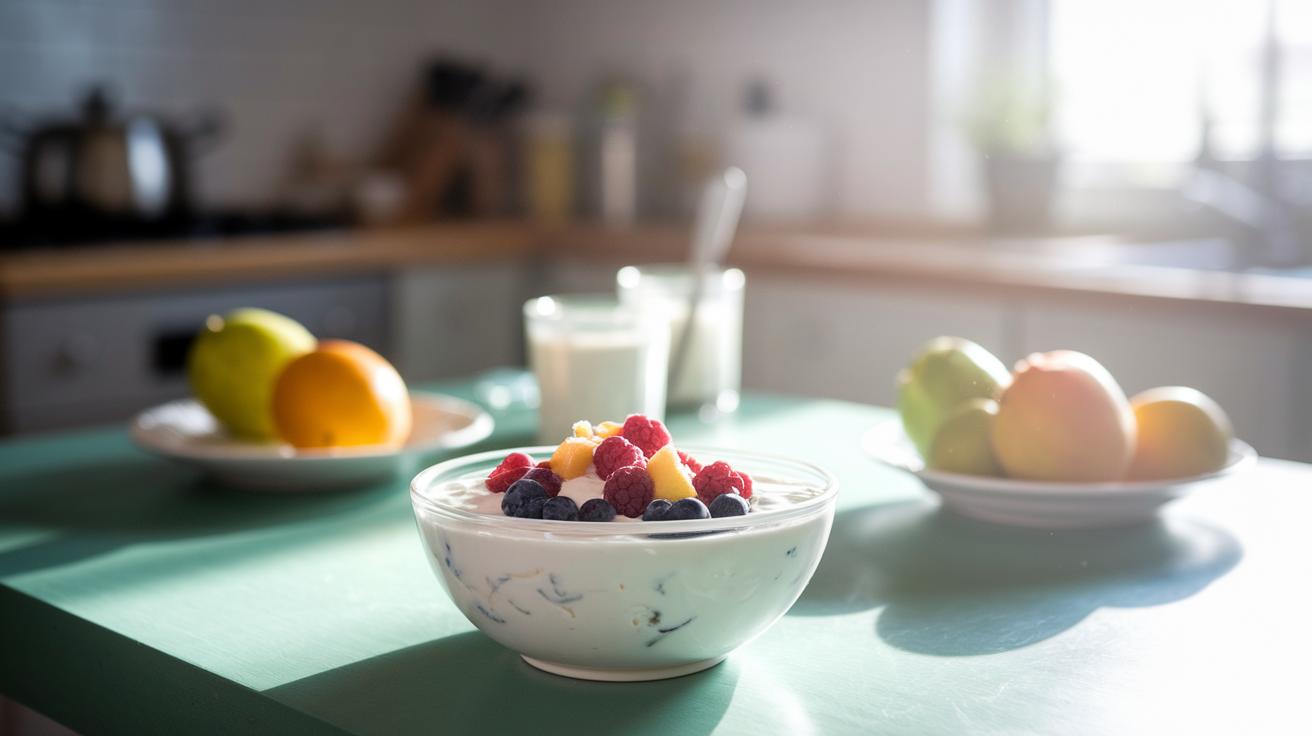
Pregnancy is a time for nourishing meals that give you energy and plenty of nutrients. Dairy products like milk, yogurt, and cheese are perfect for adding extra protein and calcium to build strong bones. Picture starting your morning with a bowl of low-fat yogurt topped with fresh fruit. It’s a comforting and healthy treat!
Legumes, like lentils and beans, are excellent sources of protein, fiber, and essential vitamins and minerals. Next, try a warm bowl of lentil soup or a colorful salad tossed with black beans and chickpeas. And don’t forget sweet potatoes, they’re packed with beta-carotene (which your body turns into vitamin A to support your baby’s growth). A small scoop of mashed sweet potatoes dusted with a bit of cinnamon feels just like home.
Salmon is a smart pick too. It offers healthy fats called EPA and DHA that help your baby’s brain and eyes develop. A smoked salmon bagel with a light spread of cream cheese makes a yummy, quick snack. Eggs are also great, bringing along protein and key nutrients. Whip up a simple egg salad or a veggie-packed omelet to kick off your day.
Add dark leafy greens like broccoli, kale, and spinach for a boost of vitamins and minerals that keep you strong. Fresh berries give you vitamin C, fiber, and antioxidants, imagine tossing a handful of blueberries over your favorite whole-grain cereal. Whole grains such as oats, quinoa, or brown rice provide fiber and B-vitamins too. Avocado adds a creamy texture with healthy fats, and dried fruit gives you a bite-size hit of fiber and vitamins.
Some other great choices to mix into your day include:
- Nuts
- Low-fat yogurt
- Whole-grain crackers
Enjoy these options to create vibrant, safe meal ideas that support you and your baby every day!
Pregnancy Diet Guidelines: Foods and Habits to Avoid
Choosing safe foods is super important for you and your baby. It’s best to avoid alcohol completely since even a little bit can lead to problems like lower birth weight or birth defects. Swapping your cocktail for a calming cup of herbal tea creates a healthier space for your little one to grow.
Try not to rely on high-fat or sugary foods too often. That sweet treat might be tempting, but too many can upset your nutritional balance. Enjoy a small dessert now and then, but focus on eating foods rich in vitamins and minerals most of the time.
It’s a good idea to steer clear of weight loss plans or strict diets while you’re pregnant. This isn’t the time to cut calories because both you and your baby need plenty of nutrients. Also, be sure to avoid raw or undercooked meats, fish that might be high in mercury, and unpasteurized dairy products. Cutting back on caffeine can also help you feel more relaxed and reduce any jittery feelings. Following these simple tips creates a steady, safe eating routine that supports your health and your baby’s growth.
Skipping these risky options helps build a strong foundation for a healthy pregnancy every day.
Managing Pregnancy Symptoms Through Diet

If you’re feeling nauseous in the morning, try having small meals more often. Plain foods like crackers, toast, or rice cakes can help settle your stomach. It’s a small change that can make a big difference, kind of like that surprising story of Marie Curie, who once carried test tubes with dangerous substances in her pockets before she knew better. While that story isn’t a direct health tip, it reminds us that even tiny choices count.
Constipation can be a real bother, too. Adding more fiber from whole grains and fresh veggies into your meals can help keep things moving. A piece of fruit or a bowl of oatmeal in the morning might do the trick, and don't forget to drink plenty of water along with these foods to support your digestion.
When diarrhea strikes, you might try the BRAT diet, bananas, rice, applesauce, toast, which gently helps your digestive system find balance. Eating small, frequent portions can relieve stress on your stomach without overwhelming it.
Sometimes, you might notice odd cravings during pregnancy, even for things that aren’t food. This is known as pica. A little infrequent craving is normal and might give you a needed boost of energy, but if these non-food cravings stick around, it might mean your body needs extra nutrients. Trust your body’s signals and choose foods that keep you feeling your best.
Trimester-Specific Healthy Eating for Pregnancy
In the first trimester, try sticking to simple meals to help ease nausea. Small, plain bites, like a piece of toast or a bowl of plain rice, can really soothe your stomach. And drinking water or clear broth throughout the day can make a big difference. Sometimes all you need is a few gentle bites and a glass of water to bring back that calm feeling.
In the second trimester, your body asks for extra energy as you gain weight steadily. This is the perfect time to enjoy complex carbohydrates such as whole grains, fruits, and veggies. Picture a warm bowl of whole-grain pasta topped with a fresh tomato sauce. It’s comforting and gives you lasting energy. Plus, pairing these foods with lean protein helps keep your blood sugar stable and your energy levels high.
By the third trimester, your nutrient needs go up even more, and your blood volume might increase by nearly 48%. At this stage, focusing on iron and calcium is key for both your health and your baby’s growth. Imagine starting your day with a glass of milk and a serving of leafy greens, a simple way to build strong bones and support muscle and nerve functions. Adding iron-rich foods like lean meat or legumes along with vitamin C sources makes every meal even more beneficial.
Hydration and Safe Food Practices in Healthy Pregnancy Eating
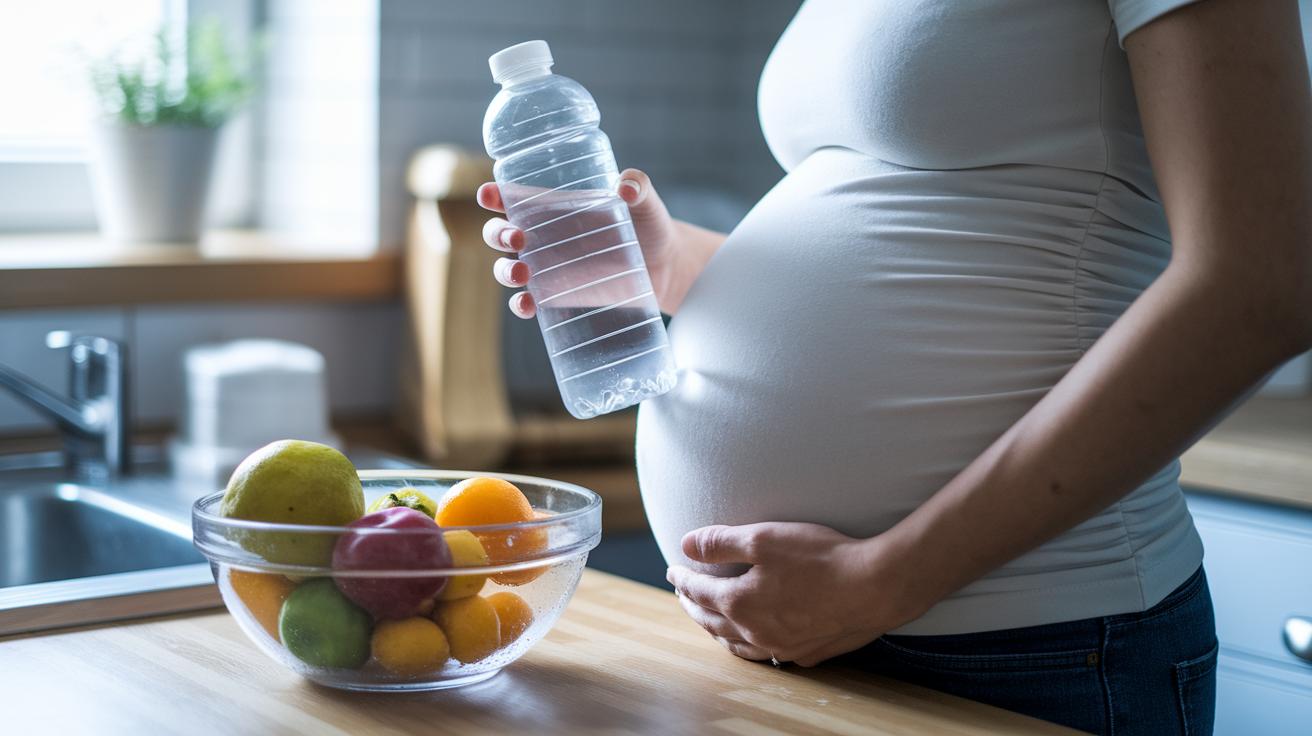
Pregnancy brings many changes, and staying hydrated is one of the easiest ways to keep up with your body. Your blood volume can increase by nearly half, so drinking water throughout the day isn’t just a good idea, it’s essential. Imagine starting your day with a big glass of water paired with a light snack. It’s a small step that supports you and your baby right from the morning.
Food safety also plays a big role in a healthy pregnancy. Always give fruits and vegetables a good rinse under running water to remove any germs you don’t need. When you cook meats, make sure they’re hot all the way through. Think of it like this: before serving dinner, you carefully wash your greens and double-check that your chicken is fully cooked.
Here are a few friendly reminders:
- Carry a water bottle to help you keep track of your daily water intake.
- Rinse fruits and veggies well before eating.
- Cook meats until they reach the right safe temperature.
- If lactose is tricky for you, try other calcium-rich foods or chat with your doctor about supplements.
These habits not only ensure your food is safe but also help create a caring, healthy space for both you and your baby.
Final Words
In the action, our guide highlighted daily meal targets, nutrient musts, and snack ideas, setting up balanced meal plans that cover every trimester. We explored key vitamins, safe food choices, and practical tips to ease symptoms while staying hydrated. Each section offered clear advice and simple steps to support healthy eating for pregnancy. This real-world approach means you can confidently manage daily routines and make choices that keep both mother and baby feeling their best. Keep striving for a vibrant daily routine and clear goals ahead.
FAQ
What does a 1 to 3 month pregnancy diet chart guide?
A 1 to 3 month pregnancy diet chart guides early moms to enjoy balanced, small, frequent meals with fruits, veggies, whole grains, lean proteins, and dairy to support early fetal growth.
Where can I get a healthy eating for pregnancy PDF?
A healthy eating for pregnancy PDF typically offers week-by-week meal ideas, nutrient tips, and portion guidance. Look for trusted health sites or ask your care provider for reliable resources.
How does healthy eating for pregnancy vary week by week and by trimester?
Healthy eating during pregnancy changes with each trimester. Early on, focus on small, bland meals to ease nausea; later, boost nutrients like iron and calcium to meet growing needs.
What foods should pregnant women avoid during pregnancy?
Pregnant women should avoid alcohol, raw or undercooked meats, fish high in mercury, and unpasteurized dairy. Steering clear of high-fat and sugary foods can also help maintain a balanced diet.
What should a pregnant woman eat daily for health and a beautiful baby?
A pregnant woman should eat a varied, balanced diet that includes extra calories from whole grains, lean proteins, fruits, vegetables, and dairy. Adding key supplements like iron, calcium, and vitamin C supports overall wellness.

