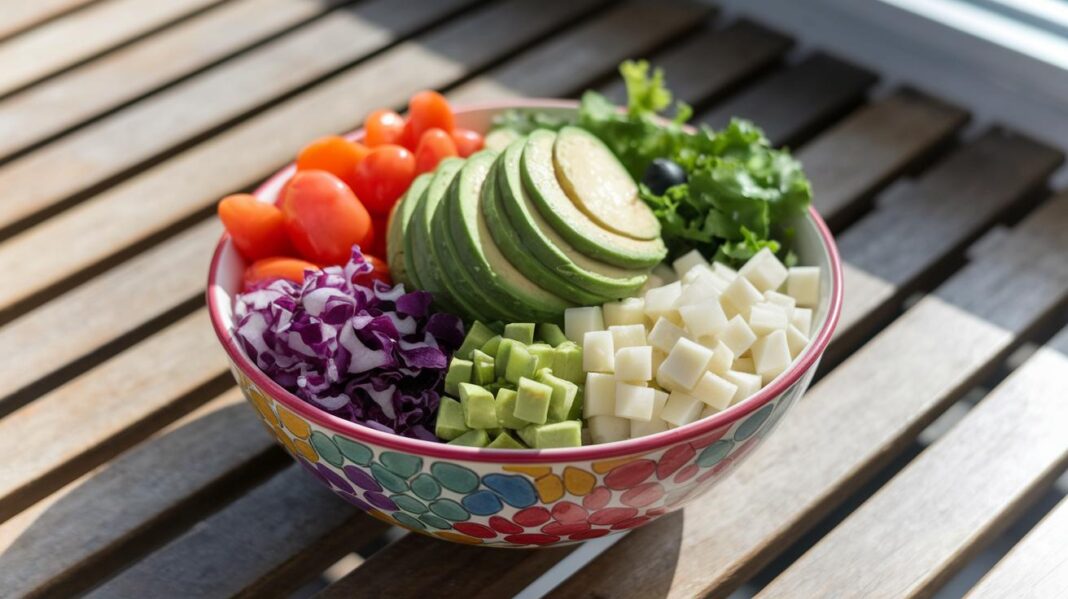
Have you ever noticed how the right meal plan can help you lose weight and give you energy? A balanced meal plan works in every bite.
Instead of slashing calories in extreme ways, try aiming for about 1,500 calories a day. This plan includes a mix of proteins, carbs, and fats so you can slowly burn fat without feeling deprived.
When you focus on whole foods like leafy greens, yogurt, and grains, you pack in vitamins and keep those pesky cravings at bay. It’s like giving your body the fuel it needs for little wins every day.
This guide shows how a mindful meal plan can refresh your daily routine and make weight loss feel natural and achievable.
Meal Plan Essentials: Healthy Eating Fundamentals for Weight Loss
Starting off, understanding that burning more energy than you consume is key to shedding pounds. You might think that eating only 1,200 calories will speed things up, but for most people, that's too strict and hard to maintain. Instead, a plan of around 1,500 calories might work better because it lets your body slowly burn fat while keeping you fueled. So, work out how many calories you need and aim for a level that targets fat loss, not just a lower number on the scale.
Choosing whole foods that aren’t heavily processed, think spinach, quinoa, or Greek yogurt, helps you feel full and gives your body the nutrients it needs. When you eat these kinds of foods, you're naturally loading up on vitamins and minerals instead of empty calories. Plus, fresh ingredients help keep your energy steady and curb cravings for junk, making it easier to stick with your meal plan.
Another tip is to balance protein, carbs, and healthy fats. This mix supports steady fat loss while keeping you satisfied and energized. If you watch your portion sizes and enjoy a variety of natural ingredients, you'll create an eating plan that works in sync with your body’s natural rhythm. Really, it’s a smart, satisfying way to live healthier every day.
Building Your Meal Plan: Balanced Eating Strategy with Calorie-Smart Menus
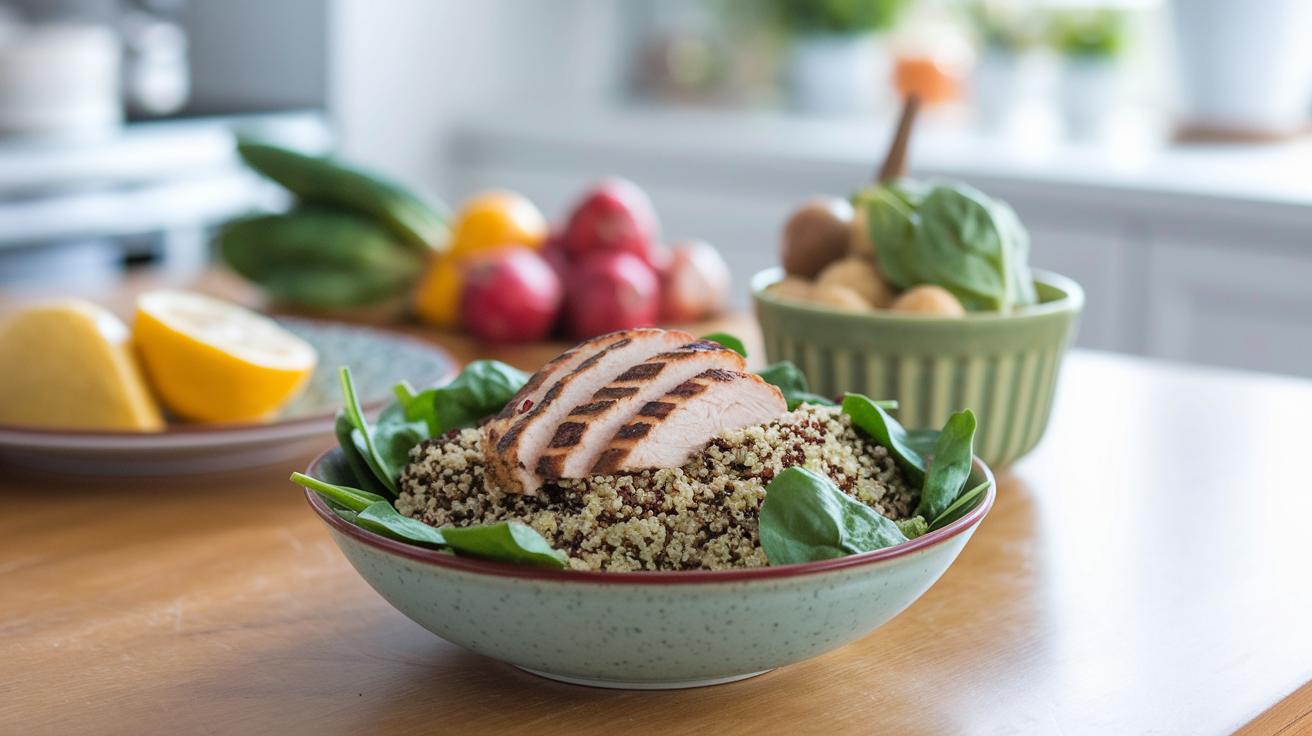
When planning your meals, set clear daily goals for your body’s needs. Try to hit targets like 67 to 98 grams of protein, 111 to 172 grams of carbs, and 62 to 94 grams of fat each day. Also, aim for about 30 to 45 grams of fiber and 811 to 1,932 mg of sodium. Keeping extra sugars and processed foods low is really important. For instance, swapping in whole foods like 2 cups of spinach, 1 cup of plain Greek yogurt, or ½ cup of raw oats helps pack in good nutrients while keeping extra calories at bay. Many athletes are now choosing whole grains over refined ones because they help keep energy levels steady and concentration clear.
Build your meals using simple and trustworthy blocks: vegetables, lean proteins, and whole grains. Imagine starting your morning with a warm bowl of oatmeal full of sliced almonds and berries, it's a great way to kickstart your day. Or think about a meal later on with a fresh salad of spinach, grilled chicken, and quinoa. Vegetables bring fiber and vitamins, lean proteins support muscle strength, and whole grains provide long-lasting energy. This easy balance makes tracking portions simpler, so you get to enjoy delicious meals while staying smart about calories. In truth, this meal plan not only fuels your day but also supports a lively, energetic lifestyle that works with your weight loss goals.
7-Day Low-Calorie Meal Plan Schedule for Weight Loss
Take a look at this sample 7-day meal plan that uses low-calorie options to help you lose weight slowly while still keeping meals satisfying. Every day includes four meals, breakfast, a mid-morning snack, lunch, and dinner, to keep your energy levels steady. For example, enjoying egg and avocado toast in the morning gives you protein and good fats, while a peanut butter and banana toast offers a quick burst of energy.
They set the calories with care: breakfast comes in around 285 to 324 calories, lunch is between 337 and 518 calories, and dinner ranges from 380 to 595 calories. Think of this guide as a way to manage your calorie budget while letting you adjust portions to fit your needs.
| Day | Breakfast (cal) | Snack (cal) | Lunch (cal) | Dinner (cal) |
|---|---|---|---|---|
| Day 1 | 290 | 100 | 350 | 400 |
| Day 2 | 300 | 110 | 370 | 420 |
| Day 3 | 315 | 95 | 400 | 450 |
| Day 4 | 320 | 105 | 380 | 460 |
| Day 5 | 285 | 120 | 410 | 480 |
| Day 6 | 324 | 100 | 518 | 595 |
| Day 7 | 310 | 115 | 390 | 430 |
Looking over this detailed schedule, you can see how everyday foods create both variety and structure for your weight loss journey. The clear breakdown of calories makes it easier to manage your portions, and the roughly 100-calorie snacks help keep hunger at bay between meals without pushing you over your daily limit.
It’s a flexible plan too. You can swap a breakfast item for a different fruit or trade the mid-morning snack for a handful of nuts, and you’ll still stay within the calorie guidelines. The focus is on balance, giving you lean proteins, whole grains, and a colorful mix of vegetables.
This approach encourages you to care about the quality of your food instead of just counting calories. Sticking to a routine like this can reduce the stress of daily meal decisions, letting you enjoy tasty dishes that support your health goals. So, feel free to experiment with new recipes and take pleasure in matching your meals to your lifestyle. Over time, healthy eating and portion control will naturally become part of your everyday habits.
Grocery Essentials for Your Lean Living Meal Plan
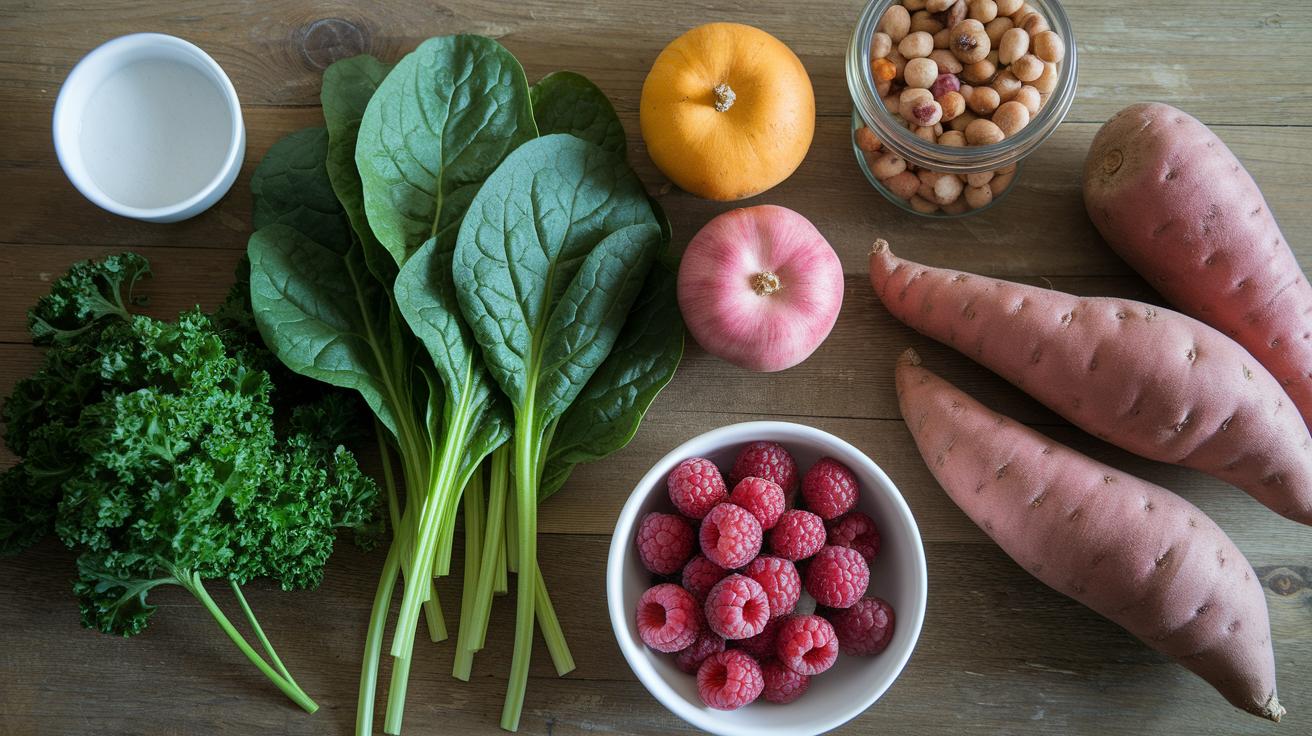
Keep your shopping list simple and budget-friendly by picking up a few key ingredients that make healthy meals easy. When you stick with these basics, you cut down on waste and save money. A meal planner for healthy eating (https://healthlystats.com?p=28) helps keep your shopping organized and stress-free, so you always have what you need for nutritious recipes.
- 2 cups (60 g) spinach
- ½ cup (40 g) oats
- 1 cup (240 ml) unsweetened almond milk
- 5 oz (140 g) cod
- 3 oz (84 g) ground turkey
- 1 cup (240 g) black beans
- Fresh berries
- Plain Greek yogurt
- Quinoa
- Chicken breast
- Broccoli florets
- Sweet potatoes
Filling your pantry with these staples gives you a flexible base for all kinds of meals, from a filling main dish to a light, refreshing salad. This lineup is perfect for anyone on a lean living meal plan, keeping your budget intact while you enjoy tasty meals. Embrace these affordable ingredients and make healthy cooking both simple and fun!
Meal Plan Adjustments for Dietary Needs and Natural Fat Decrease
Changing your meal plan to suit different dietary needs is easier than you might think. If you're looking for more energy, why not try a 2,000 calorie option that still promotes natural fat loss? You can experiment with Mediterranean, Anti-Inflammatory, or High-Protein styles, especially if you love plant-powered meals. Imagine swapping a meat-based dinner for a veggie-packed dish with fresh greens, or choosing gluten-free grains if wheat isn’t your thing. And for those sensitive to dairy, non-dairy alternatives like almond milk and coconut yogurt can be great options. Recent advice even suggests moving away from a 1,200 calorie plan in favor of a more balanced, higher calorie approach.
You don’t have to give up balance when adjusting your meal plan. In fact, you can still enjoy a menu designed for natural fat loss while meeting your specific needs. Try a gluten-free approach with quinoa or brown rice instead of refined grains. A plant-powered plan can include protein-packed lentils or chickpeas, while lactose-free ingredients help keep your recipes creamy and delicious. These simple swaps make it easy to stay on track with your health goals without sacrificing flavor or nutrition.
Portion Control and Progress Tracking in Your Meal Plan
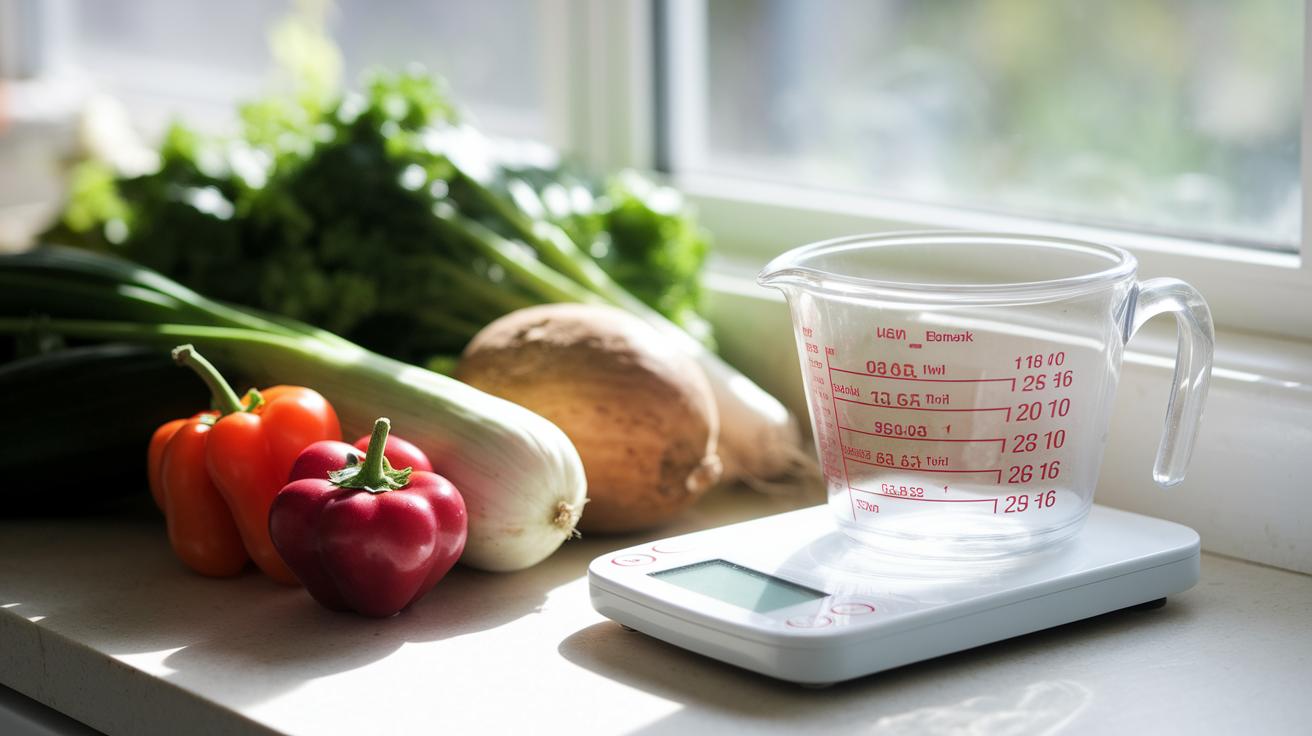
Measuring your food accurately is the first step in keeping your calories in check and fueling your body the right way. When you use common kitchen tools like measuring cups and digital scales, it becomes simple to dish out 1 cup of veggies or 4 ounces of lean protein. This method takes the guesswork out of eating and stops hidden calories from sneaking into your meals. With each measured serving, you’re more likely to hit your nutrition goals. These handy tools help you stick to your planned servings and build a consistent meal routine.
Keeping track of what you eat each day is just as important. Using a trusted app to log your calories and macronutrients (like proteins, fats, and carbs) means you’re always aware of your food intake. After you finish a meal, spend a few moments noting down what you had and checking it against your plan. This lets you see if you’re missing the mark and adjust as needed. And remember, focus on the little wins, like changes in your body’s fat or muscle levels, rather than just the number on the scale. Sticking to a daily tracking habit is a smart way to stay on the long road to success in your meal plan.
Meal Prep Strategies for a Sustainable Fat-Reduction Meal Plan
Planning your meals ahead of time can make healthy eating a breeze. When you set aside one day a week to prepare your food, it lightens the daily load of decisions and keeps your dishes aligned with your fat-reduction goals. For instance, you might create a big batch of Brussels Sprouts Salad with Crunchy Chickpeas or whip up Spicy Slaw Bowls with Shrimp & Edamame for quick, nutritious meals later on. Imagine prepping a colorful mix of vegetables or dividing proteins like chicken and shrimp into ready-to-go portions. Even assembling plenty of Spinach & Strawberry Meal-Prep Salads or Chicken Caprese Pasta Salad can free up time on busy days, leaving you more moments to enjoy antioxidant-rich foods (learn more about superfoods here or explore spirulina health benefits).
A clear, step-by-step schedule is key to staying on track with your meal plan. First, jot down the meals you want this week and gather all your recipes. Then, set aside a few hours to chop, cook, and store your ingredients in clear, airtight containers so you can simply reheat or assemble them when needed. Organize your prep by meal type, breakfast, lunch, dinner, and snacks, so everything is easy to find. This method cuts down on last-minute rushes and makes sure your portions are balanced, keeping your energy steady and your diet lively.
Final Words
In the action, this article breaks down the essentials of smart, calorie-conscious menus. It covers setting an energy deficit, choosing whole foods for lasting fullness, and planning balanced meals to support healthy habits.
We wrapped up tips on portion control, shopping essentials, and meal prep strategies. Follow a healthy eating meal plan for weight loss to make each day a step toward better well-being.
FAQ
Q: What free healthy eating meal plan PDFs are available for weight loss?
A: Free healthy eating meal plan PDFs offer detailed meal schedules, grocery lists, and calorie guidelines that help you follow a structured, balanced plan for weight loss using nutrient-rich foods.
Q: What meal plan options exist for female weight loss beginners?
A: Meal plans for weight loss aimed at women include options like 7-day and 30-day schedules that feature balanced nutrients, portion-controlled recipes, and calorie guidelines to make starting out easier.
Q: What is the healthiest meal or diet plan for losing weight?
A: The healthiest meal or diet plan prioritizes whole, minimally processed foods with balanced macronutrients and controlled calories, which supports satiety and sustainable fat loss.
Q: What does the 30/30/30 rule for weight loss mean?
A: The 30/30/30 rule for weight loss means structuring your diet with 30% protein, 30% healthy fats, and 30% carbohydrates to stabilize energy and support effective fat reduction.
Q: How does a meal plan help to lose 20 pounds in 2 weeks?
A: A meal plan designed for losing 20 pounds in 2 weeks focuses on a strict calorie deficit and nutrient-dense foods. Though ambitious, such rapid loss should be approached carefully and ideally under professional advice.

