
Ever wonder if missing an early warning could have serious consequences? Today, smart companies are turning piles of patient data into clear signals right away. Instead of waiting for monthly reports, simple math and fast computer tools help doctors spot problems as they happen. With the market growing fast, from billions in 2022 to even more in 2027, these trusted tools are making care quicker, safer, and more efficient for hospitals everywhere.
Healthcare Analytics Companies: Smart, Trusted Solutions
Healthcare analytics companies use smart math and computer techniques to dig into patient records and reveal hidden trends. They pull together large amounts of patient data to help predict outcomes and guide care decisions. In the old days, hospitals relied on monthly reports that could miss important early warning signs. Now, with real-time updates, doctors can quickly catch red flags.
The market for these tools is booming, with forecasts climbing from USD 27.4 billion in 2022 to USD 85.9 billion by 2027. Instead of static charts, hospitals now tap into dynamic, immediate insights that change how they work, cutting down delays and making patient care smoother.
These companies are key in turning digital ideas into everyday practice in healthcare. They offer clear, actionable insights that improve patient outcomes and boost efficiency. Picture a hospital making the leap from slow, outdated reports to instant alerts, a nurse, for example, gets a quick warning about a sudden change in a patient’s condition, helping the team act fast, and maybe even save a life. This proactive approach not only enhances care quality but builds smarter, more trusted healthcare management overall.
Core Services Offered by Healthcare Analytics Companies
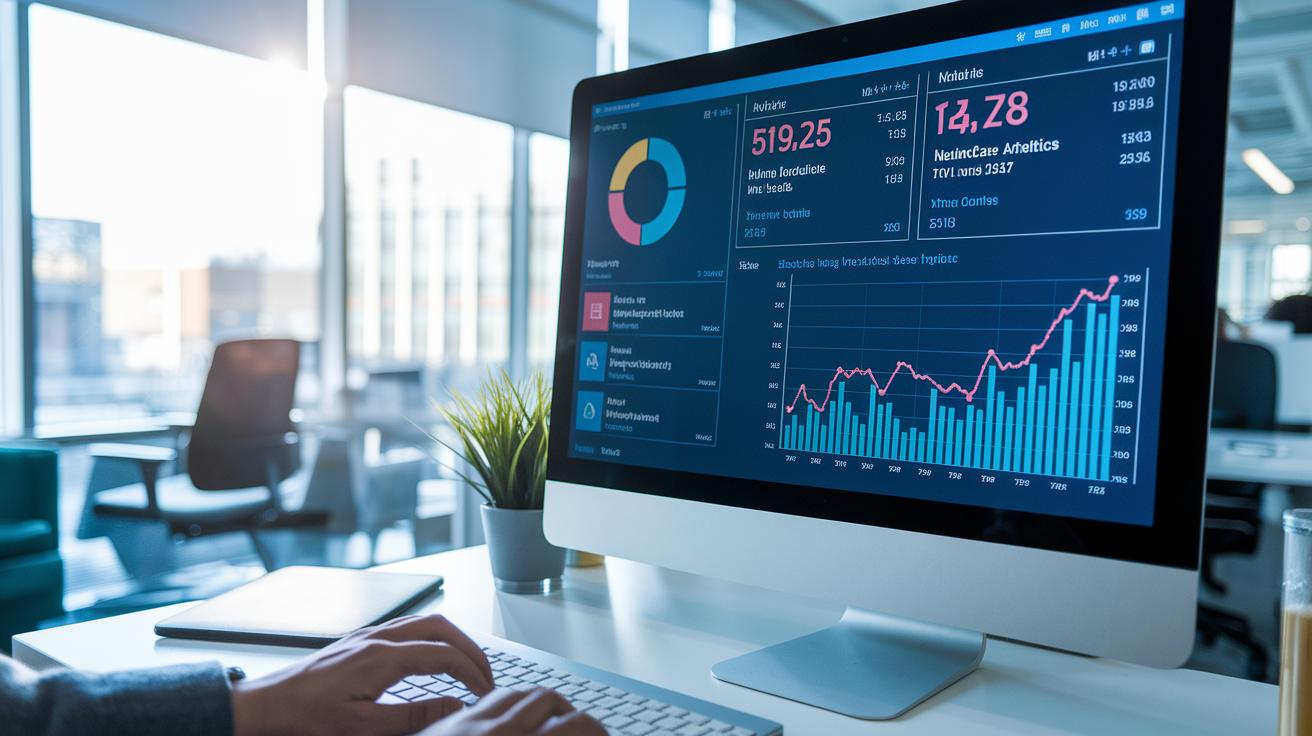
Healthcare analytics companies help turn raw data into clear, useful insights. They swap out old, static dashboards for smart platforms that update in real time. This means they can quickly spot high-risk patients and work to cut down on readmissions. In simple terms, they use new algorithms and data about patients to give care teams fast, helpful information.
These companies also blend the strength of AI with trusted clinical practices to improve decisions. They use tools like predictive modeling (a way to guess what might happen next) and AI-powered health data integration to help doctors and nurses plan better and manage their work more easily.
- Real-time risk assessments and alerts
- Forecasting for readmission and resource use
- AI-based EHR integration for smooth data flow
- Analytics for population health and chronic diseases
- Smart clinical decision support systems
- Cloud tools for managing and reporting medical records
By bringing all these services together, analytics companies empower hospitals and clinics to stay on top of potential problems and offer improved care. With tools that check patient conditions every minute, care teams receive quick, clear signals they need for fast decisions. This mix of data and hands-on expertise closes the gap between too much information and smart, life-improving action, paving the way for healthcare that feels both reliable and forward-thinking.
Comparing Industry Leaders in Healthcare Analytics Companies
Top healthcare analytics companies are changing the game by turning hospital data into smarter solutions. They mix cool tech with strong clinical know-how to make everyday health care better. These leaders work on everything from smoothing out patient paths with smart data tools to managing both finances and care. Really, they’re not just making small tweaks, they’re reshaping how we use data in medicine.
Take a look at the table below that shows six key players and what makes them stand out:
| Company | Founded | Key Strengths |
|---|---|---|
| Innovaccer | 2025 | Connects data to improve the patient journey |
| Optum Analytics | 2011 | Blends finance, clinical care, and medication management with smart planning |
| IBM Watson Health | N/A | Uses Watson Discovery Advisor, Oncology, Clinical Trial Matching, and more via IBM Bluemix Cloud |
| SAS | 1976 | Focuses on predictive modeling, AI, and image analytics to reduce readmissions and spot fraud |
| McKesson | N/A | Specializes in pharmaceutical supply chain, clinical decision support, and boosting operational efficiency |
| Oracle Healthcare Foundation | N/A | Delivers fast, unified patient solutions and smooth data sharing between systems |
Each of these companies shows how mixing technology with clinical insights can help hospitals and clinics make smarter choices. Whether it’s through advanced prediction tools or streamlined processes, they prove that a thoughtful combo of tech and medical expertise can drive powerful changes in health care.
Case Studies and Performance Metrics from Leading Healthcare Analytics Companies

SG Analytics Case Study
SG Analytics has built a team of over 700 experts with close to 20 years of experience in healthcare and life sciences. They focus on custom data integration, reporting, and even predicting future trends. One client, for example, now receives updates in minutes instead of hours, making it much easier to take quick action. Their careful work not only speeds up reports but also improves the accuracy of predicting patient risks. In simple terms, they help flag potential health issues faster and build trust by showing that real-time data really works.
Health Catalyst Case Study
Health Catalyst uses a platform powered by machine learning to bring all your healthcare data together smoothly. Their approach is all about cutting costs while boosting care quality. In one project, they removed extra data processing steps, which meant big savings and quicker insights into outcomes. This clear method helps teams compare performance easily and shows real, measurable gains in both resource use and cost savings. Simply put, their innovative tools help healthcare providers deliver better care while keeping expenses in check.
Managing Compliance and Data Security with Healthcare Analytics Companies
Healthcare analytics companies are dedicated to keeping your health information safe by following strict data rules. They create solid, step-by-step plans to handle electronic health records securely. This means every staff member knows exactly how to share and store data safely, cutting down the risk of unauthorized access. They run regular audits, watch over data flows, and hold training sessions to make sure patient privacy stays protected even when data moves fast.
On the tech side, these companies use smart tools to secure your data around the clock. They have real-time data pipelines that use encryption (a way to scramble information so only the right people can read it) and secure access controls. These systems keep an eye on electronic records and quickly highlight any unusual activity. With these HIPAA-complaint technologies in place, healthcare providers can blend and study data safely while keeping your personal details confidential.
Emerging Trends Shaping Future Healthcare Analytics Companies
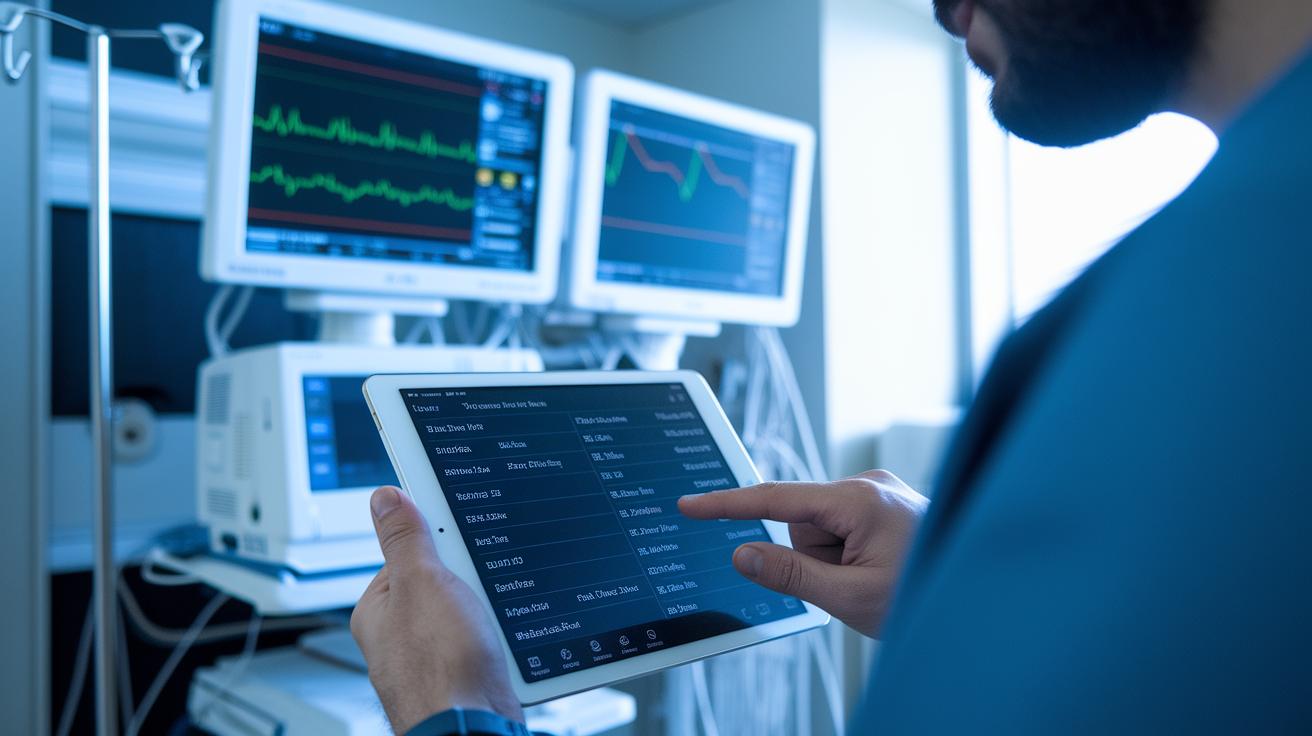
By 2025, analytics partners will work easily with different systems, making it simple to link electronic records, sensors, and wearable devices. This smooth sharing of data helps hospitals get timely updates, so care teams can make quick, life-changing decisions. Imagine a system that connects various devices to alert doctors when a patient’s condition shifts.
Companies are also turning to AI-native systems that speed up clinical decision making. These smart platforms use machine learning (a way for computers to learn from data) to predict patient risks and suggest care changes instantly. It’s like having a clever assistant that reviews patient information from different areas, helping doctors choose the best treatment in a flash.
Cloud-based intelligence platforms are on the rise too. With more IoT devices and growing data volumes, these platforms let hospitals store, process, and access information instantly. This digital approach turns raw numbers into clear insights, guiding healthcare professionals to take actions that really make a difference.
Final Words
In the action, healthcare analytics companies show how tech transforms patient care by providing real-time insights and data-driven decision-making.
They simplify monitoring key health metrics and support daily routines, making informed lifestyle choices easier. Real-world examples illustrate how better tracking leads to improved care and outcomes. With these advancements, there's plenty to be optimistic about as healthcare analytics companies drive better health management and enhanced daily vitality.
FAQ
What is a healthcare analytics company?
A healthcare analytics company uses statistical methods and machine learning to analyze health data from electronic records and other sources, helping improve patient care and streamline operations.
What are the four types of data analytics in healthcare?
The four types of data analytics in healthcare are descriptive, diagnostic, predictive, and prescriptive. Each type provides insights that help shape better clinical and operational decisions.
What are the top five healthcare analytics companies?
The top companies in healthcare analytics include brands like Health Catalyst, Definitive Healthcare, IBM Watson Health, Optum Analytics, and IQVIA, known for advancing data-driven patient care.
What is IQVIA known for in the healthcare industry?
IQVIA is known for blending advanced analytics with extensive healthcare data to support clinical research and operational improvements, significantly influencing patient care and provider strategies.
Where can I find healthcare analytics companies in the USA, particularly near California and Texas?
Healthcare analytics companies operate across the USA, with prominent players in states like California and Texas, offering real-time data insights, predictive modeling, and improved healthcare management.
Which healthcare analytics startups are gaining recognition?
Leading healthcare analytics startups are emerging with innovative AI-driven solutions that complement established firms by addressing niche market needs and advancing digital transformation in healthcare.
What does Health Catalyst specialize in?
Health Catalyst specializes in machine learning–driven platforms that integrate varied health data, enhancing cost efficiency and clinical outcomes while streamlining data management across healthcare systems.
What is Definitive Healthcare known for?
Definitive Healthcare is known for delivering detailed insights on hospitals and healthcare providers, which assist organizations in understanding market trends and making data-driven strategic decisions.
How do healthcare analytics companies impact the market?
Healthcare analytics companies impact the market by transforming static data into real-time insights, supporting proactive decision making and operational improvements that lead to better patient outcomes.

