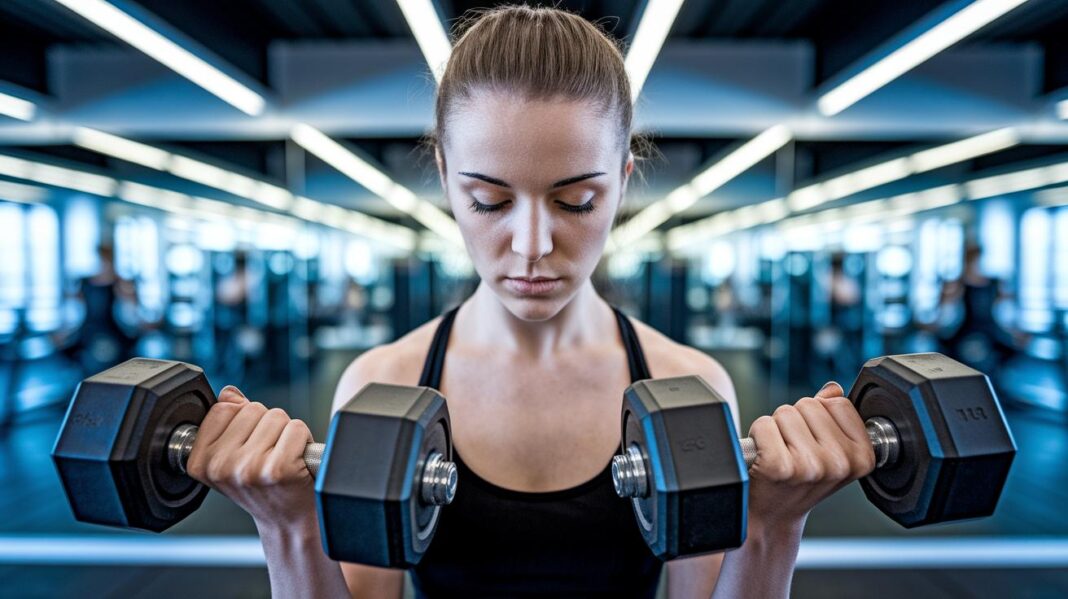
Have you ever thought a small pair of dumbbells tucked away could really boost your strength? Even basic weights can spark amazing changes in your body.
In this post, we share three easy moves that you can do right in your living room. Each exercise works a different part of your body, giving you a full workout with clear benefits.
Grab your dumbbells, push your limits, and enjoy a home workout that helps you feel stronger every day.
3 dumbbell strength training moves to empower you
Dumbbell workouts let you build muscle right in your own home. Imagine this: even a simple pair of dumbbells hidden under your sofa can transform your living space into a mini gym. Try to do 6 to 8 reps for each set until your muscles feel the burn. Every move you make helps you build strength, so focus on doing each rep with care.
-
Dumbbell Clean and Press
This move really fires up your shoulders, back, biceps, and legs in one smooth, powerful motion. You start with a squat and then push upward into an overhead press. If the weight feels too heavy, try doing it one-handed to keep your form strong. Think of it as a full-body workout that mixes lower and upper body strength, in one move, you get a lot done. -
Dumbbell Goblet Lunge
Here, you're blending the benefits of squats and lunges. Hold the dumbbell close to your chest while you make a forward lunge and keep your knee safely behind your toe. This simple step boosts your balance and builds up your quads and glutes. Picture yourself stepping confidently along a path that makes each rep count. -
Dumbbell T-Bar Row
For this classic back exercise, use one dumbbell and grip it firmly as if you’re rowing a T-Bar. Focus on squeezing your shoulder blades together to work your mid-back while also engaging your biceps. If the dumbbell feels too light, try upping your reps or shortening your rest time to give your muscles a good challenge.
These adjustments keep your routine flexible and effective, making it easy to work out at home while feeling strong and empowered.
Full-Body Dumbbell Strength Circuit
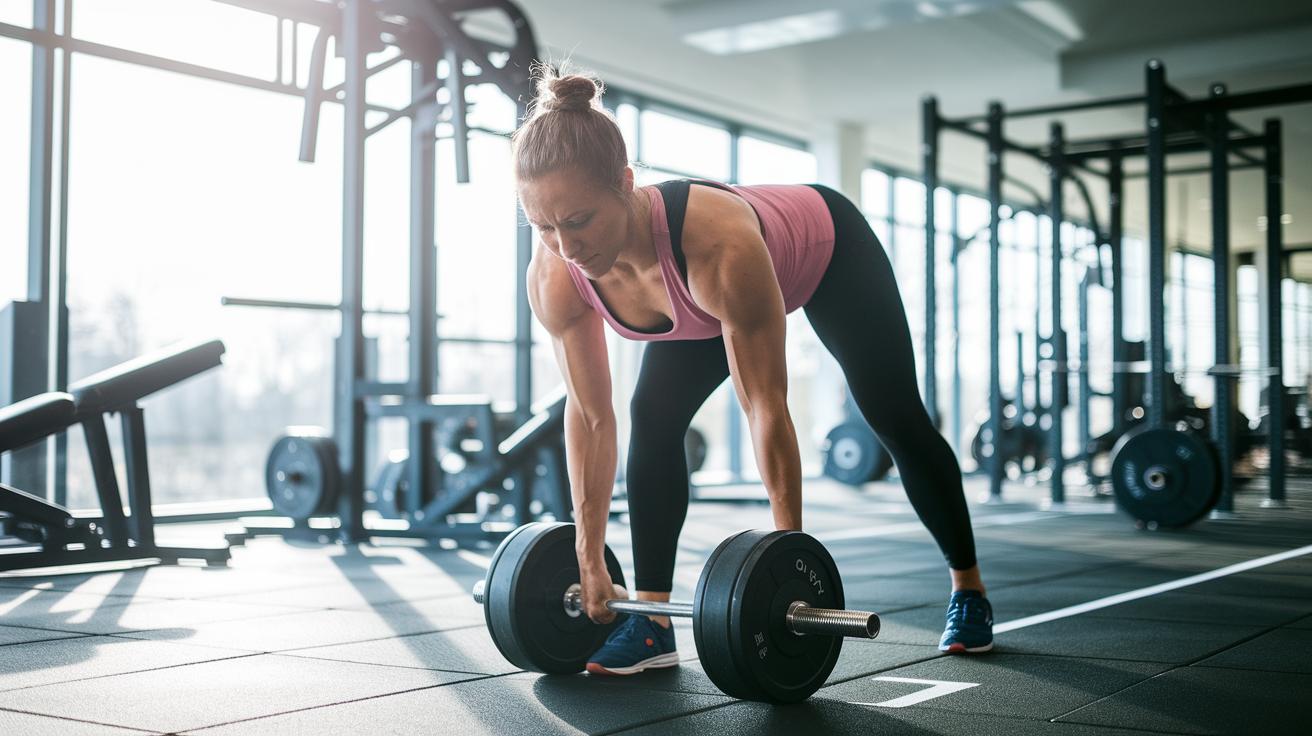
This workout mixes old favorites with two new moves to challenge your whole body. In one session, complete each move for three sets of 6–8 reps. Adjust the weight as needed. If your dumbbells feel too heavy, you can try using one hand instead. If they're too light, add more reps or shorten your rest between sets. Think of it like this: push through each rep until your body signals it's had enough, that’s when you're really building strength.
| Exercise | Primary Muscle Targets | Sets | Reps |
|---|---|---|---|
| Dumbbell Clean and Press | Shoulders, Back, Biceps, Legs | 3 | 6–8 |
| Goblet Lunge | Quads, Glutes | 3 | 6–8 |
| T-Bar Row | Mid-Back | 3 | 6–8 |
| Crush-Grip Floor Press | Chest, Triceps | 3 | 6–8 |
| Waiter Curls | Biceps | 3 | 6–8 |
Upper Body Dumbbell Workouts for Strength and Stability
Let’s explore five simple moves that help build a stronger upper body. Start with biceps curls. Grab a light dumbbell in each hand, keep your elbows snug at your sides, and slowly lift the weights. At the top, pause and squeeze your biceps before lowering the dumbbells with care. Think of it like an artist making careful strokes to bring out fine details.
Next, try the front and lateral raises. Hold a dumbbell in each hand with your arms resting at your sides. First, lift your arms straight in front of you until they are level with the floor, then lower them. Next, lift your arms out to the side. Moving slowly keeps your balance and helps you focus on using your muscles, not just momentum.
After that, add overhead presses to your routine. Start with the dumbbells at shoulder level and press them upward. Keep your back straight and your stomach tight to protect your lower back. Picture the weights moving neatly in a straight line above you.
Now, do triceps kickbacks. Stand with your knees slightly bent and lean forward a little at the hips. Extend one arm at a time backward, making sure each arm works on its own to hit your triceps properly.
Finally, finish with reverse flies. Bend at the waist so your arms hang down naturally, then lift them out to the sides. As you do this, give a gentle squeeze between your shoulder blades. Keeping a smooth and steady pace will boost both your strength and stability.
Lower Body Dumbbell Exercises for Power and Balance

Lower body dumbbell workouts are a great way to build power and improve your balance while keeping things straightforward. One favorite exercise is the Dumbbell Goblet Lunge. When you hold a dumbbell close to your chest, it feels like you’re doing a squat and a lunge at the same time. Think of it like this: step forward with each lunge, keeping your knee safely behind your toe, and with every controlled move, you’re boosting your strength and balance.
Another excellent move is the Romanian Deadlift. This exercise works your hamstrings and glutes by lowering the dumbbells down your legs while you keep your back straight. Remember to keep your chest up and your core engaged so you truly feel the burn in the back of your legs. A simple tip: take the movement slowly so you can fully activate the muscles while keeping your joints safe.
Then, there are Goblet Squats. With the dumbbell held in front of you, lower into a squat while keeping your core tight. This move challenges your quads and also makes your midsection stronger and more stable. Picture yourself rising with power and control after each squat, it’s a great way to feel strong.
Finally, try Hip Thrusts with a dumbbell for a real glute workout. Place your upper back on a bench or stable surface, set the dumbbell on your hip, and then thrust upward. By lowering down slowly and keeping your chest upright, you make sure your glutes and hamstrings work hard to build both power and balance.
Dumbbell Progression Strategies and Weekly Program Planning
Kick off your week with 3 to 4 dumbbell workouts that mix brief, intense sessions with days focused on heavier lifting. For building strength, go with 6–8 reps per set. If endurance is your goal, aim for 12–15 reps. When you can smoothly finish 3 sets of 8 reps with solid form, it’s time to increase the weight by about 5–10%. It’s like a friendly challenge, whenever 3×8 reps feel too easy, raise the load just a bit to keep your muscles guessing.
Plan your workouts with flexibility in mind. You might even break up a full session into several quick, 10-minute bursts spread throughout your day. Imagine fitting in three 10-minute sessions during your lunch break, they add up to a complete workout without taking over your schedule.
Mix in single-arm moves occasionally to boost the load and ensure both sides of your body work evenly. This helps keep your strength balanced so that one side doesn't end up doing all the work.
Don’t skip on recovery time. Make sure you give yourself at least 48 hours between those heavy lifting days. This downtime lets your muscles repair and grow stronger, keeping you safe and steady as you progress.
A smart weekly plan using gradual steps and steering clear of quick fixes will help you steadily push your limits while keeping your routine balanced and safe. Enjoy the journey to stronger, healthier you!
Dumbbell Training Safety, Warm-Up, and Injury Prevention
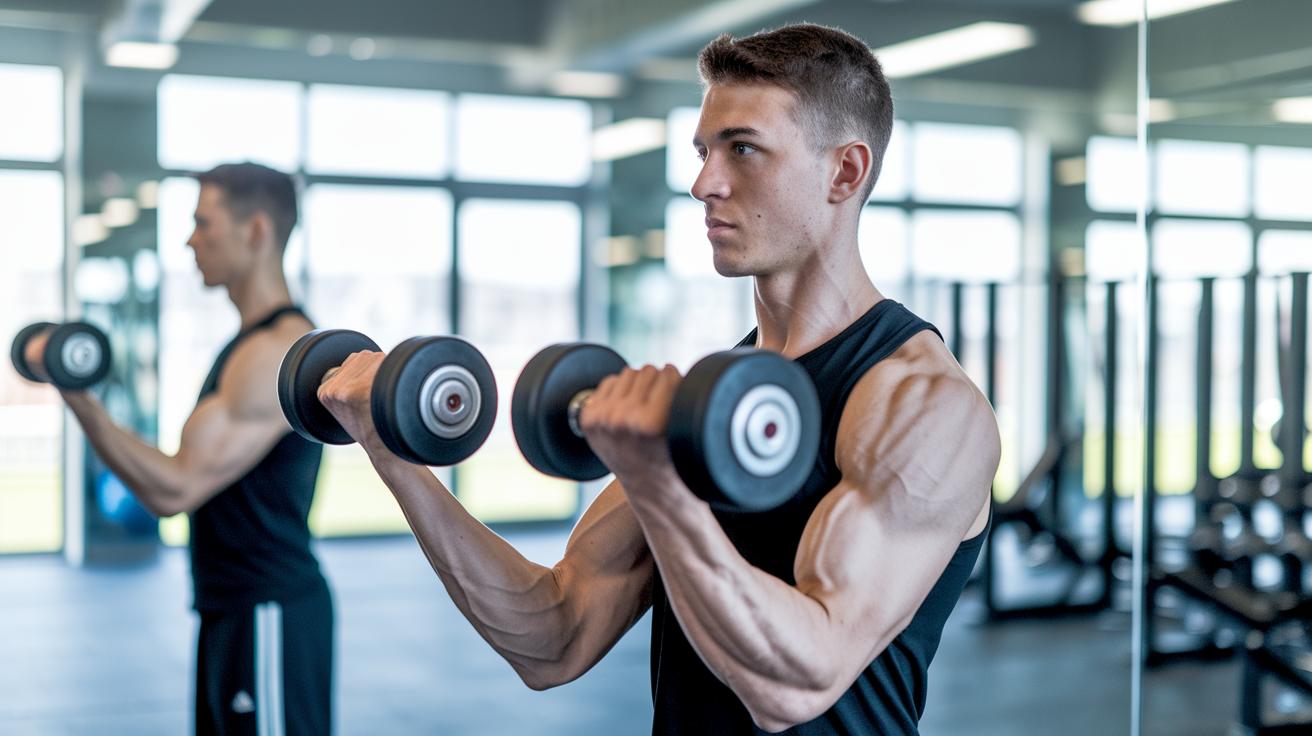
Start every workout with a dynamic warm-up that gets your body ready to move. Try some bodyweight squats, lunges, and shoulder circles; you can even add a light dumbbell to those circles for a little extra boost. Picture it like this: begin with a set of shoulder circles, holding a light weight, and slowly circle to help your muscles loosen up, almost like turning a well-oiled machine.
Focus on keeping your spine straight and your core nice and tight. Keeping your tummy engaged not only supports your back but also sets a strong foundation for heavier lifts down the line. Think of it as building a sturdy base for all your movements.
Light dumbbells are great tools to work on your mobility. Use them during hip, shoulder, and ankle drills to keep your joints agile. For example, hold a light weight while doing hip circles, making sure each movement is smooth and controlled.
Avoid quick, jerky movements that can shock your body. Instead, move deliberately and keep your form in check throughout each exercise. This steady approach helps reduce injury risk and keeps your training both effective and safe.
Final Words
in the action, you learned how effective home training can be with clear steps to work your core, upper and lower body while keeping safety in mind. The post explained key exercises, rep strategies, and stress-free progressions to keep workouts fun and effective. Easy warm-up routines and tips for staying injury-free round out the guide. Every exercise and tip here supports small, actionable changes that really add up. Keep it simple and consistent, dumbbell strength training paves the way to a stronger, healthier you.
FAQ
What dumbbell workouts can I do at home?
The dumbbell workout routine at home can include full-body circuits, compound moves like clean and press, goblet lunges, rows, and presses. Focus on proper form and pacing to build strength safely.
How can beginners start dumbbell strength training?
The dumbbell strength training for beginners starts with light weights and controlled movements such as curls, presses, lunges, and squats. Gradually increase reps and load while keeping a focus on proper form.
Can you build strength with just dumbbells?
The dumbbell training approach shows that you can build strength using just dumbbells. By emphasizing good technique and progressive overload, even minimal equipment can lead to muscle growth.
What is 5 4 3 2 1 strength training?
The 5 4 3 2 1 strength training method uses a countdown approach during your sets to vary intensity and boost muscle endurance while keeping your workout engaging and challenging.
Is a dumbbell enough for strength training?
The dumbbell workout system confirms that one pair of adjustable dumbbells can be enough for strength training. They offer versatility to perform both compound and isolation exercises effectively.
What is the 3-3-3 rule in the gym?
The 3-3-3 rule in gym workouts suggests performing three sets of three exercises in a circuit format. This method efficiently builds strength and stability without needing excessive equipment.
How do I perform a side lateral raise?
The side lateral raise targets your shoulders by lifting light dumbbells outward with a slight bend at the elbows. Maintain a straight back and a smooth, controlled motion for the best results.
How do I do an overhead triceps extension?
The overhead triceps extension works your triceps by lifting a dumbbell overhead. Keep your elbows steady and lower the weight slowly, focusing on a smooth motion to fully engage the muscles.
How do I perform a bent over two-dumbbell row?
The bent over dumbbell row strengthens your back by hinging at the waist and pulling the weights toward your ribs. Keep your back straight and your core tight to protect your spine throughout the exercise.
How do I execute an overhead press, deadlift, and bench press with dumbbells?
The overhead press, deadlift, and bench press with dumbbells each focus on different major muscle groups. Use controlled movements and proper body alignment to maximize strength and balance during each lift.

