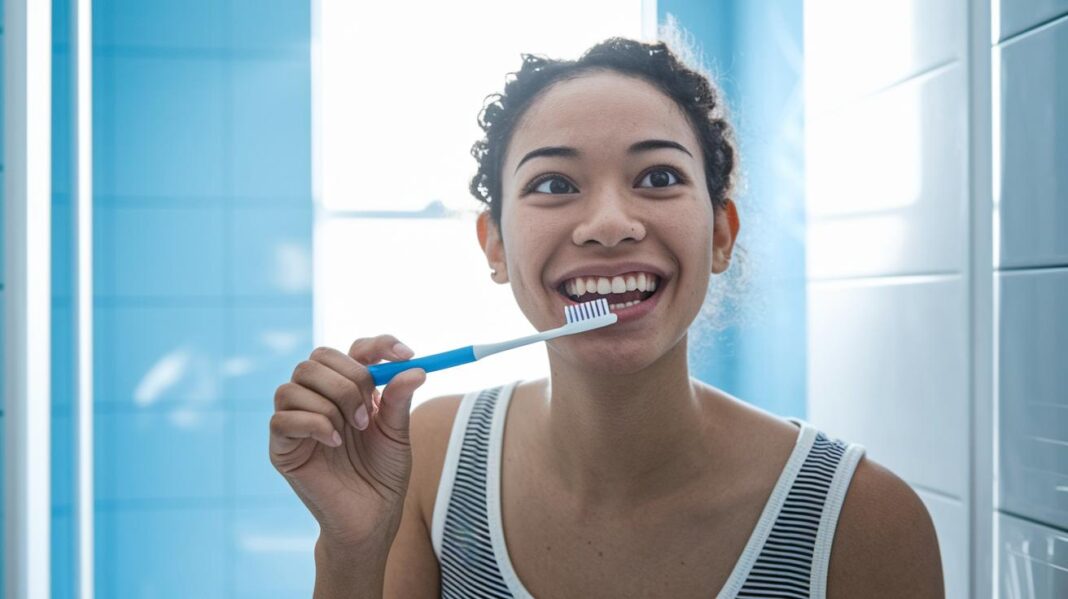
Ever wonder why a simple brush and floss routine can brighten your smile? Think of your teeth like a favorite room that you keep neat every day. A bit of daily care can stop small problems before they turn into big ones. Regular visits to your dentist work like an extra shield, catching issues early on. In this post, we'll share how easy habits can keep your smile healthy and make you feel great about your dental care.
Foundations of Preventive Dental Care
Taking care of your teeth every day and visiting your dentist regularly is what preventive dental care is all about. At home, keep it simple, brush your teeth twice a day with fluoride toothpaste and don’t forget to floss once daily to remove plaque that might hide between your teeth. It’s a lot like tidying up your room every day so that you don’t have a huge mess later on.
Regular dental checkups are just as important. Try to see your dentist about every six months so they can catch early signs of decay or gum issues you might miss on your own. They use tools like digital x-rays and intraoral cameras to find hidden problems, ensuring that the care you do at home is backed up by professional help.
Preventive dental care works for everyone. Babies start off with gentle gum cleanings using a soft cloth, and seniors might need extra care for things like dry mouth or receding gums. By combining simple daily habits with routine professional visits, you're giving yourself a solid basis for a lifetime of healthy, sparkling smiles.
Home Oral Hygiene Protocols in Preventive Dental Care
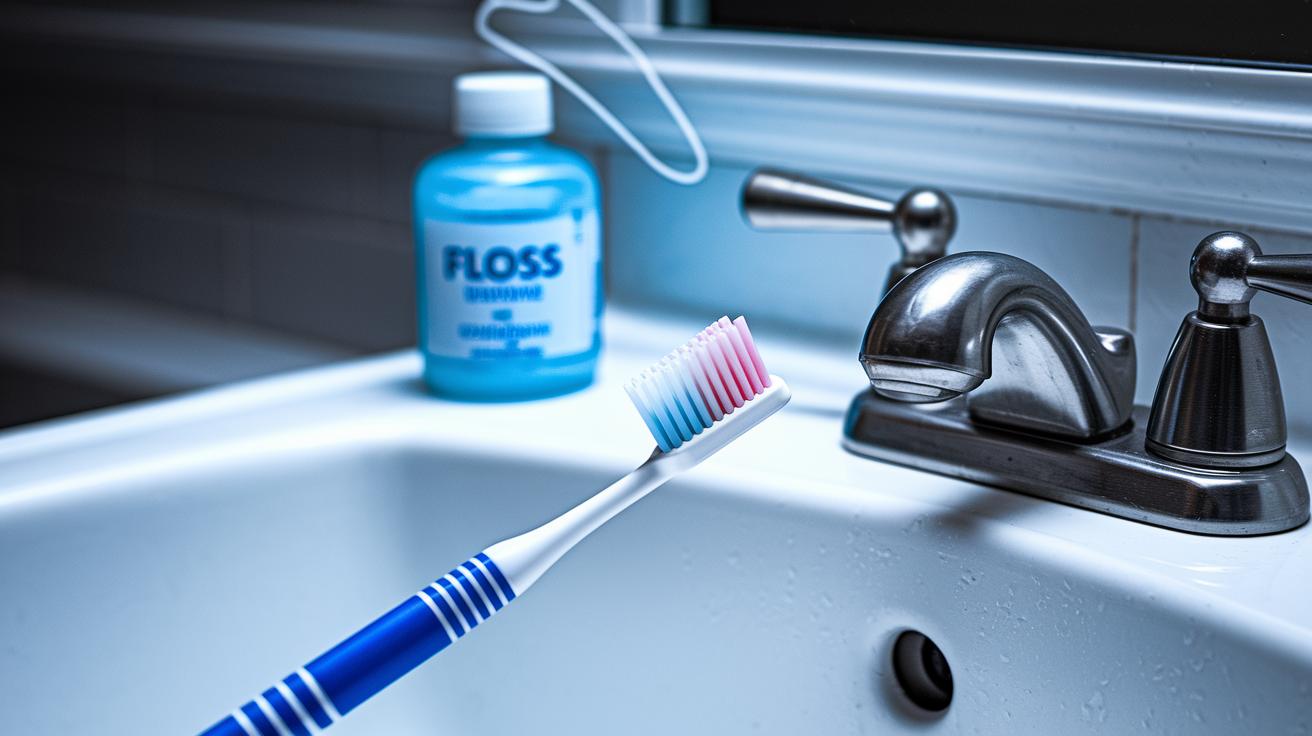
Keeping your smile healthy starts with a simple daily routine. Brush your teeth twice a day using fluoride toothpaste, it not only freshens your breath, but also strengthens your enamel to help keep cavities away. Try angling your brush at about 45° along your gum line, almost like you're aiming at a tiny target on your tooth. That small tweak can really make a difference.
Don’t forget to floss! Running a strand of floss between your teeth once a day gets rid of food bits and debris that your brush might miss. Think of flossing as tidying up the gaps between bricks to keep the whole structure strong. Adding an antimicrobial mouthwash can also help control the bacteria that lead to plaque.
| Recommendation | Why It Helps |
|---|---|
| Brush twice daily with fluoride toothpaste | Freshens breath and strengthens enamel |
| Floss daily | Removes food particles between teeth |
| Use an antimicrobial mouthwash | Reduces bacteria that cause plaque |
| Limit sugary snacks and drinks | Lowers the risk of cavities |
By following these simple steps every day, you set the stage for a healthy smile that lasts. Stay consistent and enjoy the benefits of your efforts on your journey to better dental health.
Professional Procedures Integral to Preventive Dental Care
Dental Cleaning Procedures
During a typical cleaning, dental experts remove hardened plaque that brushing just can’t get rid of. First, they’ll carefully check your mouth using digital x-rays and tiny cameras inside your mouth to spot any hidden problems. Then, they use special tools like ultrasonic scalers and hand instruments to clean around the gum line and between your teeth. Most dentists suggest having a professional cleaning every six months to keep plaque from turning into decay. One dentist put it simply: "Imagine your mouth as a garden, regular weeding helps it thrive."
Fluoride Treatment Advantages
Fluoride treatments are key to keeping your teeth strong. In this simple process, a special fluoride gel or varnish is applied directly to your teeth. This extra boost of minerals can reduce decay by up to 30%, acting like a shield for your enamel. The treatment is quick and usually follows a cleaning session. It’s best to stick to your dentist’s schedule to get the most out of it. One patient remarked, "After fluoride treatment, my teeth felt like they had an extra layer of armor against cavities."
Sealant Application Process
Sealants are a thin, protective coating that goes on the chewing surfaces of your molars. The process starts with a gentle cleaning of your tooth surface, followed by a light acid etch that gives the sealant a rough surface to stick to. Then, the sealant is painted onto the grooves on your molars and hardened with a special light. This barrier helps stop bacteria from getting into the tiny pits and fissures, lowering the chance of decay later on.
| Procedure | Frequency | Primary Benefit |
|---|---|---|
| Dental Cleaning | Every 6 months | Removes hardened plaque and tartar |
| Fluoride Treatment | As scheduled by dentist | Strengthens enamel and reduces decay |
| Sealant Application | Applied as needed | Blocks bacteria from fissures on molars |
Importance of Regular Checkups and Early Detection in Dental Prevention
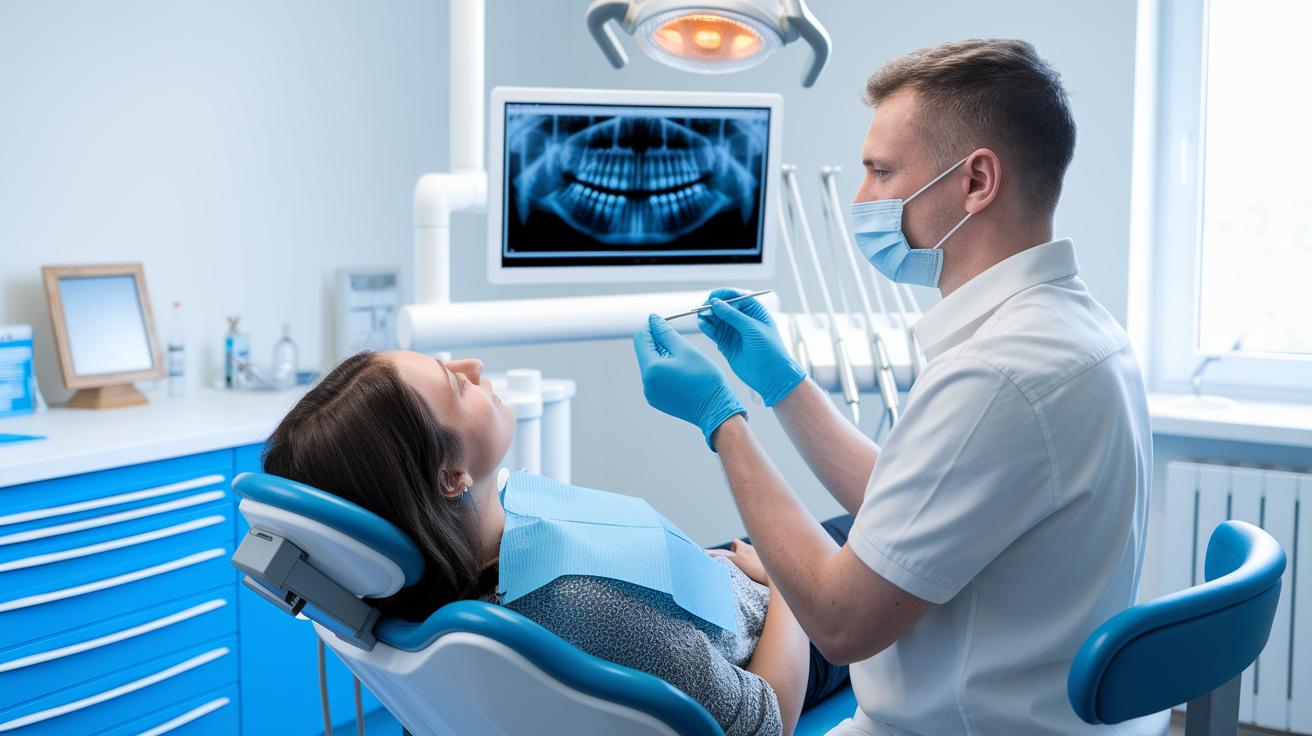
Regular dental visits help spot cavities and gum problems before they get worse. Tools like digital x-rays and small cameras in your mouth let your dentist find early tooth decay and watch for signs that could hint at other health issues, such as diabetes. Think of it like spotting a tiny crack in your windshield before a big storm makes it even worse.
Keeping up with your dentist’s schedule means you’re less likely to need fillings or root canals later on. This kind of early care not only helps save money over time but also gives you a checkup for your overall health by linking oral care with early clues about your body’s well-being.
Customized Preventive Dental Care Across Life Stages
From the very beginning, dental care is designed to fit the unique needs of every age. For tiny infants, gentle care is key. After feeding, their delicate gums are softly wiped down with a soft cloth, creating a warm, nurturing habit. One parent mentioned how cleaning their baby’s gums became a cherished little ritual.
As children grow, early steps in preventive care make a big difference. By around age eight, many kids receive sealants on their molars to protect against cavities. Parents also play a big part by modeling good brushing and turning it into a fun, little celebration after breakfast.
Teens start to take charge of their own oral routines, learning the basics of proper brushing, flossing, and making smart food choices. They soon discover that cutting back on sugary treats can brighten their smile, while regular dentist visits help catch any changes early.
Adults keep their focus on gum health by sticking to daily routines and routine dental exams. These visits not only prevent dental issues but also reinforce the habit of caring for one’s smile every day.
For seniors, dental care adjusts to meet new challenges like gum recession and dry mouth. Many benefit from using saliva substitutes and gentler cleaning tools, making sure their daily routine stays both comfortable and effective.
Financial and Insurance Considerations in Preventive Dental Care
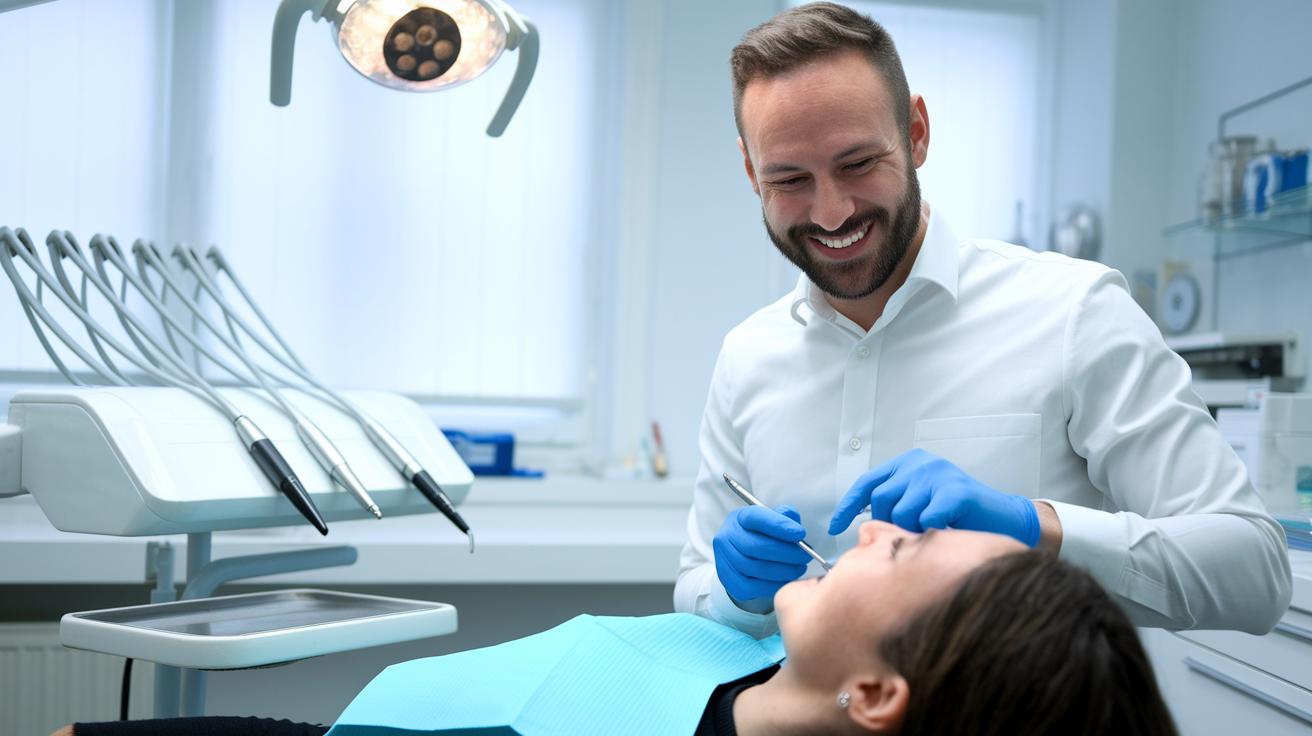
Most dental plans cover two cleanings and exams each year at 100%. This makes keeping your smile bright both simple and budget-friendly. Instead of paying $75 to $200 for each visit, insurance helps catch issues early, avoiding pricier treatments like fillings later on.
Knowing exactly what you’ll pay is key. Clear pricing and insurance details let you plan for your dental care without surprises. Some offices even offer bundled packages that mix exams, cleanings, and preventive treatments at lower out-of-pocket costs. This setup helps ease the financial stress over time.
Using your insurance for preventive care means you get the attention you need without breaking the bank. By understanding your benefits, you can manage expenses better. It’s a good idea to chat with your provider about your plan so you can take full advantage of these savings.
Final Words
In the action, this post covered the basics of preventive dental care, from simple at-home routines like brushing and flossing to focused professional services that catch issues early. It highlighted how regular checkups and tailored personal care at every age keep your smile bright and your health in check. Breaking down both practical tips and financial considerations, the article reminds us that small actions can add up to lasting benefits. Keep a steady routine and remember that every step helps pave the way to a happier, healthier mouth.
FAQ
What is preventive dental care?
The concept of preventive dental care means keeping your mouth healthy through regular brushing, flossing, and scheduled dental visits that help stop small issues from growing into bigger problems.
What is the cost of preventive dental care and does insurance cover it?
The cost of preventive dental care typically ranges from $75 to $200, and many dental insurance plans cover exams and cleanings fully or at a low out-of-pocket cost.
Why is preventive dental care important?
Preventive dental care is important because it helps catch problems early, supports overall oral health, and lowers long-term expenses by avoiding extensive treatments later on.
What type of dentist offers preventive dental care?
General or family dentists offer preventive dental care, providing routine check-ups, cleanings, and guidance on proper home oral hygiene practices.
Are fillings considered preventive dental care?
The idea that fillings are preventive dental care isn’t accurate because fillings repair decay; they treat problems rather than prevent them.
Which dental service is an example of a preventive service?
A clear example of a dental preventive service is bi-annual cleanings, which remove plaque and tartar, helping prevent cavities and gum disease.
| Procedure | Frequency | Primary Benefit |
|---|---|---|
| Dental Cleaning | Every 6 months | Removes plaque and tartar |
| Fluoride Treatment | Every 6 months | Strengthens tooth enamel |
| Sealant Application | As recommended | Blocks bacteria in grooves |

