Ever wonder if a simple check-up could stop a serious illness in its tracks? When it comes to preventing leprosy, catching the problem early and getting care fast is really important.
Most of us can fight off the germs naturally, but sometimes a few cases lead to lasting skin and nerve damage. Think of it like stopping a tiny spark before it grows into a wildfire. This article shows how a quick diagnosis and the right treatment team up to protect both you and your community from this often misunderstood disease.
Leprosy Prevention Overview: Key Strategies to Curb Hansen’s Disease
Leprosy, sometimes called Hansen’s disease, is caused by a germ named Mycobacterium leprae. It mainly affects the skin, nerves, breathing passages, and eyes. This germ is not very contagious. It usually spreads when someone has close, prolonged contact with an untreated person through tiny droplets from a cough or sneeze. For example, sitting next to someone who occasionally coughs in a casual setting isn’t a big risk. In fact, about 95% of people naturally fight off the infection, and the illness can take anywhere from 2 to more than 20 years to show any signs, which makes early exposure hard to track.
Worldwide, around 250,000 new cases are seen each year, with most found in India, Brazil, and Indonesia. Even though the germ doesn’t spread quickly and many people are immune, it’s vital to act fast when symptoms do show. The main ways to stop the disease are to find cases early, start a treatment plan called multidrug therapy (MDT) right away, which uses several medicines, and give a one-time dose of the antibiotic rifampicin to those who have been in close contact. Think of early diagnosis like catching a tiny spark before it turns into a big fire; quick action helps protect lives.
Transmission and Risk Factors in Leprosy Spread
Leprosy usually spreads when you breathe in tiny droplets from someone with untreated multibacillary leprosy. Imagine sitting beside a person who coughs a lot in a small room. Even though household contact carries less than a 2% risk, staying close for long periods can give the bacteria a chance to pass on.
The time it takes for leprosy symptoms to show up can vary a lot, from just 2 years to over 20 years. This wide range makes it hard to pinpoint exactly when someone was exposed. Because the signs can take so long to appear, people can unknowingly share the bacteria with others before they realize anything is wrong.
Crowded living spaces and poor air flow make matters worse. When lots of people live together in a small, poorly ventilated area, even small amounts of exposure might lead to a minor outbreak that’s hard to trace.
Other factors inside us matter too. Research shows that leprosy can sometimes run in families, hinting at a genetic link. Still, about 95% of us naturally fight off the infection. That’s why spotting the first case quickly is important, it helps break the chain of transmission and keeps our communities safer.
Primary Prevention: Community and Household Measures Against Hansen’s Disease
At home, you don’t have to worry about strict quarantine rules. Instead, families are encouraged to stick to simple habits like keeping clean and watching for any unusual skin changes. For example, if you notice a small, light spot on your skin, it’s smart to have it checked right away. Taking these small steps can really help stop the disease from spreading in your household.
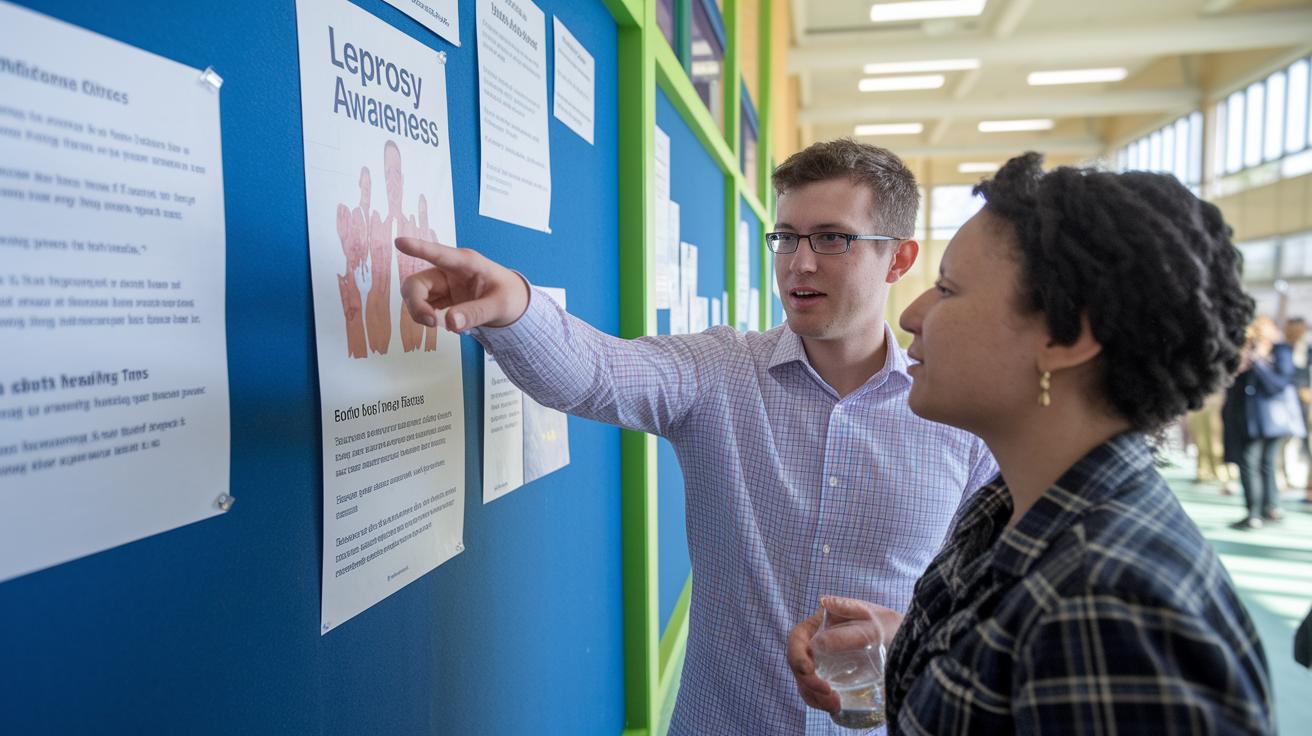
In the community, the goal is to help everyone understand the signs of Hansen’s disease and how it spreads. Local health workers and community groups often hold friendly talks in everyday language. Imagine attending a gathering where a local health educator casually advises, "Keep your rooms well-ventilated and drop by your local clinic if you notice anything odd." This kind of clear, down-to-earth advice builds trust and helps everyone feel more confident in keeping an eye out for symptoms.
Another important strategy is contact tracing. This means looking for people who might have been in close touch with someone who is sick. By finding these cases early, treatment can start without delay. There’s also a helpful step called post-exposure prophylaxis. When a new case is found, people who have been close to the infected person can get a single dose of rifampicin, which helps lower the risk of spreading the disease.
NGOs and health agencies join in the effort by running antibiotic distribution campaigns and hosting awareness events, like those on World Leprosy Day. All these community and household actions work together to cut down new infections and keep people healthy.
Secondary Prevention in Leprosy: Early Detection and Prophylaxis

Spotting early signs of leprosy is really important for keeping your skin and nerves in good shape. During a check-up, doctors look for small, pale, or reddish patches that might feel less sensitive than the nearby skin. A doctor might say, "See that patch? Its lighter color and numb feeling mean it's worth a closer look." They also check for thickened nerves and small lumps that can be early hints of trouble.
When these signs show up, it’s time for more tests. A simple skin smear test can catch bacteria by finding what are called acid-fast bacilli, tiny germs that stick around in the skin. Other tests, like a biopsy or a PCR assay, help pinpoint exactly which bug is causing the problem. Think of it like examining a smudged window to decide if it needs cleaning.
In areas where leprosy is more common, mobile clinics and community events help catch cases early. These targeted screenings are a great way to spot things before they become bigger issues. It’s a reminder that noticing small changes early can stop a lot of problems later on.
Preventing the spread is another key part of stopping leprosy. Once someone is diagnosed, close contacts can take a single dose of rifampicin to lower their risk of getting sick. This small step can really break the cycle of infection. Early detection, smart testing, and timely medicine all work together to keep leprosy from causing lasting damage.
Tertiary Care Approaches and Rehabilitation for Leprosy Patients
Leprosy care starts with a strong treatment plan called multidrug therapy (MDT) to stop the infection before it hurts the nerves. People with fewer bacteria (Paucibacillary) usually take the treatment for about 6 months, while those with more bacteria (Multibacillary) may need treatment for 12 months or longer. In both cases, doctors use common medicines like rifampicin and dapsone, and for Multibacillary cases, they add clofazimine. Starting MDT early can help keep serious problems, like numbness or changes in the body, at bay.
Keeping an eye on treatment side effects is a key part of care. Doctors check on patients often to see how things are going and to catch any unwanted reactions early. For example, if someone feels sick or notices a change in their skin color, the doctor might tweak the dose or add extra care to help out. One doctor said, "Finding side effects early means we can switch things up to keep patients comfy while still fighting the bacteria."
After the infection is under control, rehabilitation helps patients get back to their best selves. Physical therapy can bring back movement and strength, and reconstructive surgery can help fix changes in appearance. Also, support with feelings and social activities plays a big role. Programs that bring patients back into the community, family counseling, and community workshops are great for boosting confidence and cutting down on stigma.
Doctors continue to check in during treatment to make sure patients take their medicine correctly and to catch any new issues quickly. These steps work together to boost both physical health and mental well-being.
| Case Type | MDT Duration | Drugs |
|---|---|---|
| Paucibacillary | 6 months | Rifampicin + Dapsone |
| Multibacillary | 12+ months | Rifampicin + Dapsone + Clofazimine |
Leprosy disease prevention: Safeguard Healthy Lives

Lately, research on vaccines to stop leprosy has been really picking up speed. One common vaccine, called BCG, has been used against tuberculosis for years and can protect about half of the people who get it. Doctors often check its effect using the Mitsuda skin-test, a simple test where a small bump measuring 3 to 10 mm shows up after about 28 days if your immune system is strong. It’s a good sign when you see that small bump.
Some researchers have tried tweaking the BCG vaccine by mixing in a killed form of M. leprae, the bug behind leprosy. In adults, this trick often almost doubles the vaccine’s protection. But in kids under 15, it doesn’t seem to add extra benefit.
Another interesting vaccine candidate is called M. indicus pranii. Studies show it can give lasting protection for up to 9 years. Researchers have noticed that people who live closely with patients sometimes build a stronger immune response, though this protection can fade as time goes on. There’s also another option, ICRC bacilli, that works by turning a person’s leprosin-negative status into a positive one, which leads to about 65.5% efficacy.
Other tests include mixing M. vaccae with BCG, but trials in Vietnam didn’t show any extra boost. Meanwhile, early studies with M. habana in animals look promising and could one day lead to a new breakthrough.
All of these studies remind us that while our current vaccines are important, new options might soon offer even better protection. Every step in this research not only teaches us more about how our bodies fight the disease but also gives hope for stronger vaccines to help keep more people healthy.
leprosy disease prevention: Safeguard Healthy Lives
Governments and local health agencies team up with communities to fight leprosy. They report new cases quickly and use steps that protect public health. WHO asks that cases be reported within 48 hours using common surveillance methods to keep track of trends. In places like Canada, provinces such as Ontario and Alberta maintain very low case numbers because they use fast referral systems and steady monitoring.
Community actions are essential for spotting leprosy early and stopping its spread. Efforts like active case finding, contact tracing, and local awareness events make sure every case gets noted right away. Public health programs also rely on treatments like single-dose rifampicin given right after exposure and use World Leprosy Day events to share information and help those affected.
For example, a local health team might hold a neighborhood event that explains the early signs of leprosy. Imagine gathering your neighbors so everyone learns what to look for, this simple step can really speed up detection.
- Single-dose rifampicin post-exposure prophylaxis for contacts
- WHO’s case-reporting and surveillance methods
- World Leprosy Day events
- Community drives for public health information
Regular reviews of these plans help adjust guidelines based on the latest local numbers, keeping prevention efforts sharp and effective.
Final Words
In the action, we broke down key strategies such as community measures, early case identification, and effective treatment methods. The post covered practical household steps, robust global policies, and even vaccine research to combat Hansen’s disease. Each tactic plays a big role in leprosy disease prevention, making daily health routines smarter and safer. Using simple, clear insights helps everyone take meaningful steps toward a healthier life. Keep moving forward with confidence and care.
FAQ
How is leprosy transmitted?
The transmission of leprosy occurs when respiratory droplets from an untreated patient are inhaled. Prolonged, close contact is usually needed, as casual exposure rarely spreads the bacteria.
Is leprosy curable?
The curability of leprosy is confirmed through multidrug therapy, which stops bacterial growth and often clears the infection if treatment starts early.
What causes leprosy?
The cause of leprosy is the bacterium Mycobacterium leprae. It gradually affects the skin, nerves, and other body parts over time.
What are leprosy symptoms?
The symptoms of leprosy include light or dark skin patches, numbness, and muscle weakness. These signs stem from nerve damage and skin changes.
Is leprosy contagious?
The contagiousness of leprosy is low as it requires long-term close contact with an untreated case. Casual interaction usually poses minimal risk.
Why is leprosy called Hansen’s disease?
The term Hansen’s disease pays tribute to Gerhard Hansen, the scientist who first identified the bacterium that causes leprosy.
How do leprosy symptoms appear in pictures?
Pictures of leprosy symptoms typically show distinct skin patches or nodules with unusual color changes, which help doctors recognize the disease.
What is a leprosy vaccine?
A leprosy vaccine is designed to strengthen the immune response against Mycobacterium leprae. The BCG vaccine, for example, provides partial protection.
How can you prevent leprosy?
Prevention of leprosy involves early diagnosis, immediate multidrug therapy, and sometimes prophylactic antibiotics given to close contacts.
Is leprosy very contagious?
The level of contagiousness in leprosy is low because it takes prolonged, close exposure to someone untreated, so everyday contact is rarely a risk.
What is the primary prevention of leprosy?
The primary prevention of leprosy focuses on early case detection, timely treatment, community education, and contact tracing to minimize spread.
How long does leprosy take to cure?
The cure for leprosy varies by severity, typically taking about 6 months for milder cases and at least 12 months for more advanced forms during multidrug therapy.

