
Ever wonder if a little cardio can unlock endless energy? People often say that quick sprints or easy bike rides help boost your heart health and lift your mood. In this guide, we'll walk you through a mix of workouts, from gentle, steady moves to fast bursts that fire up your metabolism. Think of it as your simple plan to stay active and feel great all week long. Ready to try exercises that build strength and brighten your day?
Cardio Workouts List: Boost Your Energy
Your weekly cardio plan can be as simple as working out for 150 minutes at a moderate pace or 75 minutes at a more intense level. This approach keeps your heart healthy and your energy up. Imagine mixing in brisk walks, easy cycling, or a light jog throughout the week. Fun fact: moving regularly not only builds your stamina but can also help keep your blood pressure in check for overall wellness.
There are two main ways to structure your workouts: LISS and HIIT. LISS means low-intensity steady state workouts like a leisurely walk, bike ride, or gentle jog that you can sustain for a longer time. Picture taking a calm bike ride around your neighborhood while enjoying the fresh air. HIIT, which stands for high-intensity interval training, is a bit different. It involves short bursts of full effort, usually 20 to 30 seconds, followed by a quick rest. Think of sprinting hard for a few seconds and then pausing to catch your breath; these quick bursts can really jump-start your metabolism.
Cardio exercises do more than burn calories. They make your heart stronger by helping your body use oxygen better, and they can give you a quick mood lift thanks to endorphins. When you combine these workouts with a wholesome eating plan, you’re on your way to shedding extra pounds while boosting your overall fitness. Stick with a program that fits your lifestyle, because every step you take is a move toward a healthier, more energetic life.
Cardio Workouts List by Intensity Level

LISS workouts, like a brisk walk or a gentle bike ride, help you build endurance while boosting blood flow and making your joints feel better. Moderate exercises, such as hiking, add a fun mix of balance and muscle work to strengthen the smaller muscles that keep you steady. Try adding a five-minute incline hike to your routine, imagine walking up a soft hill where each step lifts your energy and steadies your balance.
HIIT workouts mix short, high-energy bursts with slower recovery breaks. This pattern can help improve the maximum oxygen your body uses (VO2 max, which is just a measure of how well your body uses oxygen) and increase the tiny blood vessels in your muscles for better blood flow. If you’re feeling a bit tired during your session, try stretching your recovery period a little longer. Picture it like running hard for 20 seconds, as if you’re sprinting to catch a bus, and then slowing down for 40 seconds to catch your breath. This approach can give younger folks a quick energy boost, while older adults might see steady improvements in heart and blood vessel health.
No-Equipment Cardio Workouts List for Home
Bodyweight workouts are a simple way to get your heart racing and boost your energy, even without fancy equipment. You can easily adjust each move to focus on endurance, stamina, or strength by tweaking the time spent or the number of reps. They slot perfectly into your home routine, whether you’re pressed for time or up for a quick HIIT challenge. Try fitting these moves into a 30-minute session that keeps your form sharp and helps you steadily improve.
- Touchdown Squat – 30 seconds to build endurance
- Mountain Climber Cross – 45 seconds for better stamina
- Jump Lunge – 8–15 reps to work on strength
- Single-Leg Push-Up – 8–15 reps per side to balance out your muscles
- Skaters – 30 seconds to boost agility and burn extra calories
- Burpee Push-Up – do in short intervals as part of a 30-minute HIIT session that emphasizes quality movement
Feel free to change each exercise based on how you’re feeling. If a move seems too hard, cut the time or lower the reps to keep your form good and prevent strain. As you grow more confident, slowly increase the intensity or add more rounds to really challenge yourself. Play around with the rest periods between sets and always listen to your body along the way.
Gym Cardio Workouts List: Machines & Modalities

When you walk into the gym, having the right machines can really help you work on your personal fitness goals. Gym equipment lets you set your own pace and choose the resistance that suits you best. It’s a great way to focus on boosting your endurance, building strength, or even doing a bit of both.
Take the treadmill, for example. You can adjust its speed and incline to either keep a steady pace for endurance or switch it up for quick, energetic bursts. The elliptical offers a smooth, low-impact ride that gently works both your upper and lower body. A stationary bike is perfect for strengthening your legs while keeping your heart rate up consistently. And then there’s the rowing machine, which gives you a full-body workout that really helps build stamina and overall muscle tone.
| Machine | Main Benefit | Duration |
|---|---|---|
| Treadmill | Customizable pace and incline for endurance or interval training | 20-30 minutes |
| Elliptical | Low-impact exercise engaging the whole body | 20-30 minutes |
| Stationary Bike | Focus on leg strength while boosting heart rate | 20-30 minutes |
| Rowing Machine | Full-body workout that builds strength and stamina | 15-25 minutes |
At the end of the day, picking the right machine depends on what you’re aiming for in your workout. Think about whether you want to improve endurance, build overall strength, or target a specific muscle group. Feel free to mix different machines to keep things exciting and to continually challenge your body in new ways. Play around with the duration and intensity until you find the routine that leaves you feeling truly energized and empowered.
Outdoor Cardio Workouts List for Fresh-Air Fitness
Sprint-based drills are a fun way to boost your speed and strength. When you run sprints, you give your all for a short burst and then rest a bit. Picture yourself dashing over a short distance, like you're chasing after a burst of energy. Cycling sprints work in a similar way, you pedal hard for a few seconds and then slow down to catch your breath. These quick, high-intensity workouts push your limits and make your exercises both fun and challenging. If you’re curious about other outdoor options, check out our outdoor cardio workouts.
Endurance drills focus on keeping a steady pace over a longer period. Activities like hiking or trail running over different types of ground not only build your stamina but also lift your spirits by connecting you with nature. Power walking outdoors is another good choice. It’s a moderate workout that keeps your heart rate around 50-70% of its maximum. Start slow, gradually add some gentle hills, and take breaks when your breathing gets heavier. And always be cautious on uneven paths, wear comfy, secure sneakers and watch your step as you enjoy the fresh air.
Cardio Workouts List for Weight Loss & Toning Goals

If you’re ready to go beyond the basics, advanced moves can boost fat loss and help tone your muscles. Start your session with a quick warm-up, try 2 minutes of jumping jacks to get your blood flowing and your muscles ready for action.
Next, mix in some plyometric drills like tuck jump burpees and lateral jump lunges. These moves not only up your calorie burn but also challenge your balance and coordination, giving your routine a fresh twist.
After an intense workout, give your body the care it deserves. Cool down with about 5 minutes of foam rolling and enjoy a snack like a protein smoothie with berries. This helps your muscles recover and keeps your energy steady.
Sample Cardio Workouts List Templates & Schedules
Looking for a home workout that sparks energy and keeps things fresh? Try a HIIT routine. Start with a 5-minute warm-up by doing dynamic stretches like arm circles and leg swings to wake your body up. Then, jump into a 30-minute workout with six different exercises. Do each exercise for 45 seconds and take a 15-second break in between. Mix moves like bodyweight squats with mountain climber variations so your heart stays pumped. End with a 5-minute cool-down that includes light cardio and gentle stretches. This plan lets you watch your intensity and adjust breaks, making it a fun, flexible way to get moving at home.
If you prefer the gym, check out this circuit that pairs machine workouts with bodyweight moves. Start with a short warm-up to ease in. At five different stations, work for 60 seconds before moving on to the next. Rotate between options like treadmill sprints, elliptical strides, push-ups, kettlebell swings, and bursts on the stationary bike. This mix challenges different muscles and keeps your metabolism revved up. Finish with a 5-minute cool-down that blends slow-paced cardio with dynamic stretches. This routine works both endurance and strength, giving you a balanced and exciting workout.
Cardio Workouts List Safety, Form and Warm-Up Tips
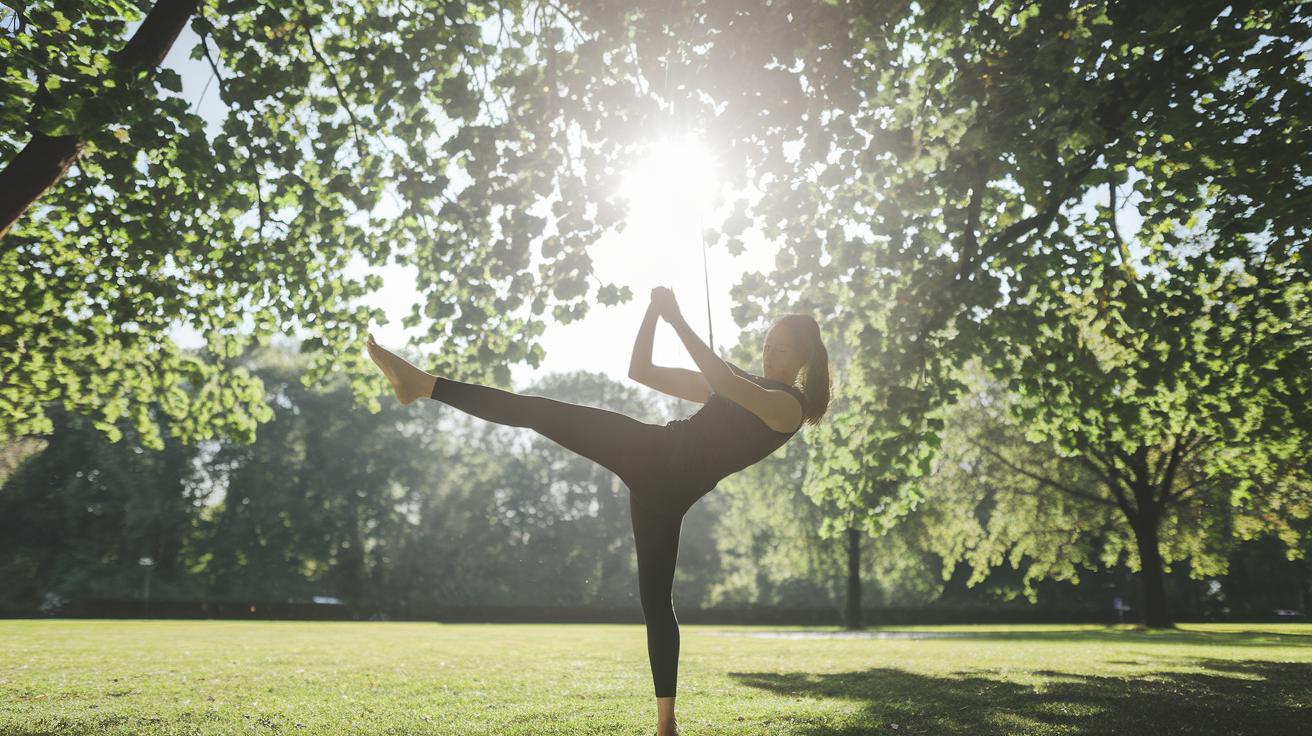
Before you jump into your workout, take a few minutes to warm up. Simple exercises like arm circles and leg swings get your blood flowing and your muscles ready. For instance, swing your leg back and forth for about 30 seconds each side to gently loosen your hips. This easy start slowly raises your heart rate and sets you up for more challenging moves.
Keep an eye on your heart rate as you exercise. For a moderate workout, try to stay in the 50–70% range of your maximum heart rate. If you’re pushing harder, aim for 70–85%. And if you start to feel dizzy or winded, pause for a bit and drink some water, much like taking a break on a brisk walk when you need to catch your breath.
Always focus on proper form. Stand tall, tighten your core, and land softly when you jump to protect your joints, imagine stepping onto a padded mat. Listen to your body, and if something feels off, take a break to keep your workout safe and effective.
Final Words
In the action, this blog post offered a clear cardio workouts list that breaks down weekly guidelines, explains steady efforts versus intense bursts, and shows how to enjoy both no-equipment and gym routines. We also covered outdoor options, weight loss tips, and sample schedules that help connect nutrition with exercise. The focus remains on everyday wellness, combining smart exercise moves with common-sense safety tips. Here’s to a healthier you, ready to embrace each workout with confidence and energy!

