
Did you know a single vaccine can slow the spread of chickenpox? It may sound surprising, but a prompt shot, good hygiene, and a little time apart can work wonders together. Chickenpox spreads quickly from one person to another, but you can help slow it with a few simple actions.
In this article, you'll find out how each easy step builds a strong shield against the virus for you and your community. Ready to see exactly what you can do?
Key Chickenpox Prevention Strategies
Chickenpox is really contagious and can easily spread when someone coughs, sneezes, or when you touch things they've touched. The virus can hide in your body for anywhere between 10 and 21 days before signs show up, so it's important to keep those who are sick away from others during that time, just like keeping a small fire from spreading.
The best way to dodge chickenpox is by getting vaccinated. The varicella vaccine not only lowers your chance of catching the virus, it also makes the illness much milder if you do get it. People who get chickenpox after being vaccinated usually have lower fevers and fewer skin blisters, showing how one simple step can make a huge difference.
Keeping the virus from spreading doesn’t stop at vaccination. Soon as someone feels sick, it’s smart to put them in a separate room and stick to good hygiene practices, like washing your hands often and cleaning surfaces. This extra care helps keep homes and communities safe.
Even after you recover, the virus might stay quiet in your body and could come back later as shingles. Boosting your long-term protection through vaccination or past infection helps lower the risk of both chickenpox and shingles, giving you a safer, healthier future.
Varicella Vaccination: Efficacy and Recommended Schedule
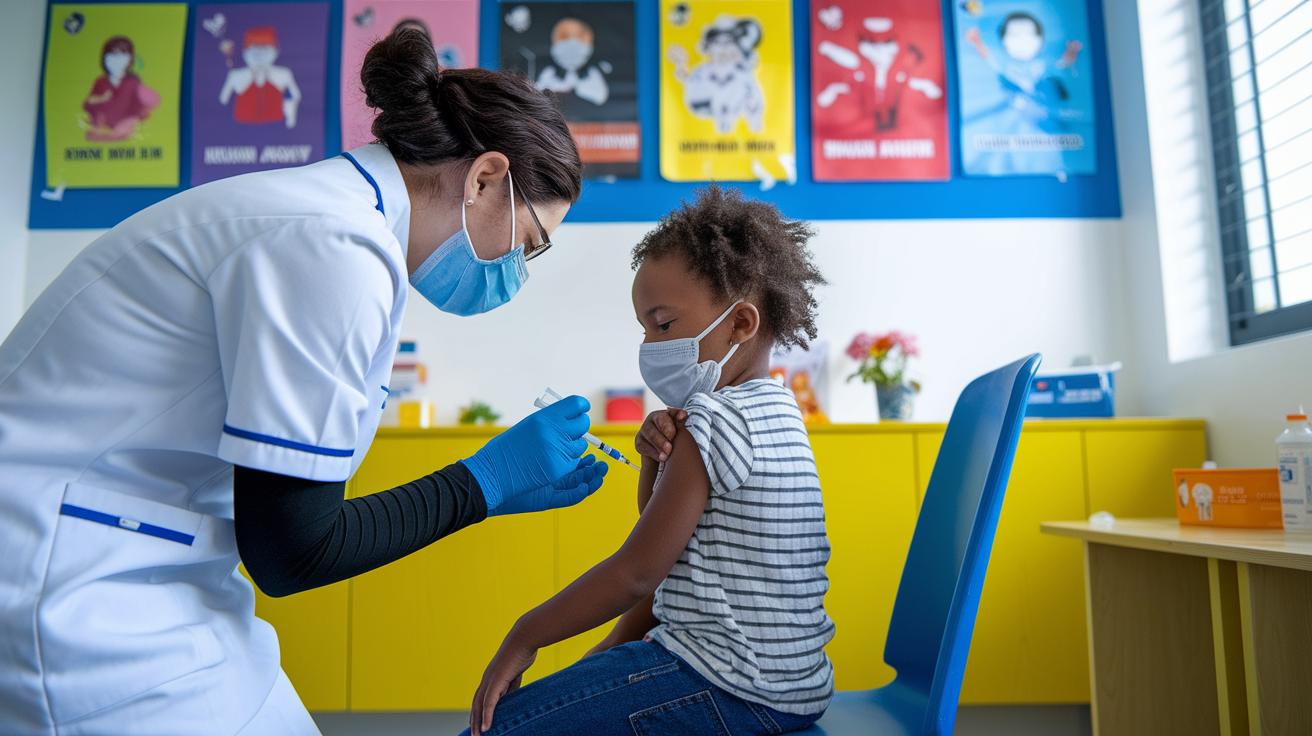
Clinical studies tell us that the two-dose varicella vaccine is incredibly effective. It works about 98% of the time in preventing severe chickenpox and offers 70–90% protection against any form of the disease. Essentially, it trains your immune system to spot the varicella-zoster virus, lessening both how often and how strongly you might get sick. In fact, broad immunization programs in kids have slashed chickenpox cases by more than 90%. This shows how sticking to a scheduled vaccination not only shields you but also helps keep your community safe.
Pediatric Varicella Vaccination
For children, the vaccine schedule involves two doses. The first dose is usually given when a child is between 12 and 15 months old. The second dose follows when they are 4 to 6 years old, with full immunity building up about 4–6 weeks after the booster. Think of it as laying down a solid foundation with the first shot and then strengthening that defense with the booster, creating a robust barrier against chickenpox.
Adult Varicella Vaccination
Adults who haven’t been vaccinated or haven’t had chickenpox can also benefit from the vaccine. They receive two doses, with the second dose coming 4–8 weeks after the first. It’s similar to updating your body’s software; the additional shot refreshes your immune defenses to help keep the virus at bay.
| Dose Number | Age at Vaccination | Recommended Interval |
|---|---|---|
| Dose 1 | 12–15 months | N/A |
| Dose 2 | 4–6 years | 4–6 weeks after Dose 1 (Adults: 4–8 weeks apart) |
Post-Exposure Prophylaxis and Early Intervention for Varicella
If you're at high risk, like if you're a newborn or your immune system isn’t very strong, you should get varicella-zoster immune globulin (VZIG) within 10 days of being exposed. This treatment gives your body temporary protection until it can make its very own defenses, kind of like adding an extra safety net before a big storm hits.
For teens and adults who aren’t immune, starting acyclovir around 7 to 10 days after exposure can help. Taking this antiviral early can lessen how bad a rash gets and shorten the time you have a fever. Think of it like fixing a small leak before it turns into a flood.
It’s also important to keep a watchful eye on any signs of infection during the 10 to 21 days following exposure. By staying alert to any changes in your health, you can get treatment quickly if symptoms show up. This early action helps keep complications to a minimum and makes sure you get the care you need right away.
Household and Community Measures to Control Chickenpox Spread
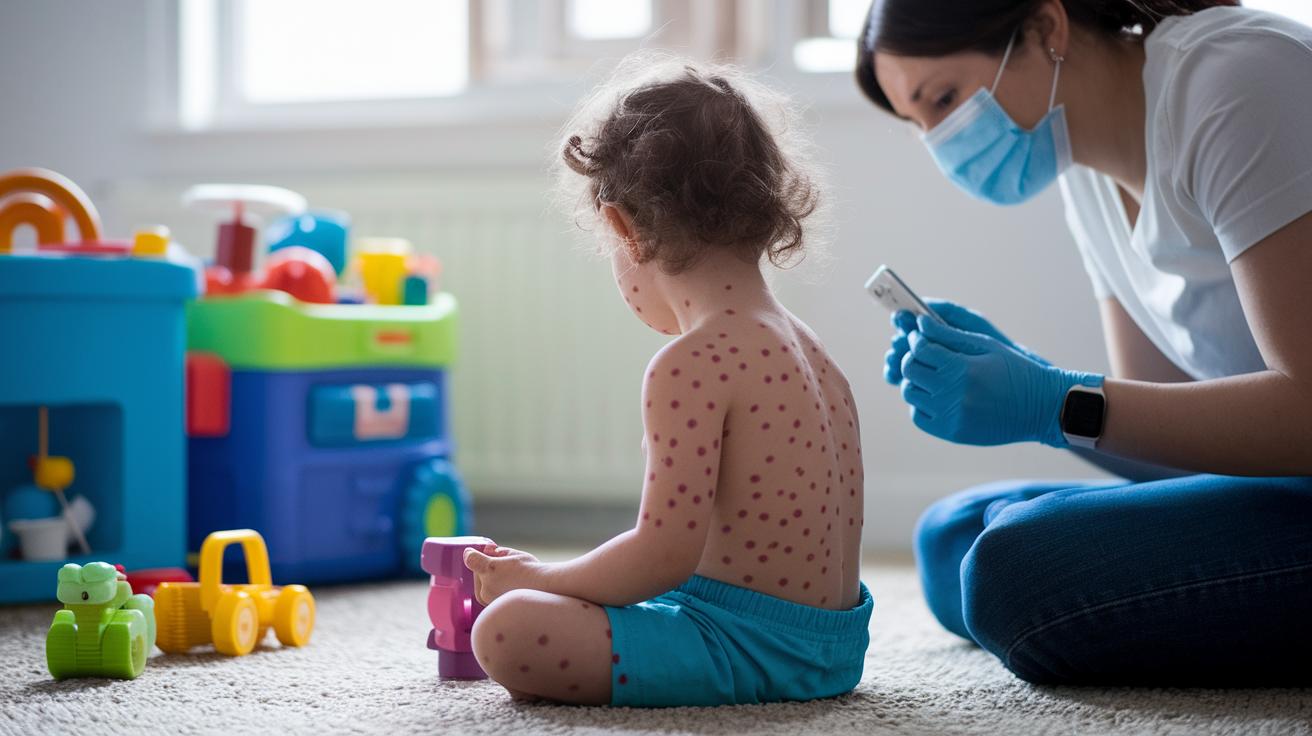
When someone shows signs of chickenpox, it’s important to keep them separate and stick to good hygiene to help slow the spread of the virus. Infected people should stay apart until their spots have scabbed over, which usually happens about 5 to 7 days after the rash first appears. Simple steps like washing your hands often and covering your cough can prevent droplets from spreading, and cleaning shared surfaces stops the virus from hanging around.
Try these steps at home:
- Put the person with chickenpox in their own, well-ventilated room.
- If you’re caring for someone, wear a mask and gloves when you help with their spots.
- Wipe down frequently touched surfaces every day with the right disinfectants.
- Wash linens and clothes in water that’s at least 140°F.
- Encourage everyone who can be vaccinated to get the shot, helping protect the whole group.
Local vaccination events are a big help too. By getting families to vaccinate those who are eligible, these drives make neighborhoods safer and lower the chance of the virus spreading. When you mix personal isolation, everyday cleaning, and community vaccinations, you give everyone a better chance to stay healthy and keep chickenpox at bay.
Isolation Protocols and Safe Return-to-School Guidelines
When a student has chickenpox, they should stay home until every blister has formed a crust. This usually happens about 5 to 7 days after the rash appears. In other words, if your child has chickenpox, make sure they don't return to school until all the blisters have crusted over.
It’s important for the school to provide clear instructions. School officials need to share written guidelines detailing when a student can come back. Parents should also keep the school and local health officials updated with any changes in their child’s condition using these guidelines.
Schools should set up a simple way for parents to communicate. For example, parents can use a specific email or phone number provided by the school to report updates and receive return-to-school information.
Hygiene and Environmental Sanitation for Varicella Prevention
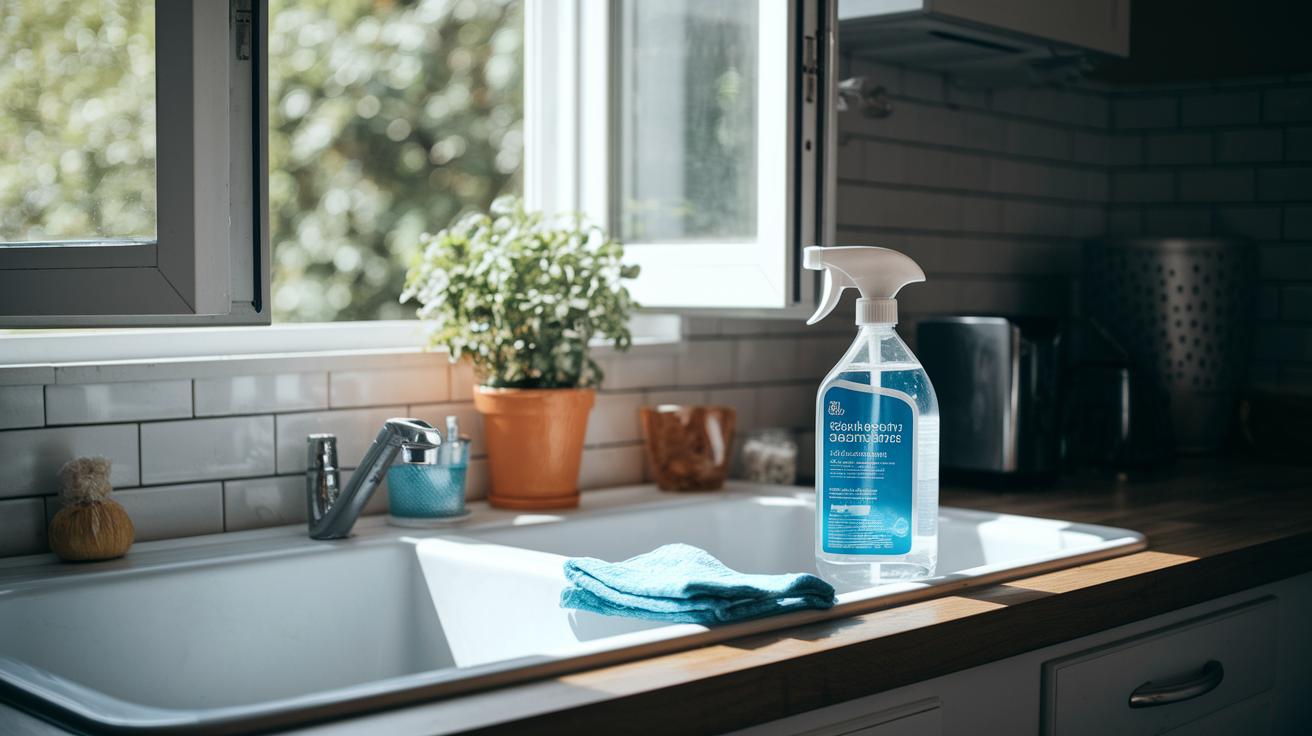
Varicella zoster virus can stick around on surfaces for several hours. To tackle this, you can use EPA-registered disinfectants which are made to break down the virus's outer layer quickly. For example, if your disinfectant says to leave it on door handles, countertops, or similar surfaces for a set amount of time, be sure to follow that guideline so the virus gets neutralized.
Good indoor air flow is just as important. Opening windows or using a mechanical ventilation system boosts the air exchange, which helps wash away virus particles. Picture a room where fresh air constantly pushes out the stale air, which in turn lowers the chances of someone breathing in harmful particles.
Final Words
In the action, the post explained chickenpox’s spread during the incubation period, detailed vaccination routines, and highlighted early antiviral care. It also shared clear isolation tips and hygiene practices to keep environments safe. We broke down household measures, community protection, and school return guidelines.
Every small step makes a difference in the prevention of chickenpox disease. By taking informed actions and following these practical tips, you can keep your health on track and enjoy a brighter, healthier day ahead.
FAQ
How can I prevent chickenpox spread at home, including without a vaccine and for family members?
Preventing chickenpox at home means quickly isolating infected individuals, practicing regular handwashing, and disinfecting surfaces. Keeping a safe distance and using simple protective gear help minimize transmission even when vaccination isn’t an option.
What do early-stage chickenpox symptoms look like?
Early-stage chickenpox shows small red spots that soon turn into fluid-filled blisters. These visible signs help in identifying the onset of infection, so prompt care and isolation can begin to reduce spread.
How is chickenpox transmitted?
Chickenpox transmits mainly through respiratory droplets or direct contact with blister fluids. Being in close proximity to an infected person, especially when they cough or sneeze, increases the likelihood of exposure.
What is the chickenpox incubation period?
The incubation period for chickenpox typically lasts between 10 and 21 days. During this time, symptoms are not yet visible, making early isolation and precaution essential to control spread.
What are the treatment options for chickenpox, especially for adults?
Treatment for chickenpox usually involves antiviral medications and supportive care like rest, fluids, and fever reducers. Adults should begin antiviral therapy promptly to help reduce symptom severity and prevent complications.
What personal protective equipment is needed for chickenpox?
When caring for someone with chickenpox, using masks and gloves is recommended. These items help reduce exposure to respiratory droplets and direct contact with blisters, keeping you and others safer.

