
Have you ever wondered if the food you eat really powers your best days? A balanced meal can boost your energy, lift your spirits, and help you feel stronger every day.
Think of your plate like a work of art, filled with bright fruits, crisp vegetables, lean proteins, whole grains, and a little dairy. Each bite is like a brushstroke on your daily canvas.
In this guide, you'll find easy steps to build meals that keep you full and fuel your healthy lifestyle. Ready to see how simple, smart eating can transform your day?
Step-by-Step Guide: How to Create a Balanced Diet
When we talk about a balanced diet, it simply means including foods from all five key groups: fruits, veggies, proteins, grains, and dairy. These choices give you the energy to power through your day, help build strong muscles, and keep your body in great shape. Eating well also helps you manage your weight and lowers your risk for problems like heart disease and diabetes. Ever notice how adding a burst of colorful fruits and veggies to your meal can lift your mood and energy? Getting the right mix of nutrients each day sets you up for a healthier life.
One easy tip is to follow the USDA plate model. In this plan, half your plate is filled with fruits and vegetables because they’re packed with vitamins, minerals, and fiber. The other half is split among whole grains, lean proteins, and low-fat dairy, which help release energy slowly and support your muscles. For example, tossing in some steamed broccoli or enjoying fresh berries means you’re taking in nature’s goodness while savoring a meal that feels both tasty and nutritious.
In this guide, we'll walk you through how to build a balanced diet, starting with smart grocery shopping. You'll get practical tips for planning your meals, measuring the right portions, and even using a grocery list to stay on track. Each step is designed to fit right into your lifestyle, making it easier to choose foods that help you feel your best every day.
The Five Food Groups: Building Blocks of a Balanced Diet

The USDA plate model is a simple guide to balance your meals. It suggests filling half your plate with fruits and veggies so you get plenty of fiber, vitamins, and minerals with every bite. The other half is split among whole grains, lean proteins, and dairy, giving you the energy you need along with vital nutrients for muscle and bone health.
| Food Group | Daily Serving Recommendation | Key Nutritional Benefit |
|---|---|---|
| Fruits | 1.5-2 cups | High in fiber and nutrients |
| Vegetables | 2-3 cups | Offers vitamins through five subgroups |
| Grains | 5-6 oz equivalents | Whole grains provide slow energy release |
| Protein | 5-6 oz | Supports muscle repair and growth |
| Dairy | 2-3 cups | Source of calcium for bones |
Every food group plays its own important role in keeping you healthy. Fruits, best enjoyed whole, pack a good dose of fiber that helps with digestion. Vegetables come in many types, each bringing a mix of vitamins and minerals. Whole grains release energy slowly, keeping your blood sugar steady, while lean proteins help build and repair muscles. Low-fat dairy or fortified soy products offer the calcium your bones need to stay strong. Mix these groups into your meals and you’re set for quick energy now and lasting well-being later.
Portion Control and Macronutrient Balance for a Balanced Diet
Balancing your meal means knowing how many calories should come from carbs, proteins, and fats. Carbs give you energy for what lies ahead and should be about 45–65% of your daily calories. Proteins help build and repair your body, making up around 10–35% of your calories. And fats, essential for many body functions, should fill in roughly 20–35%. Think of your meal as a fun puzzle where each piece matters.
For example, imagine a standard serving like 1 cup of veggies, 3 ounces of protein, 1 ounce of grains, and 1 cup of dairy. This method is like using a recipe that keeps every part in balance. Remember this little tip: "Measure your food portions like pieces in a well-organized puzzle. Every part has a key role to play."
| Macronutrient | % of Daily Calories | Serving Examples |
|---|---|---|
| Carbs | 45–65% | Whole grains, fruits, vegetables (like 1 cup of veggies) |
| Protein | 10–35% | Lean meats, beans, tofu (about 3 oz serving) |
| Fats | 20–35% | Avocados, nuts, olive oil (a small handful or 1 tsp oil) |
Here’s another friendly tip: use everyday objects to help you measure. Think of your fist as a gauge for veggies or a deck of cards for protein servings. These simple cues can help you stick to the right ratios without fussing over every calorie. Next time you’re about to dig into your meal, give your plate a quick check and adjust as needed. This way, you'll get just the right amount of energy, muscle support, and healthy fats to keep you feeling great all day.
Meal Planning Strategies for Wellness and Balanced Nutrition

Keeping a steady meal schedule can really boost your energy and make sure you get all the nutrients you need throughout the day. When you plan your meals in advance, you’re less likely to skip a bite or grab something quick that isn’t so healthy. Setting regular times for breakfast, lunch, dinner, and snacks can help with managing your weight and keeping your routine on track. It’s like having a well-organized daily plan where every meal gives your body a chance to recharge. One good tip is to eat every 3 to 4 hours to keep hunger at bay and your metabolism running smoothly.
Try this simple one-day plan: Start your morning with a bowl of whole-grain oatmeal topped with your favorite fruit and a side of low-fat yogurt. Later, treat yourself to an apple with a bit of nut butter for a crunchy snack. At lunch, enjoy a hearty quinoa salad packed with mixed vegetables and grilled chicken, which gives you a nice mix of fiber and lean protein. In the afternoon, snack on crunchy carrot sticks dipped in hummus for an extra nutrient boost. For dinner, have a brown rice bowl filled with steamed vegetables and tofu for some fulfilling, plant-based protein. And remember, keep sipping water throughout the day, aim for about 8 cups, to stay refreshed and balanced.
Planning your week around a set meal structure can take a lot of the guesswork out of healthy eating. Try setting aside a bit of time each weekend to jot down your grocery list and map out your meal schedule for the week ahead. Preparing ingredients in advance or even cooking in batches on busy days can really make mealtime fun and stress-free. In truth, organizing your meals is a simple step toward making balanced nutrition a natural part of your daily routine.
Customizing a Balanced Diet for Individual Goals and Dietary Needs
Finding a balanced diet that fits your personal goals is a smart move. Every body is unique, so mixing up the five food groups can help you keep meals fun and flexible. Sometimes, you might want to change how much you eat for weight management or swap certain ingredients because of health reasons. Think of it as reusing your favorite ingredients in fresh, new ways that match your daily energy and nutrition needs.
For example, if you follow a vegetarian or vegan plan, try using beans, lentils, or tofu to get your protein fix. If gluten isn’t in your diet, options like quinoa, brown rice, or certified gluten-free oats can keep your energy steady. Not using dairy? Fortified almond or soy milk can offer the calcium and vitamins your body needs. And if you’re looking to lose weight, you might consider lowering your calorie intake by 10 to 20%. For athletes, bumping up protein to about 1.2–1.7 grams per kilogram can help with muscle repair and overall performance.
Sustainable Eating Practices to Maintain a Balanced Diet
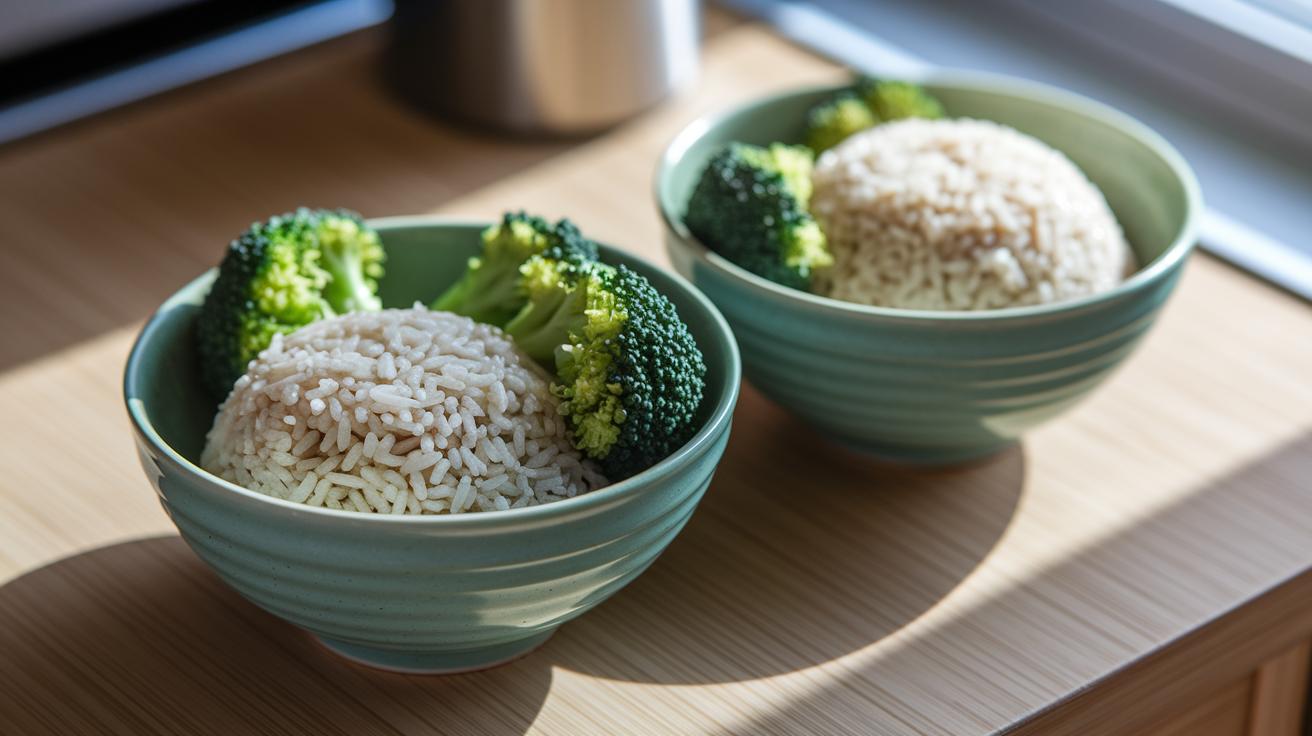
Keeping a healthy diet in the long run is all about forming simple, sustainable habits. Try spending part of a quiet weekend preparing batches of your favorite staples like grains, proteins, and veggies. This way, your fridge is stocked with ready-to-eat meals that make life a bit easier. Choosing fruits and vegetables that are in season not only boosts flavor but also gives you nutrients that fit with the natural rhythm of the weather.
Mindful eating is another great trick. By taking your time and really savoring each bite, you might find it easier to stop before you overeat. Imagine opening your fridge and seeing bowls filled with pre-cooked brown rice and steamed broccoli, just waiting to become part of your next meal.
It’s also important to track how you’re doing. Keeping a simple food log can help you notice when you’re eating too much or too little. Changing up your recipes every few weeks can keep mealtime exciting and fresh. These small steps add up, turning balanced eating into a habit that feels natural and enjoyable every day.
Final Words
In the action, this guide laid out clear steps to create a balanced diet. It explained the five food groups and proper portion sizes. The post showed how to plan meals and customize eating habits to meet unique needs. Tips for sustainable practices make daily healthy choices more approachable. Embracing these ideas can help you feel vibrant and confident as you learn how to create a balanced diet. Enjoy every step of your way to improved daily vitality and health.
FAQ
Frequently Asked Questions
Q: What does a balanced diet mean and can you see an example?
The balanced diet means including fruits, vegetables, lean proteins, whole grains, and low-fat dairy. This mix keeps your body fueled and helps you meet all essential nutrients.
Q: What should be on a balanced diet food list or chart?
The balanced diet food list or chart features groups like fruits, vegetables, grains, protein, and dairy. These groups supply fiber, vitamins, and minerals needed for good health.
Q: How do you create a balanced diet plan, and is there a PDF guide available?
The balanced diet plan starts with the USDA plate model and five key food groups. PDF guides often break down those steps into clear, actionable steps for adults.
Q: What are the seven elements needed in a balanced diet?
The seven elements typically include fruits, vegetables, whole grains, lean proteins, dairy, healthy fats, and plenty of water. Each plays a unique role in nourishing the body.
Q: What is the 80/20 rule for eating?
The 80/20 rule means you choose nutritious whole foods for 80% of your meals and allow some flexibility with treats during the remaining 20% to maintain balance.
Q: What are the 3 F’s of the diet?
The 3 F’s often refer to selecting foods that are fresh, nutrient-packed, and fiber-rich. This focus helps ensure meals are balanced and satisfying.
Q: Can you suggest a 7-day healthy eating plan?
A 7-day healthy eating plan rotates meals that include balanced portions from all food groups, like whole-grain oatmeal, lean proteins, colorful salads, and hearty whole grains to keep your energy up.
Q: What does a healthy diet plan for women typically involve?
A healthy diet plan for women includes balanced portions from all food groups, with attention to portion size and nutrient density to support overall energy levels and wellness.
Q: How does the keto diet compare to a balanced diet?
The keto diet focuses on low-carb, high-fat foods, which differs from a balanced diet that emphasizes variety by including all five key food groups for complete nutrition.

